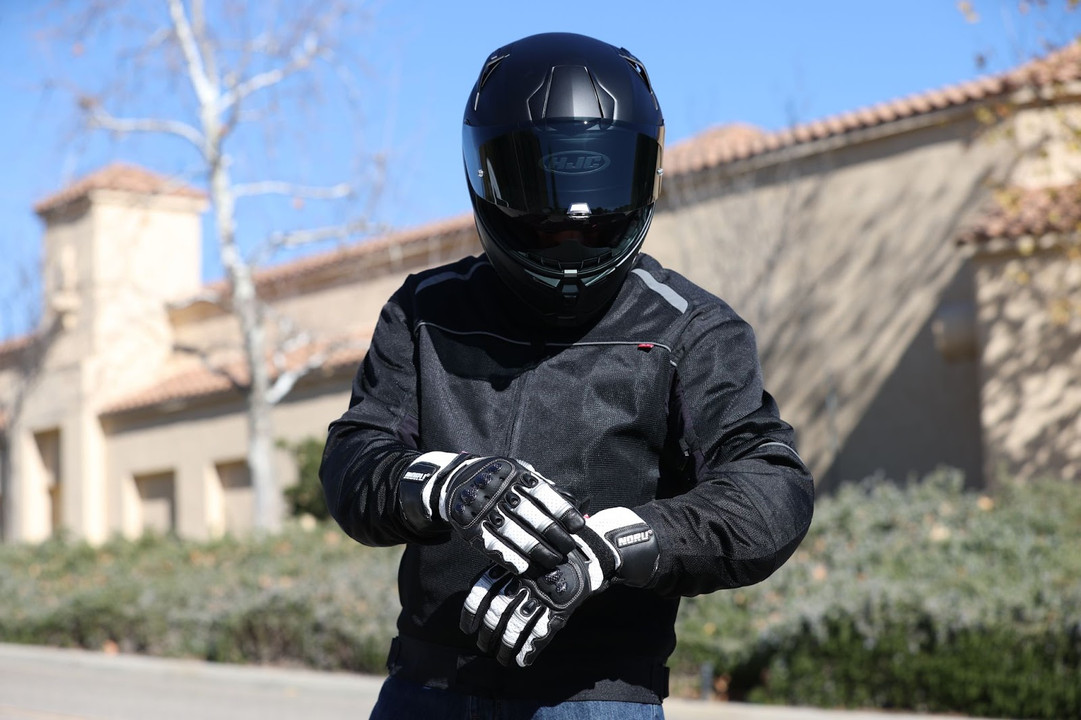
A motorcycle jacket should fit snugly but not restrict movement. It should cover your wrists and waist when arms are extended.
A well-fitting motorcycle jacket is crucial for safety and comfort. It should protect you from the elements and potential injuries. The right fit ensures that armor stays in place during a fall.
A snug but comfortable fit helps in maintaining body heat and provides aerodynamic benefits.
Properly fitted jackets also enhance your riding experience by allowing free movement. Always try on the jacket with your riding posture in mind. Look for adjustable features to fine-tune the fit.
Quality materials and construction are also essential for durability and protection. Investing in a good motorcycle jacket pays off in safety and comfort.
Credit: motorcyclecloseouts.com
Importance Of Fit
The fit of a motorcycle jacket is crucial for both safety and comfort. A well-fitted jacket can protect you from injuries and enhance your riding experience. Let’s explore why the fit is so important.
Safety Considerations
A snug fit ensures that the jacket stays in place during a crash. Loose jackets can shift, exposing your skin to the ground. This could lead to severe injuries. A tight fit keeps the padding and armor in the right places. This provides maximum protection to your vital areas.
Check these aspects for safety:
- Shoulders: Armor should cover your shoulders fully.
- Elbows: Pads should sit directly over the elbows.
- Back: The jacket should cover your lower back.
Comfort And Mobility
Comfort is another key factor for a motorcycle jacket. A good fit allows you to move freely. You should be able to turn your head easily. Your arms should move without restriction. A jacket that is too tight can be uncomfortable. It can also limit your mobility, making it hard to ride.
Consider these for comfort:
- Material: Choose a flexible material.
- Adjustments: Look for adjustable straps and zippers.
- Ventilation: Ensure the jacket has good airflow.
By ensuring your motorcycle jacket fits well, you enhance both your safety and comfort while riding. Always try on different sizes and styles to find the best fit for you.
Measuring Yourself
Getting the right fit for your motorcycle jacket starts with accurate measurements. A well-fitted jacket ensures comfort, protection, and style. Let’s break down how to measure yourself for the perfect fit.
Chest And Waist
Start by measuring your chest. Use a soft measuring tape. Wrap it around the fullest part of your chest, usually just under your armpits. Keep the tape snug but not tight. Note the measurement in inches or centimeters.
Next, measure your waist. Wrap the tape around the narrowest part of your waist. This is usually just above your belly button. Again, keep the tape snug but comfortable. Record this measurement too.
Arms And Shoulders
For your arms, measure from your shoulder to your wrist. Bend your elbow slightly for an accurate length. Note this measurement.
Measure your shoulders by placing the tape across your back. Start at the edge of one shoulder to the other. Ensure you keep the tape straight and level. Record this measurement.
| Measurement Area | How to Measure |
|---|---|
| Chest | Wrap tape around the fullest part of your chest |
| Waist | Wrap tape around the narrowest part of your waist |
| Arms | Measure from shoulder to wrist with a slight bend |
| Shoulders | Measure across your back from one shoulder edge to the other |
Use these measurements to find a jacket that fits you perfectly. A well-fitted jacket enhances your ride by providing comfort and protection.
Types Of Motorcycle Jackets
Motorcycle jackets come in different styles and materials. Each type offers unique benefits. Let’s explore the two most popular types: leather jackets and textile jackets.
Leather Jackets
Leather jackets are a classic choice for motorcyclists. They offer excellent protection and durability. The leather material is tough and can withstand abrasion. This makes it ideal for riding.
Key Features of Leather Jackets:
- High abrasion resistance
- Timeless style
- Durable and long-lasting
- Excellent wind protection
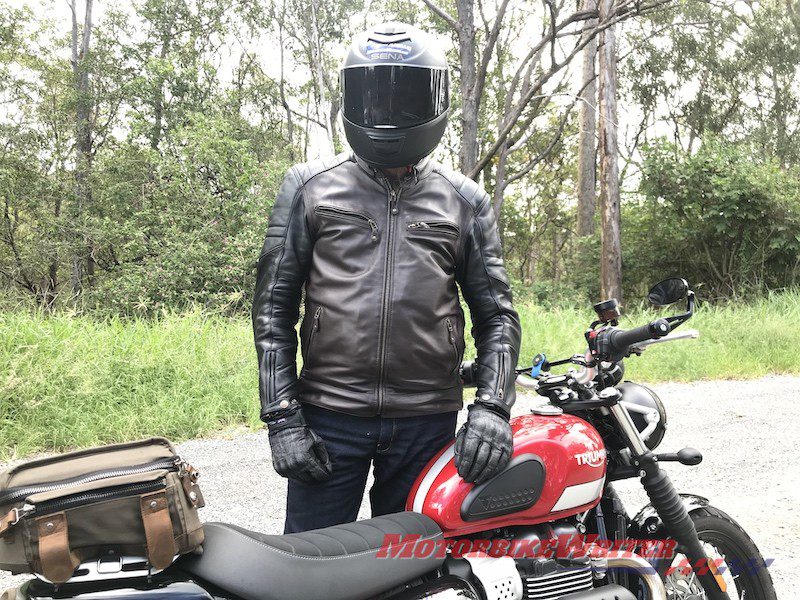
Leather jackets should fit snugly but not too tight. You need room for movement. Ensure the sleeves reach your wrists. The jacket should cover your lower back when sitting.
Textile Jackets
Textile jackets offer versatility and comfort. They are often made from materials like nylon or polyester. These jackets can come with waterproof and breathable features. They are lighter than leather jackets.
Key Features of Textile Jackets:
- Lightweight and comfortable
- Waterproof options available
- Good ventilation
- Often more affordable
Textile jackets should also fit well. Make sure there is enough room for layers underneath. Check that the jacket covers your body adequately. The sleeves should fit properly without being too long.
Choosing the right type of motorcycle jacket is essential. Consider your riding style and weather conditions. Both leather and textile jackets have their unique advantages.
Key Fit Features
Finding the right fit for your motorcycle jacket is crucial. A well-fitted jacket provides safety and comfort. Let’s explore the key fit features you should focus on.
Sleeve Length
Sleeve length is important for comfort and protection. When you extend your arms, the sleeves should cover your wrists. They should not pull back too much. Ensure the cuffs reach the base of your thumbs. This coverage protects your wrists when riding. A good fit prevents wind from entering the sleeves.
Jacket Length
The jacket length should cover your lower back. When sitting on your bike, it should not ride up. The bottom of the jacket should rest just below your belt line. This ensures your back is protected. A longer jacket offers better wind protection. Avoid jackets that are too long. They can restrict movement and become uncomfortable.
Trying On The Jacket
Trying on a motorcycle jacket is an essential step. It ensures the jacket fits and offers maximum protection. This process involves checking the initial feel and performing a movement test.
Initial Feel
When you first put on the jacket, it should feel snug. A snug fit provides better protection. Ensure the shoulders and chest areas fit well. The jacket should not be too tight. You should be able to wear a thin layer underneath comfortably.
Check the sleeve length. The sleeves should cover your wrists, even when your arms are stretched. The waist should sit at your belt line. A good fit at the waist prevents the jacket from riding up.
Movement Test
Performing a movement test is crucial. Raise your arms and stretch them forward. The jacket should not feel restrictive. You should be able to move freely. The elbow area should have enough room for bending.
Bend forward as if you are on your motorcycle. The jacket should stay in place. The back and shoulders should not feel tight. This ensures comfort during rides.
Check the zippers and pockets. They should be easily accessible. Make sure they do not feel strained when you move. This ensures durability and ease of use.
| Feature | Check |
|---|---|
| Shoulders | Snug but not tight |
| Chest | Comfortable, allows thin layer underneath |
| Sleeve Length | Covers wrists when arms stretched |
| Waist | Sits at belt line |
| Elbow Room | Enough for bending |
| Zippers and Pockets | Accessible and not strained |
Credit: www.webbikeworld.com
Adjustable Elements
When choosing a motorcycle jacket, adjustable elements are crucial for comfort and safety. These features ensure the jacket fits snugly. Adjustments can make a big difference in your riding experience.
Waist Adjusters
Waist adjusters help keep the jacket tight at your waist. A loose jacket can flap in the wind. This can be distracting and uncomfortable. Waist adjusters come in various forms. These include:
- Buckles
- Velcro straps
- Elastic bands
Buckle adjusters are durable and easy to use. Velcro straps offer quick adjustments. Elastic bands provide flexibility and comfort. Choose the type that best suits your needs.
Cuff Closures
Cuff closures are essential for keeping wind and rain out. They also ensure your sleeves don’t ride up. Common types of cuff closures are:
| Type | Benefits |
|---|---|
| Zippers | Secure and long-lasting |
| Velcro | Quick and adjustable |
| Snap buttons | Easy to fasten and unfasten |
Zipper cuffs provide a tight seal. Velcro allows for easy adjustments. Snap buttons are convenient and reliable. Pick the one that offers the best fit and comfort.
Common Fit Issues
A well-fitted motorcycle jacket is crucial for comfort and safety. Many riders struggle with finding the perfect fit. Below, we explore common fit issues and how to address them.
Too Tight Areas
A jacket that’s too tight can restrict movement and cause discomfort. Here are some areas where tightness often occurs:
- Shoulders: Tight shoulders can limit arm movement.
- Chest: A tight chest area makes breathing difficult.
- Waist: Tightness around the waist restricts bending and sitting.
Ensure these areas have some room for flexibility. You should be able to move your arms freely. Also, check for enough space to layer clothing underneath.
Excessive Loose Areas
A jacket that’s too loose can flap in the wind and be distracting. Here are common areas where looseness occurs:
- Sleeves: Loose sleeves can catch the wind and become annoying.
- Back: A loose back can cause the jacket to ride up.
- Waist: A loose waist can make the jacket shift around.
Make sure these areas fit snugly but not tightly. The jacket should stay in place when riding. Adjustable straps or zippers can help achieve the right fit.
| Area | Too Tight | Too Loose |
|---|---|---|
| Shoulders | Limited arm movement | None |
| Chest | Hard to breathe | None |
| Waist | Restricts bending | Shifts around |
| Sleeves | None | Catches wind |
| Back | None | Rides up |

Credit: www.lussoleather.com
Seasonal Considerations
A well-fitting motorcycle jacket ensures comfort and safety all year round. It’s crucial to consider the changing seasons when selecting a jacket. Different weather conditions require different features in a motorcycle jacket. Below, we break down the key considerations for each season.
Layering Options
In winter, layering is essential. A motorcycle jacket should fit snugly but allow room for layers. This keeps you warm without restricting movement. Consider jackets with removable liners. These liners add warmth during cold months and can be taken out in warmer weather.
During summer, a lighter jacket is preferable. Ensure it has enough space for a lightweight shirt underneath. Avoid heavy layering as it can cause overheating.
Ventilation Needs
Ventilation is crucial during hot weather. Look for jackets with built-in vents. These vents can be opened or closed based on the temperature. Mesh panels are also a great option for summer. They provide maximum airflow, keeping you cool.
In winter, good ventilation prevents sweat build-up. Even in cold weather, your body generates heat. Proper ventilation helps regulate this heat, ensuring comfort.
| Season | Key Features |
|---|---|
| Winter |
|
| Summer |
|
Choosing the right jacket for each season enhances comfort and safety. Always consider layering options and ventilation needs. This ensures your motorcycle jacket fits perfectly all year round.
Frequently Asked Questions
- How Tight Should A Motorcycle Jacket Be?
A motorcycle jacket should fit snugly but not restrict movement. Ensure there’s enough room for layering.
- Should A Motorcycle Jacket Cover The Waist?
Yes, a motorcycle jacket should cover your waist and hips. It provides better protection and comfort.
- How Long Should Motorcycle Jacket Sleeves Be?
The sleeves should end at your wrists when your arms are extended. This ensures proper coverage and protection.
- Can A Motorcycle Jacket Be Loose?
A motorcycle jacket shouldn’t be loose. A loose fit can compromise protection and lead to discomfort while riding.
- How To Know If A Jacket Fits Right?
Check for a snug fit without restriction. Ensure it covers vital areas and allows freedom of movement.
Conclusion
Finding the right motorcycle jacket fit ensures comfort and safety. Prioritize size, mobility, and protection features.
A proper fit enhances your riding experience, making every journey enjoyable and secure. Remember, a well-fitted jacket is essential for both style and safety on the road.
Choose wisely and ride confidently.
