Finding the right fit for your full face helmet is essential for safety and comfort on every ride. This guide covers everything you need to know about how a full face helmet is supposed to fit, from initial measurements to final adjustments. Learn simple steps and expert tips to ensure your helmet feels secure without pressure points or discomfort.
Key Takeaways
- Accurate head measurement: Use a soft tape to measure your head circumference properly before helmet shopping.
- Snug but comfortable fit: A full face helmet should feel tight without causing pain or pressure marks.
- Check cheek pads and forehead fit: These areas should hold your head firmly but not squeeze too much.
- Secure chinstrap: The chinstrap should fasten snugly to keep the helmet in place during a ride.
- Perform movement tests: Shake your head and try to move the helmet; it should stay put without slipping.
- Break-in period matters: New helmets may feel stiff initially but should become more comfortable over time.
- Replace if uncomfortable: Never compromise safety by wearing a helmet that fits poorly or causes pain.
How Is a Full Face Helmet Supposed to Fit?
If you ride a motorcycle, you know a full face helmet is your best protection. But safety isn’t just about wearing a helmet; it’s about wearing one that fits perfectly. A helmet that’s too loose won’t protect you properly, and one that’s too tight can be uncomfortable and distracting. In this guide, you’ll learn exactly how a full face helmet is supposed to fit, with easy steps and expert advice to help you find your ideal match.
Step 1: Measure Your Head Correctly
Before buying a helmet, you need to know your head size. This is the foundation of a proper fit.
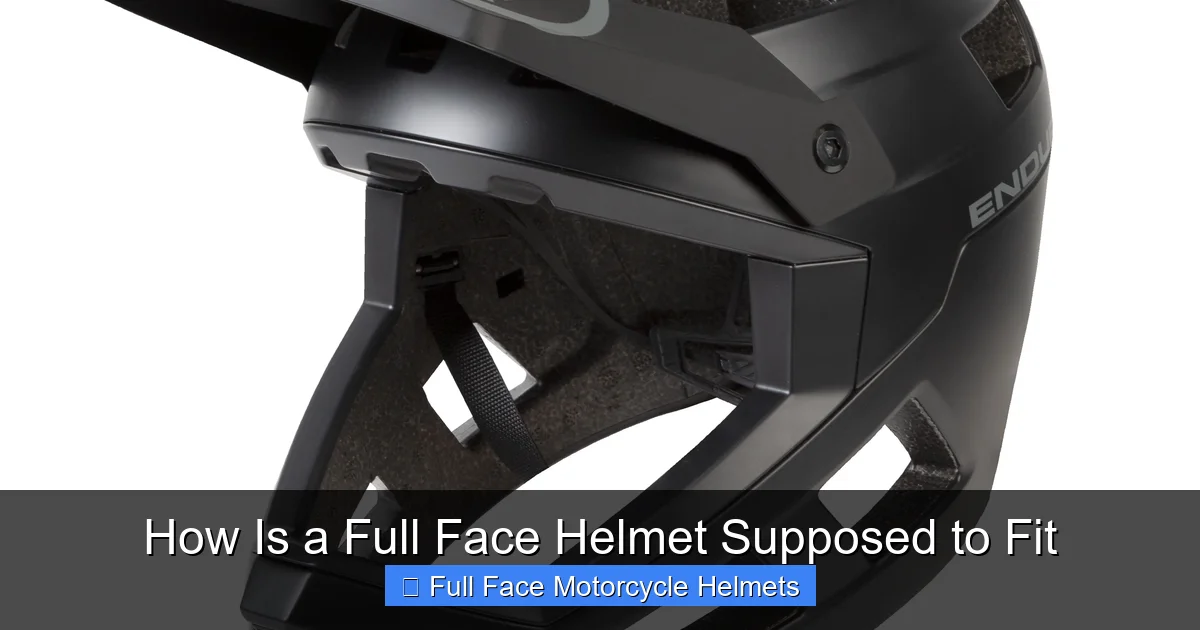
Visual guide about How Is a Full Face Helmet Supposed to Fit
Image source: d3n8mmvj9ns1ml.cloudfront.net
How to Measure Your Head
- Use a flexible cloth measuring tape.
- Wrap it around your head about 1 inch (2.5 cm) above your eyebrows and ears.
- Make sure it’s level all the way around your head.
- Note the measurement in centimeters or inches.
This measurement corresponds to helmet sizes like Small, Medium, Large, etc. Keep in mind that different brands may have slightly different sizing charts, so always check before buying.
Step 2: Try On Helmets in a Store or Order Multiple Sizes
Once you know your size, it’s time to try helmets on. If possible, visit a store. If you buy online, consider ordering two sizes to compare.
What to Look for When Trying On
- Snug Fit: The helmet should feel snug all around your head, without any loose spots.
- No Pressure Points: It shouldn’t cause pain or leave red marks after a few minutes.
- Uniform Contact: The padding should touch your head evenly, especially on the cheeks and forehead.
Step 3: Check the Cheek Pads
Cheek pads are crucial for fit and comfort.
How to Test Cheek Pad Fit
- Put the helmet on and fasten the chinstrap.
- The cheek pads should press firmly against your cheeks.
- You should feel slight pressure but no pain.
- If the pads are too loose, the helmet will move around. Too tight, and it will hurt your face.
Step 4: Fasten the Chinstrap Securely
A secure chinstrap keeps the helmet in place during a ride.
Steps to Fasten and Check
- Put the helmet on and fasten the chinstrap snugly under your chin.
- You should be able to fit no more than one or two fingers between the strap and your chin.
- Try to pull the helmet off your head. It should not come off easily.
Step 5: Perform Movement Tests
Make sure the helmet stays put when you move your head.
How to Test Helmet Stability
- Shake your head side to side and up and down.
- Try to move the helmet forward and backward.
- The helmet should not shift more than a few millimeters.
- If it moves too much, it’s either too big or the chinstrap isn’t tight enough.
Step 6: Check Your Vision and Breathing
Comfort isn’t just about fit; you also need good visibility and airflow.
What to Check
- Look through the visor and ensure your field of view isn’t restricted.
- Make sure the visor seals well but opens and closes smoothly.
- Test the ventilation system to confirm airflow is adequate.
Step 7: Understand the Break-In Period
New helmets can feel stiff. It’s normal for padding and liners to soften after a few rides.
Tips for Breaking In
- Wear the helmet for short periods at home to get used to it.
- Try it on multiple times before long rides.
- Most helmets become more comfortable after a week or two of regular use.
Troubleshooting Common Fit Issues
Sometimes, even after careful selection, you might face fit problems.
Helmet Feels Too Tight
- Try a larger size or a helmet with a different interior shape.
- Look for helmets with removable padding to adjust fit.
- Consider helmets with different shell sizes.
Helmet Feels Too Loose
- Try a smaller size or thicker cheek pads.
- Check that the chinstrap is tightened properly.
- Some brands offer adjustable liners or aftermarket pads.
Pressure Points on Forehead or Crown
- Try a helmet with a different internal shape (round vs. oval).
- Consult a helmet fitting expert for custom padding.
Conclusion
Getting the perfect fit for your full face helmet is key to staying safe and comfortable on every ride. Remember to measure your head carefully, try on multiple helmets if possible, and pay close attention to how the helmet feels around your cheeks, forehead, and chin. A helmet that fits snugly but comfortably is the one that will protect you best. Don’t rush the process — take your time to find a helmet that feels right, and you’ll enjoy safer, more enjoyable rides for years to come.
🎥 Related Video: Seven rules for choosing a comfortable bike helmet – Sportsbikeshop
📺 SPORTSBIKESHOP.co.uk
Never had an uncomfortable, ill-fitting bike helmet? Count yourself luckier than a hedgehog that’s survived an hour sitting in the …
