You see the road differently when you follow the rules. I’ll show how simple actions like obeying speed limits, stopping at signals, and buckling up cut risk and make traffic flow safer for everyone. Following traffic laws lowers the chance of crashes by reducing risky behavior, improving predictability, and giving you more time to react.
I’ll walk through the most important laws that directly prevent collisions, the behavior changes they encourage, and how enforcement and technology help keep everyone safer. Stay with me and you’ll get clear, practical reasons to make lawful driving your routine.
Key Takeaways
- Obeying core traffic laws makes driving more predictable and reduces crash risk.
- Law compliance changes driver behavior and increases time to respond to hazards.
- Enforcement and technology support safer roads and long-term community benefits.
The Relationship Between Traffic Laws and Road Safety
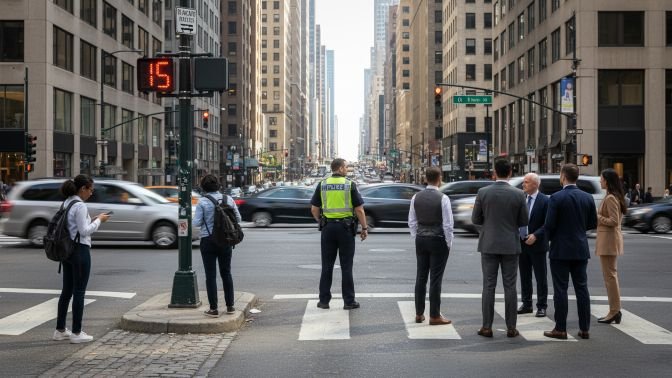
I explain how traffic laws set clear rules, change driver choices, and lower crash rates. The next parts show why laws exist, how they shape behavior, and what data says about fewer accidents.
Purpose of Traffic Laws
I view traffic laws as tools to reduce risk and set expectations for everyone on the road. Laws like speed limits, seat belt requirements, and right‑of‑way rules create predictable actions so drivers, cyclists, and pedestrians can anticipate each other.
They protect people by targeting common crash causes: excess speed, distraction, impairment, and failing to yield. Laws also require vehicle standards—lights, brakes, and tires—so cars perform safely on the road.
I also see laws as a framework for enforcement and education. Clear rules let police enforce unsafe behavior and let safety campaigns teach specific habits that lower injury and death rates.
How Laws Guide Driver Behavior
I find that laws change what drivers choose to do in three direct ways: they set limits, create consequences, and shape social norms. For example, a posted speed limit sets an upper bound on speed and makes speeding a punishable act.
Consequences matter: fines, license points, and possible jail time raise the cost of risky actions. That cost pushes drivers to obey signals, stop at crosswalks, and avoid impaired driving.
Laws also create expectations. When people see others buckling seat belts and stopping for pedestrians, those behaviors become normal. Over time, normal behavior lowers risky maneuvers that cause crashes.
Statistical Evidence of Accident Reduction
I rely on studies and reports showing measurable drops in crashes after laws take effect. For instance, mandatory seat belt laws typically cut vehicle‑occupant deaths by about 10–15% in the years after adoption.
Speed limit enforcement and automated speed cameras often lower fatal and serious‑injury crashes by double‑digit percentages on treated roads. Drunk‑driving laws with lower legal limits and strict penalties tend to reduce alcohol‑related fatalities as well.
I note that combined approaches—laws plus enforcement and education—produce the strongest results. Where governments updated vehicle safety standards, strengthened traffic laws, and ran public campaigns together, both crash rates and hospital costs fell significantly.
Key Traffic Laws That Influence Accident Rates
I focus on three rules that most directly lower crashes: controlling speed, assigning right-of-way, and requiring restraints. Each one cuts a different type of risk and protects people in specific ways.
Speed Limits and Their Impact
I pay close attention to posted speed limits because speed affects both crash likelihood and injury severity. Lower speeds give drivers more time to spot hazards and stop. For example, reducing speed from 40 mph to 30 mph can significantly cut stopping distance and the energy transferred in a crash.
Enforcement matters. Consistent use of speed cameras and police patrols helps keep drivers within limits. Engineering also helps: traffic calming tools like roundabouts and raised crosswalks force slower speeds at danger points.
You can find detailed crash data and speed guidance at the National Highway Traffic Safety Administration (NHTSA) for studies and local speed-management programs.
Right-of-Way Rules
I treat right-of-way rules as a map for who moves first at intersections, crosswalks, and merging lanes. Clear rules reduce conflicts by telling drivers, cyclists, and pedestrians when to yield. This lowers crash risk at intersections—one of the most common crash locations.
Common examples include yielding to pedestrians in crosswalks, stopping at stop signs, and giving way when merging on highways. Signage and pavement markings reinforce those rules. Where drivers ignore right-of-way, I see more angle collisions and pedestrian injuries.
Local traffic departments publish ordinances and diagrams that show exact right-of-way rules for specific intersections. State DMV sites often list those rules in plain language.
Seat Belt Regulations
I emphasize seat belts because they directly reduce deaths and severe injuries in a crash. Laws that require seat belt use increase the number of people properly restrained. When occupants wear belts, the risk of fatal injury drops dramatically compared to unbelted occupants.
Primary enforcement laws—where officers can stop a vehicle solely for a seat belt violation—raise compliance more than secondary laws. Child restraint laws and booster seat rules further protect young passengers by matching restraint type to age and size.
For evidence on effectiveness and best practices, I use resources from the Centers for Disease Control and Prevention (CDC) on seat belt use and child passenger safety.
Direct Ways Traffic Laws Prevent Collisions
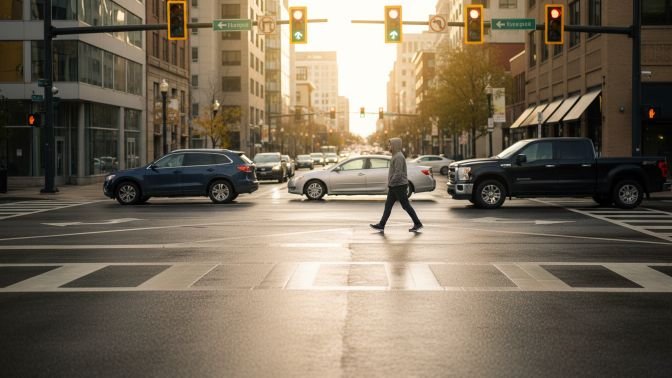
I focus on specific traffic rules that cut the main causes of crashes: how intersections are controlled, how lanes are used, and how distractions are limited. Each rule sets clear actions for drivers, so everyone knows what to expect.
Managing Intersections and Crosswalks
I pay close attention to signals, stop signs, and marked crosswalks because most vehicle-pedestrian and angle crashes happen at intersections. Traffic laws require drivers to stop at red lights and stop signs, yield to pedestrians in crosswalks, and follow turn signals. This reduces conflicts by spacing vehicles and giving pedestrians safe gaps to cross.
I also watch for protected turn phases and pedestrian countdown signals. Laws that enforce these features lower the chance of right-angle and left-turn collisions. When drivers obey marked crosswalks and yield lines, sightlines improve and reaction time increases. Strict enforcement of running red lights and failing to yield has been shown to cut crashes where paths cross.
Regulating Lane Discipline
I treat lane markings and lane-use laws as a map for safe movement. Rules about staying in your lane, using turn lanes, and signaling before lane changes keep vehicles aligned and predictable. This prevents side-swipe crashes and sudden swerves that cause multi-vehicle collisions.
I follow speed limits that match lane type and area. Laws that require use of center turn lanes, bike lanes, and HOV lanes reduce dangerous mixing of road users. Proper lane discipline also makes merging and lane reductions smoother. When drivers use mirrors, check blind spots, and signal—as the law requires—other drivers can anticipate moves and avoid collisions.
Reducing Distracted Driving
I avoid using my phone or other devices while driving because laws ban handheld use in many places. These laws cut the time drivers look away from the road, which lowers rear-end crashes and missed signals. Hands-free rules and stricter limits for new drivers make a measurable difference.
I also follow rules about eating, grooming, and using screens while driving. Enforcement—like fines and ticketing—changes behavior quickly. Public education tied to these laws tells drivers how long a glance away can be, and that knowledge helps me keep my eyes on the road and hands on the wheel.
Behavioral Changes Encouraged by Law Compliance
I focus on specific driver habits that change when people follow traffic laws. These habits make it easier to predict other drivers, reduce risky moves, and keep attention on the road.
Fostering Predictability on the Road
When I follow speed limits, use turn signals, and keep lane discipline, other drivers can anticipate my actions. Predictable behavior cuts down on sudden braking and lane swerves that cause rear-end and side-impact crashes.
I use consistent spacing behind the vehicle ahead. That gives me time to react and avoids chain-reaction collisions when traffic slows. Maintaining steady speed also reduces speed variance, which studies link to fewer crashes.
I obey traffic-control devices like stop signs and traffic lights. This creates clear rules at intersections and merges, lowering the chance of right-angle and merging collisions.
Promoting Defensive Driving
I assume other drivers may make errors, so I plan for safe escape routes and leave room to maneuver. Defensive driving becomes habitual when laws set clear expectations about safe following distance and right-of-way.
I reduce speed in poor conditions and never rely solely on legal right-of-way. Slowing down and scanning for hazards lets me avoid collisions caused by unpredictable behavior from others.
I also watch for common risky acts—running red lights, sudden lane changes—and position my vehicle to minimize exposure. That proactive stance turns legal compliance into practical crash prevention.
Enhancing Situational Awareness
Following laws like “move over” and seat-belt requirements keeps me focused on visible dangers and survival outcomes. Moving over for stopped emergency vehicles reduces secondary collisions and protects responders.
I check mirrors regularly, scan intersections, and limit distractions because laws make these practices standard expectations. This constant scanning helps me spot hazards early—pedestrians stepping off curbs, merging vehicles, or sudden traffic slowdowns.
I keep an eye on speed relative to road conditions and use signals and lane position to communicate intent. Clear communication plus vigilant observation lowers the chance of misunderstandings that lead to crashes.
Long-Term Community Benefits of Lawful Driving
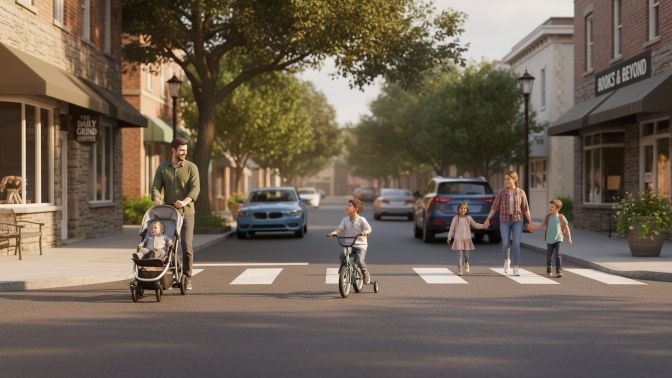
I describe concrete ways obeying traffic laws helps my town over time. These benefits touch emergency services, local safety, property values, and daily life.
Lowering Emergency Response Demands
When drivers follow speed limits, stop at signals, and use seat belts, crashes happen less often and are less severe. I see fewer high-speed collisions, so ambulance and fire crews get fewer life‑threatening calls. That lowers overtime and wear on emergency vehicles.
Reduced crash severity shortens hospital stays and frees up ICU beds. Police can spend less time on lengthy crash investigations and more on patrols or community programs. Fewer crashes also cut costs for local governments and insurers, which can translate to more funding for other public needs.
Building Safer Neighborhoods
Lawful driving makes streets calmer and more predictable in places where children and older adults walk. I notice parents feel safer letting kids bike to school when cars obey crosswalk rules and speed limits. Pedestrian and bike counts rise, and neighborhoods become more active.
Consistent traffic law compliance also attracts businesses and homeowners. Lower crash rates reduce property damage and noise, keeping neighborhoods stable. Over years this can improve local investment and make streets places people choose to live and work.
Challenges and Limitations in Enforcing Traffic Laws
I focus on the key barriers that make enforcement uneven and on limits in teaching drivers the rules that save lives. These issues shape why some safety laws fail to produce consistent drops in crashes.
Issues With Consistent Enforcement
I see uneven enforcement across neighborhoods and times as a major problem. Police staffing levels vary by city and shift, so peak crash hours like late nights or early mornings may lack patrols. Budget cuts and competing priorities also reduce traffic patrols, which weakens deterrence.
Technology helps but has flaws. Red-light cameras and speed cameras improve coverage, yet they face legal challenges, technical failures, and public pushback. That limits their use in some jurisdictions. For research and best practices, I consult resources like the National Highway Traffic Safety Administration (NHTSA) for data on enforcement programs.
Community trust affects enforcement too. If drivers view policing as unfair, they may resist compliance or cooperation. I recommend transparent policies and clear citation processes to maintain legitimacy.
Obstacles in Driver Education
I find gaps in driver education that reduce long-term compliance. Many programs focus on passing a test rather than building safe habits, so drivers lack real-world practice for hazard recognition and decision-making. This makes young and new drivers especially vulnerable.
Continuing education is inconsistent. Few jurisdictions require refresher courses after licensing, so risky behaviors like distracted driving persist. Accessible, evidence-based training can help. I often point readers to the Centers for Disease Control and Prevention (CDC) teen driving resources for up-to-date guidance.
Language barriers and low literacy also limit outreach. Educational materials must use simple language, clear visuals, and multiple formats to reach diverse communities. I support blending classroom lessons with on-road coaching to build lasting habits.
The Role of Technology in Supporting Traffic Law Compliance
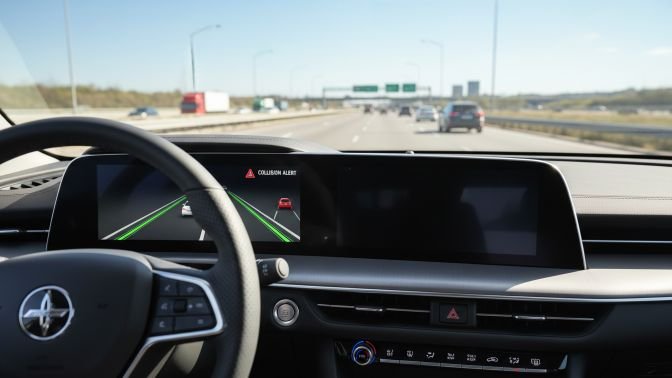
I describe tools that help enforce speed, signals, and safe driving, and I explain vehicle tech that prevents crashes and warns drivers. Both reduce risky behavior and fix gaps where human enforcement alone falls short.
Automated Enforcement Systems
I focus on cameras, sensors, and software that detect speeding, red-light running, and stop-line violations. Fixed speed cameras use radar or LIDAR to measure speed and timestamp images. Mobile units and average-speed systems track vehicles over a distance to catch consistent overspeeding.
I note how automation works without constant officer presence. It issues citations from recorded evidence, which raises compliance with posted limits and signal rules. Data from these systems also shows hotspots for repeat violations, letting agencies place signs, change timing, or add enforcement where crashes concentrate.
I keep concerns practical: calibration, privacy rules, clear signage, and appeals processes matter. Proper setup and maintenance keep error rates low and public trust higher.
Vehicle Safety Innovations
I cover driver-assist tech that directly prevents or softens crashes. Automatic Emergency Braking (AEB) detects imminent collisions and applies brakes. Lane-Keeping Assist and Blind-Spot Detection warn or correct steering to avoid lane-departure crashes. Adaptive Cruise Control keeps safe following distances on highways.
I explain how these systems support obeying laws. They help drivers maintain speed, stay in lanes, and stop for hazards—reducing human error like distraction or delayed reactions. Over time, fleet data and event recorders let manufacturers and regulators refine systems to match real-world driving.
I flag limits: sensors can be confused by weather, poor markings, or unusual objects. Drivers still must stay attentive and follow rules even when automation helps.
FAQs
How do seat belts help?
I always recommend buckling up. Seat belts reduce the risk of serious injury by keeping you in place during a crash and preventing ejection.
Will small rules matter, like signaling or lane discipline?
They do. Simple actions — using a turn signal, keeping lane position, and yielding when required — help everyone know what to expect. Predictable behavior lowers chances of collisions.
What about distracted or impaired driving?
I tell people to avoid both. Distraction and impairment slow reaction time and impair judgment, which leads to more crashes. Laws that restrict phone use and drunk driving aim to keep impaired drivers off the road.
Do traffic laws reduce congestion too?
Yes. I find that obeying traffic flow rules and speed limits keeps traffic smoother. Less stop-and-go movement lowers crash risk and makes travel more efficient.
Are the penalties effective?
Fines, points, and license suspensions give clear consequences. I believe they encourage safer behavior by making risky choices less appealing.
What can I do personally?
Follow speed limits, wear a seat belt, avoid distractions, and respect signs and signals. I also suggest learning your local laws and keeping your vehicle well maintained.
Conclusion
I believe obeying traffic laws makes driving safer for everyone. Simple rules like speed limits, seat belt use, and yielding reduce the chances of crashes and lower injury severity when crashes happen.
By following traffic signs and signals, I help keep traffic predictable. Predictable behavior gives other drivers, pedestrians, and cyclists time to react and avoid collisions.
I trust that well-enforced laws and good road design work together. Enforcement encourages safer choices, while clear markings and lighting reduce confusion and hazards.
I recommend focusing on steady habits: watch speed, avoid distractions, and always use safety gear. Small actions add up and cut risk more than any single technology or rule.
I value education and practice. Learning local laws and driving skills helps me make better decisions under pressure.
I feel confident that when more people follow traffic laws, roads become safer. My choices matter, and they can help prevent harm to myself and others.
