
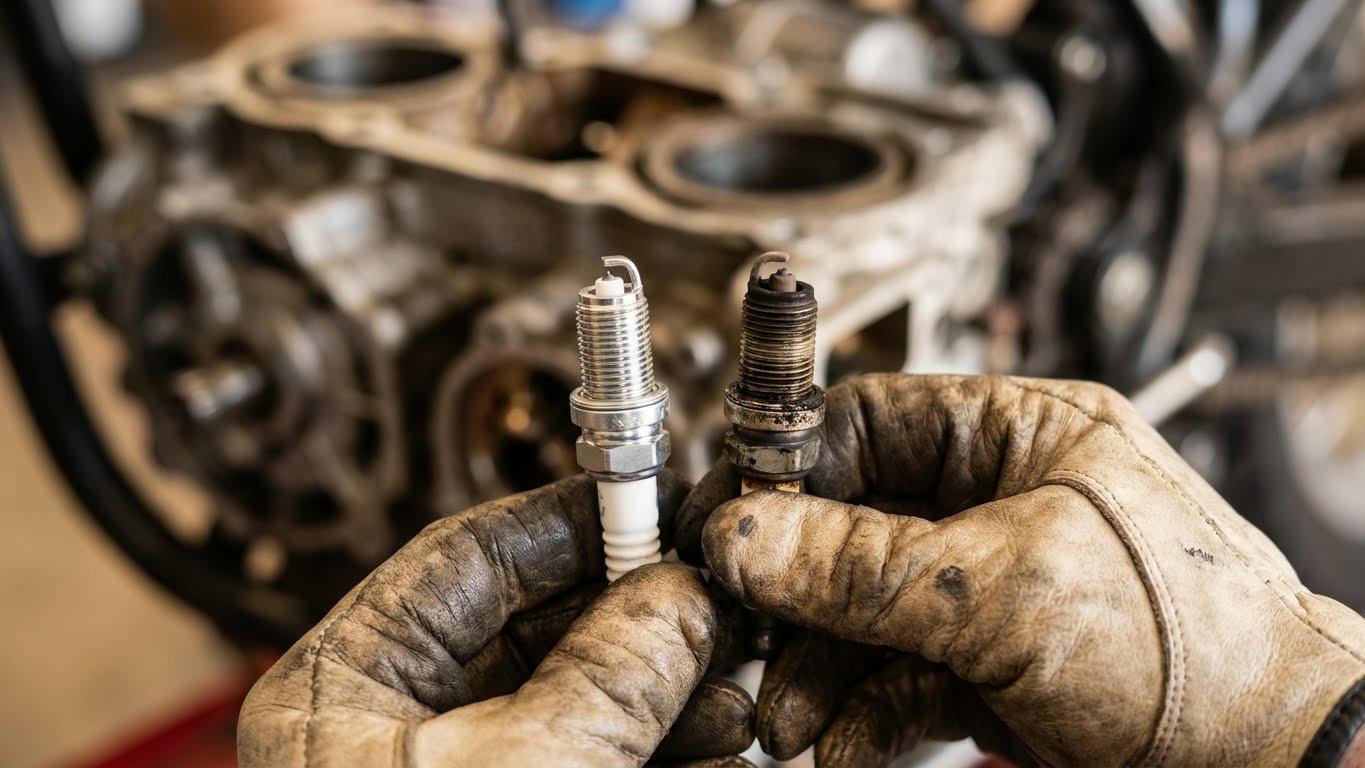
You want a quick, clear answer: replace most motorcycle spark plugs every 5,000 to 10,000 miles, while higher‑end iridium or platinum plugs can last much longer — often up to 30,000–60,000 miles depending on your bike and riding conditions. If your bike runs rough, stalls, or uses more fuel, check and replace the plugs sooner.
I will show you how to spot worn plugs, what shortens their life, and when it’s worth doing the job yourself versus visiting a shop. That way you can keep the engine firing strong and avoid breakdowns on the road.
Key Takeaways
- Replace spark plugs on a regular schedule and sooner if performance drops.
- Inspect plugs for wear and riding conditions that shorten their life.
- Choose plug type and service method based on bike needs and your skill level.
Recommended Spark Plug Replacement Intervals
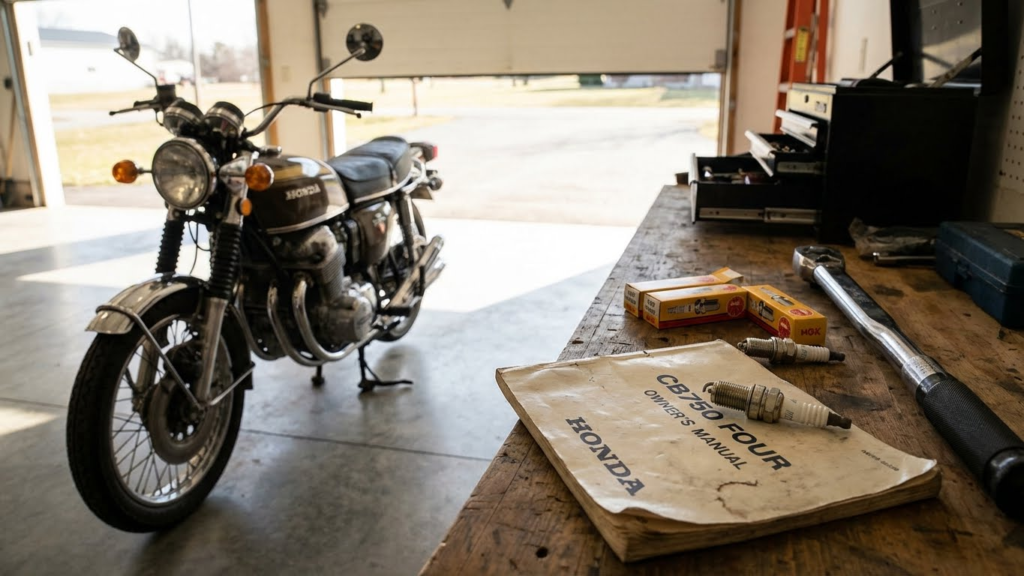
I focus on three practical ways to decide when to change spark plugs: follow the maker’s rule, watch the miles on your bike, and factor in time and use. Each method gives concrete steps you can use for most street and sport motorcycles.
Manufacturer Guidelines
I always start with the owner’s manual. Manufacturers list the exact plug type, gap settings, and replacement interval for your engine model.
If your manual says replace at 8,000 miles, follow that. If it lists longer intervals for iridium or platinum plugs (often 20,000–60,000 miles), use those numbers instead. Also check service bulletins from the maker; they sometimes update intervals or recommend specific brands.
When a manufacturer gives torque specs and electrode gap, I use those during installation. Sticking to the manual reduces risk of misfires and saves time diagnosing ignition problems later.
Mileage-Based Recommendations
I use miles as a practical trigger for many riders. For standard copper plugs, plan on changing them every 8,000–10,000 miles. For iridium or platinum plugs, expect 20,000–60,000 miles depending on the part and bike.
Consider these rules:
- Copper: replace ~8k–10k miles.
- Iridium/Platinum: replace ~20k–60k miles.
- High-performance bikes: inspect sooner, especially if you ride aggressively.
I also inspect plugs at major service intervals (every 5k–10k miles). Look for fouling, worn electrodes, or unusual deposits. Replace early if the plug shows damage or the bike runs rough.
Time-Based Replacement
I track years as well as miles. Even low-mileage bikes age spark plugs. I suggest changing plugs every 2–3 years if the bike sits a lot, or sooner if exposed to moisture or fuel additives.
For bikes used seasonally, I replace plugs before storage and again after long idle periods. Corrosion, moisture, and fuel residue can degrade plugs even with low mileage. Regular inspections each season catch problems early and keep starting reliable.
Signs Your Motorcycle Spark Plugs Need Changing
I watch for clear symptoms that tell me a spark plug is past its useful life. These signs include reduced power, hard starting, and odd engine noises that point to misfires, fouling, or timing problems.
Performance Issues
If acceleration feels weak or the bike hesitates under load, the spark plugs may not be firing consistently. I notice slower throttle response, poor mid-range power, or a loss of top speed during overtakes. These issues often show up first when climbing hills or carrying a passenger.
Fuel economy can drop too. I track miles per tank and compare recent rides; a clear decrease alongside rough throttle response usually points to worn or fouled plugs. Inspecting the plugs can confirm carbon build-up, oil fouling, or an eroded center electrode.
For more on what worn plugs look like and how they affect combustion, I check resources like the Motorcycle Safety Foundation and manufacturer service pages for plug-specific guidance and replacement intervals.
Difficult Starting
Hard starting is a classic sign I don’t ignore. When the engine cranks longer than usual, or needs multiple kicks or pushes of the starter to catch, the spark may be weak or inconsistent.
Cold starts that require extra throttle or choke can also indicate plug wear. I test this after the bike sits overnight; consistent long cranking on cold mornings points to plug issues before more serious faults develop.
If the plug gap has widened or the tip is fouled, the spark energy drops and ignition timing becomes unreliable. I look at the owner’s manual for the correct gap and type, and compare the plug’s condition to images on reputable sites like Bosch or NGK to decide if replacement is due.
Unusual Engine Noises
Popping, backfiring, or irregular sputtering are noises that often mean misfires. I listen for sharp bangs through the intake or exhaust during acceleration or steady throttle — a sign a cylinder isn’t firing at the right time.
A rough idle that sounds uneven or skips beats usually comes with those noises. I pay attention to whether sounds change with RPM; if they do, the issue often centers on ignition rather than fuel or valves.
If I detect metallic pinging or detonation, I check spark plug heat range and condition immediately. Using the wrong plug type or a badly worn plug can raise combustion temperatures and cause knocking, which risks engine damage.
Factors Affecting Spark Plug Lifespan
I will explain the main things that change how long a spark plug lasts: the plug’s construction, how and where you ride, and the fuel you use. Each factor can shorten or lengthen service life by thousands of miles.
Type of Spark Plug
Different plug materials wear at different rates. Copper plugs have a thicker center electrode and conduct heat well, but they usually last 5,000–10,000 miles on motorcycles. Iridium and platinum plugs have finer tips and resist erosion, so they often last 15,000–30,000 miles depending on engine stress.
Heat range matters, too. A plug that runs too hot can cause pre-ignition; one that runs too cold fouls quickly. I check the manufacturer’s spec for heat range and match the plug to my bike’s compression and riding style.
Gapped size affects longevity and performance. A larger gap can mean a stronger spark but faster electrode wear. I set the correct gap with a feeler gauge and replace plugs that show rounded or eroded electrodes.
Riding Conditions
How and where I ride changes plug life a lot. Short city trips and frequent idling let the plug run cooler and build deposits, so plugs wear faster and may foul by 6,000–8,000 miles. Long highway runs keep the combustion chamber hotter and burn off deposits, extending service life.
Off-road, dirt and dust can contaminate the airbox and lean or rich the mixture, which stresses the plug. Heavy accelerations, towing, or high-load mountain riding increase combustion temperatures and can speed electrode erosion.
I inspect plugs more often if I ride in stop-and-go traffic, dusty trails, or tow a trailer. Regular checks catch fouling, oiling, or glazing before they cause misfires or hard starting.
Fuel Quality
Fuel quality directly affects deposits and electrode life. Low-octane or contaminated fuel can cause pre-ignition and carbon buildup on the plug tip. Ethanol blends attract water and can leave sticky deposits that foul plugs faster than pure gasoline.
Additives and detergents in modern fuels help keep deposits down. I prefer fuels from reputable stations and avoid old or stored fuel. If I must use ethanol blends, I check plugs sooner and consider a plug with a more resistant tip material.
Fuel mixture also matters. A rich mixture leaves black, sooty deposits; a lean mixture can overheat the plug and erode the tip. I address carburetor or fuel-injection issues quickly to protect plug life.
How to Inspect Motorcycle Spark Plugs
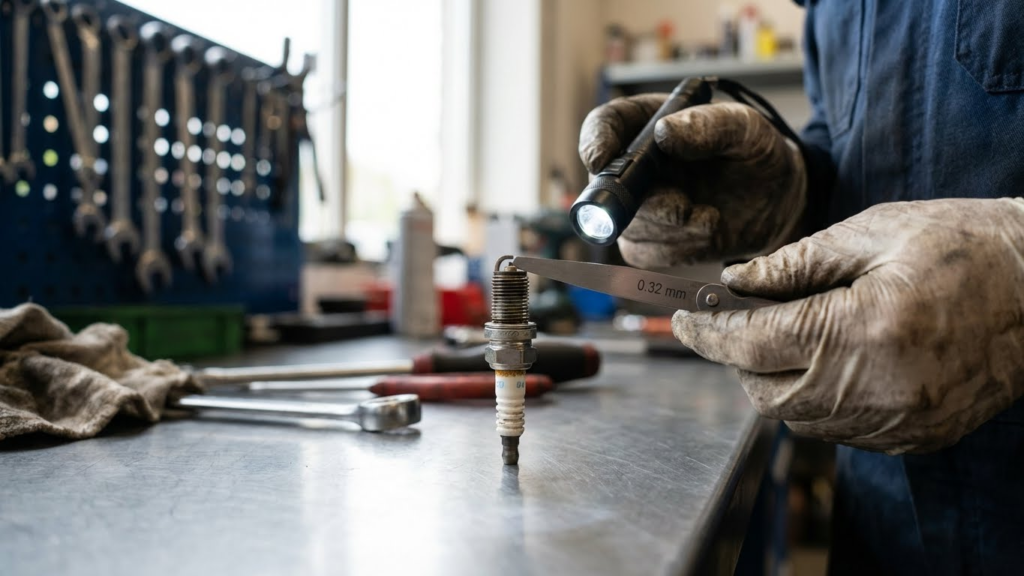
I inspect spark plugs to spot fouling, wear, cracks, and correct gap. I look at color, electrode shape, and any deposits to decide cleaning or replacement.
Visual Inspection Steps
I remove the plug with the correct socket and a clean rag around the cylinder to keep dirt out. I check for oil, fuel smell, and heavy carbon sooting right away; these show up as wet, black, or oily deposits.
I examine the ceramic insulator for cracks or chips. A cracked insulator or broken porcelain means I replace the plug immediately.
I look at the electrode tips for rounded edges or heavy buildup. Small amounts of light tan or gray deposit are normal, but thick layers or glazing signal a problem.
Use a magnifier or bright flashlight to see fine details. Keep plugs labeled if inspecting multiple cylinders so I can compare differences across the engine.
Interpreting Spark Plug Color
I use color as a quick diagnostic guide. A light tan or grayish color on the insulator and electrode means normal combustion and no action needed beyond the scheduled change.
A black, sooty deposit that wipes off easily indicates a rich air–fuel mix or weak spark. I check carburetor/fuel injection settings, air filter, and ignition components when I see this.
A wet, oily plug points to oil entering the combustion chamber from worn rings, valve guides, or seals. I also smell for fuel if the plug is wet and dark.
White, blistered deposits or a very white insulator suggest overheating or incorrect heat range. I choose a different heat-range plug and investigate cooling, ignition timing, or lean conditions.
Checking for Wear and Damage
I measure the electrode gap with a feeler gauge and compare it to the factory spec. If the gap is too wide from electrode wear or too narrow from buildup, I adjust or replace the plug.
I check the center and ground electrodes for rounding or erosion. Electrodes that look thin or rounded reduce spark intensity and require replacement.
I inspect the threads and gasket for damage or corrosion. Cross‑threading, stripped threads, or a crushed gasket can cause compression leaks and must be fixed before reinstalling.
I always replace a plug that shows cracking, heavy pitting, melted tips, or severe corrosion. Small surface deposits I clean gently with a wire brush and re‑gap only if the plug is otherwise sound.
Consequences of Delaying Spark Plug Replacement
Delaying spark plug replacement leads to noticeable drops in performance and can cause parts of the engine to wear faster. I’ll describe how reduced efficiency shows up in real riding, and how ignored plugs can turn into costly engine problems.
Reduced Engine Efficiency
Worn spark plugs make ignition weaker and less consistent. I notice slower throttle response, longer cranking times, and lower fuel economy when plugs foul or gap grows too wide. This often shows as rough idling and surging at low speeds.
Fuel economy can fall by several percent; on long rides that adds up. Poor combustion also raises exhaust temperatures and increases unburned fuel in the system, which can foul the catalytic converter over time. For guidance on correct plug gaps and specs, I consult the bike’s service manual or reliable sources like the Motorcycle Safety Foundation and manufacturer pages.
Regular inspection every 3,000–5,000 miles for standard plugs (or at service intervals for iridium/platinum types) keeps efficiency steady. Replacing plugs on schedule restores crisp throttle response and steady idle quickly.
Potential Engine Damage
If I keep riding with weak sparks, misfires become more frequent and can stress the ignition coils and wiring. Continuous misfiring sends raw fuel into the exhaust, which can overheat and damage the catalytic converter or muffler internals.
Long-term detonation or incomplete combustion can erode piston crowns, rings, and valves. That leads to lower compression and costly repairs like piston or valve jobs. Water or oil contamination on plugs can signal other engine issues; ignoring those signs lets small problems grow.
Addressing plugs early protects the ignition system and exhaust components. For technical details on misfire diagnosis and emissions impacts, I reference repair guides and trusted sites such as the EPA’s vehicle emissions information.
Tips for Prolonging Spark Plug Life
I focus on regular checks, proper parts, and clean riding habits to keep spark plugs working longer. Small tasks done every few hundred miles prevent big problems later.
Routine Motorcycle Maintenance
I inspect spark plugs during tune-ups every 3,000–5,000 miles or sooner if the bike runs rough. I remove plugs to check the ceramic insulator color (should be light tan) and measure electrode wear with a feeler gauge against the spec in the service manual.
I change oil and the air filter on schedule because dirty oil or a clogged filter can foul plugs faster. I also watch for oil leaks or coolant leaks that can contaminate plugs and fix seals and hoses immediately.
I keep the ignition system healthy by checking plug wires, boots, and the coil for cracks or corrosion. I torque new plugs to the manufacturer’s spec to avoid head damage or poor heat transfer. Small, frequent checks save time and money.
Choosing the Right Spark Plugs
I pick plugs that match the engine’s heat range and electrode material listed in the owner’s manual. For daily riders, iridium or platinum plugs last longer (often 20k–60k miles), while copper plugs work but need earlier replacement.
I match the correct gap or pre-gap plugs per the manual and re-gap only if the manufacturer allows it. I avoid cheap, generic plugs that may use inconsistent materials or wrong heat range.
When switching brands or material, I note performance and fuel economy for 500–1,000 miles to confirm the change suits my bike.
Professional vs. DIY Spark Plug Replacement

I weigh the pros and cons of doing spark plug work myself versus hiring a pro. Doing it at home saves money and helps me learn my bike, but it takes time and the right tools.
I can replace plugs with basic tools, a torque wrench, and the correct gap and type. I follow the manual for torque specs and gap settings; improper torque can damage threads or cause leaks.
A mechanic brings experience, diagnostic tools, and speed. They can spot underlying issues like poor fuel mixture or ignition faults that a simple swap won’t fix.
If I choose DIY, I keep a clean workspace and replace plugs one at a time to avoid mix-ups. I inspect wires, boots, and threads, and I use anti-seize sparingly if recommended.
When cost matters and the job is straightforward, I do it myself. When the bike is complex, under warranty, or I suspect other engine problems, I pay a pro.
Quick checklist:
- Tools: ratchet, spark plug socket, torque wrench, gap gauge
- Inspect: electrode wear, deposits, boot condition
- Tip: replace all plugs with the same brand and type for consistent performance
I recommend matching your skill level to the task and not hesitating to seek professional help when unsure.
Recycling and Disposal of Old Spark Plugs
I treat old spark plugs as recyclable metal parts, not regular trash. They contain steel and sometimes precious metals, so throwing them away wastes resources and can harm the environment.
Many auto parts stores and service centers accept used spark plugs for recycling. I check with local shops or municipal recycling centers first; they often have a scrap metal stream or specific programs for small engine parts.
If a store or center won’t take them, I place plugs in a sealed container to avoid loose debris. Then I bring them to a metal recycler or a hazardous-waste drop-off if local rules require it. Some areas treat engine parts as household hazardous waste.
I avoid common mistakes like mixing plugs with household recycling or leaving them in curbside bins. That can contaminate other recyclables and cause handling issues.
Quick checklist:
- Clean excess oil or grease first.
- Ask local auto stores about take-back programs.
- Use a scrap metal or hazardous-waste facility if needed.
Handling them this way keeps metal in use and reduces environmental risk.
FAQs
What signs tell me a plug needs changing?
If the bike hesitates at takeoff, idles rough, or uses more fuel, a worn plug might be the cause. I also look for hard starting and misfires.
Do different spark plug types last different lengths?
Yes. Copper plugs wear faster, often under 10,000 miles. Platinum and iridium plugs can last much longer, sometimes over 30,000–60,000 miles.
How often should I inspect the plugs?
I inspect them during regular service intervals or at least once a year. Visual checks can reveal fouling, erosion, or incorrect gaps.
Can riding style or conditions change the interval?
Absolutely. Short trips, heavy load, or aggressive riding can shorten plug life. I shorten the interval if I notice performance drops under those conditions.
Should I change plugs in pairs or all at once?
I change all plugs that serve the same engine bank together to keep timing and performance balanced. For single-cylinder bikes, I replace the single plug.
Conclusion
I recommend checking and replacing spark plugs based on your motorcycle maker’s schedule and your riding style. I usually follow the manual, but I also inspect plugs if the bike runs rough, loses power, or uses more fuel.
Most bikes need new plugs between about 5,000 and 12,000 miles, depending on plug type and conditions. I replace earlier when I ride hard, in dust, or in stop-and-go traffic.
A quick inspection saves time and money. I look for worn electrodes, heavy deposits, or uneven color. If any of those appear, I replace the plugs rather than wait for a set mileage.
Use the right plug heat range and gap for your engine. I always torque plugs to spec and recheck after a short ride to avoid leaks or damage.
If you want a simple checklist, I use this:
- Check condition every 3,000–5,000 miles.
- Replace at manufacturer interval or sooner if signs appear.
- Use correct type, gap, and torque.
Following these steps keeps the engine reliable and fuel-efficient. I find regular checks more practical than waiting for a breakdown.
