You want a simple answer: change your motorcycle coolant about every two years or around 24,000 miles, unless your bike’s manual or the coolant label says otherwise. If you use a long-life or manufacturer-specified coolant, you can often stretch that to three to five years, but two years is the safest rule of thumb.
I’ll walk you through what affects that interval, how to spot tired coolant, and the steps to replace it so you don’t get caught with a seized or overheated engine. Keep reading and you’ll know when to act, what type of coolant to use, and when to call a pro.
Key Takeaways
- Change coolant roughly every two years or per your manual.
- Check coolant condition and use the right type for your bike.
- Replace promptly to avoid engine damage and costly repairs.
Recommended Motorcycle Coolant Replacement Intervals
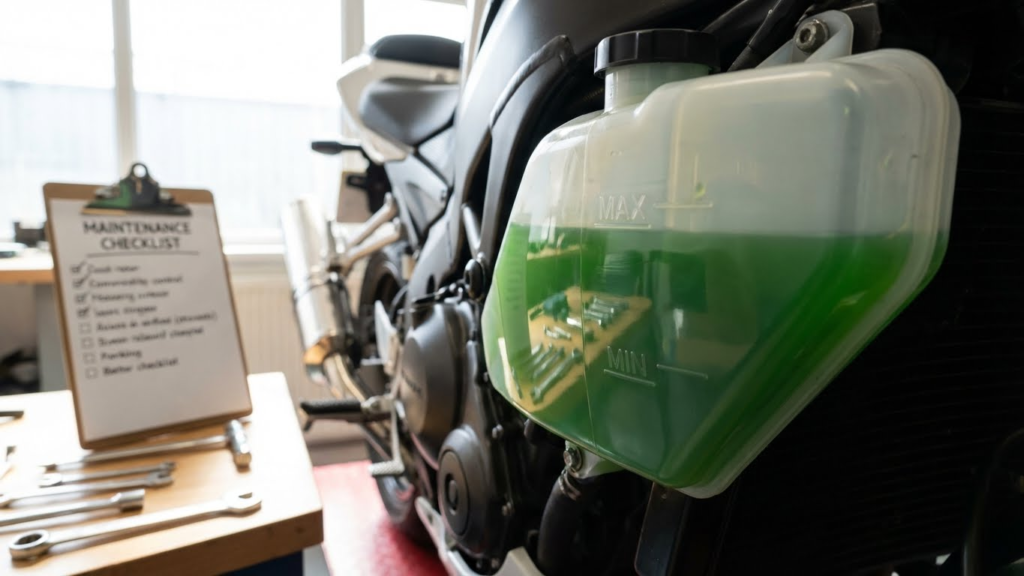
I recommend following the bike maker’s schedule, watch for visible coolant problems, and adjust for how and where you ride. Change intervals usually fall between 2 and 5 years depending on coolant type and use.
Manufacturer Guidelines
I always check the owner’s manual first because each maker specifies the exact coolant type and interval for that model. Many manuals list a replacement every 24 months or 24,000 miles for standard ethylene-glycol formulas.
Some manufacturers approve long-life OAT or hybrid coolants that claim 3–5 years or up to about 50,000 miles. Use only the coolant grade and mixture ratio the manual names; mixing incompatible types can harm seals and cooling passages.
If the manual gives a service interval, I stick to it even if the coolant looks clear. When a dealer service record shows a different fluid was used previously, I treat the system as needing a fresh flush and correct fluid swap.
Signs Coolant Should Be Changed
I change coolant immediately if it looks cloudy, brown, or has visible rust flakes. These signs show corrosion or contamination that can clog passages and raise engine temperature.
I also replace coolant if I find oil mixed in the coolant, which indicates a head gasket or other internal leak. A sweet or unusual smell, or a drop in cooling performance and frequent overheating, are other red flags.
I test coolant strength with a refractometer or hydrometer during routine checks. If the freeze/boil protection falls below spec, I drain and refill. Even without visible issues, I replace coolant by the manufacturer interval to protect the system.
Impact of Riding Conditions
I shorten coolant intervals when I ride in hot climates, tow heavy loads, or do long highway trips often. Higher sustained engine temps accelerate coolant breakdown and increase corrosion risk.
Frequent short rides and stop-and-go city use can also trap moisture in the cooling system and lower corrosion inhibitors faster.
If I ride in dusty, salty, or humid environments, I inspect the cooling system more often and consider a 1–2 year interval. For mostly temperate, low-stress riding and when using long-life coolant, I may follow the longer 3–5 year interval the manufacturer permits.
Why Replacing Motorcycle Coolant Matters
Replacing coolant keeps the engine temperature stable, prevents corrosion, and protects the radiator, hoses, and water pump. I focus on practical risks and what can fail if coolant is old or contaminated.
Preventing Engine Damage
Old coolant loses its anti-corrosion and anti-freeze additives. I’ve seen engines corrode internally when coolant sits too long; corrosion can score cylinder walls, plug coolant passages, and ruin head gaskets. Contaminated coolant can also cause hot spots by failing to transfer heat, which raises combustion chamber temperatures and increases the chance of pre-ignition or warped metal.
Drain and inspect coolant at least every two years or per the manual. If coolant looks brown, milky, or has particles, flush immediately. For more on corrosion and coolant chemistry, I use technical guidance from the manufacturer’s service manual and reference pages like the EPA coolant safety and handling recommendations.
Maintaining Optimal Performance
Coolant that has lost performance leads to higher running temperatures and reduced fuel efficiency. I monitor operating temps on long rides; a steady rise in temperature under load often points to degraded coolant or trapped air in the system. Properly mixed coolant and distilled water keep boiling and freezing points where they should be, so the engine runs within design limits.
A cooling system that maintains stable temps helps spark timing and fuel maps work as designed. That keeps power delivery smooth and prevents the ECU or rider from needing to compensate. For correct coolant types and concentration, I check the motorcycle manual and reputable parts suppliers to match OEM specs.
Protecting Cooling System Components
Radiators, hoses, clamps, and water pumps wear faster when coolant breaks down. I’ve replaced weak hoses that swelled from acidic coolant and water pumps with pitted impellers after prolonged exposure to degraded fluid. Additives prevent cavitation and erosion in the pump and keep seals from shrinking or hardening.
Regular coolant changes remove scale and deposits that clog radiator fins and heater cores. I recommend examining hoses and the radiator during a coolant service. If you want manufacturer guidance on service intervals and compatible coolants, the motorcycle maker’s service manual and OEM coolant charts offer the most reliable specs.
Types of Motorcycle Coolant and Their Lifespans
I’ll explain the common coolant types, their typical service intervals, and practical notes about mixing and buying. Focus on how long each coolant actually lasts and what that means for maintenance.
Conventional Coolant
Conventional coolant usually contains ethylene glycol with inorganic additives (IAT). I use this type mainly when a bike’s service manual calls for a basic antifreeze or on older machines. Typical life is about 2 years or roughly 24,000 miles, whichever comes first. That interval matches many mechanic recommendations and manufacturer service charts.
Conventional formulas protect against corrosion but exhaust their additives faster than modern blends. I check for rust-colored residue, a sour smell, or loss of freeze/boil protection to decide on earlier replacement. If the bike leaks or runs in very hot or cold climates, I replace it sooner.
Extended-Life Coolant
Extended-life coolants use OAT (organic acid technology) or HOAT blends. I choose these when the manual allows long-life fluids or when long service intervals matter. These coolants often claim 3–5 years or up to 50,000 miles of protection.
They resist acid build-up and need less frequent changes, but they’re not universal. I never mix OAT with IAT without flushing the system first because mixing reduces corrosion protection. For bikes with aluminum heads or mixed-metal cooling systems, I follow the maker’s spec and test coolant condition at service intervals.
Premixed vs. Concentrate
Premixed coolant comes ready to pour, usually 50/50 antifreeze and distilled water. I like premixed for simplicity and consistent freeze/boil protection. It avoids mistakes with tap water and saves time.
Concentrate requires mixing with distilled water before use. It lets me tailor freeze protection for extreme climates or top off with the correct ratio. When I mix, I measure carefully and use a 50/50 ratio unless the manual specifies otherwise.
Both premixed and concentrate use the same additive chemistries (IAT, OAT, HOAT). The lifespan depends on additive type, not the packaging. I always note the fluid type and date on the coolant reservoir after a change.
How to Check Motorcycle Coolant Condition
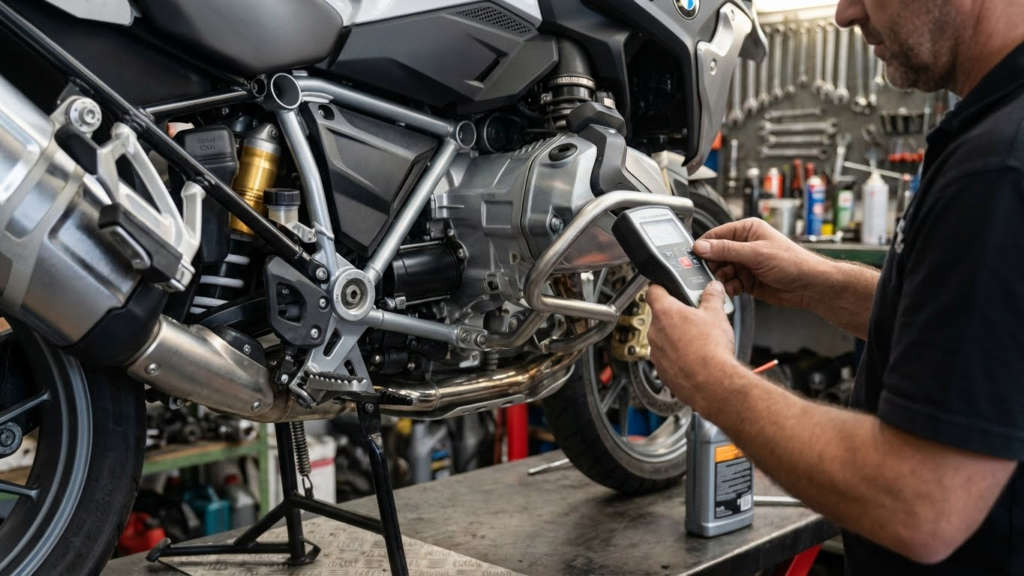
I check coolant by inspecting the reservoir and radiator, using simple tools, and noting color and clarity. These quick steps tell me if the coolant still protects against freezing, boiling, and corrosion.
Visual Inspection
I start when the engine is completely cool to avoid burns. I locate the coolant reservoir or radiator cap and look for the level between the MIN and MAX marks. If the level is low, I top up with the correct coolant type, then inspect for leaks under the bike or wet spots around hoses, clamps, and the water pump.
I also look for foam, oil film, or rust flakes in the reservoir. Any of these signs means I plan a full system flush and further diagnosis. I take photos if I need to show a mechanic.
Coolant Tester Tools
I use a coolant tester to check freeze and boil protection and a refractometer or test strip for concentration. A simple hydrometer or tester strip shows freeze-point and corrosion inhibitor levels in seconds.
I follow the tool instructions and test a sample taken from the reservoir. If the tester reads below the recommended protection (check my owner’s manual for values), I replace or dilute the coolant accordingly. I keep testers in my tool kit for periodic checks every 6–12 months or before long trips.
Coolant Color and Clarity
I expect coolant to be bright and clear according to its type: green (ethylene glycol), orange/pink (OAT), or other manufacturer colors. Clear and consistent color usually means the coolant is fine. Cloudy, brown, or murky fluid, or visible particles, signals contamination or corrosion.
If I see oil contamination (milky, tan color) I suspect a head gasket or engine issue and stop riding until I get the bike checked. If the coolant has lost color or looks diluted, I plan a full drain and replacement with the correct coolant specified in my manual.
Step-by-Step Guide to Replacing Motorcycle Coolant
I’ll walk you through the exact supplies, how to drain old fluid, how to flush the system if needed, and how to refill and remove air. Follow safety steps, work on a cool engine, and catch or dispose of fluid properly.
Required Supplies and Tools
I gather these items before starting: the correct motorcycle coolant (check my owner’s manual), a 50/50 premix or concentrated coolant plus distilled water if needed, and a drain pan that holds at least 2–3 quarts.
I use a set of hand tools: screwdrivers, pliers, and the correct socket for the drain plug and thermostat housing. A funnel and a soft clear hose (for bleeding) help a lot.
I also prepare gloves, safety glasses, rags, and a small stiff brush for hose clamps. A container for used coolant and a lamp or flashlight make the job cleaner and easier. If I plan a flush, I keep distilled water and a radiator-safe flush product (or white vinegar) on hand.
Draining Old Coolant
I let the engine cool fully to avoid burns and pressure release. I place the bike on its center stand or lift so it sits level. I then locate the radiator cap and reservoir cap and remove them to allow draining.
Next I position the drain pan under the radiator drain bolt or lower hose. I loosen the drain bolt or disconnect the lower hose and let the coolant flow out. I open any petcock on the block if present. I move the pan as needed to catch all fluid and tip the bike slightly if the design requires it. I close the drain, reinstall the bolt or hose clamp, and wipe spills. I dispose of the old coolant at a recycling center or hazardous-waste site.
Flushing the Cooling System
If the coolant is rusty, muddy, or the manual suggests a flush, I flush next. I fill the system with distilled water (or 50/50 vinegar/distilled for heavy scale), run the engine until the thermostat opens and the fan cycles, then let it cool and drain again. This repeats until the drained water runs clear.
I avoid harsh chemicals that can harm aluminum parts. I check hoses and the radiator for debris and gently brush or backflush them if blocked. After the final drain, I leave the drain plug out and tilt the bike to remove trapped pockets, then reinstall the plug and tighten to spec.
Refilling and Bleeding Air
I mix coolant to the correct ratio if using concentrated fluid, or use premix to avoid errors. I pour coolant slowly into the radiator or reservoir until near the full mark, leaving space for expansion. I start the engine and keep it at idle with the radiator cap off, watching the coolant level.
I watch for bubbles escaping—this means trapped air is bleeding out. I top up the coolant as necessary while the engine warms and the thermostat cycles. I carefully squeeze heater hoses to help dislodge air pockets. When bubbling stops and level stabilizes, I replace the cap and run the bike for a short ride, then recheck the level and tightness of clamps and the drain plug.
Maintenance Tips to Extend Coolant Life
I focus on simple checks and the right fluids to keep coolant working longer, avoid corrosion, and prevent overheating.
Regularly Inspecting Hoses and Radiator
I check hoses and the radiator every few thousand miles and before long rides. Look for soft spots, cracks, bulges, or oil/grease that can weaken rubber. Squeeze each hose when the engine is cool; it should feel firm, not mushy. Replace any hose that shows hard, brittle areas or leaks.
Inspect radiator fins for bent or clogged areas. Use compressed air or a soft brush to clear debris. If I find corrosion, pitting, or a slow leak at a seam, I replace the radiator rather than patching it. A small leak can let air enter the system and shorten coolant life. For torque and clamp checks, refer to the bike manual or a trusted source like manufacturer service pages.
Using the Correct Coolant Type
I always use the coolant type specified in my bike’s owner manual. Different motorcycles require ethylene glycol, propylene glycol, OAT (organic acid technology), or hybrid formulas. Mixing incompatible types can reduce corrosion inhibitors and cause sludge.
Before topping up, I match the coolant color and chemistry. If I can’t confirm the existing type, I drain and flush the system, then refill with the correct new coolant. For exact specs and manufacturer recommendations, I consult the owner manual or the coolant maker’s technical data sheet available on sites like the EPA-approved coolant manufacturers or OEM pages.
Proper Coolant Storage
I store coolant in its original, sealed container at room temperature, away from direct sunlight. Exposure to air and heat degrades inhibitor packages over time. Note the manufacture or expiration date and use older stock first.
Once opened, I use coolant within a year and keep the cap tightly sealed to limit air contact. I avoid transferring coolant to unmarked containers; that risks contamination and wrong chemistry. For safe disposal of old coolant, I follow local hazardous waste rules and guidance from my municipality or an automotive shop.
Consequences of Not Replacing Coolant on Time

If you skip timely coolant changes, you risk engine overheating, internal corrosion, and clogged passages. These problems reduce performance and can lead to expensive repairs I want to help you avoid.
Overheating Risks
If coolant breaks down, it loses its ability to transfer heat and prevent boiling. I’ve seen riders whose bikes ran hotter under load because old coolant no longer kept the engine within safe temperatures. Overheating can warp the cylinder head, damage head gaskets, and shorten the life of bearings and piston rings.
Heat-related damage often shows as loss of power, frequent temperature spikes on the gauge, or a sweet smell from the radiator. I recommend checking coolant condition and temperature behavior before long rides or track days. Addressing a cooling issue early usually prevents the need for major repairs.
Corrosion and Scale Buildup
Coolant additives stop rust and protect aluminum and steel parts inside the cooling system. When those additives deplete, I’ve found corrosion forms on water pump impellers, hoses, and inside the radiator. Metal flakes and rust particles then circulate, causing restricted flow and poor heat transfer.
Scale from mineral deposits can clog narrow passages, heater cores, and thermostat housings. I advise inspecting the radiator and flushing the system when you see discolored coolant or gritty residue. Replacing corroded components and removing scale is often costlier than routine coolant service.
When to Consult a Professional Mechanic
I recommend seeing a mechanic when you spot signs that point beyond a simple coolant change. If you find persistent leaks, overheating that returns after a flush, or coolant that looks oily or rusty, get professional help right away. These can mean head gasket, radiator, or internal engine problems.
If your motorcycle uses a factory-specific coolant type or a long-life formula, I advise following the service schedule in the owner’s manual and letting a pro handle the first few replacements. They can confirm the correct coolant and the right mix, and avoid warranty or compatibility issues.
I also suggest consulting a mechanic if you lack tools or experience for a safe drain and refill. Proper bleeding of air pockets and correct torque on hose clamps matter. A shop can do a pressure test and verify the cooling system works under load.
For complex models or high-mileage bikes, I prefer professional service. Mechanics can spot related issues like worn hoses, failing thermostat, or weak water pump bearings that a simple coolant change won’t fix. Their inspection often prevents bigger failures down the road.
If cost is a concern, ask for an estimate that separates parts and labor. I find clear pricing helps me choose the right level of service without surprises.
FAQs
How often do I change motorcycle coolant?
I follow the owner’s manual first. As a general rule, I change coolant every 2 years or about 24,000 miles unless the maker specifies otherwise.
Can long-life coolant last longer?
Yes. Some long-life or OAT-type coolants can last 3–5 years or up to 50,000 miles. I still inspect the cooling system regularly and replace earlier if I see contamination or corrosion.
What if my bike looks fine and the coolant is clean?
I don’t rely on appearance alone. Coolant can lose corrosion inhibitors even if it looks clear. Time-based changes prevent unseen damage.
Can I mix different coolant types?
I avoid mixing different chemistries (green ethylene glycol with OAT, for example). Mixing can reduce protection and cause deposits. If unsure, flush and refill with the correct type.
How do I check coolant health between changes?
I check level, color, and smell, and look for oil or rust in the reservoir. I also watch engine temps and leaks. A simple test strip or shop test can confirm freeze/boil strength.
Do maintenance conditions change the interval?
Yes. Harsh climates, frequent stop-and-go riding, or heavy towing can shorten coolant life. I shorten intervals when riding or storing the bike under tough conditions.
Should I DIY or use a shop?
I can flush and refill many bikes myself with the right tools and service manual steps. If the system needs flushing, pressure testing, or hose replacement, I go to a shop.
Conclusion
I recommend replacing motorcycle coolant about every two years or 24,000 miles as a general rule. This interval balances corrosion control and heat management for most bikes and coolant types.
I check my owner’s manual first because some manufacturers or long-life coolants call for longer intervals. If I ride in extreme heat, tow, or see signs of contamination, I change it sooner.
I follow proper flush and refill steps to avoid mixing coolant types and to keep the system clean. I also inspect hoses, clamps, and the radiator cap when I service the coolant.
Quick reference:
- Typical interval: 2 years / 24,000 miles
- Long-life coolant: up to 3–5 years (follow manual)
- Change sooner if: contaminated, rusty, leaking, or ridden in extreme conditions
I treat coolant service like routine insurance for the engine. Regular checks and timely changes help prevent overheating and corrosion, and they extend the life of cooling parts.
