Wearing a full face motorcycle helmet that fits just right is vital for your safety and comfort. This guide explains how tight a full face motorcycle helmet should be, helping you avoid common fitting mistakes and ensuring your helmet stays secure without causing discomfort.
Key Takeaways
- Proper Helmet Fit: A full face motorcycle helmet should be snug but not painfully tight to ensure safety and comfort.
- Check Pressure Points: The helmet should apply even pressure around your head, avoiding specific spots that feel too tight.
- Helmet Movement: Your helmet should not move freely when you shake your head but shouldn’t cause headaches.
- Try Before You Buy: Always try helmets on and wear them for at least 15 minutes to assess fit and comfort.
- Strap Adjustment: The chin strap should be snug, allowing only one or two fingers between strap and chin.
- Replace When Needed: Helmets lose fit over time; replace if padding compresses or helmet becomes loose.
- Comfort and Safety Balance: A helmet that’s too loose compromises safety, while one that’s too tight causes discomfort and distraction.
How Tight Should a Full Face Motorcycle Helmet Be?
If you’re a motorcyclist, you know how important it is to wear a full face helmet for protection. But knowing the right fit can be tricky. Too loose, and it won’t protect well. Too tight, and it can hurt and distract you. This guide will teach you exactly how tight a full face motorcycle helmet should be. We’ll cover how to check fit, adjust straps, and ensure comfort without sacrificing safety.
Step 1: Understand Why Helmet Fit Matters
A helmet’s job is to protect your head in case of an accident. If a helmet is too loose, it may shift or come off during a crash. If it’s too tight, it can cause headaches, pressure points, and distract you while riding. The right fit balances firm security with all-day comfort. This is why understanding how tight your helmet should be is crucial.
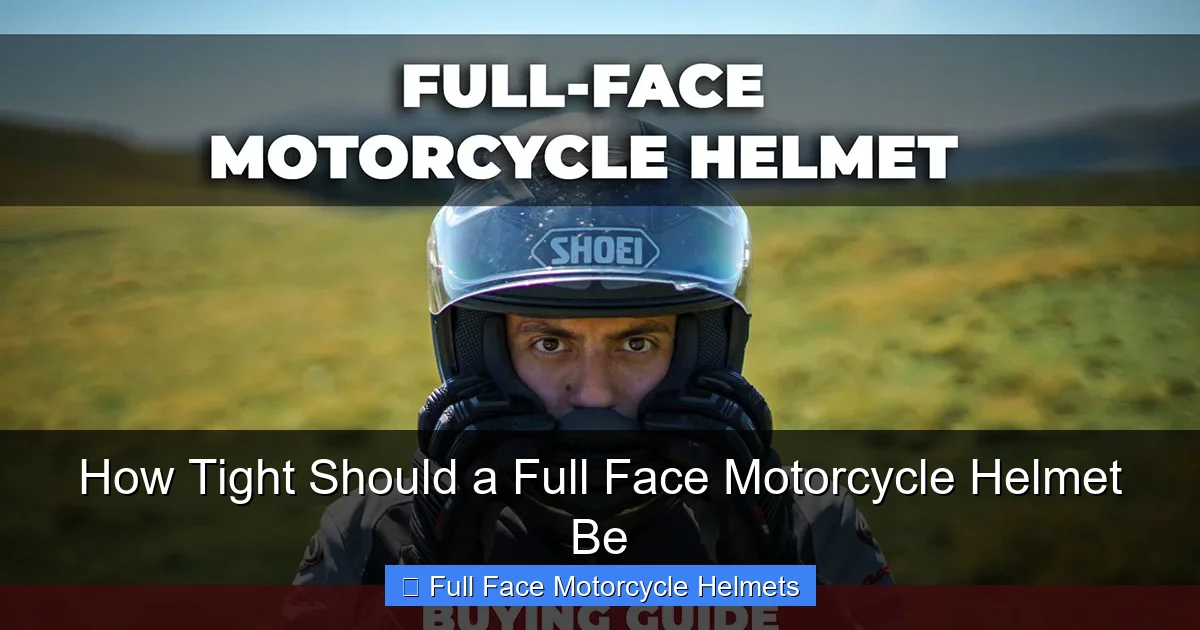
Visual guide about How Tight Should a Full Face Motorcycle Helmet Be
Image source: motofolder.com
Step 2: Measure Your Head Correctly
Use a Soft Tape Measure
Before trying helmets, measure the circumference of your head. Place the tape measure about one inch above your eyebrows and around the widest part of your head. This measurement sets your helmet size range.
Compare with Helmet Size Charts
Helmet brands vary slightly in sizing. Use your measurement to check the brand’s size chart. Order a helmet size closest to your head size for the best starting point.
Step 3: Try On the Helmet
Put It On Properly
Hold the helmet with both hands, placing your thumbs on the back and fingers on the front. Pull the helmet over your head, avoiding twisting or forcing it. It should slide on with some resistance but not be painful.
Check Initial Fit
- The helmet should feel snug all around your head.
- You should feel gentle pressure on your cheeks and forehead.
- There should be no gaps between your head and the helmet padding.
Step 4: Assess Helmet Tightness
Perform the Roll Test
Try rolling the helmet side to side and front to back. It should move your skin slightly but not slide freely. If it moves easily, it’s too loose.
Shake Your Head
Shake your head gently from side to side and up and down. The helmet should stay in place without shifting or lifting.
Check for Pressure Points
Wear the helmet for 10-15 minutes. If you notice intense pressure spots or headaches, it’s probably too tight in those areas. Some mild pressure is normal but pain is not.
Step 5: Adjust the Chin Strap
Secure the Chin Strap Firmly
The chin strap keeps your helmet secure. Fasten it so it is snug but not choking. You should be able to fit one or two fingers between the strap and your chin comfortably.
Check Strap Comfort
Make sure the strap doesn’t rub or pinch your skin. Adjust padding or strap length as needed.
Step 6: Wear the Helmet for a Test Ride
If possible, wear the helmet on a short test ride. Notice if it shifts, causes discomfort, or distracts you. A properly tight helmet should feel secure and comfortable during riding.
Step 7: Troubleshooting Helmet Fit Issues
Helmet Feels Too Loose
- Try smaller size or different brand.
- Consider adding thicker cheek pads or liner inserts.
- Check if the chin strap is fastened tightly.
Helmet Feels Too Tight
- Try a larger size or different helmet shape.
- Break in the helmet padding gradually by wearing it indoors.
- Make sure you are not forcing the helmet on incorrectly.
Helmet Causes Pressure Points or Headaches
- Check if the helmet matches your head shape (round, oval, intermediate oval).
- Use helmet pads or liners to relieve pressure.
- Avoid wearing the helmet for long periods without breaks initially.
Step 8: Maintain Your Helmet for Consistent Fit
Over time, helmet padding wears down and compresses. This can make your helmet fit looser than when new. Regularly inspect your helmet’s interior. Replace pads as needed. If the helmet becomes loose despite adjustments, it may be time to get a new one.
Additional Tips for Finding the Perfect Fit
- Try Multiple Brands: Different brands fit different head shapes better.
- Wear Your Typical Riding Gear: Try the helmet on with any glasses or balaclavas you normally wear.
- Don’t Rush: Spend time wearing the helmet before buying, if possible.
- Consult Experts: Ask staff at motorcycle shops for help with fitting.
Conclusion
Knowing how tight a full face motorcycle helmet should be is key to staying safe and comfortable on the road. Your helmet should feel snug and secure, with no excessive pressure or pain. Take your time measuring, trying on, and adjusting your helmet. Remember, a well-fitted helmet protects better and makes every ride more enjoyable. Stay safe and ride smart!
🎥 Related Video: Seven rules for choosing a comfortable bike helmet – Sportsbikeshop
📺 SPORTSBIKESHOP.co.uk
Never had an uncomfortable, ill-fitting bike helmet? Count yourself luckier than a hedgehog that’s survived an hour sitting in the …
