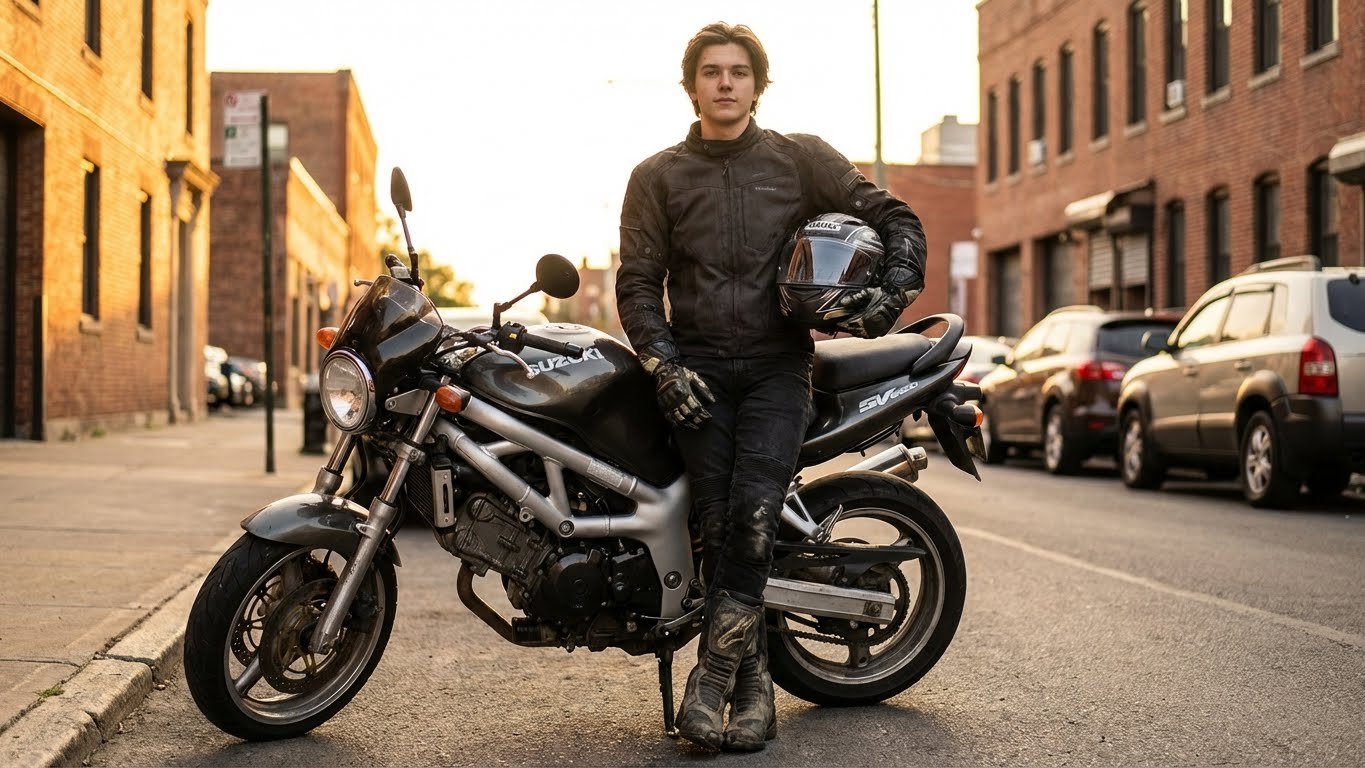
Buying motorcycle gear on a budget is possible without sacrificing safety or quality. Many riders spend most of their money on the bike itself, leaving little for gear. The key is to focus on essential items first and look for reliable options that offer good protection at lower prices.
Smart shopping, like comparing brands and checking for sales or used gear, can help reduce costs. Understanding what gear is truly necessary allows riders to avoid overspending on extras that aren’t as important.
By planning purchases carefully and knowing where to find affordable but safe gear, riders can stay protected without breaking the bank. This approach supports building a solid gear collection over time within a manageable budget.
Key Takeways
- Prioritize essential gear that ensures safety first.
- Look for deals and trusted budget-friendly brands.
- Build and upgrade gear gradually to spread out costs.
Setting a Realistic Motorcycle Gear Budget
Budgeting for motorcycle gear requires a clear understanding of how much money can be spent without overshooting. It also means deciding which items are vital for safety and comfort during rides. Breaking down finances and setting priorities help riders make informed choices that fit their needs and wallets.
Assessing Your Financial Limits
The first step is figuring out the maximum amount available to spend on gear without causing financial strain. This involves reviewing monthly income and expenses to identify surplus funds that can be safely dedicated to gear purchases. Setting a firm number, such as $300 or $500, helps narrow down options and prevent impulse buys.
If the budget is tight, it can help to spread out purchases over time. Focus on acquiring key items initially, then add less urgent gear later. For more tips on managing motorcycle expenses, riders can check resources like the American Motorcyclist Association for budgeting advice.
Prioritizing Gear Essentials
Not every piece of gear has the same impact on safety. Helmets should take the highest priority because they protect the head in accidents. A good helmet usually starts around $100 and can go much higher for advanced models. After that, jackets with protective padding and durable gloves come next in importance.
Riders should create a list that ranks gear by necessity:
- Helmet
- Jacket
- Gloves
- Riding pants or jeans with armor
- Boots
Spending more on items that provide the most safety benefit is wise. Budget gear guides, like ones found at Motorcycle Safety Foundation, can provide helpful advice on getting essential gear without overspending.
Researching Essential Motorcycle Gear
Knowing what to focus on when buying motorcycle gear helps riders spend smartly and stay safe. Key areas include understanding helmet safety features, picking the right protective jacket, and choosing gloves and boots that offer both protection and comfort.
Helmet Safety Standards
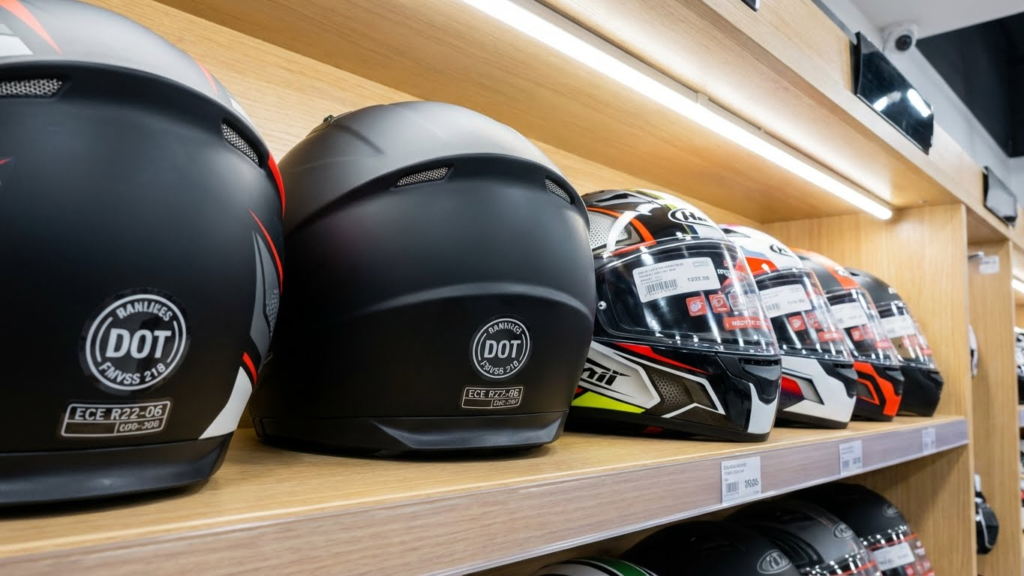
The helmet is the most critical piece of gear for rider safety. It must meet recognized safety standards such as DOT (Department of Transportation), ECE (Economic Commission for Europe), or Snell certification. These standards test impact resistance, penetration, and retention system strength.
A helmet should fit snugly without pressure points, covering the head fully. Lightweight materials like polycarbonate or fiberglass offer good protection while being comfortable for long rides. Look for helmets with effective ventilation and a clear visor to improve rider visibility.
Affordable helmets meeting these safety standards are available from reputable brands. Riders can compare prices and reviews at sites like the Snell Memorial Foundation to ensure they buy a certified, reliable helmet.
Choosing Protective Jackets
Protective motorcycle jackets are designed to shield the rider’s upper body from injury and weather. Jackets made of abrasion-resistant materials such as leather or reinforced textile are best. Many include armor padding on key areas like elbows, shoulders, and back.
A good jacket fits well to avoid shifting during a ride but leaves freedom to move. Features like ventilation zippers and waterproof liners add comfort in different weather conditions.
Buying a jacket on a budget means prioritizing safety features over extra accessories. Some brands offer jackets labeled as CE-approved, meaning their armor meets European safety standards. Value shopping sites and outlets can be useful for finding safe yet affordable jackets.
Selecting Gloves and Boots
Gloves protect hands from abrasion and impact. Look for gloves with reinforced knuckles, padded palms, and secure wrist closures. Materials like leather or textile with leather palms are common for durability and grip.
Boots designed for motorcycling support ankles and protect feet with tough soles and reinforced toes. Non-slip, oil-resistant soles improve safety when stopping or walking on slippery surfaces. Boots should allow comfortable movement but remain firm enough to protect against crashes.
Both gloves and boots must balance protection, fit, and comfort. Lower-priced options can still meet safety standards if riders check for quality materials and strong construction. Trusted retailers and reviews from motorcycle gear sites help identify reliable, budget-friendly gloves and boots.
Finding Quality Gear at Low Prices
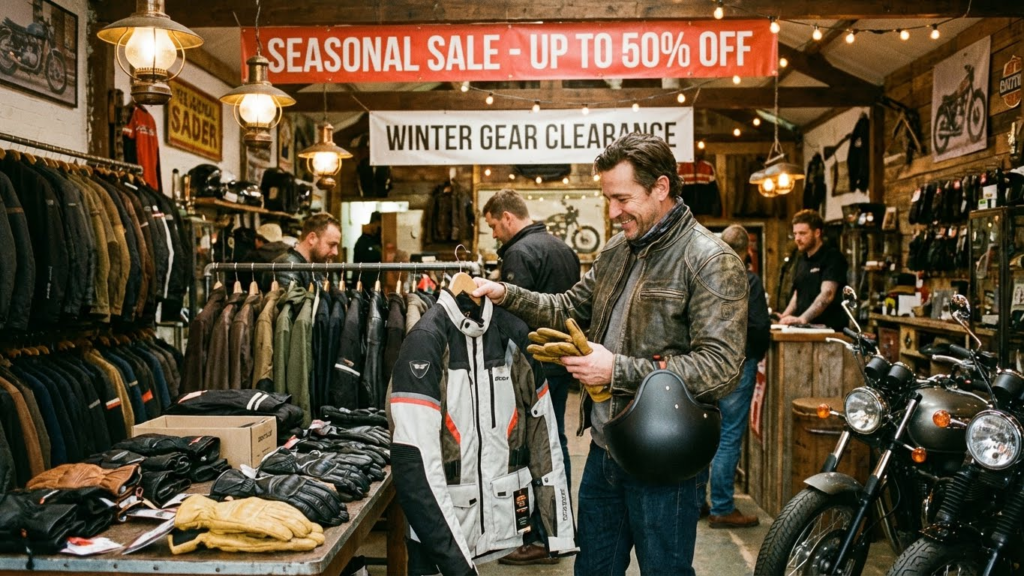
Finding affordable motorcycle gear means knowing where to look and when to buy. Riders can save money by weighing options between different sellers, taking advantage of sales, and considering used items that still meet safety standards.
Comparing Online and Local Retailers
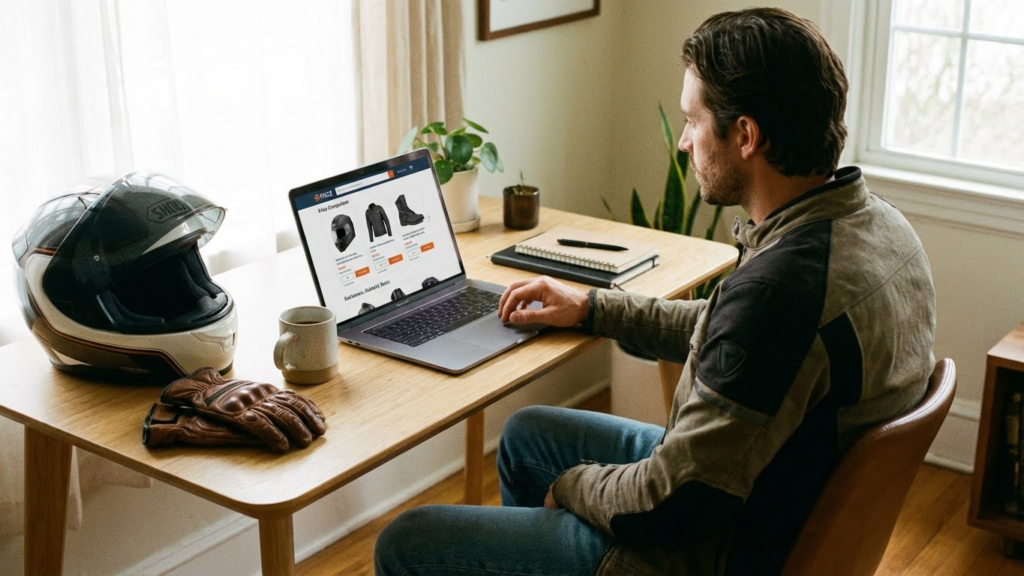
Online stores often have wider selections and lower prices because they don’t have the same overhead as physical shops. Websites like RevZilla or Cycle Gear offer detailed reviews, making it easier to find well-rated gear on sale. However, local retailers let buyers try gear on for fit and comfort, which is essential for safety.
Local shops sometimes offer in-store discounts and personalized advice. Checking both options saves time and money. When shopping online, looking for free shipping or return policies helps avoid extra costs. Comparing prices on multiple sites before buying can uncover better deals on helmets, jackets, and gloves.
Utilizing Seasonal Sales and Discounts
Seasonal sales are key times to get quality gear at lower prices. Retailers usually discount items at the end of riding season or around major holidays like Black Friday or Memorial Day. Signing up for store newsletters alerts riders to exclusive deals.
Many brands also offer clearance sales on last year’s models, which still meet safety standards but cost less. Using coupon codes or cashback apps adds extra savings. It’s smart to plan purchases around these sales to get gear like armored jackets or boots without paying full price.
Exploring Secondhand Marketplaces
Buying used gear can cut costs significantly if done carefully. Platforms like eBay, Craigslist, and specialized motorcycle forums have listings for helmets, jackets, and more. It’s important to check the condition closely—avoid gear with damage or expired safety ratings.
Helmets, for example, should never have been in a crash because their protective function might be compromised. Asking for detailed photos and the item’s history helps ensure safety. Secondhand gear is a smart choice for beginners or those on a tight budget, but safety should always come first.
For more tips on safe purchases, riders can visit the Helmet Safety Institute for guidelines on choosing protective headgear.
Evaluating Value Versus Price
Buying motorcycle gear on a budget requires careful attention to what the gear offers beyond just its price tag. Understanding product quality, condition, and the flexibility of the purchase agreement helps ensure safety and satisfaction while saving money.
Reading Reviews and Ratings
Reviews and ratings provide insight into the real-world performance of motorcycle gear. Buyers should look for detailed feedback on durability, comfort, and protection levels. Products with consistent positive comments on these factors typically offer better value.
Focus on recent reviews to catch current manufacturing standards or changes in design. Pay attention to common issues like poor fit, weak stitching, or lack of ventilation, which might indicate hidden costs later. Ratings from verified buyers provide more dependable information than anonymous comments.
Comparing expert reviews to user experiences can help balance technical specs with practical use. Gear that scores high on safety certifications and user comfort should rank higher in value, even if it costs more upfront.
Inspecting for Wear and Tear
When buying used or discounted gear, inspecting for wear and tear is critical. Look closely at seams, zippers, and protective pads for signs of damage or heavy use, which can compromise safety.
Check for faded or cracked materials, which lower durability. Gloves should still have flexible fingers and good grip; helmets must be free of cracks inside and out. Any damage to protective elements like armor or padding reduces the gear’s effectiveness.
If possible, try the gear on to evaluate fit and flexibility. Ill-fitting equipment can reduce safety and comfort while riding. Minor wear might be acceptable if it doesn’t affect protection, but major damage should be a red flag.
Understanding Return Policies
Return policies are an important part of evaluating gear value, especially when buying online or second-hand. Clear policies give buyers the option to return items that do not fit or meet expectations.
Check the time limits on returns and whether the seller requires original packaging or tags. Some policies exclude used gear or only offer store credit, which affects potential recovery of money.
Knowing if there are restocking fees or shipping costs for returns is also key. Flexible and buyer-friendly return policies reduce financial risk and make purchasing budget gear less stressful and more reliable.
Saving Money Without Compromising Safety
Buying motorcycle gear on a budget means focusing on what truly matters. Prioritizing essential safety features and steering clear of fake products help riders get good protection without spending too much.
Recognizing Must-Have Features
Riders should look for gear that meets safety standards like DOT, ECE, or Snell for helmets and CE certification for armor. These marks show the gear has been tested for impact resistance.
Key features to check include:
- Helmet: A strong shell, inner padding, and secure straps.
- Jacket and pants: Abrasion-resistant fabric like leather or reinforced textiles.
- Gloves: Protection for knuckles and palms with good grip.
- Boots: Sturdy soles and ankle support.
Comfort is important but should not replace protection. Proper fit ensures the gear stays in place during a fall. Spending a bit more on certified gear saves money and injury risk later.
Avoiding Counterfeit Products
Fake motorcycle gear often looks real but lacks proper safety. These knockoffs use cheap materials and miss certification marks.
To avoid counterfeits:
- Buy from official stores or trusted dealers.
- Check labels and certifications thoroughly.
- Avoid deals that seem too good to be true, especially online.
- Research product reviews and serial numbers when possible.
Fake gear might cost less but offers little safety. It puts riders at serious risk and wastes money in the long run. Sticking to verified sellers and authentic products ensures protection without extra cost from injuries or replacements.
Maximizing Gear Longevity on a Budget
Taking care of motorcycle gear properly helps it last longer and saves money. Regular cleaning, maintenance, and correct storage prevent damage and keep gear effective over time.
Cleaning and Maintaining Gear
Regular cleaning removes dirt, sweat, and grime that can wear down materials. For helmets, use mild soap and water to clean the outer shell and visor. Avoid harsh chemicals that can damage coatings.
Leather jackets and gloves need conditioning to prevent cracking. Use leather cleaner followed by conditioner every few months. Textile gear usually requires machine washing on a gentle cycle, inside a laundry bag, using mild detergent. Check manufacturer instructions before washing.
Inspect all gear regularly for signs of wear, like loose stitching or cracked armor. Repair small problems early to avoid costly replacements. Replace foam and padding if compressed or damaged because they lose protective ability.
Proper Storage Techniques
Store gear in a cool, dry place away from direct sunlight. Heat and UV rays cause fading and weaken fabrics and plastics. Avoid damp areas since moisture encourages mold and mildew.
Use helmet bags or cloth covers to keep dust off helmets. Jackets and suits should be hung on wide, padded hangers. This prevents shoulder deformation and fabric stretching.
Avoid stacking heavy items on gear to protect armor and padding shape. Keeping boots upright or using boot trees helps maintain their form. Proper storage reduces wear and keeps gear ready for safe use.
Upgrading Gear Over Time
Buying all motorcycle gear at once can be expensive. Many riders find it better to upgrade their gear step-by-step. This approach helps spread out costs and ensures they get what they need most first.
A good way to start is by focusing on essential items like a helmet, gloves, and a protective jacket. These offer the most safety on the road. Once these basics are covered, riders can upgrade or add gear based on budget and riding style.
Riders should prioritize upgrades in this order:
- Helmet (always replace if damaged or old)
- Gloves (better fit and protection)
- Jacket and pants (with impact-rated protectors)
- Boots (to protect feet and ankles)
- Additional gear like high-visibility vests or airbags if possible
Buying used gear is also an option for saving money. However, it is important to check the gear’s condition carefully. Fit and safety must not be compromised.
Upgrading over time lets riders test different gear and decide what suits them best. They can invest more in items that provide extra comfort or features. This method prevents spending too much too soon and encourages smarter purchases.
Using a budget and prioritizing the most important pieces first creates a safer and more comfortable riding experience that grows with the rider.
Leveraging Community Resources
Using local and online communities can help riders find affordable motorcycle gear. Networking with others opens the door to deals and opportunities that are not always available in stores.
Joining Rider Groups
Rider groups, both online and local, are great for finding used and discounted gear. Members often sell or trade helmets, jackets, gloves, and other equipment at lower prices than retail. These groups also provide honest advice about trustworthy brands and good deals.
Many rider clubs host forums or Facebook groups where members post items for sale. Engaging with these communities can give early warnings about sales or exclusive offers. Plus, some groups organize gear swaps only for members.
Joining is usually free and only takes a few minutes to sign up. The key is to be active, ask questions, and build trust within the group to access the best bargains.
Attending Swap Meets and Events
Motorcycle swap meets and events offer chances to buy quality gear at lower prices. These gatherings bring together sellers and buyers, often including used gear in good condition.
At these events, people sell helmets, jackets, boots, and more, sometimes at half or less of retail prices. Shoppers can inspect items in person to check fit and condition before buying.
Events often happen seasonally or regionally, so checking local motorcycle shops or websites for schedules is helpful. Bringing cash and a list of needed items can make shopping more efficient and productive.
Swap meets are also good places to meet experienced riders who can recommend reliable gear brands and sellers.
FAQs
What gear is most important for a beginner on a budget?
The essentials include a DOT-approved helmet, a durable jacket with armor, and abrasion-resistant pants. These items offer the best protection without overspending. Gloves and boots should also be considered soon after.
Is it safe to buy used motorcycle gear?
Used gear can be safe if it is checked carefully. It is important to inspect for damage, wear, and fit. Buying from trusted sellers or stores that specialize in used gear helps ensure quality.
Can cheap gear provide adequate protection?
Cheap gear is often less protective. However, some affordable options still meet safety standards. It’s better to spend on key items like a helmet and jacket than to buy all gear cheaply without safety features.
Where can someone find budget-friendly motorcycle gear?
Budget gear can be found at online retailers, outlet stores, and during sales events. Thrift shops and used gear websites are good places to check as well.
How much should one expect to spend on basic gear?
A good helmet may cost between $200 and $500. Jackets and pants vary, but finding deals or buying used can lower prices. Prioritizing safety helps riders get the right gear without overspending.
Conclusion
Finding the right motorcycle gear on a budget is possible with careful planning. Riders should focus on gear that offers key safety features without overspending. Quality materials and proper fit are more important than brand names.
They can compare prices from multiple sellers and look for sales or discounts. Buying used gear in good condition is another way to save money while maintaining protection.
It helps to make a list of priorities before shopping. For example:
- Helmet with proper safety certification
- Durable jacket with armor
- Gloves that offer good grip and protection
Balancing safety, comfort, and cost allows riders to get gear that fits their needs and budget.
Investing in essential gear does not mean breaking the bank. It means making thoughtful choices to stay protected on the road. Smart shopping helps riders stay safe without spending too much.
