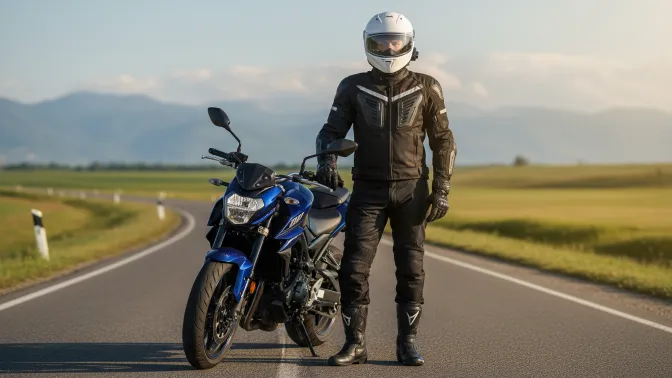
Choosing the right motorcycle gear can feel overwhelming when you’re just starting out. You need equipment that protects you, keeps you comfortable, and fits your budget. The key is to focus on essential items like a certified helmet, protective jacket and pants, sturdy gloves, and reliable boots that fit well and meet safety standards.
Not all gear is the same, so taking time to understand what suits your riding style and conditions is important. I’ve seen many new riders make mistakes by rushing to buy the cheapest options or ignoring fit and comfort. With the right approach, you can find gear that helps you stay safe and enjoy the ride from the very beginning.
This guide will break down what gear every beginner needs and how to pick the best options without stress. I’ll also share tips to avoid common errors and explain how investing in good gear pays off in safety and confidence.
Key Takeways
- Safety and comfort come first when choosing gear.
- Fit and quality matter more than flashy looks or low prices.
- Start with essentials before upgrading your gear over time.
Understanding the Importance of Motorcycle Gear
Choosing the right motorcycle gear is key to staying safe, following laws, and staying comfortable no matter the weather. Each piece you wear plays a specific role in protecting your body and helping you focus on riding without distractions.
Safety Benefits
Motorcycle gear is designed to protect you from injuries during crashes or falls. Helmets are the most important because they protect your brain. I always pick helmets with good safety ratings like DOT or ECE to make sure they meet strict standards.
Jackets and pants with padding or armor protect your skin from road rash and impact. Gloves guard your hands, which are often the first part to hit the ground. Boots support your ankles and protect your feet from injury. Wearing all these reduces the chance of serious harm if you fall or get hit.
Good gear also improves your visibility. Bright colors and reflective materials help other drivers see you better, especially at night.
Legal Requirements
Different places have varied laws about motorcycle gear, so I check local rules before riding. Most areas require helmets by law. Failing to wear one can result in fines or penalties.
Some states also demand certain types of helmets that meet safety standards. Others might require specific protective clothing or eye protection.
It is important to know these rules because breaking them can hurt your insurance or legal claims after an accident. Wearing the right gear also shows responsibility and respect for the law.
Weather Protection
Riding exposes you to rain, wind, cold, and heat. Quality gear shields you from these elements. Jackets and pants made from waterproof or breathable materials keep you dry and comfortable.
In cold weather, layered gear traps heat and blocks wind. In hot conditions, ventilated gear lets air flow to prevent overheating.
Eye protection like goggles or helmet visors stops dust, bugs, and rain from blurring your vision. Proper gloves and boots keep your fingers and toes warm or dry, which helps maintain control over the bike.
Choosing gear made for your local climate makes riding safer and more enjoyable.
Essential Gear Checklist for Beginners
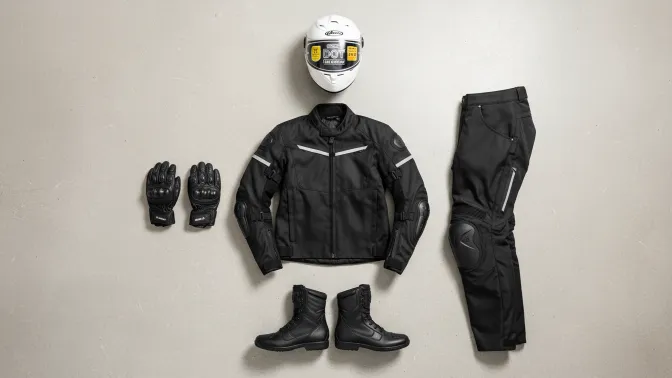
Choosing the right motorcycle gear means focusing on safety, protection, and comfort. Every piece must fit well and meet safety standards to protect me from impacts and weather. The gear I pick should last long and suit the type of riding I plan to do.
Helmets
The helmet is the most important gear I invest in. It must fit snugly but not be too tight. I look for helmets that meet safety certifications like DOT, ECE, or Snell. These ensure the helmet can absorb impacts and protect my head.
Full-face helmets offer the best protection because they cover my entire head and face. They also help keep wind, rain, and debris out. Some helmets come with ventilation, which keeps me comfortable during long rides.
I also check for good visibility and a clear visor. Anti-fog and scratch-resistant features make a helmet more practical. A proper helmet is non-negotiable for my safety. More details about helmet safety can be found on the Helmet Safety Institute website.
Jackets
A good motorcycle jacket protects my upper body from abrasion and weather. Jackets made from leather or high-quality textile materials are best. Leather is very durable but can be heavier and warmer.
I look for jackets with built-in armor at the shoulders, elbows, and back. This armor absorbs impact in a crash. Jackets with ventilation help me stay cool, while waterproof panels keep me dry.
Visibility is also important; some jackets include reflective strips for riding at night. Fit is key too — it should be snug but allow freedom of movement. A jacket that zips securely and doesn’t flap in the wind adds comfort.
Gloves
Gloves protect my hands from injuries, cold, and weather. I choose gloves made from durable materials like leather or textile designed for riding. Padding or armor on the knuckles and fingers adds an extra layer of protection.
Gloves must fit well to maintain grip and control without being tight or loose. For colder weather, insulated gloves keep my hands warm. Ventilated gloves work better in the heat to prevent sweating.
I prefer gloves with reinforced palms for better grip on the throttle and brakes. Also, gloves that are compatible with touchscreen devices can be very convenient.
Pants
Motorcycle pants must offer protection and comfort. Like jackets, pants made from leather or tough textiles with armor at the knees and hips reduce risk during a fall. Some pants come with removable liners for warmth or rain resistance.
Fit is important to avoid riding discomfort or slipping protection. I look for pants with stretch panels for flexibility and pockets for convenience. Reflective elements on pants improve visibility after dark.
Riding jeans with Kevlar reinforcement are a good option for casual riding but should still include armor for impact protection. Find more on how to pick gear at sites like the Motorcycle Safety Foundation.
Choosing the Right Helmet
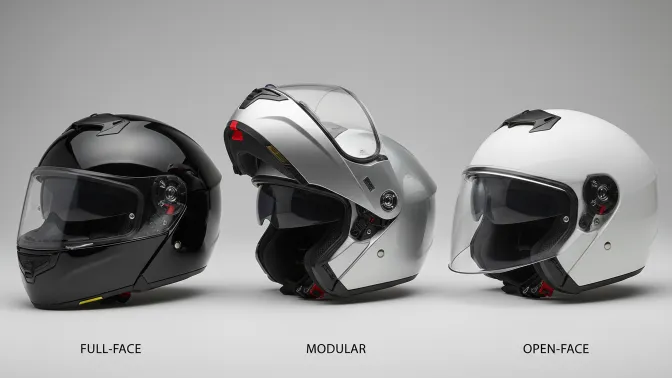
Picking the right motorcycle helmet means understanding helmet types, how the helmet should fit, and what safety standards it meets. Each part plays a key role in protecting your head and making your rides comfortable and safe.
Helmet Types
There are mainly three types of helmets beginner riders should consider: full-face, modular, and open-face. Full-face helmets cover your entire head and face, offering the best protection against impacts, wind, and debris. Modular helmets can flip up the chin bar, combining protection with convenience if you want to talk or eat without removing your helmet. Open-face helmets cover just the top and sides of your head but leave your face exposed.
I recommend full-face helmets for beginners because they provide the most safety. However, if you ride mostly in hot weather or want more airflow, modular helmets are a good balance. Make sure to consider what suits your type of riding and climate.
You can find detailed info on helmet styles and uses on The Helmet Center’s website.
Fit and Sizing
Fit is the most important factor when choosing a helmet. A helmet too loose won’t protect well in a crash, and one too tight will make your head hurt. Measure your head’s circumference with a tape measure just above your eyebrows and compare it to the helmet size chart.
When trying helmets on, they should feel snug but not painful. The padding inside should press evenly all around your head. Move your head side to side and up and down—good helmets should stay in place without shifting. If the helmet moves too much, try a smaller size or a different brand because helmet shapes vary.
Every brand fits differently, so always test multiple helmets. For more on proper fitment, I recommend the guidelines shared by The Motorcycle Safety Foundation.
Safety Ratings
Helmets must meet certain safety standards to be reliable in crashes. Look for helmets certified by organizations like DOT, ECE, or Snell. The DOT (Department of Transportation) rating is required in the US and means the helmet passes minimum safety tests.
ECE (Economic Commission for Europe) is widely used worldwide and has stricter standards than DOT. Snell is a voluntary certification with rigorous testing, often used in racing helmets. For beginners, a helmet with at least DOT certification is necessary, but ECE or Snell certifications add extra peace of mind.
Pay attention to the helmet’s manufacture date too. Helmets should be replaced after 5 years or after any serious impact because materials can weaken over time. Check for certification stickers on the back when shopping, as they confirm safety compliance.
Selecting Protective Jackets and Pants
Choosing the right jackets and pants means focusing on how well they protect, how comfortable they are, and if they can handle different weather conditions. Each part plays a big role in keeping me safe and making sure I enjoy riding no matter the road or weather.
Materials and Armor
When I pick a jacket or pants, I always check the materials first. Leather is very tough and good at resisting road rash, but newer textiles like Cordura or Kevlar blends are lighter and still strong. These fabrics often have built-in abrasion resistance, which is crucial if I ever slide on the road.
Armor is a must. I look for CE Level 2 armor in key areas like shoulders, elbows, knees, and spine. This armor absorbs impact better during crashes. Some gear has removable armor, which makes cleaning easier but could mean less protection if not worn correctly. I never settle for gear without proper padding or armor because it’s a key part of preventing injuries.
Breathability and Comfort
It’s not just about safety; comfort matters a lot. I want gear that lets air flow well to stop overheating, especially when riding in warm weather. Mesh panels or gear with ventilation zippers work well for this. Breathable fabrics keep me dry by letting sweat escape, which helps me stay focused.
At the same time, the fit should allow freedom of movement without feeling loose or baggy. Adjustable straps and stretch panels make a big difference. If my gear is too tight or stiff, it distracts me and can be dangerous while riding. Comfort impacts how long I can ride without getting tired.
Weather Versatility
Good motorcycle gear has to handle different weather types. I prefer jackets and pants with removable liners so I can add warmth on cold days or take layers off when it’s hot. Waterproof or water-resistant textiles protect me during rain without making me sweat too much.
Windproof features help with chilly rides. Some gear includes reflective strips for low-light conditions, which add safety without extra bulk. Versatile gear means I don’t have to buy multiple sets for every season. Instead, I can adjust what I wear for the current weather while staying protected.
Finding Suitable Gloves and Boots
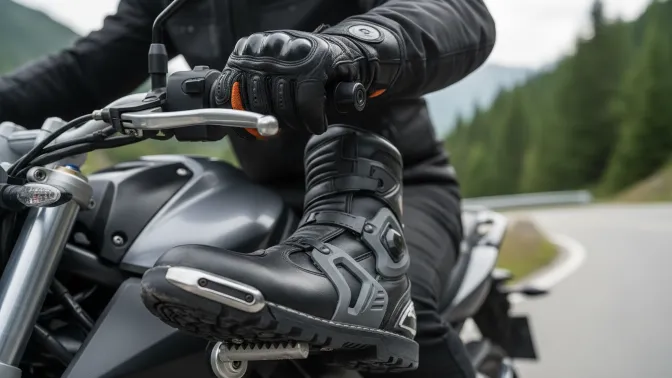
Choosing the right gloves and boots is essential for safety and comfort. Both need to protect your hands and feet while allowing you to move freely and control the bike easily. I focus on materials, key features, and how to get the best fit to help beginners pick the right gear.
Glove Materials
When picking gloves, the material affects protection and comfort the most. Leather is a popular choice because it resists abrasion during falls and stays durable. Textile gloves, which often include mesh panels, offer better ventilation but may not be as tough as leather.
Look for gloves with added armor or padding on the knuckles and palms to protect against impacts. Gloves with reinforced stitching last longer, especially if you ride often.
For wet weather, gloves with waterproof liners, like Gore-Tex, keep your hands dry without making them sweat too much. Check sites like RevZilla for up-to-date materials and reviews on good beginner gloves.
Boot Features
Good motorcycle boots should protect your ankles and shins from injuries and keep you stable on the foot pegs. Look for boots with reinforced toes and heels, and a sturdy, non-slip sole that grips the ground.
Many boots also have ankle support and closure systems like buckles, zippers, or Velcro to keep the boots secure. Waterproof boots are useful if you ride in rain or wet conditions.
Comfort is key, so boots should allow some flexibility without feeling too soft or flimsy. Boots made specifically for riders come with extra protection but feel lighter than work boots or hiking boots. The Motorcycle Safety Foundation explains how boots help you stay safer on the road.
Proper Fit
Gloves and boots must fit well to protect effectively. Gloves should allow your fingers to move freely. When trying them on, make sure they aren’t too tight or loose, especially around the knuckles and fingertips.
Boots need to feel snug but not pinch your feet. Your toes should brush but not cramp inside. Walk around a bit in the boots to test comfort and flexibility. Trying on boots with the socks you plan to wear while riding helps.
Always check the size charts from manufacturers before buying, because sizing varies between brands. If you’re shopping online, read reviews or find a store where you can test the gear in person. Good fit means safer, more confident riding.
Factors to Consider When Shopping
When I shop for motorcycle gear, I focus on what fits my budget, the reputation of the brands, and how easy the gear is to maintain. These points make sure I get good quality without wasting money or time later.
Budget Planning
Setting a budget helps me decide how much I can spend on each piece of gear like a helmet, jacket, gloves, boots, and pants. Quality gear often costs more but offers better protection and lasts longer.
I balance price with safety by prioritizing essentials like a certified helmet first, then buying other gear as funds allow. Sometimes, I look for sales or deals to get reliable gear within my budget.
Avoid cheap gear because it might not meet safety standards. Spending a bit more upfront saves money in the long run by preventing damage or injury.
Brand Reputation
I check the brand’s history and customer reviews before buying gear. Brands known for meeting safety standards and making durable products give me confidence in my purchase.
I prefer brands that specialize in motorcycle gear, not general outdoor or sports gear companies. Specialized brands usually design products that fit well and protect better on the road.
Sometimes, I ask other riders or join forums to hear real experiences. A strong warranty or good customer service also shows a brand stands behind its products.
Maintenance and Care
Gear needs regular cleaning and proper storage to last longer and stay safe. I choose gear made from materials that are easy to clean, like leather or synthetic fabrics with waterproof coatings.
Some gear requires special cleaning products or care procedures, so I read the labels or manuals carefully. For example, helmets need inner liners washed gently and outer shells wiped down without abrasive chemicals.
Proper care keeps gear comfortable and effective. I store mine in dry places away from sunlight to prevent damage. Well-maintained gear protects better and saves me from replacing things too soon.
Common Mistakes New Riders Should Avoid
When I first started riding, I made a few avoidable mistakes with my gear choice. One big error was buying gear based on style alone, not safety or comfort. Good motorcycle gear should protect you and fit well.
Many new riders ignore investing in a proper helmet. I learned the hard way that a cheap helmet might not offer enough protection. Always choose a helmet that meets safety standards and feels comfortable on your head.
Another mistake I see often is skipping gloves or wearing ones that don’t fit. Gloves protect your hands and improve grip. Make sure they fit snugly but allow movement.
Some beginners wear the same gear in all weather, which is a problem. I recommend picking gear suited for hot, cold, and rainy conditions. Layering is key so you can adjust as you ride.
Finally, don’t forget about boots. Many riders pick sneakers at first, which lack protection. Sturdy riding boots support your feet and ankles and keep you safer.
Here’s a quick list of mistakes to avoid when choosing gear:
| Mistake | Why to Avoid It |
|---|---|
| Choosing gear for style only | May lack safety features |
| Using an uncertified helmet | Less protection in crashes |
| Skipping gloves | Hands are vulnerable and less controlled |
| Wearing wrong seasonal gear | Causes discomfort and distraction |
| Using improper footwear | Risk of injury to feet and ankles |
Avoiding these errors will help keep you safer and make riding more comfortable from the start.
Upgrading and Customizing Gear Over Time
When I first started riding, I focused on getting the basic gear: a good helmet, jacket, gloves, and boots. These items are key for safety and comfort. As I gained experience, I realized how useful it was to gradually upgrade and customize my gear.
Upgrading gear doesn’t mean buying everything at once. I took time to test what worked best for my riding style and the type of bike I had. For example, I later added pants designed for better protection and boots with improved grip. This step-by-step approach helped me avoid overspending and made my gear more suited to my needs.
Customization can also improve your riding experience. Some riders add features like better ventilation in jackets or reflective strips for night riding. You can even customize gloves for added warmth or better control. Small upgrades like these made a big difference for me on longer rides.
Here are a few tips I follow when upgrading gear:
- Prioritize safety features first.
- Choose items that fit well and feel comfortable.
- Upgrade based on the type of riding you do (commuting, touring, racing).
- Don’t rush; test new gear before fully committing.
Over time, your gear becomes an extension of your rider identity. Customizing it thoughtfully enhances safety and enjoyment while riding.
FAQs
What gear should I buy first as a beginner?
I recommend starting with a full-face helmet. It protects your head and face and is the most important gear for safety. Next, get an armored jacket, gloves, and riding boots. These protect your arms, hands, and feet from injury.
Can I ride with regular clothes like jeans?
Jeans offer little protection compared to riding pants made with strong materials. While some riders use them, I suggest wearing pants designed for motorcycling. They usually have armor and abrasion-resistant fabric that can reduce injury.
Is comfort or safety more important when choosing gear?
Both matter, but safety should be my priority. If the gear isn’t comfortable, I won’t want to wear it. So I look for gear that fits well and protects me. Trying on different items helps find the right balance.
Do I need all the gear right away?
You don’t have to buy everything at once. Start with the essentials: helmet, jacket, gloves, and boots. You can add pants and other items later as you get more experience and figure out your needs.
How can I check if gear is safe?
Look for safety ratings and certifications like DOT for helmets or CE for armor. These marks show the gear meets certain safety standards. I always check these before buying to ensure my gear offers real protection.
Conclusion
Choosing the right motorcycle gear as a beginner is key to staying safe and comfortable on the road. I recommend focusing on safety, fit, and functionality when picking your gear. Wearing the proper helmet, jacket, gloves, boots, pants, and eye protection can reduce the risk of injury and boost your confidence.
I suggest starting with gear that feels comfortable and fits well. If something is tight or too loose, it won’t protect you properly. It’s okay to spend time trying on different options to find what works best for you.
Remember to balance quality with budget. You don’t have to buy the most expensive gear right away, but choose items that meet safety standards and offer reliable protection.
Here are the key points I keep in mind when choosing gear:
- Helmet: Full-face for maximum protection
- Jacket: Durable material with armor
- Gloves: Good grip and knuckle protection
- Boots: Sturdy and cover ankles
- Pants: Reinforced and comfortable
- Eye Protection: Clear or tinted, depending on light
I believe that preparing with the right gear helps me ride more confidently. Taking care of your equipment and keeping it in good condition also makes a big difference in safety and comfort over time.
