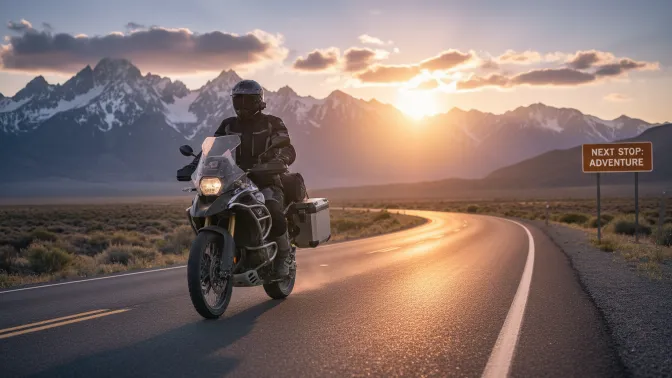
Choosing the right motorcycle gear for long rides is more than just picking what looks good or feels cool. It’s about comfort, safety, and making sure you can ride without distractions or pain for hours on end. The best gear fits well, protects you from the elements and injuries, and holds up over time during tough conditions. Without this, even the best bike can’t guarantee a smooth trip.
I’ve learned that comfort is key when you’re spending many hours on the road. Gear that fits poorly or doesn’t protect you from weather changes makes the ride harder. When I plan for long rides, I think about everything from my helmet and jacket to gloves and boots. Every piece needs to work together to keep me safe, dry, and comfortable, no matter the conditions.
You also have to consider practical things like visibility and storage. It’s important to be seen by other drivers, especially on long rides, and having reliable places to store your gear and belongings makes the journey easier. Choosing the right gear takes some thought, but it’s worth it for a safer, more enjoyable trip.
Key Takeways
- Proper gear improves comfort and safety on long motorcycle rides.
- Well-fitting equipment protects from weather and injury over many hours.
- Visibility and storage options make extended trips safer and easier.
Understanding the Importance of Proper Motorcycle Gear
Choosing the right motorcycle gear for long rides goes beyond looks. It protects me, keeps me comfortable, and meets legal needs. The gear choices I make affect how safely and easily I can ride for hours.
Safety Benefits for Long Rides
Safety is the biggest reason I wear proper motorcycle gear on long trips. The helmet I pick must fit well and meet safety standards to protect my head in a crash. Jackets, pants, gloves, and boots with reinforced materials shield my skin from road rash and weather hazards.
Visibility is another safety factor. Reflective stripes or bright colors on my gear make me more noticeable to other drivers, especially during dusk or bad weather. Long rides wear down concentration, so I count on my gear to reduce injury risks if a fall happens.
Comfort and Endurance Advantages
On long rides, comfort becomes essential. Gear made with breathable fabrics helps control sweat and keeps my body temperature stable. Adjustable vents in jackets and pants allow me to adapt quickly to changing weather.
I focus on fit, because gear that’s too tight or loose can cause discomfort or distractions. Good padding and ergonomic design reduce fatigue and protect pressure points during hours of riding. Proper boots support my ankles and lessen foot stress.
Comfortable gear helps me stay alert and focused, making the long ride less tiring and safer.
Legal and Insurance Considerations
Wearing the right motorcycle gear can affect legal and insurance outcomes after an accident. Many places require helmets by law, and some also mandate protective clothing or boots.
Insurance companies sometimes give better rates or benefits if I wear certified safety gear. In case of a claim, showing that I used approved gear can help validate my responsibility as a rider.
Ignoring legal gear requirements might lead to fines or reduced insurance claims. I always check local laws to make sure my gear meets the rules before heading out.
Selecting a Helmet for Extended Journeys
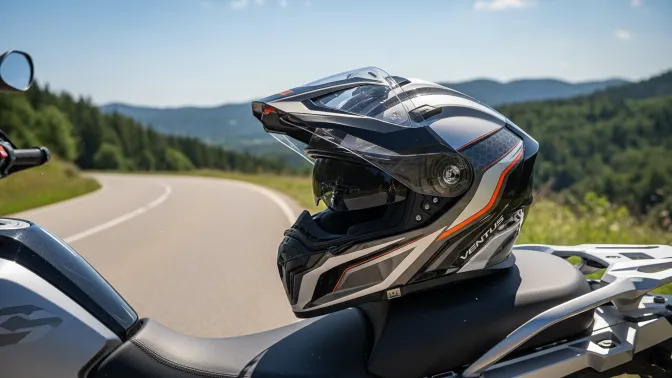
Choosing the right helmet for long rides means balancing safety, comfort, and features that reduce fatigue. The helmet must fit well, keep me cool, and protect against noise and impact. Certifications ensure it meets safety rules, which I never overlook.
Helmet Types and Their Suitability
There are three main helmet types I consider for long trips: full-face, modular, and adventure helmets. Full-face helmets give the best protection by covering the entire head, which is ideal for highway speeds and long hours. They block wind and reduce noise but can get warmer inside.
Modular helmets let me flip the chin bar up, which helps during breaks or city stops without removing the helmet. However, they are slightly heavier and might allow more noise in.
Adventure helmets mix features from full-face and off-road helmets. They offer good ventilation with a peak to block sun and debris. I find them useful in mixed riding environments like highways and rough roads.
Fit and Comfort for Long Hours
Fit is the most important factor I check. A helmet must feel snug but not tight. It should sit evenly on my head without pressure points that cause pain after hours.
I look for helmets with thick, soft padding that wicks sweat and stays breathable. The liner should be removable and washable because long rides can mean long days of sweat and dirt.
Lightweight helmets reduce neck strain. I avoid heavy helmets since extra weight wears me down faster. Adjustable straps and easy-to-use closures improve comfort and safety too.
Ventilation and Noise Reduction
Good airflow is critical in any helmet I choose for extended journeys. Multiple vents help keep air moving around my head, preventing overheating and sweat buildup.
Noise can tire me out quickly. I pick helmets designed to reduce wind and road noise. Features like tight seals around the visor and ear pads make a noticeable difference.
Some helmets also add wind blockers or noise-absorbing foam. These small details keep me more alert and less tired on long rides.
Certification Standards to Look For
I always check for safety certifications before buying a helmet. The most common are DOT (Department of Transportation) in the U.S. and ECE (Economic Commission for Europe) in many other countries.
Certification means the helmet has passed tests for impact absorption, penetration, and retention system strength. Some helmets also meet SNELL, which is even stricter, or SHARP ratings that show tested safety performance with stars.
Using a certified helmet isn’t just about legal rules—it’s about knowing the helmet can protect me properly if there’s a crash.
Choosing Jackets and Pants for Protection and Comfort
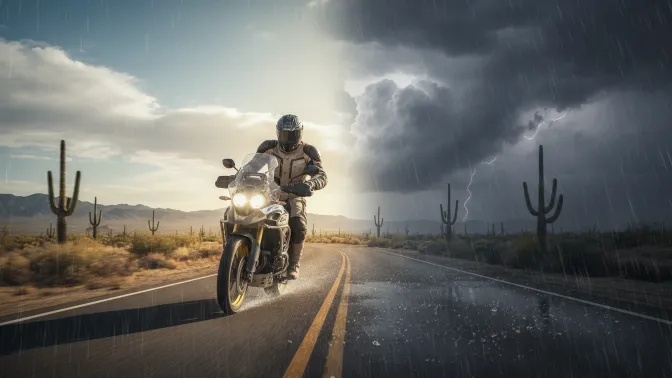
When picking jackets and pants for long rides, I focus on materials that offer both safety and ease. I also look at how well the gear handles weather and breathes. Plus, good armor is a must for impact protection without making the gear too heavy or stiff.
Material Comparison: Leather vs. Textile
Leather is a great choice if you want strong abrasion resistance. It hugs the body well and protects skin during slides. However, leather tends to be heavier and can get hot on warm rides. It’s less breathable, which can make it uncomfortable in summer.
Textile gear uses fabrics like nylon or polyester. It feels lighter and lets air flow better, which helps keep me cool. Textile is usually more flexible too. Some textiles offer good water resistance, making them better for wet conditions. The downside is they may wear down faster than leather.
Weather Resistance and Breathability
For long rides, weather resistance is important. I look for jackets and pants with waterproof liners or coatings. This keeps me dry during rain without needing a separate rain suit.
Breathability matters just as much. Ventilation zippers or mesh panels let air flow, reducing sweat and overheating. If it’s too hot or too cold, long rides become miserable fast.
Balancing these means picking gear that keeps moisture out yet allows my skin to breathe. Some jackets come with removable thermal liners, which I find useful when temperatures change throughout the day.
Armor and Impact Protection
Armor placement is key for protecting me in case of a fall. I check that my gear has CE-rated armor on the elbows, shoulders, knees, and hips—these spots take the most impact.
The armor should fit well without restricting movement. It needs to absorb shocks and spread force over a wider area to reduce injury.
Some jackets and pants offer pockets for removable armor. I like this because I can take it out on short rides or when not needed. Stiff, bulky armor can hurt comfort on long rides, so finding a balance between protection and flexibility is important.
Picking the Best Motorcycle Gloves for Long Distance
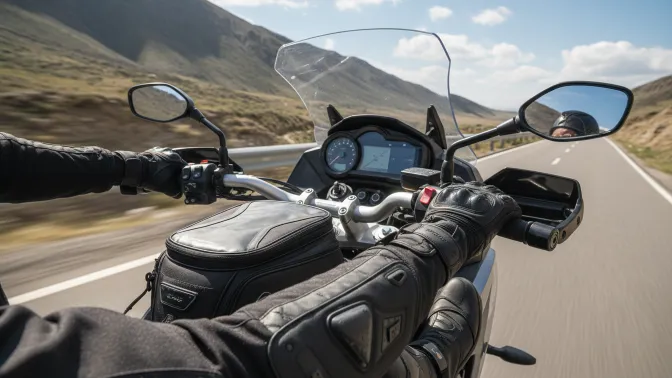
Choosing gloves for long rides means focusing on grip, weather ability, and comfort. Gloves need to provide steady control, protect your hands from the elements, and fit well for hours of wear without causing pain.
Grip and Control Enhancement
A solid grip on the handlebars is key for safety and comfort. I look for gloves with goatskin leather palms because they give good grip without wearing out quickly. Some gloves have textured or reinforced palms, which help keep control in wet conditions or when my hands get sweaty.
Flexible materials on the fingers let me move easily without feeling stuck. I prefer gloves that balance protection with mobility, so I can feel the controls well. Extra features like knuckle guards or padding should not interfere with my grip or button operation.
Grip matters most on long rides where fatigue can set in. Good gloves reduce slipping and keep my hands steady over many miles. You can check out guides on the best gloves for touring like this one from GearJunkie for more on grip features.
Weather Adaptability
Long-distance rides expose you to changing weather. I pick gloves designed for different conditions or versatile enough to handle cold, rain, and heat. Waterproof gloves with breathable membranes keep my hands dry and stop sweat from building up inside.
Insulation matters on cold days, but I avoid gloves that make my hands too warm in the sun. Ventilation systems, like mesh panels or perforations, are a big help in warmer weather. Removable liners can add flexibility for varying temperatures.
If you ride year-round, I suggest having two pairs: one waterproof and insulated for cold and wet, and a lighter one for dry and hot weather. Resources like motorcycle.com explain how to match gloves to climate well.
Fit and Padding Considerations
Glove fit affects comfort and safety. I make sure my gloves are snug but not tight, leaving enough room to move fingers easily. Gloves that are too loose can cause blisters and reduce control.
Padding in the palms and fingers cushions shocks from the road and long hours on the grips. I prefer gloves with strategically placed EVA foam or gel padding because they absorb vibrations without bulk. Extra padding should not make the gloves stiff or reduce my feel on the controls.
Trying gloves on before riding is important. Different brands fit differently, so I check finger length, wrist closure, and flexibility. Good fit helps prevent hand fatigue and keeps you comfortable for all-day rides.
Selecting Boots for Stability and Safety
Choosing the right boots is critical for long rides because they protect your feet and provide the stability you need on the bike. The boots must shield your ankles and feet, keep water out in bad weather, and feel good whether you’re riding or walking. Each detail matters when you spend hours on the road.
Ankle and Foot Protection
Strong ankle and foot protection is a must to prevent injuries from crashes or impacts. I look for boots with reinforced ankle guards and solid heel cups made from hard plastics or metal inserts. These absorb shocks and stop twisting that can cause sprains.
The toe area should have extra padding or armor to shield against bumps or accidental drops. Boots with impact-resistant panels in key areas give me peace of mind, especially during adventure or off-road rides.
Look for boots certified by safety standards like CE or ANSI. These certifications prove the gear meets protection benchmarks. For more safety details, the Motorcycle Safety Foundation offers good information.
Waterproofing Features
Waterproof boots are essential for long rides because weather can change fast. I choose boots made with breathable, waterproof membranes such as Gore-Tex. This keeps my feet dry while allowing sweat to escape.
High boot shafts also help keep water away from seams or zippers. Check if the boots have sealed stitching and water-resistant soles to avoid leaks. Waterproof boots stop discomfort and prevent cold feet on wet roads.
Even when it’s sunny, waterproof boots add protection from unexpected rain. I recommend treating them with waterproof sprays for added performance over time.
Comfort on and off the Bike
Comfort is key during long rides, but boots also need to feel good when walking. I pick boots with cushioned insoles and good arch support to reduce foot fatigue.
Flexible soles that bend naturally help me walk easily without feeling stiff or clunky. Ventilation or mesh panels improve airflow, but the boots still need to protect from debris.
Sizing matters a lot — boots should fit snugly but not pinch. Trying boots on with the socks you wear riding ensures the right fit. Use sizing guides like those on RevZilla to find the best match.
A boot that balances protection and comfort keeps me riding longer without distractions.
Layering and Base Layers for Variable Climates
When I prepare for long rides through changing weather, I focus on managing sweat and temperature. I use clothing that moves moisture away from my skin and adds warmth when needed. Adjusting layers during the ride helps me stay comfortable without overheating or getting cold.
Thermal and Moisture Management
I start with a base layer that handles moisture well. Materials like synthetic fabrics or merino wool pull sweat from my skin, keeping me dry. Staying dry is key because wet skin cools down fast, which can be dangerous on the road.
Thermal properties of the base layer matter too. In colder weather, I pick thicker fabrics that provide insulation. In hot weather, I go for thinner layers that breathe well. This means I have gear for both ends of the temperature scale so I can ride comfortably no matter the weather.
Layering Strategies for Changing Weather
When the weather shifts, I change what I wear in layers. My setup starts with the moisture-wicking base, followed by an insulating mid-layer for warmth. On top, I add a waterproof shell to protect against wind and rain.
I adjust or remove layers depending on temperature and exercise level. For example, if I warm up on a sunny stretch, I unzip or take off the mid-layer. This keeps me from sweating too much or feeling cold. Having easy-to-remove layers makes my ride safer and more enjoyable.
Visibility and Reflective Gear for Rider Safety
Staying visible on long rides is crucial, especially when lighting changes or weather worsens. Choosing the right balance between bright colors and reflective materials can help other drivers see you sooner. Adding extra visibility accessories boosts safety where your gear might fall short.
High-Visibility Colors vs. Reflective Materials
I prefer high-visibility colors like neon yellow, orange, or green for daytime riding. These colors grab attention, making it easier for drivers to spot me from a distance. Bright gear reduces accidents by standing out against most backgrounds.
Reflective materials are critical for low-light situations, such as dawn, dusk, or rainy conditions. They reflect headlights directly back to drivers, improving visibility even when it’s dark. Jackets with reflective strips on the chest, arms, and back work best.
I think combining both options is ideal. Wearing bright colors ensures I’m visible in daylight, while reflective elements take over when lighting drops. Always check for durable, high-quality materials to maintain visibility with wear and washing.
Additional Visibility Accessories
I use extra accessories to increase visibility in blind spots. Reflective tape on helmets, gloves, and boots adds critical lighting cues. LED lights that attach to helmets or jackets create moving points of light that drivers notice fast.
Visibility vests are handy because I can put them on or take them off depending on conditions. They usually have big reflective panels and can go over other gear easily.
Carrying these options means I can adjust my visibility to fit the riding environment. It’s important to think beyond just the jacket or pants. Accessories fill gaps, making me visible from all angles.
Storage and Luggage Solutions for Long Rides
Choosing the right storage and luggage is vital for long motorcycle rides. It directly affects how much gear I can carry, how organized I stay, and how comfortable I feel during my trip. I focus on storage options built into my gear and how I carry personal items comfortably.
Integrated Storage Options in Gear
Some motorcycle gear comes with built-in storage, like jackets with large pockets or pants with cargo compartments. These are handy for small items I want quick access to, like maps, gloves, or snacks. I look for secure, zippered pockets that keep things safe even when riding fast.
Hard luggage, soft bags, or tank bags add extra capacity. Saddlebags are useful for heavier items and balance weight on the bike. Tank bags let me reach essential gear without stopping. When choosing luggage, I consider waterproof materials and easy attachment systems. This way, my gear stays protected and stable on rough roads.
Comfortable Wearing of Personal Items
Carrying items while riding shouldn’t hurt or distract me. I prefer gear with padded straps or adjustable fits that distribute weight evenly. Backpacks designed for motorcycles often have chest and waist straps to prevent swaying at high speeds.
I avoid bulky or overly heavy bags since they can strain my back on long trips. For small essentials, I use belt pouches or hip packs that allow hands-free movement without extra bulk. Comfort and security matter most when I carry personal items, so I pick gear that supports both.
Maintenance and Care of Motorcycle Gear
Taking care of motorcycle gear is important to keep it reliable and safe over long rides. Proper cleaning, storage, and regular checks help your gear last longer and perform well when you need it most.
Cleaning and Storage Tips
I clean my gear after every long ride to remove dirt, sweat, and grime that can break down materials. For jackets and pants, I use a mild soap or cleaner designed for leather or textile gear. Avoid harsh chemicals because they can damage the materials or waterproof layers.
Helmets require gentle cleaning with a soft cloth and warm water. I always remove the liners and pads to wash separately, letting them dry completely before putting them back in. Gloves and boots get wiped down quickly, and I make sure to let gloves air out to prevent odor and wear.
When storing gear, I keep it in a cool, dry place away from direct sunlight. I hang jackets and pants on wide hangers to avoid creases and store helmets on soft stands to protect their shape. Proper storage prevents damage and keeps my gear ready for the next ride.
Inspection and Replacement Guidelines
I inspect my gear regularly to catch any wear or damage early. I look for cracks or dents in helmets, worn-out straps, and broken zippers. For jackets, gloves, and boots, I check the seams and padding for any signs of tearing or thinning.
If I find any significant wear that could reduce protection, like deep cuts or weakened armor, I replace the item immediately. Even if the damage looks minor, it might affect safety over a long ride.
Helmets often have expiration dates or recommended replacement times, usually every 3-5 years. Regardless of damage, I replace mine within that timeframe to ensure maximum protection. Keeping gear in good condition helps me stay safe and comfortable over all my rides.
Budgeting for Quality Gear Without Compromising Safety
Finding good motorcycle gear that protects well but stays within your budget takes careful thought. You need to balance cost with the real value of the gear. It also helps to know which brands and certifications prove the product meets safety standards.
Cost vs. Value Assessment
I focus on what each item offers in protection first, then compare prices. A helmet, for example, must be DOT-approved. Cheaper helmets may look good but lack proper impact protection. Sometimes spending a bit more on a helmet can save you serious injury.
For jackets and pants, I look for abrasion resistance and armor. If a jacket costs twice as much but has better armor and stronger material, it’s often worth it.
To balance cost and value, I shop sales, check used gear in good condition, and prioritize essentials like helmets and gloves before extras. I avoid cheap gear that might fail when it matters most.
Recognizing Trusted Brands and Certifications
I always choose gear from brands with a good reputation for safety. Trusted names often follow strict testing and quality controls.
Certifications like DOT for helmets, CE ratings for armor, and EN standards for gloves and clothing tell me the gear has passed safety tests. These certifications are not optional.
Brands that display these labels openly are usually more reliable. I avoid gear without clear certification or from unknown companies, even if the price is tempting. Safety is worth paying for when the difference is proven.
FAQs
What is the most important gear for long rides?
For me, the helmet is the single most critical piece. A full-face helmet offers the best protection for the head, face, and chin. It also helps reduce wind noise and protects against weather, which is valuable on long trips.
Should I choose leather or textile gear?
Both have pros and cons. Leather is tough and offers great abrasion resistance, but it can be heavy and less breathable. Textile gear is lighter and often more comfortable for hot weather. I usually pick based on the climate and the kind of riding I expect.
How do I stay comfortable during long rides?
Comfort is key. I look for gear with good ventilation, padding in pressure areas, and a good fit. Layering can help too—so I can add or remove pieces depending on temperature changes.
What about gloves and boots?
Gloves should balance protection and flexibility. I prefer gloves with reinforced knuckles and good grip. Boots need to be sturdy but comfortable for walking and shifting gears. Waterproof boots are handy if you expect rain.
How do I prepare physically for long rides?
Long rides require stamina. If you’re not used to several hours on a bike, start with shorter trips to build strength. Riding works your core and legs, so some basic fitness helps reduce fatigue.
| Gear Item | Importance | My Tip |
|---|---|---|
| Helmet | High | Choose full-face for best protection |
| Jacket | High | Pick breathable or layered gear |
| Gloves | Medium | Look for protection and comfort |
| Boots | Medium | Waterproof and supportive |
| Pants | High | Durable and padded in critical areas |
Conclusion
Choosing the right motorcycle gear for long rides takes thought and care. I focus on gear that protects me from weather changes and keeps me comfortable over many hours.
I always pick a helmet with good ventilation to avoid overheating. My jacket and pants need to be breathable, durable, and offer protection at key points like knees and hips.
Comfort is just as important as safety. I want gear that fits well and doesn’t restrict my movement. Proper fit helps me stay alert and reduces fatigue on long trips.
Here are my key points for choosing gear:
| Feature | Importance |
|---|---|
| Protection | Essential for safety |
| Ventilation | Keeps temperature comfortable |
| Comfort | Prevents fatigue |
| Durability | Long-lasting under stress |
Good gear makes a difference in how I feel on and off the bike. It helps me enjoy the ride without unnecessary pain or worry.
I recommend investing in quality gear that suits your riding style and climate. The right equipment means safer, smoother journeys every time I take to the road.
