

Choosing the right motorcycle gloves for daily riding isn’t just about style—it’s about protecting your hands and staying comfortable every time you hit the road. The best gloves fit well, match your riding style, and offer protection without sacrificing comfort. When you wear gloves that fit properly and suit daily use, you can ride longer and safer, no matter the weather or traffic conditions.
It’s important to think about factors like material, weather adaptability, and durability. Gloves made from leather or textile each have their own benefits depending on your route and climate. Good gloves also improve your grip and control, which makes riding easier and safer every day.
You don’t want to waste money on gloves that wear out fast or don’t protect well. Taking time to pick gloves that are tough, easy to maintain, and comfortable will make your daily rides smoother. Finding gloves that work with your phone’s touchscreen adds extra convenience without taking them off constantly.
Key Takeaways
- A good fit and protection are essential for daily riding gloves.
- Choose gloves based on weather and riding conditions.
- Durability and comfort improve your daily riding experience.
Understanding Motorcycle Glove Types
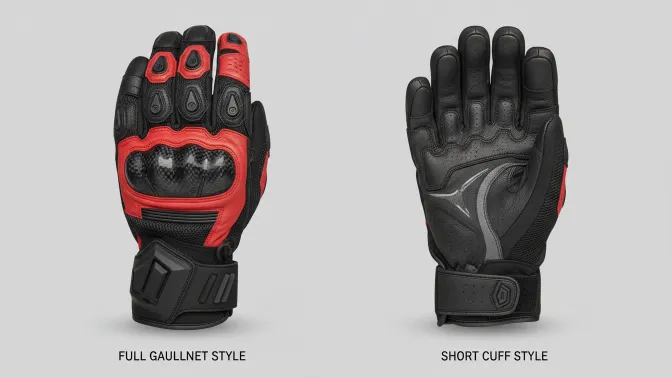
When choosing gloves for daily riding, it helps to know the key design differences. The length of the cuff, seasonal features, and specific needs for commuting can affect your comfort and safety. Each glove type has benefits depending on your riding style and environment.
Full Gauntlet vs. Short Cuff
Full gauntlet gloves extend past the wrist and often cover part of the forearm. I prefer these for added protection, especially during longer rides or in rough weather. They block wind and debris well while providing better impact resistance along the wrist area. They are ideal if you want maximum coverage and safety.
Short cuff gloves end right at or just above the wrist. These offer more flexibility and are easier to remove but sacrifice some protection. I find them more comfortable in hot climates or short trips. They also fit better under tight jacket sleeves. Choose short cuffs if you want lightweight gloves for quick errands or city riding.
Seasonal Glove Options
Gloves vary by season to keep hands comfortable all year. For hot weather, I like ventilated gloves made with mesh or perforated leather. These allow airflow to reduce sweat and heat build-up.
In colder months, insulated or waterproof gloves become essential. I look for gloves with thermal liners or windproof shells to keep my hands warm during daily rides in winter. Some cold-weather gloves feature removable liners for versatile use.
Always match your gloves to the season to avoid discomfort or numbness while riding.
Specialized Gloves for Commuting
Commuting gloves focus on durability and comfort for stop-and-go traffic and frequent handling of controls. I select gloves with good grip, often enhanced by rubber or silicone patches on fingertips and palms.
Comfort matters, so I look for gloves that balance protection with flexibility. Features like touchscreen-compatible fingertips help me use phones without removing gloves.
Some commuting gloves include reflective elements for visibility in urban traffic. If daily city riding is your routine, prioritize gloves that protect hands but stay nimble in tight traffic conditions.
Key Features to Consider
When picking gloves for daily riding, I focus on materials that balance protection and breathability, solid impact defenses for critical areas, and a fit that allows both comfort and good control. These factors help me stay safe and comfortable on every ride.
Protective Materials
I always check what the gloves are made of first. Leather is popular for its durability and abrasion resistance, making it great if I expect some rough contact. However, synthetic fabrics like Kevlar or textile blends often add better ventilation and lighter weight, which helps on hot days.
Waterproof membranes like Gore-Tex are a plus if you ride through wet conditions. They keep my hands dry without trapping sweat. Some gloves also have reflective strips or panels, which improve visibility to other drivers.
Choosing materials that match your riding climate and style is key. Sites like the Motorcycle Safety Foundation offer detailed guides on suitable glove materials for various conditions.
Palm and Knuckle Protection
I never underestimate the importance of reinforced palms and knuckle armor. The palm area takes most of the impact and friction during falls, so extra padding or double layers here reduce injuries.
Knuckle protectors made from hard plastic or carbon fiber shield bones from blunt force. I prefer gloves where the armor is well-placed but doesn’t restrict wrist or finger movement. Some gloves include sliders—small hard pieces that help the hand glide on pavement instead of catching or tearing.
These protective features sometimes raise glove costs but are worth the investment for daily safety. For more on impact zones and glove design, this rider’s handbook explains protection details well.
Fit and Comfort
Fit matters a lot because tight gloves limit movement and loose ones reduce control. I look for gloves that fit snugly but allow full finger bending. Trying gloves on is essential since sizing varies by brand.
Comfort features like stretch panels between fingers, pre-curved fingers, and adjustable closures improve wearability during long rides. Good ventilation or moisture-wicking liners keep sweat manageable and skin healthy.
Another detail I check is compatibility with touchscreen devices, so I can use my phone or GPS without taking gloves off. If I’m riding through changing weather, I prefer gloves with removable liners for easy temperature control.
Weather Adaptability
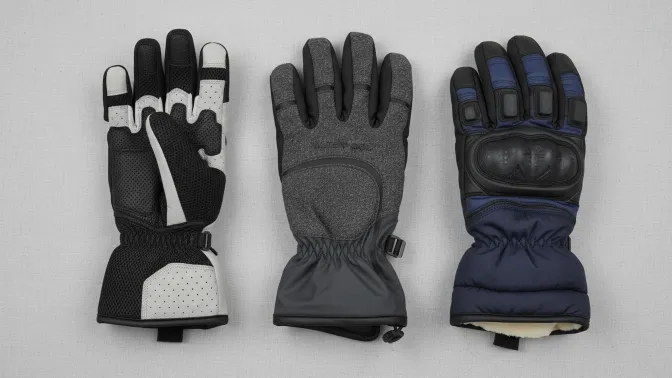
When choosing motorcycle gloves for daily riding, I focus on how well they handle different weather conditions. Gloves must keep my hands dry, cool, or warm depending on the day. Protecting against water, wind, heat, and cold is key.
Waterproof and Windproof Gloves
I always look for gloves made with waterproof materials or membranes like Gore-Tex when rain or wind is expected. These stop water from soaking through and keep my hands dry during wet rides. Windproof gloves are just as important on cold, windy days because wind can chill your hands quickly.
Sealed seams and adjustable cuffs help prevent water and wind from entering. Not all waterproof gloves are fully breathable, so I balance this with other features if I’m riding in mixed weather. Durable outer layers and reinforced palms also protect against abrasions while remaining weather resistant.
Ventilation and Breathability
In hot weather, ventilation is crucial. I pick gloves with mesh panels or perforated leather to allow airflow. This keeps my hands cool and reduces sweating, which helps grip the handlebars better.
Breathability also matters if I ride for long periods. Gloves with moisture-wicking linings pull sweat away from my skin, preventing discomfort. At the same time, I want materials that won’t dry out or crack from exposure to heat. Ventilation features can vary widely, so I test gloves for airflow before buying.
Thermal Insulation for Cold Weather
For colder conditions, insulated gloves are a must. I prefer gloves that use materials like Thinsulate or fleece liners. These trap heat close to my skin and keep fingers warm even on freezing mornings.
Insulation balance is important—I want gloves that warm me up but still let me move my fingers well for control. Some gloves add windproof layers over insulation to block cold air. Adjustable closures help trap warm air inside the glove.
When riding in winter, I pair insulated gloves with heated grips or glove liners for extra warmth on long rides.
Durability and Construction Quality
When I look for motorcycle gloves for daily riding, I focus on how well they are made and how long they will last. Good gloves have strong stitching and use durable materials that can handle daily wear and the possibility of falls or scrapes.
Stitching and Reinforcement
Strong, precise stitching is key for gloves that last. I check if gloves use double or triple stitching in high-stress areas like fingers and palms. These reinforcements prevent seams from coming apart after repeated use.
Many gloves add extra layers or padding on areas prone to friction, such as the palm or knuckles. Some use Kevlar or similar materials inside the stitching to improve strength. I avoid gloves with loose threads or uneven stitching, as these usually mean poor construction.
For more on glove construction, you can visit sites like RevZilla which explain how different stitches affect durability.
Abrasion Resistance
Abrasion resistance is crucial for protecting my hands if I fall. Leather gloves typically offer excellent abrasion resistance. I prefer full-grain leather over synthetic leather because it wears better over time.
Some gloves combine leather with textile materials that resist tearing and scuffing. Textile gloves with added reinforcements like hard knuckle protectors often balance protection with flexibility.
Look for gloves tested to certain safety standards, such as CE certification, which includes abrasion tests. Gloves designed for racing or adventure riding frequently score high on abrasion resistance. Choosing gloves with this feature improves both your safety and how long they last on the road.
You can learn more about abrasion resistance and safety ratings at Snell Memorial Foundation which offers detailed standards for motorcycle gear.
Touchscreen Compatibility
When I pick gloves for daily riding, I look closely at how well they let me use my devices without taking them off. Key points include how sensitive the fingerpads are and whether the gloves work with multiple touchscreen devices. These details affect convenience and safety, especially when checking GPS or answering calls on the road.
Fingerpad Sensitivity
Good fingerpad sensitivity means the gloves feel almost like bare fingers when you touch a screen. I focus on gloves with conductive materials on the thumb, index, and sometimes middle fingers. This lets me tap the phone or GPS accurately.
Some gloves have ultra-thin or special touchscreen fabric on the fingertips. This design keeps protection without losing touch control. Gloves that only cover one or two fingers can make some tasks harder, so I prefer models with three-finger compatibility.
I also check if the gloves allow for quick response on my device. The best gloves don’t require hard presses or repeated taps, which can be a distraction while riding.
Multi-Device Capability
Using more than one device while riding is common for me. I want gloves that work with phones, GPS units, and sometimes touchscreen bike controls.
Not all gloves perform well across different screens. Some work better on capacitive phone screens than on rugged GPS units. I look for gloves tested on multiple devices to avoid surprises.
Gloves with broad touchscreen compatibility mean I don’t need to remove them, keeping my hands safe and warm. Some models even let you swipe or pinch zoom smoothly, which improves navigation.
In short, gloves with solid multi-device support offer convenience without sacrificing safety on the road.
Grip and Control Enhancement
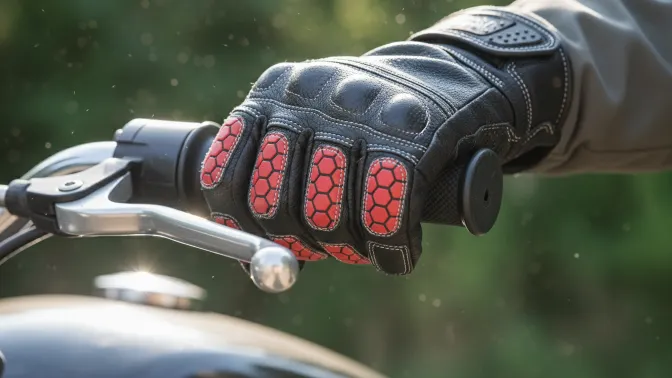
Good grip and solid control are essential for safe daily riding. The right gloves improve how well you hold the handlebars and handle your bike in different conditions. Key features like anti-slip palm inserts and adjustable closures make a noticeable difference in comfort and safety.
Anti-Slip Palm Inserts
I look for gloves with anti-slip palm inserts because they help me keep a firm grip on the handlebars, even when my hands get sweaty or wet. These inserts are usually made from materials like silicone or rubber, which increase friction without adding bulk.
This grip reduces the chance of my hands slipping, which is important when I’m stopping quickly or riding in the rain. It also lowers hand fatigue because I don’t have to grip too tightly. Besides improving control, these inserts protect the palm from wear and injury during long rides.
When buying gloves, I check the placement of these inserts. They should cover areas where my hands naturally touch the bike, mainly the palms and lower fingers. Quality gloves have well-placed inserts that stay effective over time.
Adjustable Closures
Adjustable closures around the wrist allow me to customize how tight the gloves fit. This is important to keep the gloves secure and prevent them from slipping off, which can distract me while riding.
Most gloves use Velcro straps or buckles for this adjustment. I prefer gloves with wide, strong straps that are easy to fasten and adjust quickly, even with gloves on. A snug fit at the wrist also helps keep out wind and rain, improving comfort in all weather.
Having wrist closures that hold tight without causing discomfort gives me confidence. With the gloves firmly in place, I can focus more on riding and less on adjusting my gear. Adjustable closures also make it easier to put the gloves on and take them off.
Maintenance and Care Guidelines
I make sure to clean my motorcycle gloves regularly, especially after long rides. Dirt, sweat, and grime can wear down the material over time, reducing their protection and comfort. For leather gloves, I use a mild leather cleaner or shampoo. For textile gloves, a gentle detergent works well.
After cleaning, I always let my gloves air dry naturally. I avoid heat sources like radiators or direct sunlight because they can cause the material to crack or shrink. Keeping gloves dry when not in use is also important. I store mine in a cool, dry place away from moisture.
Every few weeks, I apply conditioner to leather gloves. This keeps the leather soft and prevents it from drying out. For textile gloves, I check for any loose threads or damage and fix them as needed. Worn-out gloves should be replaced for safety reasons.
Here is a simple care routine I follow:
| Step | Action |
|---|---|
| Clean | Use mild cleaner or detergent |
| Dry | Air dry; avoid direct heat |
| Condition (leather) | Apply leather conditioner |
| Inspect | Check for damage or wear |
| Store | Keep in a dry, cool spot |
By following these steps, I keep my gloves in good shape and ready for daily riding. Proper care helps my gloves last longer and perform better when I need them most.
Choosing the Right Size
Picking the right size motorcycle gloves is very important for comfort and safety. If gloves are too tight, they can make your hands tired and reduce movement. If they are too loose, you might lose grip or control while riding.
I start by measuring my hand circumference around the widest part of my palm, excluding the thumb. I also check finger length to make sure the fingers aren’t squished or stretched. Most brands have sizing charts, and I compare my measurements to find the best match.
When trying gloves on, I make sure my fingers touch the ends without too much extra space. The gloves should fit snugly but not feel tight. I also bend my fingers and grip the palm to ensure flexibility is good. If the gloves cause pressure points or feel stiff, I try a different size or style.
Here is a quick list of what I look for in glove fit:
- Fingers should reach the tips without extra room
- Gloves should wrap comfortably around the hand
- No pinching or pressure spots
- Flexible enough to allow natural hand movement
- Secure wrist closure to keep gloves in place
I make sure to test gloves with the gear I usually wear, like jacket sleeves and any hand controls. A good fit lets me focus on riding, not on adjusting my gloves every few minutes.
Budget and Value Considerations
When choosing motorcycle gloves for daily riding, I start by thinking about my budget. Gloves come in many price ranges, but spending a bit more on quality often pays off. Cheaper gloves might seem like a good deal, but they can wear out quickly or offer less protection.
I focus on finding gloves that balance cost and durability. Good gloves protect your hands better, which can save you from injuries and road rash in case of an accident. That kind of value is hard to put a price on.
Here are important factors I consider related to budget and value:
- Protection: Look for gloves with reinforced knuckles and good padding.
- Durability: Materials like leather or strong synthetic fabrics last longer.
- Comfort: Gloves should fit well and allow easy movement.
- Weather: Think about gloves that match your riding conditions, such as waterproof for rain or breathable for heat.
It helps me to set a clear price range before shopping. Then, I compare features to get the most protection and comfort within that range.
Some gloves might cost more upfront but save money in the long run by lasting longer or preventing injury. I avoid cutting corners when it comes to safety. Wearing any gloves is better than none, but I aim for the best quality I can afford every day.
FAQs
What materials should I look for in daily riding gloves?
I choose gloves made from abrasion-resistant materials like leather or high-quality textiles. Leather offers good protection and durability, while textiles can be lighter and more breathable for warmer days.
Do I need gloves with armor or padding?
Yes, I prefer gloves with CE-certified armor on the knuckles and palms. They add essential protection in case of a fall. Padding also helps reduce hand fatigue during long rides.
How important is glove fit for daily riding?
Fit is very important. Gloves should feel snug but not tight, allowing full finger movement. Too loose, and they won’t protect well; too tight, and they become uncomfortable quickly.
Can I use one pair of gloves all year round?
I usually have more than one pair. Lightweight, breathable gloves work best in summer, and insulated, waterproof gloves are better for cold or rainy days. Some gloves are designed for all seasons, but they may not be ideal for extreme weather.
How do I care for my motorcycle gloves to make them last?
I clean my gloves according to the material—leather needs special cleaners and conditioners, while textile gloves can usually be hand washed. Keeping them dry and storing them properly helps extend their life.
Conclusion
Choosing the right motorcycle gloves for daily riding matters a lot to me. They protect my hands from injuries and keep me comfortable on every ride. I look for gloves with good fit, durable material, and adequate protection to match my riding style and weather.
When I pick gloves, I consider these key points:
- Fit: Gloves must feel snug but not tight.
- Material: Leather offers durability, while textile can be lighter and breathable.
- Protection: Reinforced knuckles and palms help prevent injuries.
- Weather: Ventilated gloves work well in heat; insulated gloves keep me warm in cold.
I also keep in mind how often I ride and my budget. Finding gloves that balance safety, comfort, and style is important for enjoying daily rides without stress.
Maintaining gloves is part of my routine too. Cleaning and checking for wear help them last longer and stay effective. Investing time and thought in choosing gloves pays off in safety and ride quality.
