Riding a motorcycle in summer means balancing comfort with safety. Hot weather calls for gear that keeps you cool but still offers strong protection. Choosing the right summer motorcycle gear means picking items designed to provide airflow, breathability, and impact resistance all at once. This helps you stay both comfortable and safe even on the hottest rides.
Not all riding gear designed for colder seasons works well in the heat. Summer gear often includes mesh jackets, lightweight gloves, and helmets with better ventilation to keep air flowing. These pieces are made to protect your body without trapping heat, which is key to avoiding heat exhaustion while riding.
Knowing what to look for in jackets, pants, gloves, helmets, and boots will make your summer rides more enjoyable. I’ll guide you through the most important factors to consider so you can gear up smartly, no matter your budget or riding style.
Key Takeaways
- Airflow and protection are the top priorities for summer riding gear.
- Lightweight, ventilated clothing helps prevent overheating.
- Choosing the right gear improves comfort and safety on hot rides.
Essential Summer Motorcycle Riding Gear
Choosing the right motorcycle gear for summer means focusing on ventilation, protection, and comfort. It’s important to know how warm weather gear differs from other types and how heat can influence safety on the road.
The Importance of Warm Weather Gear
Warm weather gear is designed to keep me cool without sacrificing safety. Unlike regular gear, it uses lightweight, breathable materials like mesh or perforated leather. These allow air to flow through, reducing sweat and heat buildup during long rides.
Sun protection is also key. Many summer jackets and gloves include UV-resistant coatings or lighter colors to block harmful rays. It’s crucial that gear still offers abrasion resistance and impact protection while maximizing ventilation.
Wearing proper summer gear helps me avoid overheating and fatigue, which can affect my focus and reaction time. This gear makes it easier to ride comfortably on hot days without taking risks.
Key Differences Between Summer and All-Season Gear
All-season gear aims to work for many temperatures but often falls short in extreme heat. Summer gear focuses mainly on cooling features and lightness. For example, summer helmets tend to have more vents, and summer gloves use thinner materials for better breathability.
While all-season gear usually has thick liners for cold weather, summer gear removes or minimizes those layers. Pants and jackets often are made from mesh panels or lightweight textiles instead of heavy leather.
These design changes mean summer gear is less bulky and moves air around more. That helps prevent sweat from pooling and keeps me feeling fresh even on rides at 100°F or above.
How Heat Affects Safety
Heat affects rider safety in several ways. When I get too hot, my body loses focus because of fatigue and dehydration. Sweaty hands can reduce grip and control. Overheating can also lead to dizziness or heat exhaustion.
Wearing heavy gear in high temperatures can raise my body heat dangerously. On the other hand, riding without protection to stay cool greatly increases the risk of injury from crashes or road rash.
Summer gear strikes a balance by giving cooling benefits while still protecting me from impacts and abrasions. Using gear with good ventilation and moisture-wicking liners helps manage sweat and keeps me alert on the road.
Choosing the Right Motorcycle Jacket for Summer
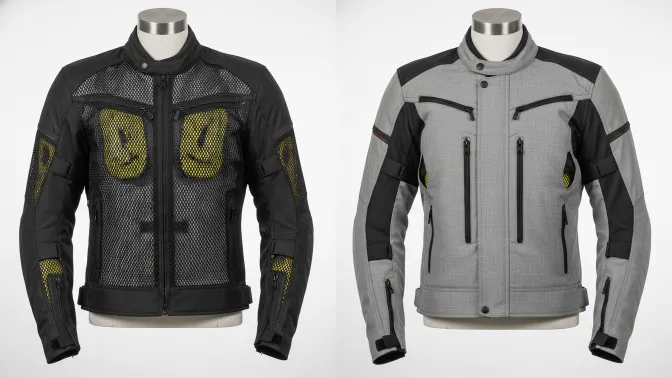
Picking the right jacket means balancing how well it cools you down, how it protects you in a crash, and how comfortable it feels on a hot day. The material, airflow, and armor are the most important parts to focus on for a safe, cool ride.
Mesh Versus Textile Materials
When I choose a summer jacket, I look closely at the material. Mesh jackets are popular because they have large, open holes that let air flow directly to your skin. This makes them very cool on hot days, but mesh offers less protection against wind and debris. Textile jackets, made from synthetic fabrics like Cordura or ballistic nylon, often have built-in ventilation panels. They provide more abrasion resistance but may not cool as well as mesh.
I find mesh better for high temperatures, but if I want more protection or expect cooler evenings, a textile jacket with multiple vents works well. Many textile jackets combine mesh and solid fabric for a good mix of airflow and durability.
Ventilation and Breathability Features
Ventilation is key for comfort and safety. Look for jackets with adjustable vents on the chest, back, and arms. These let you control airflow based on the weather and speed. Some designs use mesh lining inside to wick sweat away and speed up drying.
Breathability means the jacket lets heat and moisture escape without letting rain or wind in. Jackets with moisture-wicking liners help keep your skin dry, which prevents overheating and discomfort. When I shop, I check if the jacket has zippered vents that open easily while riding and if the fabric feels lightweight but tough.
Impact Protection Considerations
Protection is non-negotiable, even in summer gear. I always pick jackets with CE-certified armor in key zones: shoulders, elbows, and back. CE Level 2 armor provides high impact resistance without being too bulky.
Some jackets include removable armor, which helps if I want to wash the jacket or adjust padding. Jackets with reinforced stitching and abrasion-resistant fabric add extra safety. It’s crucial that armor fits well and stays in place during a fall. I avoid jackets that are too loose or too tight because proper fit affects how well the armor can protect me.
Selecting Summer Motorcycle Pants
When picking summer motorcycle pants, I focus on finding gear that keeps me cool, safe, and comfortable. The right pants need to balance strong materials, protection with armor, and a fit that moves with me. These factors combine to help me avoid heat while still being prepared for the road.
Abrasion-Resistant Fabrics
The first thing I look for is durable, abrasion-resistant fabric. Summer riding means dealing with heat, so I prefer pants made from high-quality textiles like Cordura or reinforced denim. These materials resist tears and scrapes if I fall. Some pants include panels of mesh or lightweight fabric to improve airflow without sacrificing safety.
Breathability is critical. Mesh panels in key areas like the thighs let air pass through, cutting sweat and overheating. But they still need to protect me from road rash. You can find protective layers that mix mesh with tough fabrics, providing a good balance. For more info on fabric choices, I check resources like The Moto Journal.
Integrated Armor and Padding
Protection is not just about fabric. I always choose pants with built-in armor on the knees and hips. This armor absorbs impact and reduces injury during crashes. Many summer pants come with CE-certified armor, which meets strict safety standards.
Removable armor is useful. It lets me take it out when I want to wash the pants or ride in cooler weather without overheating. Padding adds comfort on long rides too. Some pants also offer extra protection with hip pads or stretch panels to keep armor in place and avoid shifting.
Adjustability and Fit
Fit is key to comfort and safety. I make sure my summer pants fit snugly without being tight. Adjustable waist tabs, belt loops, and cuff closures help me get a secure fit and keep the pants from flapping at high speeds.
Good ventilation also depends on fit. If pants are too loose, airflow can be blocked from the mesh areas. Too tight, and I feel restricted and hot. Adjustable vents or zippered openings can help control how much air reaches my legs.
A proper fit keeps the armor in place and ensures I can move freely. For more detailed advice, I often visit RevZilla’s guide on motorcycle pants.
Finding the Best Summer Motorcycle Gloves
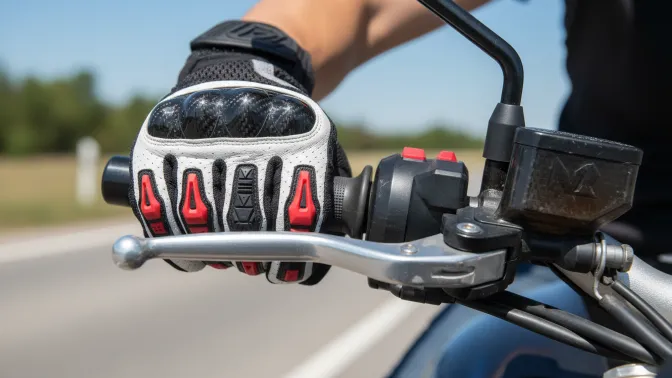
Choosing the right summer motorcycle gloves means focusing on the right materials, good airflow, and solid grip. These factors help keep your hands cool and safe while also giving you control of your bike.
Material Selection for Hot Weather
The material of your summer gloves affects both comfort and protection. I look for gloves made from lightweight textiles, mesh, or thin leather with perforations. Textile and mesh allow air to flow freely, which reduces sweating.
Leather gloves feel durable and protective but can get hot if not ventilated. Some gloves combine leather in key areas with breathable fabrics elsewhere. This mix offers protection on the knuckles and palms while still letting air circulate.
Touchscreen-compatible materials on fingertips have become common. I find them useful when I need to use a phone or GPS without taking off my gloves. Always check the quality of stitching and reinforcements to avoid wear in hot weather.
Ventilated Design Details
Ventilation is more important than just “breathable” materials. I want gloves with visible vents, perforated panels, and mesh inserts to keep heat away from my hands. Some gloves channel airflow directly over key areas like knuckles or the back of the hand.
Many manufacturers design gloves with adjustable vents or fabric that moves air as I ride. This can lower hand temperatures by several degrees in hot conditions, making a real difference on long rides.
I avoid gloves that have solid, thick construction with no ventilation, even if they are labeled “summer.” Without airflow, your hands will sweat, and grip can slip. Ventilation keeps the inside dry, reducing discomfort and skin irritation.
Grip and Control
Good grip is essential for safe riding. Summer gloves often use textured palm areas or silicone prints to improve hold on the handlebars without adding bulk. I prefer gloves with reinforced palms and fingers to enhance both grip and durability.
Flexible materials and pre-curved finger designs reduce hand fatigue on long rides. The gloves should fit snugly but not so tight that they cut off circulation. This balance helps me keep precise control over brakes, clutch, and throttle.
Some gloves also have padded areas for extra comfort without sacrificing grip. I make sure my gloves allow me to feel the bike’s controls accurately while protecting my hands from impacts or abrasions.
Choosing Summer Motorcycle Helmets
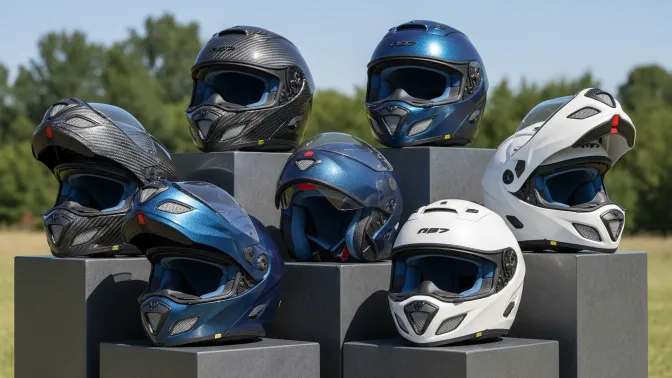
Picking the right helmet for summer means focusing on safety, comfort, and cooling features. Key factors include whether you want a full-face or modular helmet, how well the ventilation works, and the weight of the shell material. These details affect how cool you feel, how protected you are, and how long you can ride without discomfort.
Full-Face vs. Modular Options
Full-face helmets offer the best protection because they cover the entire head and face. They shield you from wind, debris, and impacts. However, they can feel hotter since the face is enclosed. Many manufacturers now include improved vents to help with airflow.
Modular helmets have a flip-up chin bar, which lets you open the front for more air when stopped or at lower speeds. They are lighter and more versatile but might be less safe in hard crashes compared to full-face helmets. If you often need to talk or eat without removing your helmet, modular may be the better choice for you.
Both types usually meet safety standards, but I always check for DOT or ECE certification to be sure. You can learn more about helmet standards at Snell Memorial Foundation.
Ventilation Systems and Airflow
Good airflow is essential to keep your head cool during summer rides. The best helmets have multiple vents placed strategically—on the chin, forehead, and top of the helmet. Air flows in through these vents and pushes heat out through exhaust vents at the back.
Some helmets include sweat-wicking liners and removable interiors, which make cleaning easier after hot rides. Mesh or moisture-repellent pads help reduce sweat buildup and keep you dry. When testing helmets, I look for models with adjustable vents so I can control airflow depending on the weather.
Avoid helmets with few or no vents, as they can cause overheating. Detailed reviews and ventilation tests can be found at RevZilla.
Lightweight Shell Materials
The material of the helmet shell impacts comfort especially when you ride for hours in summer heat. Lightweight materials like polycarbonate or fiberglass reduce strain on your neck and shoulders. Fiberglass shells are usually more durable and better at absorbing impact but cost more.
Some helmets use carbon fiber, which is even lighter and stronger but often expensive. If you ride daily or for long distances in the heat, investing in lighter shells improves comfort without sacrificing safety.
I also consider the build quality and fit since a helmet with a good seal but lightweight shell works best for heat management. Many brands specify the shell material, so it’s worth checking before buying.
Summer Motorcycle Boots and Footwear
Choosing the right boots for summer riding means balancing airflow, safety, and grip. My choices focus on boots that keep my feet cool, protect key areas, and prevent slipping when I stop.
Breathable Construction
For summer riding, breathability is critical. I look for boots made with mesh panels, perforated leather, or ventilated materials. These allow air to flow through, preventing sweat buildup and discomfort during long rides in the heat.
Some boots combine vents with breathable fabrics. This mix keeps air circulating while still blocking debris and wind. I avoid boots that feel airtight because my feet get too hot and tired. Ventilation also helps reduce odor.
When trying boots, I check how airflow feels with them on and off the bike. Good summer boots never feel stifling or heavy.
Ankle and Foot Protection
Even in summer heat, I never compromise on protection. Boots should cover the ankles fully and include reinforced areas like toe caps, heel counters, and ankle guards. These protect against impacts and twisting injuries.
Many summer boots meet safety certifications while staying lightweight. Some use hard plastic or TPU armor in key spots without making boots bulky. That balance is key for me.
I also check for padded collars and good closure systems—like zippers plus Velcro or straps—to ensure the boots fit snugly and stay secure on my feet.
Non-Slip Soles
A good sole is vital for safe stops and starts. I choose boots with rubber soles that provide strong grip on footpegs, pavement, and wet surfaces.
The tread pattern matters too. Deep grooves and textured soles help channel water away and increase traction. I avoid smooth soles because they become slippery quickly.
Durable soles also protect against wear from constant contact with the bike’s controls. I prefer soles that are thick enough to last but flexible enough to feel natural when shifting gears or braking.
Selecting Base Layers and Undergarments
Choosing the right base layer means picking materials that keep sweat away from your skin while controlling your comfort in heat. The fabric’s ability to move moisture and how it helps manage temperature matters most. These points determine how well you can ride without feeling sticky or overheated.
Moisture-Wicking Fabrics
Good base layers must pull sweat away from your body quickly. I look for fabrics like polyester or merino wool, which move moisture to the outer layer where it can evaporate. This keeps me dry and reduces the chance of chafing during long rides.
Natural fibers like merino wool also resist odor, which is useful on hot days. Avoid cotton—it holds moisture, making you feel damp and uncomfortable. A tight but stretchy fit helps the fabric stay close to your skin, improving moisture transfer and muscle support. Seams should be minimal or flat to prevent rubbing under your armor.
Temperature Regulation Benefits
Base layers do more than wick sweat; they also help keep your body temperature balanced. When I ride in summer, the right base layer cools me by letting heat escape while stopping hot air from building up. Some fabrics have mesh panels or lightweight weaves that increase airflow without exposing too much skin.
In hot weather, this helps prevent overheating and heat exhaustion. A base layer that breathes well keeps my core temperature stable, reducing fatigue over time. Even on short rides, I notice the difference between proper base layers and basic T-shirts, especially when combined with ventilated outer gear.
Maximizing Comfort and Safety in Hot Weather
Staying cool and visible are my top priorities when riding in hot weather. I focus on managing sweat and dehydration carefully while making sure I stand out on the road for safety.
Managing Sweat and Dehydration
Heat and sweat can quickly drain my energy and make riding uncomfortable. I always wear gear made of breathable materials like mesh or perforated leather to allow air flow. Ventilation panels in jackets and pants help keep cool air moving.
Hydrating before and during the ride is critical. I carry water in a hydration pack or take frequent stops to drink. Avoiding caffeine and alcohol before riding helps me stay hydrated longer.
Wicking base layers are another must. They pull sweat away from my skin, reducing chill from evaporation and irritation from wet clothing. Sweat can also fog my helmet visor, so I use anti-fog treatments or tear-off shields to keep vision clear.
Visibility Enhancements for Summer Riding
In bright summer conditions, I double down on visibility. High-contrast colors like neon yellow or orange on my gear make me easier to spot from far away.
I add reflective strips or patches on my jacket and helmet. These catch light from other vehicles, especially at dawn, dusk, or in shaded areas. Some gear comes with built-in reflective elements designed specifically for motorcycle riders.
I also use bright LED lights on my bike and wear a light-colored helmet. These gear choices allow me to stand out in both sunlight and low-light conditions, cutting the risk of accidents caused by poor visibility.
Caring for Your Summer Riding Gear
Proper care keeps your gear working well through the hot months. I focus on cleaning it right and storing it safely to protect its materials. Keeping gear breathable and maintaining protection are also key to staying safe and comfortable on the road.
Cleaning and Storage Tips
I clean my summer riding gear regularly to remove sweat, dirt, and oils that can break down fabrics. Most mesh jackets and gloves need gentle hand washing or machine washing on a delicate cycle with mild detergent. Avoid bleach and fabric softeners; they harm the protective materials.
After washing, I always air dry my gear away from direct sunlight or heat sources. Heat can shrink or damage the fabric and weaken protective layers.
For storage, I keep my gear in a cool, dry place. Hanging jackets on wide hangers helps avoid wrinkles and keeps ventilation panels open. Gloves and helmets go in breathable bags or their cases to stop dust buildup. I never store gear compressed inside bags for long as it harms breathability and structure.
Maintaining Breathability and Protection
Maintaining breathability means I regularly clear vents and mesh panels of dust and debris. A soft brush or compressed air works well for this. Clogged vents reduce airflow, making gear hotter and less comfortable.
I also check for worn-out or torn areas. Any rips or damaged armor reduce protection and need prompt repair or replacement. Seams and fasteners must close tightly to keep gear secure in a crash.
Some gear uses special coatings for water resistance or sun protection. I restore these with approved sprays to maintain their function. This keeps me dry in unexpected rain and blocks UV rays, which can weaken fabrics over time.
Taking these steps keeps my summer gear effective and comfortable ride after ride.
Budgeting and Value Considerations
When I shop for summer motorcycle gear, I balance cost with quality carefully. Good gear can be expensive, but paying more often means better protection and comfort. I avoid very cheap gear because it usually lasts less and offers less safety.
I focus on key items like helmets, jackets, and gloves first. These protect critical parts of my body. For example, a helmet might cost more upfront but can save your life. I look for sales or budget-friendly brands that still meet safety standards.
Here’s how I think about value when buying gear:
- Safety: Must never be compromised, even on a budget.
- Durability: Gear should last through many rides.
- Comfort: Especially important in hot weather to avoid heat stress.
- Functionality: Ventilation and fit can improve ride quality.
Sometimes, I spend more on an ADV jacket or pants if I know they have good ventilation and protection. If I need gear for short city rides, I might choose lighter or simpler options.
A simple way I compare options is by creating a table of features and prices. This helps me see which gear offers the best mix for my money:
| Gear Type | Price Range | Key Features | Value Notes |
|---|---|---|---|
| Helmet | $150–$600 | Impact protection, ventilation | Must meet safety standards |
| Jacket | $100–$1000+ | Armor, breathability, fit | Durability worth higher price |
| Gloves | $30–$200 | Grip, padding, ventilation | Mid-range offers good comfort |
In the end, I try to buy the best gear I can afford. Spending a bit more usually means better safety and longer use, which saves money over time.
Where to Buy Quality Summer Motorcycle Riding Gear
When looking for summer motorcycle gear, I first check trusted online stores. They often have a wide selection of mesh jackets, gloves, and pants designed for hot weather. Websites like Cycle Gear and RevZilla provide clear product details and customer reviews, which help me find gear that balances airflow and protection.
Local motorcycle shops are also worth visiting. I can try on gear to test the fit and feel in person. Some stores even offer expert advice to match gear with the type of riding I plan to do. This can be especially helpful when choosing items like helmets or boots, where fit matters a lot.
For those on a budget, I look out for sales or clearance sections online. Retailers sometimes offer seasonal discounts on summer jackets and gloves. I make sure the gear still meets safety standards before buying.
Here’s a quick list of reliable places where I buy summer motorcycle gear:
Online Retailers:
- RevZilla
- Cycle Gear
- Rider Magazine Shop
Local Options:
- Motorcycle specialty stores
- Dealerships offering riding apparel
I also recommend checking gear makers’ official websites. Brands like Dainese or Triumph often have exclusive summer lines. Buying directly from these sites means I get the latest gear designed for hot weather riding.
FAQs
What gear should I wear to stay cool in summer?
I recommend lightweight, breathable fabrics with good ventilation. Look for mesh jackets and pants with strategic vents. These help air flow while still offering protection.
Is protection less important in summer gear?
No. You still need armor and abrasion-resistant materials. Modern summer gear balances safety and comfort with lightweight armor and tough fabric in key areas.
Can I ride with just a t-shirt and jeans in summer?
I advise against it. While it’s hot, wearing proper gear prevents serious injuries. Instead, choose riding clothes designed for heat that cover your skin and protect you.
What about helmets in hot weather?
Choose helmets with vents and moisture-wicking liners. A good helmet will keep your head cool without reducing safety. Some even have removable pads for washing.
Are there specific gloves for summer?
Yes, summer gloves are usually made with breathable materials and have perforations. They protect your hands but allow airflow to reduce sweating.
| Gear Type | What to Look For | Why It Matters |
|---|---|---|
| Jackets | Mesh panels, lightweight armor | Ventilation and protection |
| Pants | Breathable textiles, abrasion zones | Comfort and safety on the road |
| Gloves | Perforations, breathable fabrics | Hand protection and cooling |
| Helmet | Ventilation, washable liners | Head protection and comfort |
I always choose gear that balances safety and breathability to enjoy riding during hot months.
Conclusion
Choosing the right summer motorcycle gear is about balance. I focus on protection and comfort. Breathable fabrics and lightweight materials help me stay cool without losing safety.
I always look for gear with good airflow and moisture management. Ventilation is key to avoid overheating during long rides. At the same time, I don’t compromise on essential protection features like armor and abrasion resistance.
Here’s what I prioritize when selecting my summer gear:
| Feature | Importance |
|---|---|
| Breathability | Keeps me cool and dry |
| Lightweight | Reduces fatigue |
| Protective armor | Provides impact safety |
| UV protection | Prevents sun damage |
| Fit | Ensures comfort and mobility |
I find that a well-fitting helmet, gloves, and riding jeans made for warm weather make a big difference. It’s tempting to skip gear when it’s hot, but good summer-specific gear keeps me safer and more comfortable.
By choosing wisely, I enjoy riding even in high temperatures without feeling weighed down or overheated. This approach helps me stay focused and confident on the road.
