Motorcycle riding gear is an important investment that protects you on the road. To get the most out of your gear, you need to take care of it properly. The best way to extend the life of your riding gear is to clean it carefully, store it correctly, and check for damage regularly.
Wearing your gear every day means it faces wear from weather, sweat, dirt, and crashes. Taking simple steps like gentle cleaning and avoiding harsh conditions helps keep your gear strong and safe. I’ll share tips that make sure your jacket, gloves, and helmet stay in good shape for many rides.
By learning how to care for your riding gear properly, you can save money and ride with confidence. The strategies I explain will help you avoid common mistakes that shorten the life of your gear.
Key Takeways
- Clean and inspect your gear regularly to keep it safe and durable.
- Store your gear in a cool, dry place to prevent damage.
- Fix small problems early to avoid costly replacements later.
Proper Cleaning Techniques
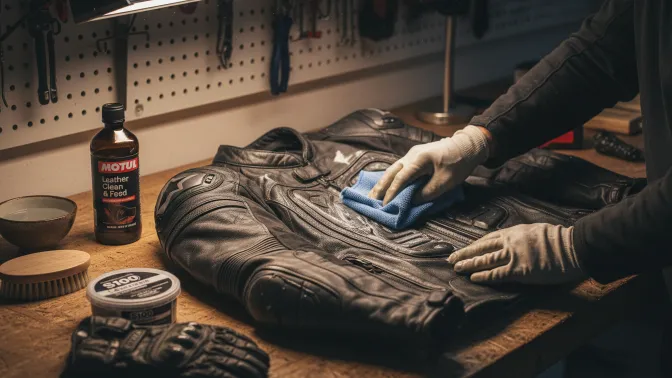
Keeping motorcycle gear clean means using the right methods for each material. Some gear needs gentle treatment to avoid damage, while others can handle more thorough washing. I focus on specific steps for leather, textile fabrics, and helmet parts to maintain safety and durability.
Cleaning Leather Motorcycle Gear
Leather needs special care to stay flexible and strong. I start by wiping off dirt with a damp cloth, avoiding harsh soaps that can dry out the leather. Using a cleaner made for leather is best to remove deeper grime without damaging the surface.
After cleaning, I apply a leather conditioner. This step restores moisture and prevents cracks. It’s important not to over-saturate; a thin layer works well. I always air-dry leather gear away from direct heat or sunlight to keep it from stiffening or shrinking.
Avoid machine washing or soaking leather. Water exposure can cause stains and degrade protective treatments. Regular light cleaning and conditioning keep leather gear reliable and comfortable.
Washing Textile Riding Gear
Textile gear is often machine washable, but I take care to follow manufacturer instructions. I use a gentle cycle with cold water and mild detergent. Strong cleaners or bleach can harm the fabric and any waterproof membranes.
Before washing, I empty all pockets and close zippers and Velcro to prevent damage inside the machine. After washing, I hang textile gear to dry naturally. Heat from dryers can weaken fibers and reduce water resistance.
If the gear is waterproof, I treat it with a spray-on or wash-in product to restore breathability and protection after cleaning. I also check reflective patches and seams regularly to ensure no damage is hidden by dirt.
Helmet and Visor Care
A clean helmet and visor are vital for clear vision and safety. I use a soft cloth and mild soap solution to clean the outer shell. Avoiding strong chemicals prevents weakening the helmet’s protective materials.
For the visor, I rinse first with water to remove loose dirt. Then, I gently clean it with a microfiber cloth and a cleaner designed for visors. This prevents scratches and keeps visibility clear. Anti-fog treatments can be applied when needed to improve riding safety.
Inside, helmet liners and pads may be removable. I wash these on a gentle cycle or hand wash carefully and allow them to air-dry completely before reinstalling. Proper drying avoids mold and odor buildup inside the helmet.
Regular Inspection and Maintenance
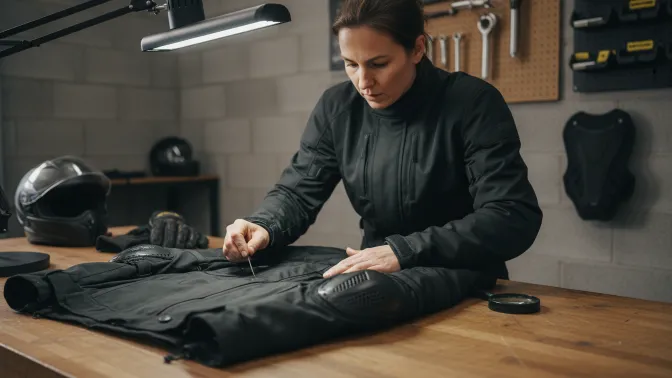
Keeping motorcycle riding gear in good condition takes regular attention. I focus on spotting damage early, making sure every part holds up, and preventing small problems from becoming bigger. This involves checking the material, examining the stitching, and caring for zippers and fasteners.
Checking for Wear and Tear
I start by looking closely at areas that face the most stress, like elbows, knees, and shoulders. These spots often show signs of rubbing or thinning first. Any holes, cuts, or worn fabric should be addressed quickly to stop further damage.
Leather and textile gear need different care, but both should be clean and dry before inspection. I also check reflective patches or any protective padding for cracks or looseness. Regular cleaning with proper products helps keep materials strong—leather needs conditioners, while textiles benefit from gentle detergents. For more tips on fabric care, I rely on RevZilla’s gear maintenance guide.
Assessing Stitching and Seams
The seams are the skeleton of your gear. I examine every stitch, focusing on areas that bend or stretch often. Loose threads or gaps mean the gear has weakened and could fail in an accident.
I use a bright light and sometimes magnification to spot small problems. Reinforcing seams or making repairs soon after noticing issues keeps my gear safe. Quality gear often uses double or triple stitching for strength, so knowing what’s normal for your jacket or pants helps identify when repairs are needed.
Zipper and Fastener Lubrication
Zippers and fasteners are often overlooked but crucial for gear longevity. I inspect zippers for missing teeth or stiffness. Dirt and grit cause most zipper problems, so I clean them regularly with a soft brush.
After cleaning, I apply zipper lubricant to make sure they slide smoothly. Any buckle or snap fastener gets the same treatment to avoid rust or sticking. Consistent care here prevents frustrating breakdowns on the road. For recommended lubricants, websites like Cycle Gear offer trusted product options.
Effective Gear Storage
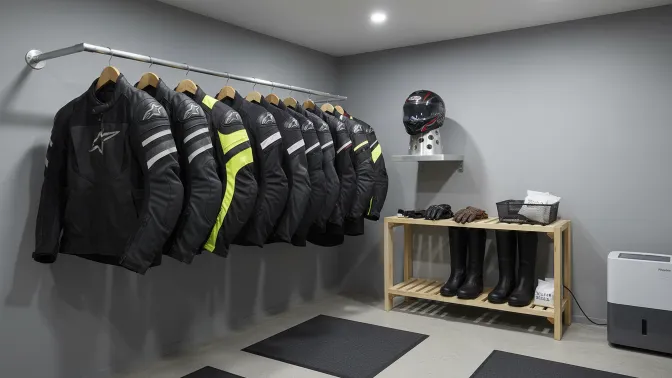
To keep motorcycle riding gear in good shape, it’s important to pay close attention to where and how you store it. The right environment and protection from damage will help your jacket, gloves, and helmet last longer and stay safer.
Storing in Optimal Conditions
I always store my gear in a cool, dry place with stable temperatures. Extreme heat or cold can weaken materials like leather and synthetic fabrics, causing cracks or stiffness. I also avoid areas with high humidity because moisture can lead to mold, mildew, and unpleasant odors.
Using breathable storage bags or covers lets air circulate, preventing moisture buildup. I steer clear of plastic bags, which trap humidity. Instead, I often hang jackets on wide, padded hangers to keep their shape. Gloves and helmets get stored on shelves or stands that support their form and allow airflow.
Organizing gear in a clutter-free space helps me find everything quickly and reduces the chance of accidental damage.
Avoiding Sunlight and Moisture Damage
Direct sunlight fades colors and dries out materials, making leather brittle and fabrics weaker. I store my outdoor gear away from windows and bright lights. If sunlight is unavoidable, I use UV-blocking covers or shades to protect the gear.
Moisture is a bigger risk than many think. After rides in rain or snow, I dry my gear completely before storing it. Damp helmets or gloves can develop mold quickly if left in enclosed spaces. I use absorbent packs or silica gel inside helmets to keep humidity low.
By controlling these factors, I reduce wear and keep my gear functioning well, ride after ride.
Protecting Against Environmental Damage
Keeping my motorcycle gear in good shape means guarding it against water, sun, mold, and bad smells. Using the right products to shield it from rain and UV rays helps maintain its material and color. At the same time, stopping mold growth and odors keeps my gear fresh and safe to wear.
Applying Water and UV Protection
I always apply water repellents to my gear, especially jackets and gloves made from leather or textile. These sprays create a thin barrier that stops water from soaking in, which prevents damage like stiffness or cracking. For leather, I use conditioners with water resistance included, maintaining softness while keeping moisture out.
Sunlight can fade colors and weaken fabric over time. Using sprays with UV protection blocks harmful rays and prevents material breakdown. Products with both water and UV protection offer the best defense, so I make sure to pick those when available.
It’s important to follow the manufacturer’s instructions and apply these treatments regularly, especially before long rides. For more details on protecting outdoor gear, resources like REI Expert Advice can be very helpful.
Preventing Mold and Odors
After riding in wet or humid conditions, I make sure to dry my gear completely before storing it. Mold grows quickly on damp materials, causing stains and weakening the fabric. Leaving gear in a well-ventilated space with some airflow stops mold buildup and keeps the material fresh.
Washing gear regularly with proper cleaners designed for motorcycle textiles or leather kills bacteria that cause odors. Avoid harsh detergents, which can strip protective coatings and dry out leather. I use odor eliminators made for sports gear to neutralize smells without covering them up.
For long-term storage, I sometimes add moisture absorbers or silica gel packs to prevent mold. These small steps stretch the life of my gear and keep it comfortable. You can find more tips about gear care and odor control at Motorcycle Cruiser’s Cleaning Guide.
Timely Repairs and Part Replacements
Keeping your riding gear in good shape means acting quickly when you notice damage or wear. Small fixes prevent bigger problems, and swapping out old parts keeps the gear functioning as it should. Paying attention to repairs and replacements helps maintain safety and comfort on every ride.
Fixing Minor Damages
When I spot small tears or loose stitching in my jacket or gloves, I fix them right away. Even minor rips can get worse quickly from wind and movement. Using strong thread and patches designed for motorcycle gear works best. For zippers that stick or break, I clean them and use lubricants or replace them to avoid problems mid-ride.
I also watch for cracks or scratches on my helmet’s visor. Polishing small scratches can improve visibility, but deep cracks mean replacing the visor immediately. Ignoring these issues puts me at risk of gear failure and injury. Staying on top of minor repairs saves me time and money down the road.
Replacing Worn Pads and Linings
Pads and linings in my gear absorb shocks and add comfort, so they can wear out fast. I check my jacket, gloves, and pants regularly to spot thinning or hardening foam and replace parts as needed. Riding with worn padding reduces protection and can lead to discomfort or injury.
For liners, sweat and dirt break down the fabric, so I replace or wash them often to avoid odor and skin irritation. Some gear lets me swap liners easily, which extends the life of outer shells. Paying close attention to these parts keeps my gear effective and comfortable.
Choosing Durable Riding Gear
When I look for riding gear that lasts, I focus on materials known for strength and weather resistance. I also trust brands with proven quality, which often means better construction and longer use. These choices save money and keep me safer on every ride.
Materials That Increase Gear Longevity
Durability starts with materials. I prefer gear made from Cordura and Kevlar because they resist tearing and abrasion well. Leather is another strong choice, especially thick cowhide, but it needs regular care to avoid drying out.
For weather protection, waterproof fabrics like Gore-Tex help keep gear dry without sacrificing breathability. I also look for reinforced stitching and heavyweight textiles that add to the gear’s lifespan.
Reflective strips and coatings can fade over time, so I choose those that stay visible after many washes. Good materials balance durability with comfort, because poorly chosen fabrics won’t get used much.
Selecting Quality Brands
Brand matters. I trust manufacturers with a history of making certified gear. Brands that meet DOT, ECE, or Snell standards for helmets, for example, show they focus on safety and quality control.
I look for customer reviews and expert tests to find brands that stand behind their products. Pricing can reflect durability—very cheap gear often sacrifices material quality or craftsmanship.
Some brands specialize in specific gear types, like jackets or boots, often resulting in better durability. I pay attention to their warranty and repair policies. A brand willing to fix or replace gear adds value and confidence in its long-term use.
Best Practices for Daily Use
Taking care of motorcycle riding gear starts with how you wear and handle it every day. Small habits can make a big difference in keeping your gear strong, safe, and lasting longer.
Proper Wearing and Removal
I always make sure my gear fits well before riding. Wearing gear that’s too tight or loose can cause extra wear or damage over time. For example, zip up jackets fully to avoid stress on zippers and seams.
When taking off my gear, I remove gloves and helmets gently. Rough removal, like pulling gloves or helmets quickly, can weaken straps and fasteners. I avoid dragging my gear on rough surfaces too. This prevents scratches, tears, and worn spots that are hard to fix.
I also check my gear regularly for signs of damage. Early spotting of loose stitching or worn pads helps me fix small problems before they get worse. Using protective storage like a breathable bag keeps my gear clean when I’m not using it.
Avoiding Misuse of Gear
I never wear riding gear for activities other than riding. Using gloves or jackets for heavy work or sports can damage them. Motorcycle gear is designed for impact and abrasion protection during riding, not for general use.
I avoid exposing my gear to harsh chemicals like gasoline or strong cleaners. These can weaken materials like leather and textiles. Instead, I clean my gear with products made specifically for motorcycle equipment.
Heat and sunlight can also break down my gear materials. I store gear in cool, shaded places and let it dry naturally if wet. Avoiding long exposure to sun helps maintain colors and strength.
By handling gear only as designed and caring for it properly, I keep its protective features working longer and avoid costly replacements.
When to Retire Old Motorcycle Gear
I know it’s hard to part with gear that feels like a second skin. But knowing when to retire old motorcycle gear is important for safety. Gear that is too worn out may not protect me properly in a crash.
I look for visible signs of damage like tears, cracks, or worn seams. If my jacket or gloves have holes or the material is thinning, it’s time to think about replacement. These issues reduce the gear’s ability to absorb impact.
Another key point is the age of the gear. Even if it looks fine, helmets and protective wear lose their effectiveness over time. Most manufacturers suggest replacing helmets every 5 years. Other gear like leather jackets or gloves can last longer but should still be checked regularly.
I also pay attention to fit and comfort. If my gear starts to feel loose, stiff, or uncomfortable after breaking it in, it may no longer offer proper protection. Comfort plays a big part in how well the gear works in a crash.
Here’s a quick list of signs I watch for to retire gear:
- Rips, tears, or thinning fabric
- Broken or stiff zippers and fasteners
- Helmet with dents or cracks
- Loss of padding or armor effectiveness
- Fit changes that reduce coverage
I replace gear when any of these signs appear to keep myself safe on the road.
FAQs
How often should I clean my motorcycle gear?
I clean my gear regularly but avoid doing it too often. Dirt and sweat build up over time and can wear out materials. Usually, washing every few rides or when it looks dirty works well. Always follow the care instructions on the label.
Can I use regular detergent on my riding jacket?
No, I don’t recommend regular detergent. It can damage protective coatings or fabrics. Instead, use a cleaner made for motorcycle gear or a mild soap. This keeps the material strong and safe.
What is the best way to store my gear?
I store my gear in a cool, dry place away from sunlight. Direct sun can cause fading and weaken materials. Hanging jackets on wide hangers helps keep their shape. Gloves and helmets should be kept in breathable bags or cases.
How do I check if my gear is still safe to use?
I inspect mine regularly for tears, loose stitching, or worn-out padding. If the material feels thin or you spot damage, it might not protect you well anymore. Replace any parts that look compromised to stay safe.
Is it worth repairing old gear?
If the damage is small, like a tear or missing zipper, repairing makes sense to extend its life. But I don’t trust heavily worn or outdated gear. Safety is a priority, so sometimes it’s better to buy new equipment.
Conclusion
Taking good care of my motorcycle riding gear makes a big difference in how long it lasts. Regular cleaning, proper storage, and timely repairs help keep my jacket, gloves, and other gear safe and functional.
I pay close attention to signs of wear like loose seams or damaged armor. These can affect both comfort and protection if left unchecked. Fixing small problems right away prevents bigger issues down the road.
Here are some key steps I follow:
- Clean gear regularly to remove dirt and sweat
- Store it in a cool, dry place away from sunlight
- Inspect for damage and repair as needed
- Use waterproofing treatments to protect against rain
By sticking to these simple actions, I keep my riding gear ready for the road and protect my investment. Well-maintained gear works better, looks better, and offers better protection.
I believe that the time spent caring for my gear is worth it. It helps me ride confidently knowing my equipment stays in good condition season after season.
