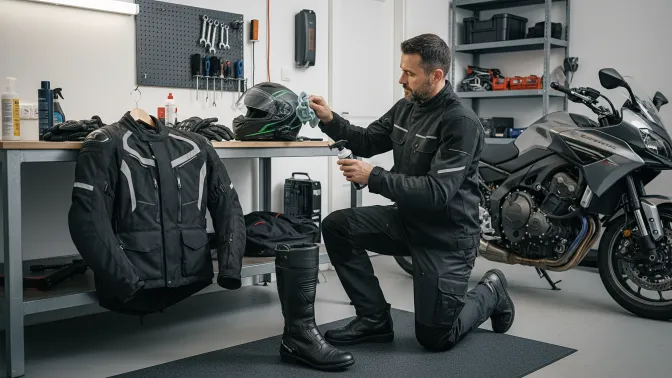
Maintaining motorcycle riding gear is important for both safety and comfort. Proper care keeps your helmet, jacket, gloves, boots, and pants in good shape, which helps protect you while riding. Cleaning, inspecting, and storing your gear properly ensure it lasts longer and performs well every time you go out.
Taking care of your gear doesn’t have to be complicated. Simple steps like washing correctly, checking for damage, and storing items in the right way can make a big difference. I will share practical tips to help you keep your motorcycle gear safe, clean, and ready for the road.
Key Takeways
- Regular cleaning and inspection keep gear safe and reliable.
- Proper storage helps prevent damage and wear.
- Small maintenance habits can extend the life of your gear.
Cleaning Your Motorcycle Helmet
Keeping my helmet clean is important for safety, comfort, and durability. I focus on cleaning the outside shell, the visor, and the inside liner separately. Each part needs different care to stay in good shape and protect me properly.
Exterior Cleaning Procedures
When I clean the exterior, I start by removing dust and dirt with a soft cloth or microfiber towel. I use warm water mixed with mild soap to gently wipe down the shell. Harsh chemicals or strong detergents can damage the helmet’s finish and sometimes affect its protective ability, so I avoid them.
If bugs or stubborn grime are stuck, I soak a damp cloth over the area for a few minutes before wiping. This softens the residue without rubbing hard. After cleaning, I dry the helmet with a clean, soft cloth. Regular exterior cleaning keeps the helmet looking good and prevents wear caused by grime or salt buildup.
Visor and Shield Care
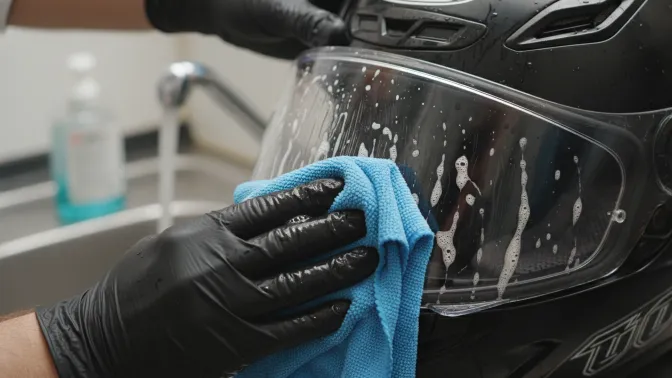
My visor needs careful attention because it affects my vision and safety. I remove it if possible, following the helmet instructions. I clean it using a soft cloth and warm, soapy water, avoiding glass cleaners and abrasive materials that can scratch or fog the surface.
For spots that won’t come off easily, I soak the visor briefly. I dry it gently with a microfiber cloth to prevent streaks or scratches. Some helmets have anti-fog or coated visors, so I always use cleaners designed for them to keep these layers intact.
Interior Liner Maintenance
The inside liner collects sweat, dust, and oils, so I remove it whenever I clean the helmet. Most liners are made to be hand-washed with mild soap and cool water. I soak and lightly scrub the fabric without twisting or wringing to avoid damage.
After washing, I air-dry the liner completely before putting it back. This stops mold and unpleasant smells from forming. If the liner isn’t removable, I use foam or spray cleaners made for helmets, applied lightly to freshen it up between deep cleans.
Preserving Motorcycle Jackets
Keeping your motorcycle jacket in good shape means regular care specific to the jacket’s material. Whether it is leather or textile, cleaning and proper storage play big roles in preserving its look and protective features.
Leather Jacket Maintenance
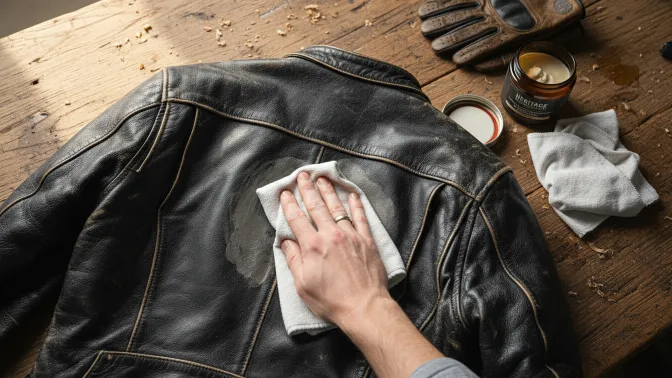
Leather jackets need gentle cleaning and conditioning to stay soft and strong. I start by wiping off dirt with a damp cloth. Avoid soaking the leather because water can dry it out and cause cracks. Using a leather cleaner made for motorcycle gear helps remove grime without damage.
After cleaning, I apply a leather conditioner to restore moisture and prevent stiffness. This step is vital, especially if the jacket gets wet or is exposed to sunlight. Always let the jacket dry naturally, away from heaters or direct sun.
To store leather jackets, I hang them on wide wooden hangers to keep their shape. Avoid plastic bags; instead, use breathable garment covers. Learn more about leather care at the Leather Care Institute.
Textile Jacket Cleaning
Textile jackets require a different approach. I usually brush off loose dirt first. Then, I check the manufacturer’s label because some textiles can be machine washed on a gentle cycle using mild soap.
When washing, I remove any armor or liners. I let the jacket air dry thoroughly before storing to avoid mildew. For stubborn stains, I use specialized textile cleaner designed for motorcycle gear.
Proper storage involves hanging the jacket in a dry place, away from sunlight. Treating the fabric with a water-repellent spray after cleaning helps keep it resistant to rain. For detailed textile jacket care tips, see RevZilla’s guide.
Glove Care and Longevity
Taking care of motorcycle gloves means cleaning them properly and storing them right. Different materials need different care. Keeping gloves clean prevents damage and keeps them comfortable during rides.
Cleaning Leather Gloves
Leather gloves need gentle cleaning to avoid drying out or cracking. I start by wiping off dirt with a damp cloth. For deeper cleaning, I use a leather cleaner or a mild soap diluted in water. I avoid soaking the gloves or using harsh chemicals.
After cleaning, I dry the gloves naturally, away from direct heat or sunlight. Once dry, I apply a leather conditioner to keep the material soft and flexible. This prevents stiffness and extends the life of the gloves.
I store leather gloves in a cool, dry place, avoiding folding or crumpling to keep their shape intact.
Maintaining Textile Gloves
Textile gloves usually have fabrics like nylon or polyester, which handle water better than leather. I check the label for washing instructions before cleaning. Most textile gloves can be hand-washed or put in a gentle machine cycle with cold water.
I use a mild detergent and avoid bleach or fabric softeners because they can break down the fabric or reduce water resistance. After washing, I air dry them flat to keep the shape and avoid shrinkage.
For long-term care, I keep textile gloves away from direct sunlight and heat sources. I also make sure to store them in a dry place to prevent mold or odors.
Boot Maintenance for Riders
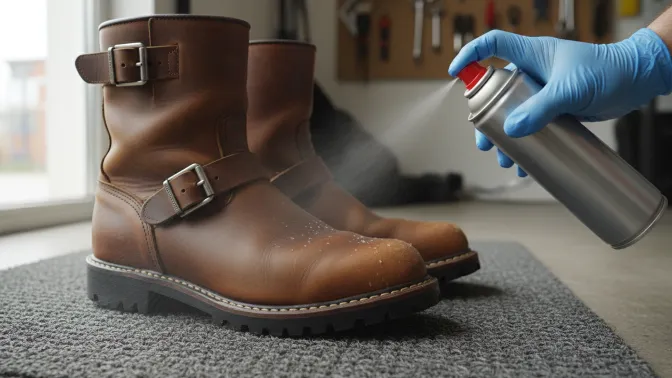
Keeping your motorcycle boots in good shape means cleaning them properly and protecting them from water damage. It’s important to remove dirt and grime without hurting the material, and then add a layer of waterproofing to extend their life and safety.
Cleaning Techniques for Boots
I always start by removing loose dirt with a soft brush or damp cloth. For leather boots, I use a cleaner made specifically for leather to avoid drying or cracking. Synthetic boots need gentler soap and water.
When cleaning, I focus on the seams and soles because dirt builds up there and can break down the materials. After washing, I dry them at room temperature and never near direct heat, which can cause damage.
If my boots have suede parts, I use a suede brush instead of water to keep the texture soft. Regular cleaning not only keeps boots looking good but also ensures they stay comfortable and safe while riding.
Waterproofing and Protection
To keep my boots water-resistant, I apply a waterproofing spray or wax designed for their material after cleaning. Leather boots benefit from conditioners that also restore oils the material loses over time.
Waterproofing helps prevent water from soaking in, which can lead to discomfort and damage. I make sure to cover all surfaces evenly, including zippers and seams. For suede, I use sprays made specifically for that fabric to avoid stains.
Protecting boots this way also keeps them flexible and extends their life. I reapply waterproofing every few months, especially during wet seasons or after heavy cleaning. This simple step helps ensure my boots protect me fully on every ride.
Protecting Riding Pants
Riding pants need careful attention to keep their protective qualities intact. I focus on cleaning methods that avoid damaging armor and fabrics. Proper care also means inspecting for wear and replacing parts when needed.
Washing Riding Jeans
When washing riding jeans, I treat them like regular jeans but more gently to preserve protective materials like Kevlar. First, I remove any removable armor or padding and wash those separately by hand if possible. I use a mild detergent and cold water, avoiding bleach or fabric softeners because they can weaken fibers.
I turn my jeans inside out before machine washing on a gentle cycle to reduce wear. After washing, I always air dry them, never using a dryer. Heat can shrink or damage the fabric and armor inserts. Regularly checking seams and armor areas keeps me safe by spotting any damage early.
Cleaning Textile Pants
Textile pants require extra care since many have waterproof liners or membranes. I start by removing armor and hand washing it to avoid deforming. For the pants, I prefer hand washing with mild soap to protect waterproof layers and fabric.
If using a washing machine, I choose a gentle, cold water cycle and mild detergent designed for technical fabrics. I avoid detergents with additives or bleach. After washing, I hang the pants to air dry away from direct sunlight or heat, which can degrade waterproof coatings.
I also reapply waterproof spray or treatments after washing to keep the pants water-resistant. Regularly inspecting the seams and waterproof linings helps maintain protection. This care routine extends the pants’ lifespan and keeps me safe every ride.
Proper Storage of Riding Gear
Keeping my motorcycle gear in good shape starts with how I store it. Proper storage prevents damage, extends the life of each piece, and keeps everything ready to use. I pay close attention to how my gear dries and stays fresh, which helps avoid common problems like mold and bad smells.
Drying Gear After Use
After every ride, I make sure my gear is dry before storing it. Wet or damp gear can cause fabric to weaken and metal parts to rust. I hang my jacket, gloves, and pants in a well-ventilated area, away from direct sunlight, since too much sun can fade colors and damage materials.
For helmets, I remove the liner and pads, letting them air dry separately. This stops moisture buildup inside, which can cause skin irritation and unpleasant odors. Using a fan or placing the gear near an air vent speeds up drying without using heat sources that could warp or shrink materials.
Preventing Odors and Mold
To stop odors and mold, I clean my gear regularly and store it somewhere cool and dry. I use mild detergents recommended by gear manufacturers to avoid stripping protective coatings. After cleaning, I let everything dry fully before putting it away.
I also use moisture absorbers or silica gel packs inside my storage closet or boxes to keep humidity low. Organizing gear on hooks or racks helps air circulate and keeps fabrics from clumping together, which reduces mold risk.
For detailed cleaning advice, sources like RevZilla’s gear maintenance guide offer step-by-step tips that I find very practical.
Inspecting Gear for Safety
Regular inspections are crucial to keep my riding gear safe and functional. I look closely for any signs of damage or wear that could reduce protection. Knowing when to replace gear is just as important to avoid risks on the road.
Checking for Wear and Damage
I start by examining all parts of my gear—helmet, jacket, gloves, boots, and pants. For helmets, I check the shell for cracks or dents and test the retention straps for secure fit. Any impact signs mean it needs replacement.
My jacket and pants get a close look for rips, tears, or worn-out seams. I also check zippers and closures because broken fasteners can reduce safety. Gloves are inspected for holes or thin spots where protection is weak. Boots need to be solid, especially at the soles and ankle support.
If anything feels loose, torn, or weak, I mark it for repair or replacement. Small issues can become big safety problems if ignored.
Replacing Worn-Out Equipment
I don’t hesitate to replace gear that no longer protects me properly. Helmets usually last about 5 years or less after a crash. Even if they look fine, materials weaken over time.
For textiles and leathers, I replace items when the damage affects protection. Tiny tears in abrasion-resistant fabric might be okay, but deep cuts or worn padding are not. Gloves and boots need replacement if stitching comes undone or soles get thin.
Keeping track of gear age and condition helps me decide when it’s safer to buy new items. It’s better to spend money on gear than risk injury on the road.
Seasonal Maintenance Tips
Keeping my riding gear in good shape means paying attention to how the seasons affect it. I focus on cleaning, protecting, and storing my gear properly to keep it safe and ready to use.
Summer Gear Care
In summer, sweat and heat can damage my gear. I wash textile gear regularly using mild soap and cold water. I never use harsh detergents or washing machines with strong agitation because those can ruin waterproof coatings.
Leather gear needs conditioning after cleaning to stop it from drying out. I use a leather conditioner to keep it soft and flexible. After every ride, I let my gear air dry in the shade to avoid sun damage and fading.
Helmet interiors also need regular cleaning. I remove the liners and pads to wash them, preventing smells and bacteria buildup. I keep my visor clean with a soft cloth and avoid abrasive cleaners that scratch the surface.
Winter Storage Strategies
Before storing gear for winter, I clean every piece thoroughly. Dirt and sweat left on the gear can cause damage or mold.
For leather, I apply a conditioner one last time. I store leather items in breathable bags, never plastic, to prevent moisture buildup.
Textile gear should be fully dry before storage. I keep zippers closed and store the gear hanging to avoid wrinkles or creases.
Helmets get a soft cover and go in a cool, dry place. I remove the battery if there’s one inside to avoid corrosion.
Keeping gear dry and clean is the key to readying it for next season without damage.
Extending the Lifespan of Your Gear
To keep my motorcycle gear lasting longer, I start with regular cleaning. Dirt, sweat, and grime can break down materials like leather or synthetic fabrics over time. I use mild soap and water for most gear, and special leather conditioner for my jacket and gloves.
I always inspect my gear before rides. Looking for tears, loose stitches, or worn-out parts helps me catch issues early. This simple step prevents small problems from becoming big repairs or replacements.
Proper storage is another key. I keep my helmet out of direct sunlight and away from extreme heat to avoid cracking or fading. Jackets and gloves go in cool, dry places where they can keep their shape.
Here’s a quick checklist I follow to maintain my gear:
| Gear | Maintenance Tip | Frequency |
|---|---|---|
| Helmet | Clean the visor and shell | Monthly or after rides in rain/dirt |
| Leather Gear | Apply conditioner | Every 3-4 months |
| Gloves | Check seams and clean lightly | Weekly or after heavy use |
| Textile Gear | Wash and air dry | After several rides or when dirty |
I also pay attention to reflective materials. If they start peeling or fading, I replace or repair them to stay visible on the road. Sometimes, I take my gear to professionals for deep cleaning and inspections. This helps me be sure no hidden damage is missed.
Keeping my gear in good condition isn’t just for looks. It keeps me safe and comfortable. Taking a few simple steps extends the life of my equipment and saves me money in the long run.
FAQs
How often should I clean my motorcycle gear?
I clean my gear after every few rides or whenever it looks dirty. Regular cleaning helps keep it safe and in good shape. If you ride in bad weather, clean it sooner.
Can I wash all types of gear the same way?
No, different materials need different care. For example, leather needs special cleaners and conditioners. Textile gear can often be machine washed but check the label first.
What’s the best way to dry my gear?
I always air dry my gear away from direct sunlight and heat. Heat can damage the fabric and leather. Avoid using a dryer or placing gear near heaters.
How do I store my gear properly?
I store mine in a cool, dry place with good airflow. Hanging jackets and pants helps keep their shape. Gloves and helmets should be kept clean and away from sunlight.
| Gear Type | Cleaning Method | Drying Method | Storage Tip |
|---|---|---|---|
| Leather | Clean with specialized leather cleaner & conditioner | Air dry, away from heat | Hang or lay flat to avoid creases |
| Textile | Machine wash or hand wash, check label | Air dry, avoid sun | Hang to keep shape |
| Helmet | Wipe inside & outside with mild soap | Air dry | Store in protective bag or case |
How often should I replace my gear?
I replace gear when it shows signs of wear that affect safety, like cracks, tears, or worn padding. Helmets should be replaced every 5 years or after a crash.
Conclusion
Maintaining my motorcycle gear is important to keep it safe and lasting longer. I make sure to clean and condition leather regularly. This stops the material from drying out and cracking.
Proper storage is another key step. I store my gear in a cool, dry place, away from sunlight and moisture. This helps keep it in good shape when I am not riding.
I also check my gear often for any damage or wear. Fixing small tears or replacing worn parts early keeps me protected on the road.
Here’s a quick checklist I follow:
- Clean gear after every few rides
- Use leather conditioner on jackets and gloves
- Store gear properly to avoid mold or fading
- Inspect for damage regularly
- Repair or replace parts as needed
By caring for my gear, I protect my investment and my safety. Each step might take some time, but it is worth it for peace of mind every time I ride.
