
Measuring for a full face motorcycle helmet is essential to ensure maximum safety and comfort while riding. This guide walks you through simple steps to find your exact head size, helping you pick the right helmet that fits perfectly and protects effectively.
Key Takeaways
- Accurate measurement: Using a flexible tape measure properly ensures the best fit.
- Measure the head circumference: The key to choosing the right helmet size.
- Consider helmet shape: Different helmets suit different head shapes (round, oval, intermediate).
- Try the helmet on: Always test fit before buying to confirm comfort and security.
- Check helmet safety standards: Proper fit enhances the helmet’s protective capabilities.
- Replace old helmets: Helmets degrade over time and may not protect adequately.
- Comfort matters: A good fit feels snug but not too tight to avoid discomfort on long rides.
How to Measure for a Full Face Motorcycle Helmet
Choosing the right full face motorcycle helmet starts with knowing your exact head measurements. A helmet that fits well not only offers better protection but also makes your ride comfortable and enjoyable. In this guide, you will learn how to measure your head correctly, understand helmet shapes, and make an informed purchase decision. Let’s get started!
Step 1: Gather Your Tools
Before you begin measuring, you will need a few simple items:
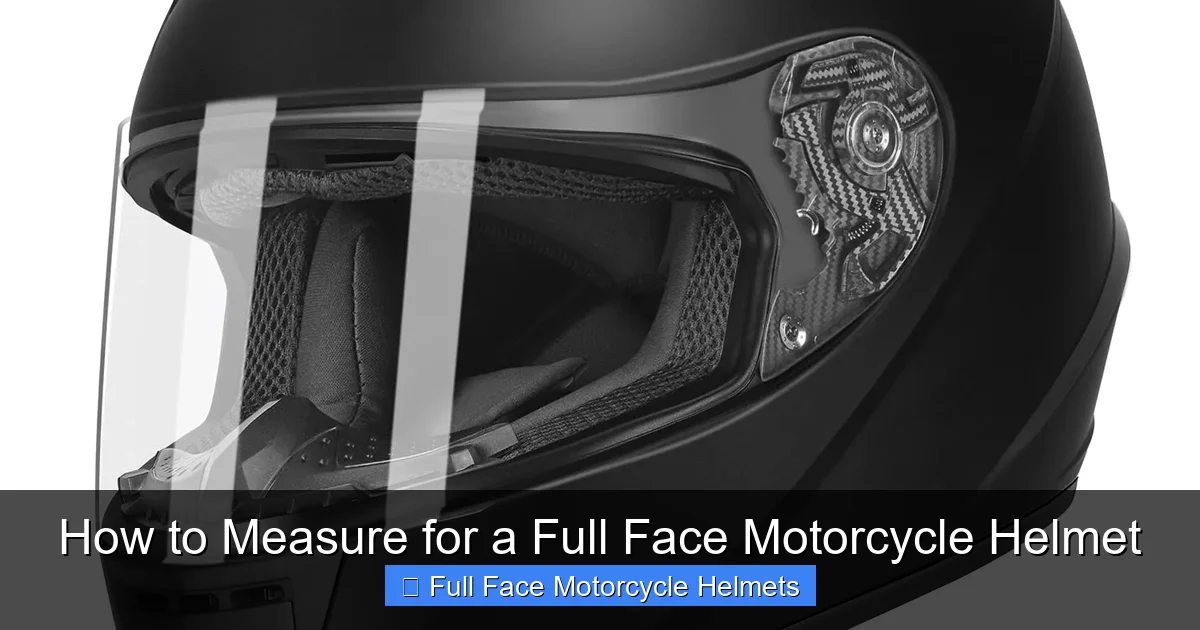
Visual guide about How to Measure for a Full Face Motorcycle Helmet
Image source: m.media-amazon.com
- A flexible measuring tape (tailor’s tape works best)
- A mirror or a friend to help
- A pen and paper to note down your measurements
Step 2: Prepare to Measure Your Head
For an accurate measurement, follow these tips:
- Remove any hats, hair accessories, or bulky hairstyles.
- Keep your hair in its normal position if possible.
- Stand upright and look straight ahead.
Step 3: Measure Your Head Circumference
Locate the Correct Measurement Points
Place the tape measure around the widest part of your head. This is typically about 1 inch (2.5 cm) above your eyebrows and just above your ears, wrapping around the back of your head at the largest point.
Take the Measurement
Wrap the tape snugly but not too tight. You want the tape to rest evenly all around your head without pressing into the skin. Look in the mirror or have a friend help to ensure the tape is level.
Record the Measurement
Note the number where the tape meets itself. This number is your head circumference, usually measured in centimeters or inches. If your measurement falls between sizes, always choose the larger size for comfort.
Step 4: Understand Helmet Sizing and Shapes
Know Your Size Chart
Helmets generally come in sizes from XS to XXL or by numeric sizes (e.g., 55, 56, 57 cm). Check the manufacturer’s sizing chart with your head measurement to find your size.
Identify Your Head Shape
Full face helmets come in different interior shapes:
- Round Oval: Equal width and length of the head; common in American brands.
- Intermediate Oval: Slightly longer front to back; typical in European helmets.
- Long Oval: Longer front to back than side to side; preferred by Asian riders.
Knowing your head shape helps select a helmet that fits well inside, preventing pressure points.
Step 5: Try on Helmets and Check the Fit
Put the Helmet On
When you try on a helmet, it should fit snugly all around your head without causing pain.
Check for Pressure Points
Wear the helmet for a few minutes to see if any spots feel uncomfortable. A new helmet might feel tight initially but should not cause headaches or pinching.
Test the Helmet’s Position
The helmet should sit level on your head, with the front edge just above your eyebrows to protect your forehead. Shake your head gently to ensure the helmet doesn’t move side to side or up and down excessively.
Secure the Chin Strap
Fasten the chin strap snugly. You should be able to fit no more than two fingers between the strap and your chin.
Step 6: Additional Tips for Measuring and Selecting
- Measure multiple times: Double-check your measurement on different days to account for any slight variations.
- Consider helmet liners: Some helmets come with removable liners that affect fit.
- Account for gear: If you wear glasses or ear plugs, try the helmet on with them.
- Allow a break-in period: Helmets may feel tighter initially but soften slightly after short rides.
Troubleshooting Fit Issues
Helmet Feels Too Tight
If the helmet causes pain or discomfort, try a different size or a different brand with a different head shape. Avoid forcing a helmet that is too small.
Helmet Feels Loose
A loose helmet won’t protect you properly. Try a smaller size or add thicker cheek pads if the helmet allows.
Pressure Points
If you notice specific pressure spots, try a different helmet model or shape. Custom padding can sometimes help.
When to Replace Your Helmet
Always replace your helmet after a crash, even if there’s no visible damage. Helmets also degrade over time — manufacturers generally recommend replacement every 5 years to maintain safety standards.
Conclusion
Measuring for a full face motorcycle helmet is simple yet crucial. Using a flexible tape measure correctly and understanding your head shape will guide you to the perfect fit. Remember, a well-fitting helmet offers the best protection and makes every ride safer and more comfortable. Take your time, try multiple helmets, and choose wisely. Your head will thank you!
🎥 Related Video: SHOEI Tech Tip – Helmet Fit
📺 ShoeiHelmetsUSA
To help maximize head protection and safety, your helmet must fit properly, and the retention system must be securely fastened …
