Measuring your motorcycle helmet size is simple but important for safety and comfort. To find the right size, you need to measure the circumference of your head just above your eyebrows with a flexible tape measure. This measurement will help you pick the helmet that fits snugly without being too tight or too loose.
Getting an accurate measurement ensures your helmet can protect your head properly in a crash. I recommend asking someone to help you with this because it takes precision to find your largest head size. Once you know your measurement, you can compare it to sizing charts from helmet brands to choose the right fit.
Wearing the right helmet size also makes your ride more comfortable and keeps the helmet in place during your trip. In this article, I’ll show you how to measure your head correctly and give tips to avoid common sizing mistakes so you end up with a helmet that works perfectly for you.
Key Takeaways
- Measure your head around the widest point for accurate sizing.
- Use the measurement to compare with helmet sizing charts.
- A proper fit improves both safety and comfort while riding.
Motorcycle Helmet Sizing
Getting the right helmet size means more than finding the right number on a chart. You need to consider how well it fits your head shape and which sizing standards apply. This helps me pick a helmet that is both safe and comfortable.
Why Helmet Fit Matters
A helmet that fits well protects your head better during a crash. If it’s too loose, it can move and fail to absorb impact correctly. If it’s too tight, it causes discomfort and distracts me while riding.
Proper fit also means the helmet won’t cause pressure points or pain. I test a helmet by putting it on, then trying to move it side to side and up and down. It should feel snug without hurting. Comfort over long rides is just as important as safety.
Helmet Size vs. Head Shape
Helmet sizes are based on head circumference, but shape plays a big role too. Some helmets are designed for long oval heads—longer front to back than side to side. Others fit an intermediate oval, which is slightly longer than wide.
I measure my head just above the eyebrows and around the largest part. Then, I check if the helmet shape matches my head. If it doesn’t, I might find gaps or pressure points even if the size is right. Knowing my head shape helps me choose a helmet I can wear comfortably for hours.
Common Helmet Sizing Standards
Helmet sizes often follow three main standards: Snell, DOT, and ECE. Each has its rules and testing methods.
- DOT (Department of Transportation) is used mainly in the U.S. It sets basic safety standards.
- ECE (Economic Commission for Europe) applies in Europe and has stricter testing for impact and safety.
- Snell is a private organization with even tougher tests than DOT or ECE.
When I buy a helmet, I look for these certifications on the label. They ensure the helmet meets minimum safety standards. Knowing which sticker applies is important depending on where I ride.
Preparing to Measure Your Head
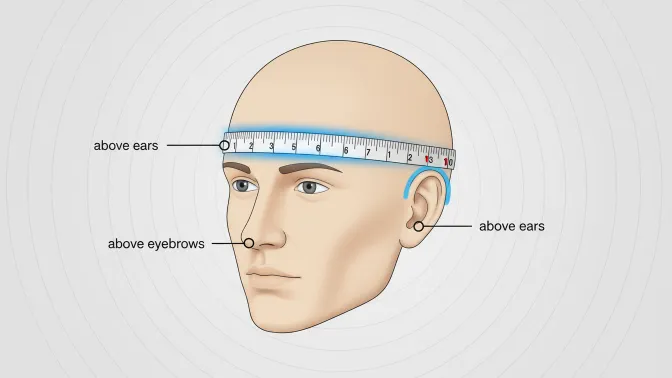
Before measuring, I make sure I have the right tools, find a good spot with proper lighting and a mirror, and know how to take clear, accurate measurements. These steps help me avoid mistakes and get the best fit for my helmet.
Choosing the Right Measuring Tools
I use a flexible tape measure to get an exact reading of my head size. A cloth or soft plastic tape measure works best because it bends easily around the curves of my head. If I don’t have one, I use a piece of string and then measure the string with a ruler.
I avoid rigid rulers or metal tapes because they don’t wrap around the head well. Having a mirror handy also helps me check that the tape or string stays in the right place.
Selecting an Ideal Location
I pick a spot with good lighting so I can see clearly while measuring. Standing in front of a mirror helps keep the tape measure level and in place when I wrap it around my head.
I choose a flat surface nearby for writing down the number right away. This way, I don’t forget the measurement. The room should be quiet and free from distractions so I can focus without rushing.
Ensuring Accurate Measurements
I place the tape measure about one inch above my eyebrows and just above the ears. This area is the largest part of the head, giving the most accurate helmet size.
I pull the tape snug but not tight. It should touch my skin comfortably without digging in. Asking a friend to help is useful because it’s hard to keep the tape perfectly level on my own. I take 2-3 measurements to make sure the size is consistent before recording the number.
Step-By-Step Guide to Measuring Helmet Size
To get the right motorcycle helmet size, I focus on three main things: measuring my head circumference, understanding my head shape, and noting down the measurements accurately. Each step helps me find a helmet that fits well and feels comfortable.
How to Measure Head Circumference
First, I use a flexible measuring tape to measure around my head. I place the tape just above my eyebrows and ears, circling the widest part of my forehead. This ensures I capture the full circumference where the helmet will sit.
I pull the tape snug but not tight. If I don’t have a tape measure, I use a piece of string and then measure the string with a ruler. I take the measurement twice to be sure it’s accurate.
This number, in centimeters or inches, is what I use to find my helmet size on brand-specific sizing charts. Since sizes may vary, it’s important to check the chart for the helmet I want. For more tips on measuring, the Helmet Safety Institute offers detailed guidance.
Determining Head Shape
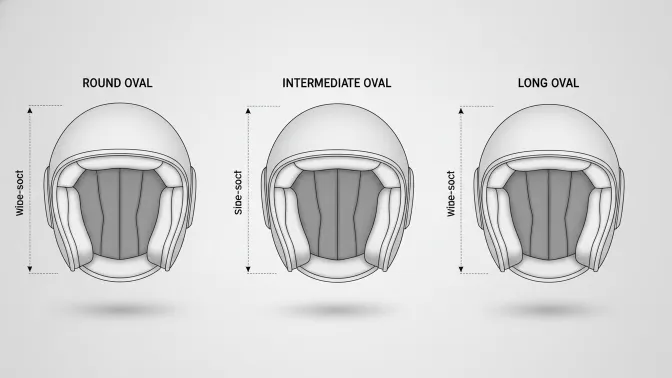
Knowing if my head is round, oval, or intermediate helps me pick a helmet that fits better. Most helmets are designed for either round or oval heads, and choosing the wrong shape can make the helmet uncomfortable.
To figure out my head shape, I look at the widest part of my head. If it’s widest side to side, my head is likely round. If it’s wider front to back, it’s more oval. Looking in the mirror or getting someone to help can make this easier.
Helmets made for your head shape will sit better and feel more secure, which improves safety and comfort during long rides.
Recording Your Measurements
After measuring, I write down the head circumference and note the head shape. Keeping these details handy helps when ordering helmets online or shopping in stores.
I also record the brand and size each helmet corresponds to, since sizes differ across manufacturers. This avoids confusion when trying different models.
If I get a new haircut or change weight significantly, I re-measure to ensure the helmet fits correctly. Keeping a record over time helps track any changes.
For easy comparison, I use a simple chart like this:
| Measurement | Value |
|---|---|
| Head Circumference | XX cm or inches |
| Head Shape | Round/Oval |
| Helmet Brand & Size | Brand – Size |
I find this organized approach avoids surprises and helps me buy the safest helmet possible.
Using Helmet Sizing Charts
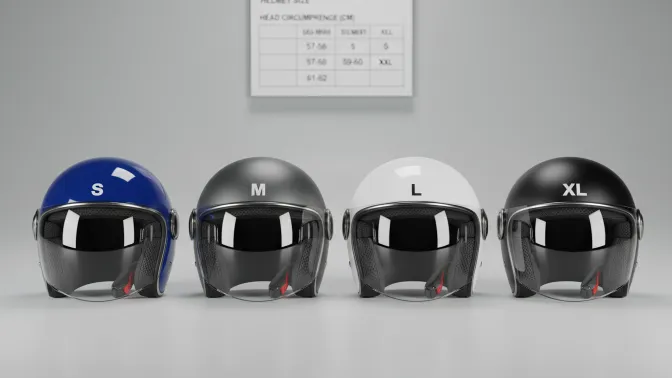
To use a helmet sizing chart well, I first need to measure my head accurately. Then, I compare that measurement to the chart to find my proper helmet size. One important step is understanding how each chart works and knowing that sizes can vary by brand.
Interpreting Manufacturer Charts
Most manufacturers provide sizing charts that show head circumference measurements matched to sizes like Small, Medium, Large, or numeric values like 57 cm, 58 cm, and so on. I carefully measure my head around the largest part, about 1 inch above my eyebrows, and note the number in centimeters or inches.
The chart will tell me which size fits that measurement. If my size falls between two options, I usually pick the smaller one because helmets stretch or loosen slightly with use. Some charts include head shape info too, which helps select a more comfortable fit.
I keep in mind that sizes listed are guidelines. I always try the helmet on to check how tight it feels before buying.
Adjusting for Different Brands
Helmet sizes are not the same across all brands. A Medium from one company might fit differently than a Medium from another. I learn this by checking each brand’s own size chart and comparing my measurement to their ranges.
Since helmet shapes differ, some brands fit round heads better, others suit oval heads. I pay attention to brand details on shape and fit style.
If I’m buying a helmet brand for the first time, I look for reviews or user feedback about fit. This helps me avoid surprises. When needed, I try on a few sizes or brands to find the best comfort and safety for my head.
Trying On Motorcycle Helmets
When I try on a motorcycle helmet, I focus on how it feels right away and after a few minutes. I pay close attention to where it presses on my head and if it feels secure without being too tight. This helps me find a helmet that fits safely and comfortably for longer rides.
Assessing Proper Helmet Fit
First, I put the helmet on by pulling it over my head evenly, making sure it sits level and not tilted. A proper fit means the helmet presses firmly around my entire head without causing pain. I check that it hugs my temples, the back of my head, and my forehead evenly.
Next, I shake my head gently from side to side and up and down. The helmet should move with my head and stay in place without sliding. I also feel for any pressure points that might cause discomfort later.
I try wearing the helmet for at least five minutes to see if it remains comfortable. I check the chin strap to ensure it’s snug but not tight enough to cut off breathing or cause irritation.
Identifying Fit Issues
If I notice any pain spots or discomfort, it usually means the helmet is too tight in that area. Common trouble spots include the forehead and the sides above the ears. This can cause headaches if worn too long.
If the helmet moves excessively when I shake my head, it’s likely too big or the padding inside doesn’t fit well. A loose helmet won’t protect properly in a crash as it can shift or come off.
Also, gaps around the cheeks or forehead can let wind in and reduce safety. If I find these, I try a different size or shape. Some helmets come in different shapes like round, intermediate oval, or long oval to better fit different heads.
I always make sure to test multiple helmets before choosing one to avoid these common fit problems.
Tips for Buying the Right Helmet Size
Finding the right motorcycle helmet size requires attention to detail beyond just measuring your head. It’s important to know what to do if your measurement falls between sizes and understand how helmet padding affects the fit and comfort.
What to Do If Between Sizes
If your head measurement is between two helmet sizes, I recommend choosing the smaller size. A snug fit is better because helmets tend to loosen a bit once you start wearing them. A helmet that’s too large can shift during a ride, reducing protection.
Before buying, try each size on. The helmet should feel tight around your entire head but not painful. You shouldn’t be able to easily move it side to side or up and down. If you pick the larger size, you might need thicker padding or special liners to make it fit properly.
If you want to explore more on this, organizations like the Snell Memorial Foundation offer detailed safety and size standards worth reviewing.
Considerations for Helmet Padding
Helmet padding is key for both safety and comfort. Most helmets come with removable padding, allowing you to adjust the fit slightly. Thicker padding can help if your helmet is a bit too big, while thinner padding can relieve pressure if it’s too tight.
Keep in mind, padding that sits unevenly or compresses too much over time can reduce protection. So, I always check the padding regularly for wear and replace the liners when needed.
Also, some helmet brands offer different padding thicknesses or shapes to match head contours better. Knowing this can help you choose a helmet that stays comfortable even on longer rides. For additional tips, resources like the Motorcycle Safety Foundation provide insight into helmet fit and padding.
Mistakes to Avoid During Helmet Sizing
Proper sizing means more than just measuring your head. You need to pay attention to the shape of your head and how seasonal changes might affect the fit. Small details in these areas can make a big difference in comfort and safety.
Overlooking Head Shape
When measuring for a helmet, I learned that simply knowing the size isn’t enough. Head shapes vary—some are round, others oval. A helmet that fits a round head may feel tight or loose on an oval one. This mismatch can cause pressure points or a loose fit.
I check the helmet’s shape type before buying—round oval, intermediate oval, or long oval. Many brands specify this in their sizing charts. If you ignore this, you risk buying a helmet that fits in size but not around your head. Trying helmets in person and moving your head inside the helmet helps identify if the shape works for you. This step avoids discomfort and poor protection during a ride.
Ignoring Seasonal Changes
My head size can change with the seasons, and helmets need to accommodate that. In cold weather, my scalp shrinks slightly, but I also wear thicker liners or hats. In summer, my head might sweat, requiring a looser fit for better airflow.
Ignoring these changes means I could end up with a helmet that feels too tight or too loose depending on the time of year. To avoid this, I measure my head with the hairstyle and gear I plan to wear most often. I also make sure the helmet has removable padding that can adjust the fit. This keeps me comfortable without sacrificing safety throughout the year.
FAQs
How do I measure my head for a motorcycle helmet?
I use a flexible tape measure and wrap it around my head just above my eyebrows and ears. I make sure to find the largest circumference and use that number to find my helmet size.
What if my head size is between two helmet sizes?
I usually choose the smaller size for a snug fit, but it must not be uncomfortable. A helmet that fits too loose won’t protect well.
Can I measure my head alone?
It’s easier if someone helps me take the measurement, so the tape stays level and firm. But I can do it alone if I use a mirror.
How often should I measure my head?
My head size doesn’t change much as an adult, so I measure once unless I switch helmet brands or models.
Why is helmet fit so important?
A proper fit keeps the helmet in place during a crash. If it’s too loose or tight, it can cause discomfort or fail to protect.
What do the helmet size labels mean?
Labels like S, M, L, or numbers refer to head circumference in centimeters or inches. I always check the brand’s size chart since sizes can vary.
Here is a quick size check list I follow:
| Step | Tip |
|---|---|
| Measure head size | Use tape above eyebrows |
| Compare to size chart | Different brands vary |
| Try helmet on | Should feel snug, not tight |
| Check comfort | No pressure spots or gaps |
Conclusion
Measuring your motorcycle helmet size correctly is key to staying safe and comfortable on the road. I find it helps to use a soft tape measure and follow the steps carefully. Wrap the tape around the widest part of your head, just above your eyebrows, and note the number in centimeters or inches.
Remember, helmet sizes can vary by brand, so always check the size chart before buying. Trying the helmet on is just as important as measuring. The fit should be snug but not too tight, with no pressure points.
Comfort matters over long rides. Make sure the helmet doesn’t move when you shake your head and that it sits evenly around your skull. You can use the list below to check key fit points:
- Snug fit without pain
- No gaps between helmet and skin
- Helmet stays in place when moving
- Padding feels even all around
Taking the time to measure and test a helmet can prevent headaches and injuries later. I always keep in mind that the right fit blends safety with comfort. This balance helps me ride with confidence every time I put on my helmet.
