Riding in the rain can be a challenge, but protecting your motorcycle gear from water damage is key to staying safe and comfortable. The best way to protect your gear from rain is by using quality waterproof materials and regular treatments that keep water out while allowing breathability. This helps your gear last longer and keeps you dry during wet rides.
I’ve learned that layering your gear properly and focusing on vulnerable parts like gloves and boots can make a big difference. Taking care of your gear right after a rainy ride by drying and storing it correctly prevents damage over time. With the right approach, riding in the rain won’t wear down your equipment or put you at risk.
Key Takeways
- Use waterproof gear and apply water-resistant treatments regularly.
- Layer gear smartly to protect all body parts from moisture.
- Dry and store gear properly after wet rides to extend its life.
Choosing Waterproof Motorcycle Gear
When picking motorcycle gear for rain, it’s important to focus on the material, waterproof ratings, and the brands behind the technology. These factors affect how well the gear keeps you dry, comfortable, and visible during rides.
Selecting Proper Materials
I always start by checking the material used in the gear. Waterproof motorcycle clothing often uses synthetic fabrics like Gore-Tex or similar laminates, which block water but still let sweat escape. This breathability is key because without it, you can end up wet from your own sweat even if the rain stays out.
Other options include waterproof leather with inner layers or waxed cotton, which offer some protection but may weigh more or be less breathable. I avoid cheap plastics or vinyl because they trap heat and moisture, making rides uncomfortable. Seams matter too; taped or welded seams stop water from seeping in through stitching lines.
Evaluating Waterproof Ratings
The waterproof rating tells me how much water the gear can handle before leaking. It’s measured in millimeters, showing how much water pressure the fabric resists. For example, a 10,000mm rating means the fabric can hold a 10,000 mm column of water before leaking.
I look for gear with at least a 10,000mm rating to handle heavy rain. Breathability ratings are also important, usually given in grams (g/m²/24h). Higher breathability means better moisture release and comfort. For rainy rides, a balance of waterproof and breathability keeps me dry and prevents overheating.
Comparing Brands and Technologies
Some brands stand out because they use advanced waterproof tech tested specifically for motorcyclists. Companies like Dainese, Alpinestars, and Stormline offer suits with taped seams, reflective patches, and adjustable features designed to block wind and water efficiently.
I also pay attention to extra features like high-visibility patches or reflective strips that improve safety in low light. Trusted brands usually provide better durability and warranties, which matter when gear faces harsh weather repeatedly. Testing reviews is a good way to see how gear performs in real rain conditions before buying.
Applying Waterproof Treatments
Protecting motorcycle gear from rain means more than just buying waterproof items. I always focus on keeping water from soaking in by applying treatments correctly. This involves using sprays or sealants and taking care of the Durable Water Repellent (DWR) coating already on many jackets and pants.
Using Sprays and Sealants
I use waterproof sprays and sealants to add a strong layer of protection to my gear’s fabric. These products form a barrier that stops water but lets air pass through, keeping the fabric breathable. Before applying, I clean the gear thoroughly to remove dirt or oils that prevent good adhesion.
Sprays like Nikwax or Gear Aid are popular because they work on different materials like textiles and even leather. I apply in a well-ventilated area and follow the instructions carefully. Usually, I spray evenly over the surface, let it dry fully, and repeat if needed. This process restores waterproofing and helps my gear last longer.
For more information on choosing the right spray, REI has a detailed waterproofing guide that helped me understand what works best.
Maintaining DWR Coatings
Most rain gear comes with a DWR coating that makes water bead up and roll off the surface. Over time, this coating wears down from use, dirt, and washing. I keep my DWR active by cleaning gear properly and reapplying a DWR treatment as soon as I notice the fabric soaking up water instead of repelling it.
I avoid strong detergents, which can strip chemicals away, and instead use cleaners made for waterproof gear. Once clean, I apply a DWR spray or wash-in treatment. This rebuilds the water-repellent layer and keeps my jacket or pants from becoming heavy when wet. DWR maintenance is key to keeping my gear effective during long rides in rain.
If you want to know how to care for DWR coatings well, Nikwax’s advice page is a great resource.
Layering Techniques for Rain Protection
To keep dry and comfortable in the rain, I focus on layering correctly. This means starting with materials that manage moisture and finishing with gear that blocks rain and wind effectively.
Using Base Layers Efficiently
My base layers play a key role in managing sweat during wet rides. I always choose fabrics that wick moisture away from my skin, like synthetic fibers or merino wool. This helps prevent feeling clammy and cold.
I avoid cotton because it holds water and slows drying. A good base layer fits snugly but still allows movement. This tight fit helps pull sweat off the skin and into my next layer, keeping me dry longer.
Wearing the right base layer saves me from chills once rain starts. I also pick ones that dry quickly so I don’t stay wet if the rain stops or I take breaks.
Benefiting from Rain Liners
For extra protection, I add a rain liner as my outermost layer. These liners are made from waterproof, breathable material that blocks rain and wind without trapping sweat inside.
I choose lightweight rain liners that pack down small but still cover key gear areas. Some have sealed seams and adjustable cuffs to stop water from sneaking in around openings.
Wearing a rain liner over my jacket and pants gives me flexibility. If the rain becomes heavy, I can pull it on quickly. When it’s dry again, I can take it off without losing insulation or protection.
Table: Key Qualities of Good Rain Liners
| Quality | Why It Matters |
|---|---|
| Waterproof | Keeps rain out, maintains dry gear inside |
| Breathable | Lets sweat escape, prevents overheating |
| Lightweight | Easy to carry and wear when needed |
| Sealed Seams | Stops water from entering at stitch points |
| Adjustable Fit | Keeps liner snug to block wind and rain |
Protecting Specific Gear Components
Rain can damage motorcycle gear in different ways, so I focus on protecting each piece carefully. Waterproofing, proper drying, and routine care keep gear safe and functional. I pay attention to the materials and features that matter most for each item.
Safeguarding Boots and Gloves
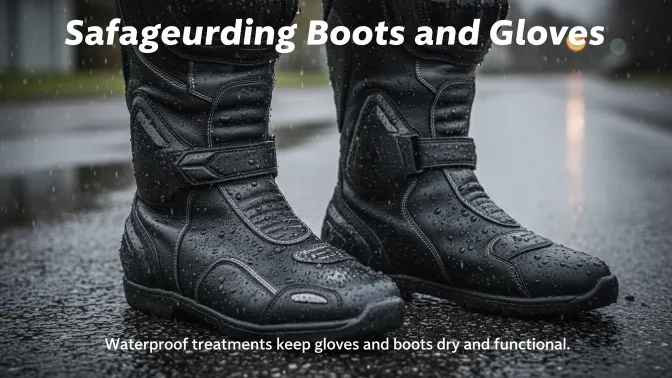
Boots and gloves need to stay dry to keep me safe and comfortable. I use waterproof sprays or wax treatments made for leather or fabric to repel water. For synthetic gloves, I check the seams and apply waterproof treatments regularly.
When I ride in heavy rain, I wear gaiters or rain covers to add an extra layer of protection over my boots. After riding, I dry boots and gloves thoroughly by stuffing them with newspaper or using a boot dryer. This prevents mold and hardening.
Slippery wet surfaces can affect grip, especially on gloves. So, I also choose gloves with textured palms designed to maintain traction when wet. This improves control and safety through the entire ride.
Caring for Helmets in Wet Conditions
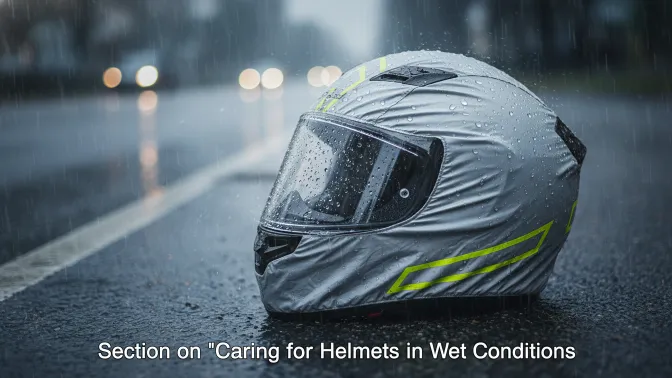
My helmet needs protection from water to keep the inside dry and the outer shell intact. I clean the visor often with a soft cloth and anti-fog spray to keep vision clear in the rain. Using tear-off strips also helps remove water build-up quickly.
I avoid using harsh chemicals on the helmet’s shell. Instead, I clean it with mild soap and water and apply a silicone-based water repellent if needed. The vents need regular checks to ensure they don’t trap water inside.
Inside the helmet, removable liners should be taken out and air-dried after wet rides. This reduces odors and prevents bacteria from growing. If possible, I use moisture-wicking liners that dry faster and improve comfort.
Shielding Backpacks and Accessories
Backpacks and accessories require waterproof covers or bags to avoid water damage. I look for rainproof fabrics or install rain covers that fit tight to block water entry during a downpour.
For electronics and valuables, I use waterproof cases or dry bags inside my backpack. This extra layer ensures important items stay dry even if the outer layer gets soaked.
When not riding, I let backpacks air out in the shade and avoid stuffing them wet in tight spaces. This stops smells and fabric breakdown. Regular cleaning keeps the materials in good shape and ready for the next ride.
Proper Storage After Riding in Rain
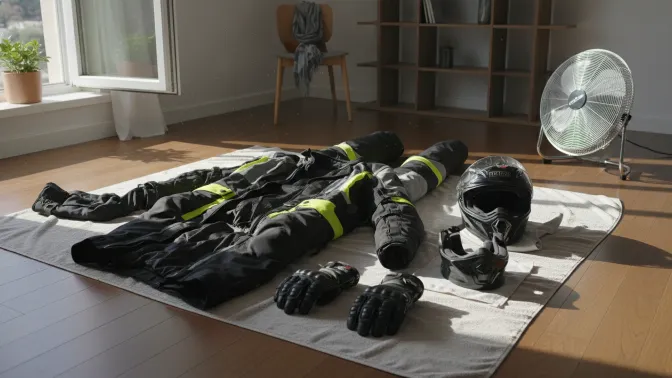
Protecting your motorcycle gear after it gets wet is key to keeping it in good shape and ready for the next ride. I focus on making sure the gear is dried well and stored in a way that stops mold and bad smells from developing.
Drying Gear Thoroughly
First, I always dry my gear fully before storing it. This means removing liners, pads, or any detachable parts. I hang jackets, pants, and gloves in a well-ventilated room away from direct heat or sunlight, which can damage the fabric and materials. Using a fan or open window helps speed up drying without overheating.
For helmets, I wipe off moisture inside and out with a soft cloth. Then, I leave it open in a dry spot so air can circulate. You can find more tips on helmet care at Snell Foundation. Making sure everything is completely dry prevents rust on zippers and hardware too.
Preventing Mold and Odor
To stop mold and odors, I store gear in a breathable bag or on open racks. Plastic bags or sealed containers trap moisture, so I avoid those. If the gear is leather, I use a conditioner regularly to help keep it from drying out or cracking after rain exposure.
I also clean the gear occasionally using recommended products designed for motorcycle clothing. This avoids buildup of sweat and dirt, which cause smells. For helmets, using helmet fresheners or moisture-absorbing packets works well.
Keeping gear clean, dry, and aired out is the best way I’ve found to protect it from mold and bad odors. For detailed washing advice, sites like RevZilla offer clear guides.
Long-Term Maintenance for Waterproof Performance
Keeping motorcycle gear waterproof takes more than just riding in the rain. It needs regular care and close attention to stay effective. Cleaning your gear correctly and checking for damage are the two most important steps.
Regular Cleaning Methods
I clean my gear after every few rides, especially if I’ve been in wet or dusty conditions. Dirt and sweat can block waterproof membranes, making gear less effective. I use a soft brush or cloth, warm water, and mild soap designed for technical fabrics or leather. Harsh detergents can strip protective coatings, so I avoid those.
For leather, I wipe it down carefully and use a leather conditioner to keep it flexible. For fabric gear with waterproof membranes like Gore-Tex, I rinse thoroughly to remove soap residues. Machine washing is sometimes okay, but I always check the manufacturer’s label first.
After cleaning, I let my gear air dry away from direct heat or sunlight. Heat can damage waterproof layers and cause shrinking or cracking.
Inspecting for Damage
Regular inspections are key to keeping waterproof gear performing well. I look closely at seams, zippers, and areas that flex a lot. These spots wear out quicker and can leak water.
I check for cracks, tears, or thinning in leather, and for pinholes or worn spots in fabric. If I find any damage, I patch or repair it quickly. Seams sometimes lose their seal, so I use waterproof seam tape or sealant to fix leaks.
Zippers can also lose water resistance over time. I clean them and apply a zipper lubricant made for waterproof gear. If a zipper is badly damaged, I replace it before it causes bigger problems.
This attention to detail keeps my gear reliable in any weather.
Upgrading Gear for Extreme Weather
When rain gets heavy and cold winds hit hard, regular riding gear is not enough. I upgrade my gear to handle these tough conditions so I can stay safe and comfortable.
First, I invest in waterproof jackets and pants with sealed seams. These keep water out better than normal rain gear. Look for materials like Gore-Tex or similar fabrics that let sweat escape but block rain. This helps avoid getting wet inside, which can be dangerous in cold weather.
I also add waterproof gloves and boot covers. These stop water from soaking your hands and feet. Keeping these areas dry is critical to avoid numbness and maintain control of the bike.
For really cold rides, I use heated base layers. These can be battery-powered or plug into my bike’s electrical system. They provide steady warmth without bulky clothes that limit movement.
My helmet gets an upgrade too. I add a rain cover that fits over it to keep heavy rain from soaking the visor. This improves visibility and safety.
Here’s a quick list of key gear upgrades I rely on:
- Waterproof jacket and pants with sealed seams
- Waterproof gloves and boot covers
- Heated base layers (battery or wired)
- Helmet rain cover
With these upgrades, I can handle extreme weather without stopping my ride. It’s about being prepared and having the right gear to stay dry and warm.
Riding Tips to Minimize Water Exposure
When I ride in the rain, I try to plan my route to avoid deep puddles and areas where water tends to collect. Riding through standing water can soak your gear quickly and increase the risk of slipping. Staying on the driest parts of the road helps keep my gear drier for longer.
I also slow down and keep a steady speed. Sudden acceleration or hard braking can splash water onto your gear and body. Smooth, controlled movements not only reduce water spray but make riding in wet conditions safer overall.
Using your body position can help, too. I lean less aggressively in turns and sit upright to reduce the chance of rainwater hitting exposed parts of my gear. This small adjustment helps keep my jacket and pants drier when the rain is heavy.
Keeping a safe distance from other vehicles is important. I give myself extra space to avoid spray from tires ahead. The more distance between me and other riders or cars, the less water I get splashed with on the road.
Here are a few key tips I follow:
- Choose routes with good drainage to avoid puddles
- Maintain steady speed and smooth braking to limit water spray
- Adjust body position for better rain protection
- Keep extra distance from vehicles to reduce splash
These steps help protect my gear and make wet rides less uncomfortable.
FAQs
How do I keep my motorcycle gear dry in heavy rain?
I recommend using waterproof covers and high-quality rain gear designed for motorcyclists. Look for gear with sealed seams and water-resistant zippers. Wearing layers and using rain suits with reflective patches can also help keep you dry and visible.
Can I waterproof my existing motorcycle gear?
Yes, you can. Applying waterproof sprays or wax treatments to your jacket, pants, and gloves helps repel water. Be sure to follow the product instructions and test on a small area first to avoid damage.
What should I do after riding in the rain with my gear?
Dry your gear thoroughly before storing it. Hang jackets and pants in a well-ventilated area away from direct heat. Clean mud and dirt off boots and gloves to prevent wear and water damage.
Does rain harm my motorcycle gear?
Rain alone usually doesn’t ruin gear, but prolonged moisture can lead to mold, mildew, or rust on metal parts like zippers and snaps. Regular maintenance and drying after wet rides protect your gear’s condition.
Is expensive motorcycle rain gear worth it?
In my experience, yes. High-quality rain gear offers better protection, comfort, and durability. Cheap gear often loses waterproofing quickly and may not provide sufficient coverage during heavy rain.
| Tip | Reason |
|---|---|
| Use waterproof sprays | Enhances existing gear protection |
| Store gear dry | Prevents mold and material damage |
| Lubricate zippers | Stops rust and keeps functionality |
Conclusion
Protecting my motorcycle gear from rain is important to keep it working well and lasting longer. Rain can wear down materials and reduce how well gear keeps me dry and safe.
I always use waterproof sprays or treatments on my jackets and pants. This helps stop water from soaking through. After riding in wet conditions, I dry my gear carefully and check for any damage. Cleaning off dirt and grime also keeps materials in good shape.
I find that investing in quality rain gear, like gloves and boot covers, makes a big difference. These add-ons keep me comfortable and focused on the road. Using hi-vis patches on rain gear can also help with visibility during bad weather.
To protect my gear, I follow these key steps:
| Step | Purpose |
|---|---|
| Waterproof treatment | Keeps gear water-resistant |
| Proper drying | Prevents mold and material damage |
| Regular cleaning | Removes dirt that wears down fabric |
| Using rain-specific gear | Enhances comfort and safety |
Taking good care of my motorcycle gear saves me money over time and keeps me safer. When I prepare for rain and protect my equipment well, riding in wet weather is less stressful and more manageable.
