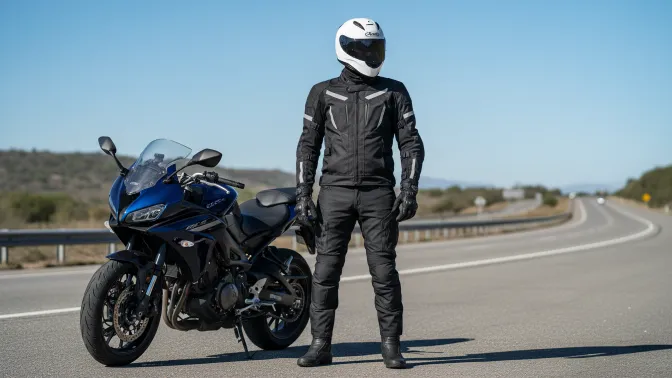
Wearing motorcycle safety gear correctly is one of the most important steps you can take to protect yourself on the road. Proper fit and secure fastening ensure that helmets, jackets, gloves, pants, and boots provide the protection they are designed to offer during a ride or in the event of a crash. Knowing how to wear each piece properly makes a huge difference in your overall safety.
It’s not just about having the gear; it’s about using it the right way. From adjusting your helmet so it fits snugly without pressure points to making sure your jacket covers all key areas, every detail counts. I’ll walk you through the key points to help you gear up in a way that maximizes your protection and comfort.
Key Takeways
- Properly fitted gear reduces the risk of injury during a crash.
- Each item of protection must be worn to cover and secure the right areas.
- Regular checks and adjustments help keep your safety gear effective.
Essential Principles of Motorcycle Safety Gear
Wearing motorcycle safety gear the right way means focusing on fit, the materials used, and how well the gear protects your body. Each part needs to work together to keep you safe from impacts, abrasion, and the weather. I will explain these core points clearly so you can choose and wear your gear with confidence.
The Importance of Proper Fit
Fit is the foundation of effective motorcycle gear. If your helmet, jacket, gloves, or boots don’t fit well, they won’t protect you properly during a crash.
A helmet should be snug without causing pain, fitting closely around your head to avoid shifting. Jackets and pants need to fit so that armor stays over critical areas like shoulders, elbows, and knees. Too loose gear can move out of place, exposing your skin to injury. Gloves must allow full finger movement while fitting tightly enough to stay on during a spill. Boots require secure closure to prevent slipping off yet be comfortable for riding.
Proper fit also improves comfort, reducing distractions on the road. I always check that the gear feels right both stationary and when moving my limbs, so it won’t hinder riding but will stay protective.
Material Quality and Certifications
Not all safety gear is made equal. The material and protective standards behind the gear determine its ability to absorb impact and resist abrasion.
Look for gear made from high-quality leather, Kevlar, or Cordura fabric. These materials resist tearing and grinding during falls. Many manufacturers add armor inserts made from CE-certified foam or hard plastic, which meet safety testing for impact absorption. Certification labels are important – for example:
| Gear Type | Certification to Look For |
|---|---|
| Helmets | DOT, ECE, Snell |
| Armor | CE Level 1 or Level 2 |
| Boots | EN 13634 |
I trust gear with these certifications because they show the item passed tests designed to protect riders in real crashes. Cheap gear without proper materials might fail or wear out quickly.
Coverage and Protection Priorities
Covering the right areas is key to reducing injury risks. I focus on protecting my head, spine, joints, and limbs every time I gear up.
The helmet is the first priority—it protects the brain and skull. A full-face helmet offers the best all-around protection. Next, a jacket with armor at the shoulders, elbows, and back guards against fractures and abrasions.
Pants should include knee and hip protection, plus strong fabric. Gloves protect fingers and knuckles, which often hit the ground first. Boots that cover the ankles protect against twists and impacts.
I avoid compromises. Even in short rides, missing one element leaves me vulnerable. Good safety gear works best as a full set, giving me head-to-toe protection tailored for my riding style and comfort.
Selecting the Right Helmet
Choosing a helmet means understanding the types available, finding the right fit, and properly securing it. These steps ensure protection and comfort while riding, preventing injuries from accidents and long rides.
Helmet Types and Their Functions
There are several helmet types, each designed for specific needs:
- Full-face helmets cover the entire head and face, offering the most protection. They are ideal for high-speed rides and long trips.
- Modular helmets have a flip-up chin bar, combining protection and convenience for city riding.
- Open-face helmets cover only the top and sides of the head, leaving the face exposed. They are lighter but provide less protection.
- Half helmets offer minimal coverage and often lack a face shield, so they protect less in crashes.
I prefer full-face helmets since they provide the best safety. When picking a helmet, it’s important to weigh your riding style and comfort against protection levels. The U.S. Department of Transportation (DOT) certified helmets meet basic safety standards, which you can verify by checking the DOT label inside the helmet NHTSA offers clear safety guidelines.
Correct Sizing and Adjustment
A helmet must fit snugly but not painfully tight. I always measure my head’s circumference about an inch above the eyebrows using a soft tape.
Here’s how I check the fit:
- The helmet should feel even all around without pressure points.
- When I shake my head, the helmet should not move independently.
- The cheek pads should press firmly against my cheeks without causing discomfort.
- I must be able to open and close my mouth comfortably.
Adjusting interior padding and removing or adding liners helps customize the fit. A helmet too loose can come off during impact, while one too tight causes headaches and distractions. Always try on helmets before buying to find a true fit.
Securing the Chin Strap
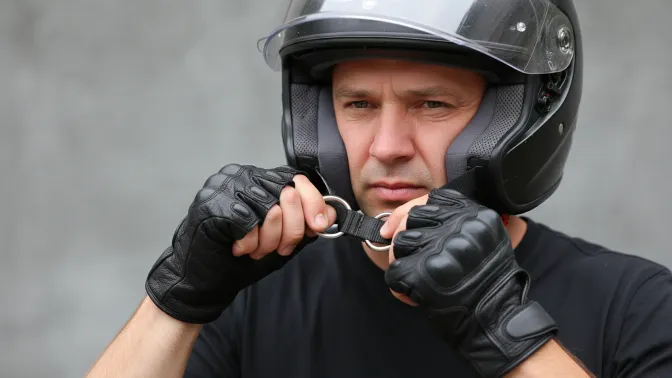
The chin strap keeps the helmet in place during a crash or sudden stop. After putting the helmet on, I buckle the strap, ensuring it fits comfortably under my chin.
The strap should pass through the D-ring or quick-release mechanism securely. To test tightness, I try to insert only one or two fingers between the strap and my chin. If it’s easier to slide more fingers, it’s too loose.
Regularly checking the strap for wear or damage is important for safety. Fastening the strap correctly prevents the helmet from shifting or coming off in an accident. For detailed guidelines on proper helmet use, I refer to Motorcycle Safety Foundation.
Wearing Jackets and Protective Upper Body Gear
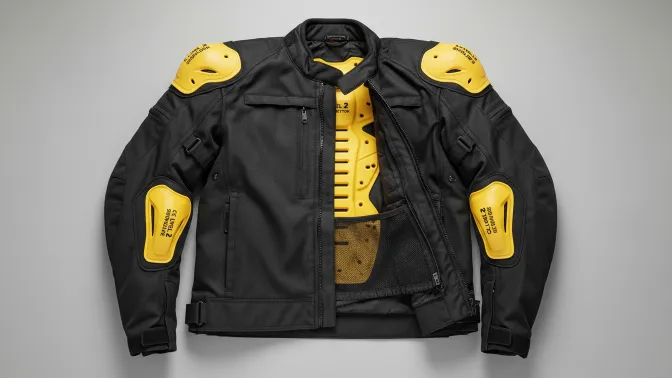
Wearing the right jacket and upper body gear is key to staying safe on the road. I make sure to pick armor that meets safety standards, think about what I wear underneath for both warmth and protection, and adjust my gear to stay flexible and comfortable while riding.
Choosing CE-Rated Armor
I always look for jackets with CE-rated armor in the shoulders, elbows, and back. This armor meets strict European safety tests, so I know it will absorb impact well in a crash. Some jackets come with removable armor, which is helpful if I want to wash the jacket or ride without armor in certain conditions.
Materials matter too. I prefer leather or reinforced textile jackets with abrasion resistance. These materials reduce injury risk if I slide on pavement. When trying on jackets, I check that the armor lines up with my joints and stays in place even when I move or lean forward on the bike.
Layering Considerations Under Jackets
I plan layers under my jacket based on weather and comfort. Thin moisture-wicking shirts work well in warm weather to keep sweat off my skin. If it’s cold, I add a thermal base layer that won’t bulk up too much.
I avoid bulky layers because they can push armor away from my body, which reduces protection. Sometimes I wear a lightweight protective vest under my jacket for extra impact absorption. The jacket should close fully without pulling tight, leaving room for movement but no loose gaps.
Adjusting for Mobility and Comfort
Proper fit means I can move freely without the jacket riding up or restricting my arms. I use straps at the waist and cuffs to adjust tightness and keep armor in the right place.
I test how the jacket feels when I’m leaning forward on the bike. If the jacket is too tight or stiff, it can cause discomfort and distraction. A good jacket balances protection with enough flexibility to allow me to steer, brake, and shift smoothly.
Some jackets also have ventilation zippers or removable liners. I adjust these as I ride to regulate temperature without removing the entire jacket.
Proper Use of Motorcycle Gloves
I make sure my gloves fit snugly and protect every part of my hands, especially my fingers and wrists. How the gloves cover my hands and how they fasten at the wrist affect both comfort and safety. Choosing the right materials also helps me ride comfortably in different weather without losing control.
Full Coverage for Hand Protection
I always wear full-fingered gloves because they protect my entire hand from cuts, burns, and cold. The gloves should fit so the fingertips reach the end without pressing hard, which keeps my fingers free but secure. Gloves that don’t cover the whole hand leave skin exposed in a fall or crash.
The palm and knuckle areas must have padding or armor to protect against impacts. This also helps reduce injury from road debris or accidents. If there are gaps or loose spots, the gloves can shift, reducing protection and grip. I check carefully to make sure my gloves fully cover my hands without restricting movement.
Wrist Securement and Fastening
Securing the gloves around my wrists is key to stopping them from sliding off during riding or in a crash. Most gloves have adjustable straps, Velcro, or buckles to tighten the fit. I always fasten these firmly but not too tight to cut circulation.
The glove cuff should fit either over or under my jacket sleeves to stop wind and debris. Gauntlet-style gloves fit over sleeves and add extra coverage for my wrist. Shorter cuffs slip under sleeves but require a snug fit to prevent gaps. Proper wrist securement keeps me comfortable and maintains full hand protection without exposing skin.
Selecting Materials for Weather Conditions
I pick gloves made from materials that suit the weather I ride in. Leather is strong and abrasion-resistant, good for most rides and colder weather. But it can get stiff if wet, so waterproof or synthetic fabrics help for rainy days.
For warm weather, I look for gloves that offer ventilation and breathability. Mesh panels or perforations let air flow to keep my hands cool. In colder weather, gloves with insulation or windproof liners keep my fingers warm without adding too much bulk.
Good gloves balance protection with comfort, letting me control the bike well no matter the weather. I always match the glove material to the condition so I’m safe and comfortable.
Pants and Lower Body Safety
When I gear up for a ride, I make sure my pants provide strong protection, fit well, and work well with my boots. Proper coverage and padding around key areas help defend against injuries if I fall or slide. I pay close attention to how the pants fit my body and how they work with the boots I wear.
Integrating Knee and Hip Protection
I choose pants with built-in armor or pockets for knee and hip pads. These pads absorb impact and reduce injury during a crash. The armor is often made of hard plastic or dense foam that stays flexible when I move but hardens on impact.
Good pants will keep these pads firmly in place, especially around the knees and hips, which take the most force. Some pants have adjustable pockets to move the pads just right. This lets me customize the protection to fit my body.
Without this padding, even tough fabric can only do so much. That extra shield matters most if I slide on the road or hit obstacles.
Selecting the Right Length and Fit
Fit is key when picking motorcycle pants. I look for pants that fit snugly but don’t restrict movement. Loose pants can flap in the wind or ride up, exposing my skin and armor.
The length should be enough to cover my ankles and sit comfortably over my boots. Pants that are too short leave gaps, while too-long pants can bunch up and catch on bike parts.
Many riding pants come with stretch panels or adjustable closures at the waist and calves. These features help me fine-tune the fit, keeping the pants secure for better protection and comfort on long rides.
Wearing Over or Under Boots
How I wear my pants with boots makes a difference in protection and comfort. Wearing pants over boots is common; it keeps dirt and water out and offers extra coverage. It also hides the boots and creates a tidy look.
Some pants are designed with wider legs and reinforced cuffs for this style. On the other hand, wearing pants inside boots is an option many riders use for a tighter fit that stops wind and debris from entering.
When worn inside, pants should be slim around the ankle and made of flexible material to avoid bunching. Both ways can work well—choosing depends on your style and boots. I pick based on which option feels safest and most comfortable during riding.
Choosing and Wearing Motorcycle Boots
Picking the right motorcycle boots means focusing on two key things: strong ankle support and secure fasteners. Both help keep your feet safe and comfortable while riding. The right boots protect you during a fall and keep your feet steady on the controls.
Ankle Support and Impact Protection
I look for boots that offer solid ankle support to reduce the risk of twisting injuries. Good boots have reinforced padding around the ankle area and stiff panels to hold the foot in place. This structure helps absorb shocks if I hit something or fall.
Impact protection is critical. The best boots include hard armor or reinforced materials at key points like the shin, heel, and toes. These areas take the most force in a crash. A boot with these features can prevent broken bones or deep bruises.
Securing Closures and Fasteners
How boots close matters for both safety and comfort. I prefer boots with strong zippers combined with Velcro or buckles to keep them tight and prevent slipping off. Some boots also use laces that are shielded to avoid catching on controls.
Fasteners must feel sturdy and stay secure during a ride. Loose or weak closures are a risk because the boot might come off in a crash. If I can adjust the tightness, I can ensure a better fit around my foot and ankle, which improves control and comfort.
Visibility and Weather Adaptation
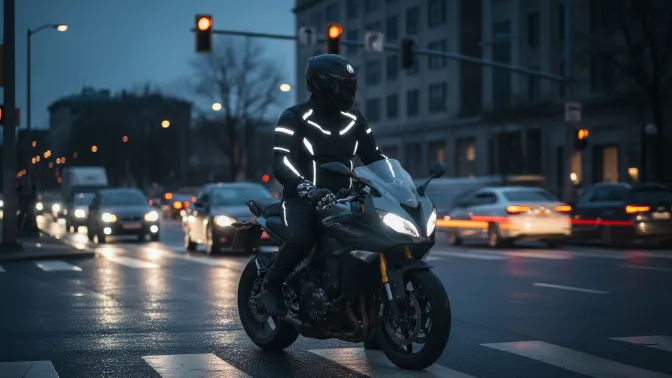
Staying visible and prepared for changing weather is critical when I gear up for a ride. Proper gear helps me be seen by others and keeps me comfortable, especially during rain or low light conditions. Focusing on bright colors, reflective materials, and smart layering makes a big difference.
Reflective Elements and Colors
I always choose gear with high visibility colors like neon yellow, orange, or bright green. These colors catch the eye better, especially during daylight or foggy weather. Reflective strips or patches on jackets, helmets, and gloves boost visibility when light hits them at night or in poor weather.
Reflective elements should be placed on moving parts such as arms and legs because movement attracts attention. You can buy gear with built-in reflective fabrics or add reflective tape for added safety.
You can learn more about choosing the best high-visibility gear from the Motorcycle Safety Foundation. Visibility gear helps other drivers recognize me early, reducing the chance of accidents, especially at dawn or dusk.
Rain Gear Layering Techniques
I prepare for rain by layering gear smartly to stay dry and warm. My base layer wicks moisture away from the skin to avoid feeling cold. Over this, I wear waterproof yet breathable outer layers like rain suits or jackets designed for motorcyclists.
It’s important the rain gear fits over my regular gear without being too tight. This keeps me comfortable and avoids restricting movement. Gloves and boots also need to be waterproof but flexible.
Using vents and adjustable seals helps me manage sweat and temperature changes better. I often keep a compact rain suit in my pack just in case the weather changes quickly. For detailed advice on motorcycle rain gear, sites like RideApart offer useful reviews and tips.
Maintenance and Inspection of Safety Gear
Keeping my motorcycle gear in good shape means regular cleaning and careful checks for damage. These steps help me stay safe and get the most use out of my equipment. I focus on removing dirt, oils, and grime and then inspect every piece thoroughly before riding.
Routine Cleaning and Care
I clean my helmet, jacket, gloves, and pants often to keep them working well. For helmets, I use a soft cloth and mild soap to clean the outer shell and the inside padding. I avoid harsh chemicals that could weaken the materials.
Leather gear gets wiped with a damp cloth and treated with leather conditioner. This stops it from drying out and cracking. For textiles, I follow the manufacturer’s washing instructions carefully, usually hand washing or using a gentle cycle in cold water.
I always dry gear naturally, away from direct heat or sunlight since high heat can damage fabrics and helmets. Proper storage, like hanging jackets and keeping gloves flat, helps keep everything in shape.
Checking for Wear and Damage
Every time before I ride, I check my gear for signs of wear. Cracks, tears, or loose stitching can reduce protection. On helmets, I look for scratches or dents on the shell and check if the padding has compressed or lost shape.
For leather and textile gear, I check seams and joints for fraying or cuts. Worn-out gloves and boots need close attention since they protect my hands and feet, which are vulnerable in crashes.
If any damage is found, I repair small issues promptly or replace the gear if protection is compromised. Riding with worn-out or damaged gear is risky, so I never take chances.
Common Mistakes to Avoid When Wearing Safety Gear
Wearing motorcycle safety gear the right way is about more than just putting it on. Mistakes in fit and coverage reduce the protection gear is meant to provide. I’ve found that paying attention to small but critical details can make a big difference in safety.
Incorrect Strap Adjustment
One common mistake is not tightening straps properly. If helmet, jacket, gloves, or boots are too loose, they can shift during a ride or crash. This reduces protection and can even cause injury. For example, a loosely fastened helmet may come off or move on impact, exposing your head.
I always check that chin straps and buckles are snug but not uncomfortable. A good rule is that you should not be able to pull the helmet more than about an inch from your head. The same applies to wrist and ankle straps on gloves and boots. Adjust straps to fit your body shape to keep gear secure and stable.
Wearing Incomplete Sets of Gear
Some riders skip wearing full gear, thinking partial protection is better than none. This can be dangerous. I never ride without a helmet, protective jacket, gloves, pants, and boots. Each piece covers parts of your body vulnerable in a crash.
Missing elements like gloves or proper boots leave you exposed to cuts, abrasions, and fractures. Even short trips require full gear because accidents can happen anytime. Reflective elements on jackets and helmets increase visibility, which I consider vital for safety, especially in low light.
Wearing a complete set designed to work together ensures full protection. It also helps prevent injuries by covering all exposed skin and critical impact zones.
FAQs
How do I make sure my helmet fits correctly?
I always check that my helmet fits snugly but not too tight. It should sit level on my head and not move around when I shake it. The straps must be fastened securely without causing discomfort.
Can I wear any gloves for riding?
No, I use gloves made specifically for motorcycle riding. They provide protection and grip. Look for gloves that cover the wrists and have padding or armor to protect your hands in case of a fall.
How often should I replace my gear?
I replace my helmet every five years or sooner if it gets damaged. Other gear like jackets and gloves last longer but should be replaced if worn out or damaged because safety decreases over time.
Is it really necessary to wear all the gear every ride?
Yes. I never skip any part of my safety gear, even for short rides. Full gear protects me from injuries and bad weather, which makes a big difference if an accident happens.
What is the best way to wear riding boots?
I make sure my boots cover my ankles and fit snugly. They should have firm soles for grip and protection. Pull the pants over or tuck them into the boots to avoid fabric catching on the bike or road.
| Gear item | Key points to check |
|---|---|
| Helmet | Fit, strap tightness, no damage |
| Jacket | Proper fit, padding, abrasion resistance |
| Gloves | Full coverage, padding, grip |
| Pants | Durable material, comfortable fit |
| Boots | Ankles covered, firm sole |
I follow these checks to stay safe and comfortable every time I ride.
Conclusion
I believe wearing motorcycle safety gear the right way is key to protecting myself on the road. Every piece—from helmets to gloves—has a specific role in keeping me safe. It’s not just about putting gear on, but making sure it fits well and is worn properly.
Important points to remember:
- Helmets must be snug and fastened securely.
- Jackets and pants should cover fully and allow easy movement.
- Gloves need to protect my hands without losing grip.
- Boots have to cover my ankles and stay firmly in place.
Reflective gear or bright colors help increase my visibility to others. I never skip hearing protection either because loud noise can cause damage over time.
Regularly checking my gear for wear and making sure my motorcycle is well maintained gives me extra confidence when I ride. Proper training taught me how to use the gear properly and how to stay safe.
Wearing the right gear correctly is not just about following rules; it’s about taking care of myself. It makes every ride safer and helps me focus on the road ahead with peace of mind.
