Wondering if a full face helmet is necessary for your rides? This guide breaks down the essential safety benefits, comfort factors, and practical reasons why many riders choose full face helmets. By the end, you’ll have a clear understanding of whether this helmet type fits your needs.
Key Takeaways
- Comprehensive Protection: Full face helmets offer the best coverage for your head and face, minimizing injury risks.
- Weather Shielding: They protect against rain, wind, dust, and debris better than open-face helmets.
- Noise Reduction: These helmets reduce wind noise, making rides more comfortable and less fatiguing.
- Improved Aerodynamics: Full face helmets provide better airflow, enhancing stability at high speeds.
- Comfort Features: Modern full face helmets come with ventilation, removable liners, and sun visors for convenience.
- Legal and Insurance Benefits: Some regions require full face helmets, and they can influence insurance claims positively.
- Personal Preference Matters: While safety is key, choose a helmet that fits your riding style and comfort needs.
Is a Full Face Helmet Necessary? A Complete Guide for 2025
When it comes to motorcycle safety gear, the helmet is your top priority. But with so many options available, deciding whether a full face helmet is necessary can feel overwhelming. In this guide, we’ll explore what a full face helmet is, its benefits, and practical advice on choosing the right one for you. By the end, you’ll be equipped to make an informed decision that keeps you safe and comfortable on the road.
What Is a Full Face Helmet?
A full face helmet covers your entire head, including your chin and face, with a solid outer shell and a visor. Unlike open-face or half helmets, it provides maximum protection by encasing the entire skull and facial area.
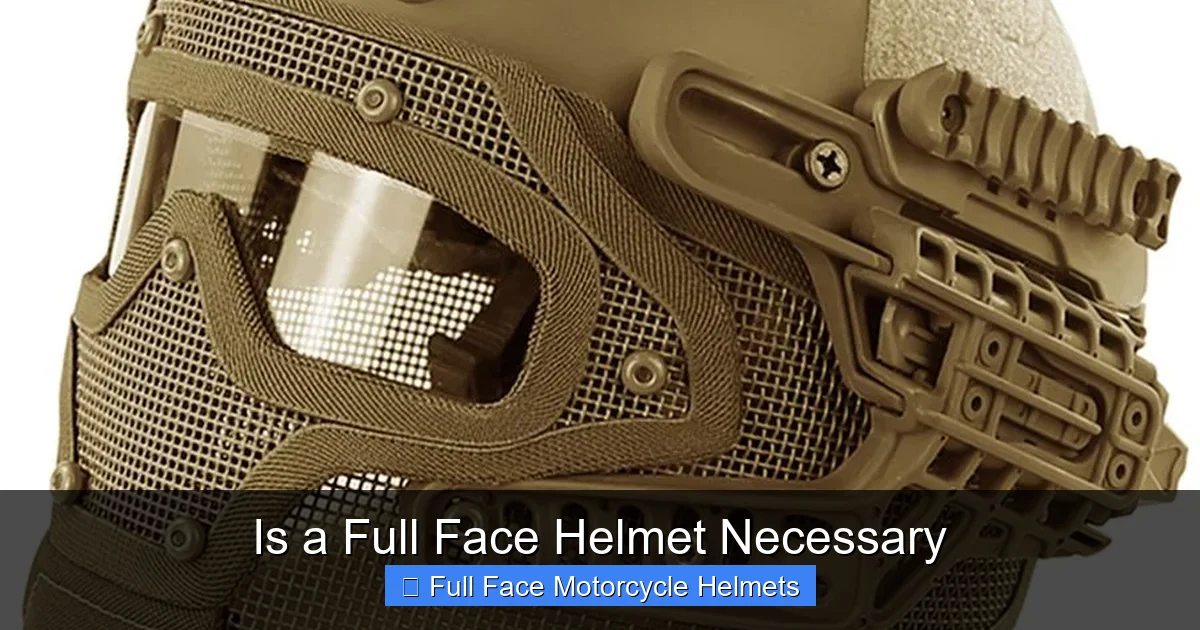
Visual guide about Is a Full Face Helmet Necessary
Image source: replicaairguns.ca
Step 1: Understand the Safety Benefits of Full Face Helmets
Safety is the primary reason to consider a full face helmet. Here’s why:
Comprehensive Head and Face Protection
Full face helmets protect your skull, jaw, and face from impact during accidents. This coverage reduces the risk of severe injuries, especially to the chin and jaw, which are vulnerable in collisions.
Better Eye Protection
The built-in visor shields your eyes from bugs, dust, debris, and UV rays. This keeps your vision clear and prevents distractions while riding.
Enhanced Impact Resistance
Most full face helmets meet or exceed safety standards like DOT, ECE, and Snell. Their dense outer shells and layered interiors absorb shock effectively.
Step 2: Consider the Comfort and Practical Advantages
Weather Protection
Full face helmets keep rain, wind, and cold air off your face. This makes rides more comfortable, especially in harsh weather conditions.
Noise Reduction
Because they seal around your head, full face helmets reduce wind noise significantly. This lessens rider fatigue and improves focus during long trips.
Ventilation Features
Modern helmets include adjustable vents to keep airflow balanced. This prevents overheating while maintaining protection.
Step 3: Evaluate Your Riding Style and Environment
Commuting vs. Sport Riding
If you ride mainly in the city or on highways, a full face helmet offers great protection and comfort. For sport riders, the aerodynamic design helps with stability at high speeds.
Climate Considerations
In hotter climates, choose a helmet with superior ventilation. In cooler areas, the full face design keeps you warm and shields you from the elements.
Urban vs. Off-Road
While full face helmets are excellent for street riding, off-road riders may prefer helmets designed for better airflow and visibility, often with removable face guards.
Step 4: How to Choose the Right Full Face Helmet
Find the Correct Size
Measure your head circumference and compare it with the helmet manufacturer’s sizing chart. A proper fit should be snug but not uncomfortable.
Check Safety Ratings
Look for helmets certified by DOT, ECE, or Snell. These certifications ensure the helmet meets rigorous safety standards.
Test the Fit
Try the helmet on and wear it for 10-15 minutes. It should feel secure without pressure points or gaps.
Consider Weight and Materials
Lighter helmets reduce neck strain. Materials like carbon fiber and fiberglass provide strength without extra weight.
Look for Extra Features
- Removable and washable liners for hygiene
- Anti-fog and UV-protected visors
- Built-in sun visors or pinlock inserts
- Communication system compatibility
Step 5: Maintaining Your Full Face Helmet
Cleaning the Helmet
Use mild soap and water for the outer shell. Remove the liner and pads for washing according to the manufacturer’s instructions.
Visor Care
Clean the visor gently to avoid scratches. Use a microfiber cloth and visor cleaner or soapy water.
Storage Tips
Store your helmet in a cool, dry place away from direct sunlight. Use a helmet bag to prevent damage.
Troubleshooting Common Issues
Helmet Feels Too Tight or Loose
If your helmet is uncomfortable, try a different size or brand. Padding thickness varies, and some helmets fit certain head shapes better.
Fogging Visor
Use anti-fog sprays or pinlock inserts. Ensure vents are open for airflow, especially in humid conditions.
Excessive Noise
Check that the helmet seals properly around your head and neck. Consider earplugs for added noise reduction.
Conclusion: Is a Full Face Helmet Necessary?
In 2025, wearing a full face helmet remains one of the best ways to protect yourself on a motorcycle. Its comprehensive protection, comfort features, and modern design make it a smart choice for most riders. While personal preferences and specific riding conditions matter, investing in a quality full face helmet is a wise decision for safety and peace of mind.
Remember, the best helmet is one that fits well, meets safety standards, and suits your riding style. Stay safe and enjoy the ride!
🎥 Related Video: Do You Need A Full Face Helmet For Mountain Biking? | Full Face Vs Half Shell MTB Helmets
📺 Global Mountain Bike Network
Do you need a full face helmet? In this video we’ll talk you through the advantages and disadvantages of the two different types of …
