You want a clear answer before you tuck your bike away. Fill the tank nearly full and add a fuel stabilizer when you store a motorcycle to prevent rust, condensation, and degraded fuel from causing part failures. This step protects metal surfaces and keeps the fuel system ready for the next ride.
I’ll walk you through why a full tank usually beats an empty one, what risks to watch for, and the simple prep steps that save time and money. If you plan short winter storage or a months-long layup, the right choice and a couple of quick tasks make your bike start-first-try when you roll it out.
Key Takeways
- Fill the tank and use a stabilizer to prevent rust and fuel breakdown.
- Leaving the tank empty can invite condensation and corrosion over time.
- Small prep steps before storage cut repair needs and startup trouble.
Motorcycle Fuel Storage Basics
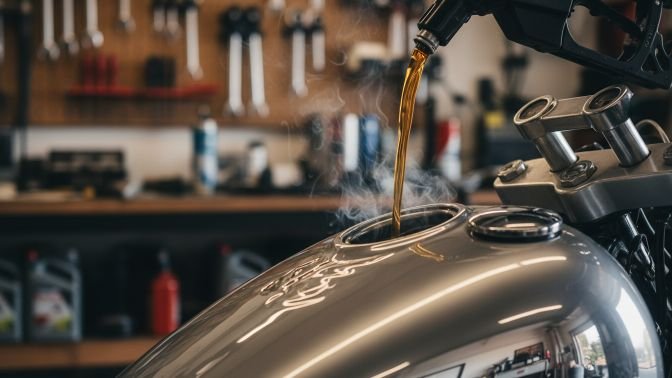
I explain how gasoline breaks down, how tank materials change the risk of rust or seal damage, and how stabilizers work. These points help decide whether to store fuel full or empty.
Understanding Gasoline Degradation
Gasoline changes chemically over weeks to months. Lighter, volatile compounds evaporate first, leaving heavier components that reduce octane and cause poor combustion. Modern ethanol-blended fuels absorb water from air, which speeds corrosion and phase separation.
I check age by smell and clarity; stale fuel smells sour and may look cloudy. For storage longer than a month, fresh fuel plus treatment matters. Running the engine after adding stabilizer moves treated gasoline through the fuel system and lowers the chance of varnish in injectors or carburetor jets.
Tank Materials and Corrosion Risks
Steel tanks rust from condensation when air sits in a partly filled tank. I prefer keeping steel tanks full to reduce the air space. Aluminum and stainless tanks resist rust but seals and fuel lines can still dry or swell.
Plastic tanks do not rust but allow more permeation and can let ethanol-related water issues develop. With any tank type, leaving fuel completely empty can let moisture enter through vents and encourage internal corrosion or seal shrinkage. I inspect for flaky rust, swollen rubber parts, and any fuel smell before riding again.
Effects of Fuel Stabilizers
Stabilizers slow oxidation and keep volatile compounds from breaking down. I use a stabilizer labeled for my fuel type and follow the product dose on the bottle. Most stabilizers protect fuel for 6–12 months when mixed into a full tank.
After adding stabilizer, I run the engine for a few minutes to circulate treated fuel and coat injectors or carburetor passages. For carbureted bikes I consider draining float bowls if storing very long, because stabilizer alone may not prevent varnish in small passages.
Advantages of Storing With a Full Tank
I recommend filling the tank and treating the fuel because it directly protects metal surfaces, seals, and the fuel system from damage during storage. A full, stabilized tank cuts down on moisture, oxygen, and evaporation that cause most storage problems.
Minimizing Condensation
When I fill the tank, I reduce the empty air space where humid air can form condensation. Water droplets in the tank mix with gasoline and sink to the bottom, which can clog petcocks and carburetor jets. Keeping the tank near full lowers the chance of water pooling and reduces the need for fuel system cleaning later.
I also add a fuel stabilizer and run the engine for a few minutes so treated fuel circulates through the lines. That step prevents fresh condensation from forming in fuel lines and helps preserve rubber hoses and seals. For more on fuel treatment, I check guidance from manufacturers and sites like the EPA or fuel stabilizer makers.
Preventing Rust Formation
A full tank limits oxygen contact with the tank’s interior, which slows rust. Steel tanks are most at risk when humidity mixes with residual air. By topping off fuel, I create a barrier that keeps oxygen from reacting with metal surfaces.
If your bike has a thin protective coating inside the tank, a full tank helps keep that coating intact. I still inspect for existing rust before storage; if rust is present, I clean it and consider professional treatment. The Smithsonian and other conservators note that removing moisture and oxygen is key to preventing metal corrosion.
Reducing Air Exposure
Air exposure accelerates fuel breakdown and dries rubber components. I fill the tank and use ethanol-free fuel if possible, or add a stabilizer to prevent ethanol-related phase separation and varnish. This reduces varnish buildup in carburetors and fuel injectors during long storage.
Less air in the tank also means fewer volatile compounds escape and fewer contaminants enter the system. I store the bike in a cool, dry place and seal vent lines if recommended by the manual to further cut air exchange and protect the entire fuel system.
Risks of Storing With a Full Tank
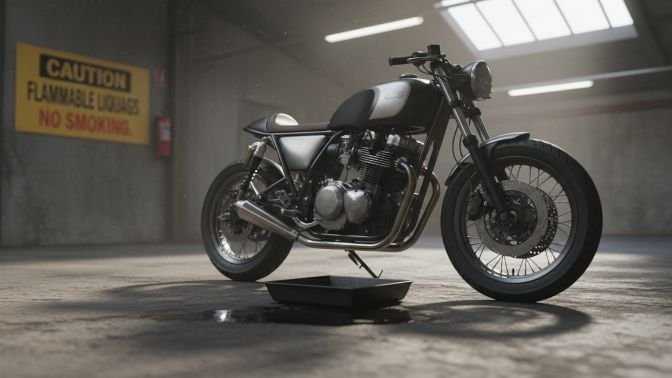
I list the main downsides so you can weigh them against the benefits. They include contamination risks, the chance of leaks or spills, and problems from fuel aging.
Potential Fuel Contamination
I worry about water and debris getting into the tank even when it’s full. If water condenses inside the tank, it sinks to the bottom and mixes with the fuel. That creates a layer that can clog fuel lines, filters, or the carburetor.
Ethanol-blended fuels attract moisture more than pure gasoline. Over weeks or months, that moisture can cause phase separation with ethanol fuels, pulling fuel away from the engine. I recommend checking the tank before storage and using a clean fill cap and a fuel stabilizer formulated to combat moisture if you expect long storage.
Leak and Spill Hazards
A full tank raises the amount of flammable liquid on the bike. I treat storage areas with care: avoid storing the motorcycle near open flames, heaters, or electrical panels.
Tanks and lines can degrade or get punctured during transport or while stored. Spills can damage flooring and create fire risks. I place a drip tray under the bike and store it in a ventilated space away from ignition sources. If the bike will sit for a year or more, consider removing or isolating fuel to reduce spill volume.
Issues With Old Fuel
Gasoline degrades over time, even in a full tank. I know fuel can oxidize and form gums and varnishes that stick to injectors and carburetor jets.
Old fuel also loses volatility, making cold starts harder and increasing engine wear on first use. To prevent this, I add a quality fuel stabilizer and run the engine for several minutes so treated fuel reaches the system. If fuel is already several months old, I drain and replace it before long storage to avoid starting problems later.
Storing With an Empty Tank: Pros and Cons
I find empty-tank storage tempting because it removes old fuel and cuts weight. It also changes how moisture and fuel parts behave inside the tank and fuel system.
Evaporation and Internal Moisture
An empty tank leaves air space where moisture can form. Condensation collects on bare metal when temperatures drop at night and rise by day. Over weeks or months that moisture causes rust spots that can grow and flake.
Flaked rust mixes with any small remaining fuel and can clog petcocks, filters, and carburetor jets. Stainless or aluminum tanks resist this more than plain steel, but paint chips and seams still risk corrosion. If I store the tank empty, I drain it fully, dry it with compressed air, and keep the tank sealed or use desiccant packs to cut humidity.
Impacts on Fuel System Components
With the tank empty, rubber seals, O-rings, and fuel lines can dry and shrink. Dried seals crack and leak when you add fuel again. Carburetor floats and diaphragms can stiffen, making starting difficult after storage.
I recommend removing any residual fuel from carb bowls, then fog the engine and fuel passages with a light oil if the bike will sit long. If you must store empty, plan to replace fuel filters, inspect lines, and test petcocks and carburetor components before regular use.
Best Practices for Long-Term Motorcycle Storage
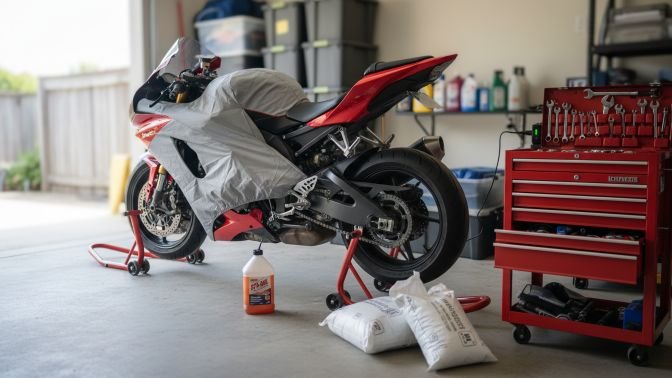
I focus on protecting the fuel system and interior of the tank to avoid corrosion and varnish. I maintain the battery and tires separately, but here I concentrate on fuel treatment and tank prep.
Fuel Additives and Treatment
I add a quality fuel stabilizer to a full tank before storage to prevent ethanol-related breakdown and varnish. Follow the stabilizer maker’s dosing instructions and run the engine for 5–10 minutes so treated fuel reaches the carburetor or injectors.
If the bike will sit more than six months, I consider a fuel system fog or corrosion inhibitor for engines with exposed intake passages. For carbureted bikes, I drain float bowls or use stabilizer plus fogging spray through the intake after the engine is shut off.
I keep ethanol-blend gasoline in mind: ethanol attracts water and can separate in the tank. If I expect storage over a year, I either use ethanol-free gas before storing or plan to drain and clean the tank (see next subsection).
Tank Cleaning and Preparation
If the tank has rust, I remove it before long-term storage. I inspect the tank with a flashlight and feel for sediment; light surface rust can be treated with a chemical rust remover and neutralizer. Heavier rust or scale needs professional cleaning or a tank replacement.
When I keep the tank full, I top it to the filler neck and leave a breathable space (not completely sealed) to limit condensation. For an empty-tank strategy, I drain fuel and run the engine until it stops, then dismantle and clean the petcock and lines to remove old fuel and deposits.
I cap vents and cover the filler to keep dust out, and I store the bike in a cool, dry spot off concrete when possible.
Seasonal Storage vs. Extended Layup
I explain what to do when you store a bike for a few weeks versus many months. The two paths change how you treat fuel, battery, tires, and moisture control.
Short-Term Storage Considerations
I recommend filling the tank and adding a fuel stabilizer if I plan to store the bike for a month to three months. Topping the tank reduces air space and stops condensation that causes rust inside the tank.
I disconnect or use a tender on the battery to avoid drain. A tender keeps the battery at full charge without overcharging. I also inflate tires to the proper pressure and move the bike occasionally to prevent flat spots.
I use a breathable cover and park in a dry, shaded spot. I avoid fogging the cylinders unless storage will exceed three months. A quick wash and wax before storage helps protect paint and chrome.
Long-Term Preservation Techniques
For storage longer than three months, I take stronger steps to protect the fuel system and internals. I add a high-quality fuel stabilizer and run the engine five minutes so stabilized fuel reaches the carbs or injectors.
I either keep the battery on a smart charger or remove and store it in a cool, dry place at full charge. I change the oil and filter before long layup to remove acidic contaminants that can corrode the engine.
I support the bike on a stand or blocks to lift weight off tires and suspension. I plug exhaust ports with cloth or plastic to keep moisture and pests out. Finally, I use dessicant packs or a dehumidifier in the storage space to cut ambient moisture and prevent corrosion.
Storage Recommendations for Different Motorcycle Types
I will explain the key fuel and battery choices for two common bike types and give steps you can take to avoid corrosion, fuel issues, and battery failure.
Modern Fuel-Injected Motorcycles
For fuel-injected bikes, I recommend storing the tank about 90% full and adding a quality fuel stabilizer. A nearly full tank reduces air space and limits moisture condensation that leads to rust in the tank and fuel system. Follow the stabilizer maker’s directions and run the engine a few minutes so treated fuel reaches the injectors.
Disconnecting or maintaining the battery matters. I either remove the battery and store it on a smart charger/trickle charger, or keep it connected to a maintenance charger if the bike stays in a dry, ventilated garage. Clean electrical connections and coat terminals lightly with dielectric grease.
Use a breathable cover and place the bike on paddock stands or blocks to avoid flat spots on tires. For long storage, start the engine every 2–4 weeks or arrange for a short ride to keep seals lubricated and fuel moving through the system. For more on fuel stabilizers and injector care, see the EPA’s guidance on fuel storage and manufacturer service bulletins.
Vintage and Carbureted Bikes
With older carbureted motorcycles I usually drain the fuel system if storage will exceed a month. Carburetor bowls and jets hold gasoline that gums up quickly and can clog passages. If I choose not to drain, I fill the tank completely and add stabilizer, but I still remove the carburetor bowl drains or fog the carburetor with fogging oil after the engine is warm.
I remove and fully charge the battery, then store it on a smart charger. Vintage bikes often have weaker charging systems and parasitic drains, so keeping the battery healthy is critical. I also fog the cylinder chambers with oil through the spark plug holes to prevent rust in the bore.
I inspect and lubricate cables, pivot points, and exposed metal with corrosion inhibitors. Store the bike indoors or in a sealed, climate-controlled unit to limit humidity; the National Park Service and other preservation sites describe similar practices for long-term metal protection.
Environmental Factors Affecting Storage Decisions
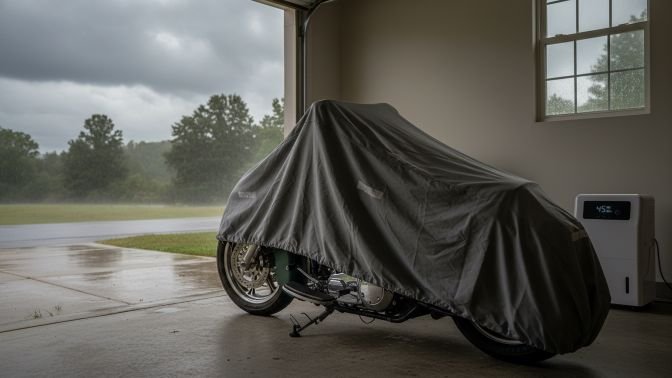
I focus on the two main things that change how you should store fuel: how wet or hot the air gets, and whether the bike stays inside a dry garage or outside under cover. These affect condensation, fuel breakdown, and corrosion risk.
Climate and Humidity
In humid climates I worry about condensation inside the fuel tank. Warm daytime air holds moisture that can condense when temperatures drop at night. That water settles at the bottom of the tank and can cause rust or contaminate fuel over weeks to months.
If you plan to store the bike for more than a month in humid conditions, I recommend a full tank plus fuel stabilizer to minimize air space where moisture can form. For short storage in dry, cool climates, topping off still helps but is less critical. I also watch regional fuel ethanol content; E10 attracts more water and needs fresher treatment or a non-ethanol fuel source when possible.
Garage vs. Outdoor Storage
A locked, dry garage gives the best control over temperature swings and keeps rain and direct sun off the bike. In garages I still protect the bike from humidity by using a dehumidifier, silica packs, or running the engine briefly every few weeks to circulate fuel and oil. Concrete floors can pull moisture into a bike, so I avoid placing the tank close to cold walls.
When storing outdoors or in a carport, I use a breathable cover and add extra corrosion protection like fogging oil. For outdoor situations I always fill the tank and add stabilizer to reduce condensation and fuel breakdown, and I secure the bike against theft. Exposure to sun and rain increases varnish and seal deterioration, so I check rubber lines and the battery more often.
Summary and Final Recommendations
I recommend storing a motorcycle with the tank nearly full and using a fuel stabilizer. A full tank reduces air space and limits moisture that causes rust. Stabilizer keeps the fuel from breaking down during months of inactivity.
I advise filling the tank about 90–100% and then adding the stabilizer per product directions. Run the engine briefly so treated fuel reaches the carburetor or injectors. This helps protect fuel system parts and prevents varnish buildup.
If you must store with an empty tank, I suggest draining and rinsing it thoroughly first. Empty tanks can trap condensation and rust, so they need extra care. Use a fuel-safe sealer only if you understand the long-term risks and procedures.
I keep a charged battery, inflated tires, and a breathable cover on the bike while in storage. These steps work with a full tank to preserve mechanical parts and finish. Check the bike periodically and plan to refresh fuel stabilizer every 6–12 months if storage extends longer.
Key quick checklist:
- Fill tank to ~90–100% and add stabilizer.
- Run engine briefly after adding stabilizer.
- Maintain battery and tire pressure.
- Inspect the bike every few months and re-treat fuel if needed.
FAQs
How long can gas sit with stabilizer?
I typically say up to 12 months when you use a quality stabilizer and run the engine long enough for stabilized fuel to reach the carburetor or injectors.
Should I drain the tank for short-term storage?
If I store the bike only a few weeks, I leave the tank near full and use a stabilizer if the bike will sit longer than a month. Short gaps don’t usually need draining.
What if my bike has a carburetor?
I advise adding stabilizer and running the engine so treated fuel fills the carburetor bowls. Otherwise, I may fog the engine and drain fuel from the carburetor to prevent gum and varnish.
Are there cases to store empty?
I sometimes recommend emptying the tank for very long storage on old, rust-prone tanks that already show corrosion. In those cases I also clean and coat the inside of the tank first.
Quick checklist I follow:
Fill tank and add stabilizer for most storage.
Run engine to circulate stabilized fuel.
Consider draining and treating old rusty tanks.
Conclusion
I recommend storing a motorcycle with a full tank that has been treated with a fuel stabilizer for most short- to medium-term storage. A full, stabilized tank reduces air space and limits condensation, which lowers the risk of internal rust and fuel breakdown.
If I expect the bike to sit for years with no use, I may drain the tank and coat the inside with a rust-preventing liner or oil. Long-term dry storage raises the risk of corrosion and dried seals, so I only use this method when I plan long-term preservation and take extra precautions.
I always run the engine briefly after adding stabilizer to circulate treated fuel through the system. This step helps protect fuel lines, carburetors, or injectors and makes restart easier.
Quick checklist:
- Fill tank about 90–100% full.
- Add correct amount of fuel stabilizer.
- Run the engine for a few minutes.
- Consider a tank liner only for years-long storage.
I base these steps on preventing moisture, keeping seals from drying, and avoiding degraded fuel. Following them keeps the motorcycle ready and reduces the chance of fuel-system problems when I ride again.
