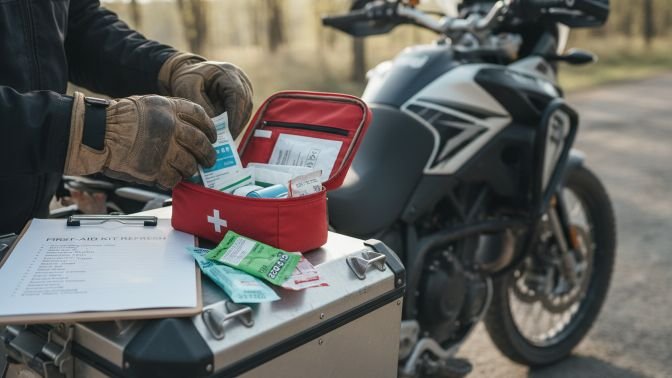
You can’t predict when a spill or crash will happen, so you should carry a first-aid kit when you ride. I know a small kit can stop bleeding, treat scrapes, and buy you time until help arrives. Carrying basic supplies makes you safer and more prepared on every trip.
If you think a kit is extra weight, consider that a few bandages, antiseptic wipes, and a compression bandage often solve the common problems riders face. I’ll show what to carry, how to choose the right kit, and how simple training helps you use it confidently.
Key Takeaways
- Carry a compact first-aid kit to handle common riding injuries.
- Pick gear that matches your route, distance, and skill level.
- Keep the kit accessible and practice basic first-aid skills.
Why Riders Should Carry a First-Aid Kit
I carry a small kit because it fixes common problems fast, keeps wounds from getting worse, and helps me help others until professional care arrives.
Importance for Personal Safety
I keep basic items like adhesive bandages, sterile gauze, antiseptic wipes, and pain relievers to treat cuts and abrasions immediately. Small wounds can bleed or get infected quickly after a fall; treating them on the spot lowers that risk and speeds recovery.
I also carry a compact tourniquet and compression bandage for heavier bleeding when I ride remote routes. These tools can be lifesaving if emergency services take time to arrive.
Finally, I include allergy medicine and spare straps for my helmet or gear. These extras stop minor problems from turning into ride-ending issues.
Immediate Response to Injuries
When I crash, the first minutes matter. I can stop bleeding, clean dirt out of a wound, and apply a dressing to reduce infection risk. Doing this at once often prevents a short ride from becoming a long hospital visit.
I train myself in simple steps: check breathing and consciousness, control bleeding, immobilize obvious fractures with padding, and keep the injured person warm. I also carry a phone list with local emergency numbers and a compact emergency blanket for shock management.
A clear, well-organized kit lets me work quickly under stress. I label supplies so I don’t waste time searching for the right item.
Legal and Ethical Considerations
I know that in many places I have a moral duty to help if someone is in danger, and carrying a kit makes me able to meet that duty. Good Samaritan laws in many regions protect bystanders who give reasonable aid, but I avoid treatments beyond my training to reduce legal risk.
I also document what I do: note the time, actions taken, and any medicines given. This helps paramedics and can be important if someone later questions care.
Carrying a first-aid kit shows respect for other riders and the public. It’s a practical step that reduces harm and supports safer group rides.
Essential First-Aid Kit Contents for Riders
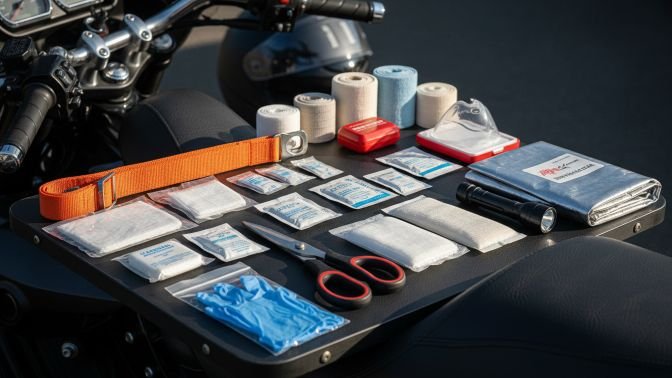
I focus on items that treat cuts, control bleeding, and stabilize injuries until help arrives. I list compact, durable supplies that fit a saddlebag or tail pack and work for short rides or multi-hour trips.
Basic Medical Supplies
I carry sterile adhesive bandages in various sizes and gauze pads (2×2, 4×4) to cover cuts and road rash. I include adhesive tape and elastic bandage (ACE) to secure dressings and support sprains.
I pack antiseptic wipes or a small bottle of povidone-iodine and a non-stick sterile dressing to reduce infection risk. A pair of nitrile gloves protects me while I treat someone else.
I add trauma shears to cut clothing or tape, and a compact CPR face shield for emergency resuscitation. For heavy bleeding I include a packable haemostatic dressing or pressure bandage.
I also carry basic pain relief like ibuprofen (check local laws) and a few oral antihistamines for allergic reactions. For instructions I keep a small, laminated first-aid reference card and link to the NHS first aid guidance for clear steps.
Motorcycling-Specific Items
I choose low-profile, hard-wearing packaging that fits under the seat or in a tank bag. Waterproof zip bags or a small Pelican-style hard case protect contents from rain and oil.
Road rash is common, so I carry sterile saline for wound irrigation and a small tube of antibiotic ointment. I add silicone gel sheets or a non-adherent dressing to reduce skin sticking and pain during movement.
Helmet-related trauma requires a quick assessment, so I include a whistle, marker to note time of injury, and a compact cervical support collar if space allows. I keep a small multi-tool and waterproof flashlight for roadside work. For up-to-date trauma protocols I refer to the American Red Cross first aid resources.
Supplementary Equipment
I pack a compact thermal blanket and hand warmers to prevent shock and hypothermia on long rides or cold nights. An emergency tourniquet and quick-clot gauze serve as last-resort bleeding control.
Communication aids include a small charged power bank and a whistle. I add a pen, notepad, and printed emergency contact list that includes blood type and allergies.
For longer trips I bring electrolyte packets and small water purification tablets to treat dehydration and supply clean water if needed. I replace single-use items after each ride and check expiry dates monthly.
How to Choose the Right First-Aid Kit
I focus on what matters most: where I ride, how far and long I go, and how much weight I can carry. Those facts guide the kit size, contents, and build so I can treat common injuries quickly and stay safe.
Assessing Your Riding Environment
I start by listing likely injuries for the terrain and remoteness of my rides. For city rides, I pack supplies for cuts, scrapes, and road rash. For gravel, trail, or mountain rides, I add items for deep lacerations, bleeding control, and basic splinting.
I check ride duration and response time. Short rides near traffic or cell coverage call for a small kit with bandages, antiseptic wipes, and a compact tourniquet. Multi-hour or remote rides need hemostatic gauze, a full-sized tourniquet, space blanket, and extra dressings.
I consider weather and temperature. Cold can reduce dexterity, so I choose easy-to-use closures and pre-cut dressings. Hot, dusty areas mean I add more sterile gauze and wound-cleaning supplies.
Evaluating Kit Size and Weight
I weigh the trade-off between completeness and comfort. I prefer a lightweight kit for fast, short rides and a larger kit for long or remote trips. Typical options: a tiny seat-pack pouch (under 200 g), a handlebar roll (200–400 g), and a compact daypack kit (400–800 g).
I prioritize items by likely need: adhesive bandages, sterile gauze, tape, antiseptic wipes, a compact tourniquet, and pain/antihistamine tablets. If weight is tight, I carry multi-use tools (trauma shears, a mini splint) and skip rarely used extras.
I test how the kit fits my bike and clothing. I make sure it doesn’t rattle or interfere with movement. I also practice accessing items quickly while stopped.
Quality and Durability of Materials
I choose kits made from tear-resistant fabric and water-resistant zippers. A wet, open wound is a bigger problem; durable packaging keeps items sterile and usable.
I inspect key components for medical-grade quality. I look for a genuine tourniquet (not elastic cord), sterile gauze with clear expiry dates, and adhesive tape that sticks in sweat. Cheap scissors and poorly labeled meds are red flags.
I prefer kits with organized compartments or removable pouches. Clear labeling speeds treatment under stress. If I plan long trips, I pick replaceable or refillable kits so I can resupply specific items without replacing the whole pack.
Proper Storage and Accessibility
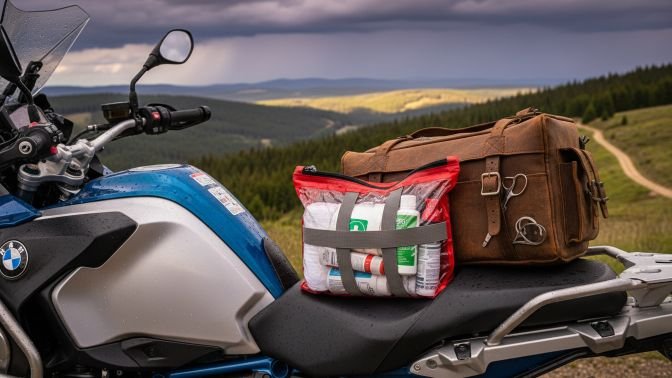
I keep my kit where I can reach it fast and where the gear stays usable. I focus on one easy spot for each ride type and protect items from heat, cold, and water.
Best Locations for Carrying
I place the kit where I can grab it without stopping for long. On a road bike I tuck a compact kit inside a saddle bag or a frame bag near the top tube. For mountain biking I prefer a small pack in a hip pack or a harness pocket so it won’t bounce or shift.
If I ride touring or commute, I keep a larger kit in an under‑seat bag or pannier with a visible tag. I also carry a tiny emergency kit in my jersey pocket for cuts, bandages, and pain relief. I check each location for quick access during a fall, and I secure containers so they don’t spill or get crushed.
Protecting Contents from Weather
I seal soft items in ziplock bags or small dry sacks to stop moisture and dirt. I label the bags and separate consumables (meds, ointments) from tools (tweezers, scissors) so wetting one item won’t ruin everything.
For cold weather, I avoid storing adhesive items against metal where they can freeze; I keep them inside insulated pockets or against my body. In hot weather I avoid trunk or car storage during midday; I move the kit into shade or an insulated box to prevent melting or degraded medicines. I inspect seals and replace any brittle plastics or expired meds after extreme weather exposure.
Training and Preparedness for Riders
I focus on practical skills and clear plans that let me act fast after a crash or fall. I emphasize hands-on training, knowing how to use each item in my kit, and having a simple rescue plan for the trail or road.
Importance of First-Aid Training
I take a certified first-aid and CPR course so I can stop bleeding, treat shock, and stabilize broken bones. Courses teach me how to check airway, breathing, and circulation, and when to call emergency services.
Hands-on practice matters. I practice applying pressure dressings, using a triangular bandage as a sling, and placing someone in the recovery position. These actions reduce risk until professionals arrive.
I keep my training current with refresher classes every 1–2 years and review local emergency numbers and route access points before rides. I also tell riding partners where my kit is and who has basic training in our group.
Appropriate Use of Kit Supplies
I know each item in my kit and use supplies only for their intended purpose. I use sterile gauze and adhesive bandages for cuts, tourniquets only for life‑threatening limb bleeding, and antiseptic wipes to clean wounds before dressing.
I carry items sized for quick use: small elastic bandage, adhesive tape, sterile gloves, scissors, and a CPR mask. I check expiration dates and replace used or expired items after every ride.
I keep a separate pouch for medications I might need, like an EpiPen or aspirin, and label it with my name and dosage. I write basic instructions on a waterproof card for quick reference during high stress.
Common Riding Scenarios Where First-Aid Kits Are Needed
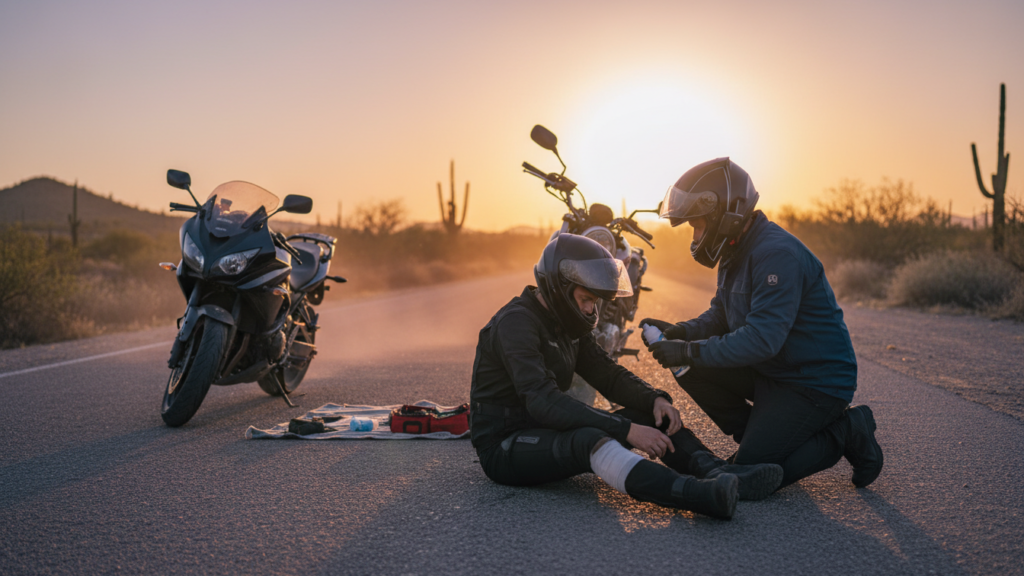
I carry a compact first-aid kit because rides can turn risky fast. Small cuts, broken skin, or a sprain need quick care to prevent infection and stop bleeding.
On-Road Emergencies
I ride on streets with cars, potholes, and sudden stops. The most common on-road injuries are road rash, deep cuts from glass or metal, and blunt trauma from collisions. I pack sterile gauze, adhesive bandages, and a trauma dressing to handle bleeding. A compact tourniquet and nitrile gloves help if I must control heavy bleeding safely.
I also include a CPR face shield and a space blanket for shock. For useful reference on controlling bleeding and using a tourniquet, I consult guidance from the American Red Cross . Quick, clean treatment at the scene reduces infection risk and often lets me finish a ride or get to medical help.
Off-Road Accidents
I trail-ride where rocks, roots, and remote locations raise the stakes. Cuts and abrasions are common, but so are twisted ankles and shoulder dislocations. I carry antiseptic wipes, a small bottle of sterile saline, triangular bandages for splints, and an elastic bandage for compression. These items let me immobilize a limb and clean wounds before I evacuate.
For longer or remote outings, I add electrolyte packets and a headlamp for low-light situations. Trail medicine advice from Wilderness Medical Society helps me choose gear and learn basic wound care and splinting techniques for backcountry rides.
Legal Requirements for Carrying First-Aid Kits
I explain where laws apply, what types of vehicles need kits, and how rules can affect insurance and liability. Read the specifics below to know when a kit is required and how it may change your coverage.
Regional Regulations
Laws vary by country, state, and vehicle type. In the U.S., federal rules require first-aid kits on certain commercial passenger vehicles like buses and motor coaches. I check Federal Motor Carrier Safety Administration (FMCSA) and Department of Transportation (DOT) rules for commercial operations, while private cars generally face no federal mandate.
States may add rules for taxis, rideshares, or school transport. Other countries often require a basic kit in private vehicles or for drivers to carry specific items like reflective vests and warning triangles alongside medical supplies. I recommend checking your local transport agency or highway code to confirm exact kit contents, placement, and accessibility.
Insurance Implications
Carrying a kit can affect claims and liability even when not legally required. Insurers may view well-equipped vehicles more favorably during liability assessments after an accident. I have seen policies that consider safety equipment during underwriting and claim reviews, which can influence settlements.
If an injury occurs and you lack reasonable first-aid supplies, insurers or courts might find you partially negligent. I advise documenting the kit contents and maintenance dates to show you met reasonable safety steps. For commercial operators, keeping records is crucial for both regulatory audits and insurance defenses.
Maintenance and Regular Checks
I keep my riding first-aid kit ready by checking items often, replacing anything past its date, and adjusting supplies for weather and trips. I focus on expiration dates, seal integrity, and items I actually use on rides.
Replacing Expired Items
I check every medication, ointment, and sterile item for expiration at least once a month. I look at adhesive bandages, antibiotic ointment, burn gel, sterile gauze, and any tablets like pain relievers or antihistamines. If a date has passed, I remove the item and replace it immediately.
I also inspect packaging for tears, crushed pill bottles, or broken seals. Sterile dressings that have damaged wrappers are not safe and go in the trash. For single-use items like tourniquets and trauma dressings, I follow manufacturer guidance on service life and replace them as recommended.
I keep a small inventory list inside the kit with purchase dates. That helps me see what to reorder before a ride and prevents me from discovering missing items when I need them.
Seasonal Adjustments
I change kit contents based on the season and the kinds of rides I do. In summer I add extra electrolyte tablets, sterile water ampules, and blister pads. In winter I include hand warmers, thicker dressings, and an emergency space blanket.
For long or remote trips I add larger quantities of key items: extra gauze, suture strips, and a compact splint. For short urban rides I slim the kit to basics like bandages, antiseptic wipes, and a small pair of trauma shears.
I store season-specific items in clear zip bags inside the kit and label each bag. That makes it quick to swap gear when the weather or route changes.
FAQs
Do I really need a first-aid kit when I ride?
I recommend carrying one. Small injuries like cuts and scrapes happen often, and a kit helps you treat them quickly. It keeps minor problems from becoming bigger ones.
What should a basic kit include?
I pack gauze, adhesive bandages, antiseptic wipes, tape, and a pair of small scissors. I also add pain relievers, blister plasters, and a few antiseptic ointment sachets.
How big or heavy should the kit be?
Keep it compact and light. I use a small waterproof pouch that fits in a saddlebag or jersey pocket. If I ride remote trails, I carry a slightly larger kit with extra supplies.
Do I need training to use the kit?
Basic first-aid knowledge helps a lot. I suggest taking a short course to learn wound care, bleeding control, and how to treat shock. Practice makes you faster and more confident.
Should I customise my kit?
Yes. I personalise mine for the ride length, location, and who I ride with. For long or remote rides I add a tourniquet, more gauze, and electrolyte packets.
How often should I check the kit?
I inspect mine before every multi-hour ride and restock after any use. Check expiry dates and replace used or expired items promptly.
Conclusion
I recommend carrying a small first-aid kit on most rides. It adds little weight but gives me tools to handle cuts, scrapes, and minor emergencies until I can get proper care.
I pack items that match the ride length and terrain: bandages, antiseptic wipes, adhesive tape, blister pads, and some pain relievers. For remote rides I add a compression bandage, tweezers, and a space blanket.
I pair the kit with basic first-aid training and a charged phone or communication device. Knowledge makes the supplies useful; without it they’re just extra weight.
I tailor my kit to who is riding with me. If I ride with kids or less experienced riders, I bring more supplies and a little extra training. For solo rides, I focus on lightweight, multi-use items and emergency signaling tools.
I view a first-aid kit as practical risk management. It won’t prevent crashes, but it helps me stabilize injuries and get help faster when things go wrong.
