
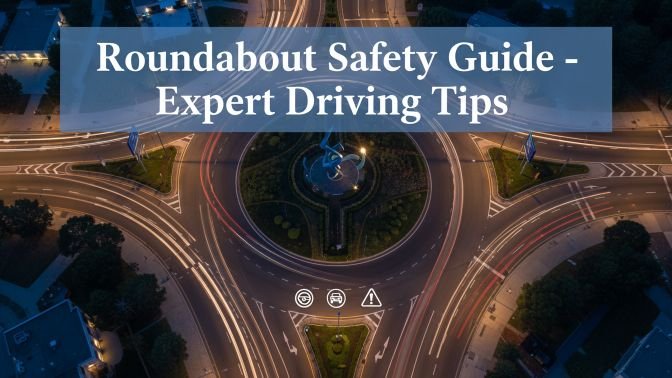
You want to cross a roundabout without surprise or stress. I’ll show you how to pick the right lane, slow safely, yield correctly, and exit cleanly so you stay in control and avoid common mistakes. Approach slowly, pick the correct lane, yield to traffic and pedestrians, then enter when you see a safe gap.
I know roundabouts can feel confusing, but small habits make a big difference: scan early, signal your intent, give space to large vehicles, and use splitter islands to cross one direction at a time if you’re a cyclist or pedestrian. Follow these steps and you’ll move through roundabouts with more confidence and less risk.
Key Takeaways
- Slow and scan early to choose the right lane.
- Yield to circulating traffic and protect pedestrians.
- Signal, give space, and exit smoothly.
Understanding Roundabouts
I explain what roundabouts are, describe the main designs you may encounter, and list the real safety and traffic benefits they offer.
What Is a Roundabout
A roundabout is a circular intersection where traffic moves counterclockwise around a central island. Vehicles entering must yield to traffic already in the circle. I focus on yielding and merging rather than stopping unless necessary.
Drivers choose an entry gap and merge into the flow at low speed, usually 15–25 mph in urban settings. Pedestrian crossings sit outside the circulatory roadway, so people on foot cross one direction of traffic at a time. Signs and road markings guide lane choice and show the exit number. I watch lane markings and signs early so I enter in the correct lane for my exit.
Types of Roundabouts
Single-lane roundabouts have one travel lane around the island. They work well on low- to moderate-traffic streets and are simpler for lane choice.
Two-lane roundabouts have two lanes on the circulatory roadway. I pay close attention to signs and lane arrows before entering. Wrong-lane choices can force dangerous lane changes inside the circle.
Mini-roundabouts use a smaller painted or mountable central island for tight spaces. Turbo or splitter islands channel vehicles and reduce lane changes. Some large, multi-lane roundabouts include dedicated bypass lanes for high-volume right turns. Each type changes how I approach speed, lane choice, and scanning.
Benefits of Roundabouts
Roundabouts reduce severe crashes by lowering vehicle speeds and removing head-on and left‑turn conflicts. I slow down and yield, which cuts the chance of high-speed collisions.
They improve traffic flow because vehicles merge rather than stop at signals, reducing delay and idling. Fuel use and emissions drop when traffic keeps moving. Roundabouts also make intersections safer for pedestrians and cyclists by shortening crossing distances and creating refuge islands, so I can cross one direction of traffic at a time.
Preparing to Enter the Roundabout
I focus on speed, lane choice, signs, and yielding so I can enter the roundabout smoothly and safely. I pick the right lane early, slow to a safe speed, check markings and signs, and only go when there is a clear gap in circulating traffic.
Approaching at the Correct Speed
I slow to the posted roundabout speed (usually 15–25 mph) well before the entry. Reducing speed gives me time to spot lane markings, signs, and other road users like bicyclists and pedestrians.
If the roundabout has a single lane, I stay centered and move at a steady, controlled pace. For multi-lane roundabouts, I match my speed to the flow so I can merge safely into the correct lane without abrupt braking.
I avoid accelerating while turning into the circle. Smooth throttle control helps maintain balance and keeps other drivers predictable. I also watch brake lights ahead to judge gaps and be ready to stop if needed.
Observing Road Signs and Markings
I look for advance signs that show lane assignments and the exit layout. Arrows painted on the pavement tell me which lane goes straight, left, or right, so I pick my lane early.
I read any yield signs, speed advisories, and pedestrian crossing markings before I get to the entry. Clear understanding of these signs prevents last-second lane changes and sudden moves.
If signage is unclear, I slow more and give myself extra time to decide. For official guidance on signs and markings, I check my local DOT website or the Federal Highway Administration for diagrams and rules.
Yielding to Traffic in the Roundabout
I yield to traffic already in the circle; they have the right of way. I wait for a safe gap in the circulating traffic before I enter and never force my way in.
I also watch for pedestrians and cyclists at the crosswalks on the approaches and exits. If a pedestrian is crossing, I stop and let them pass before I enter the roundabout.
While circulating, I avoid changing lanes and I signal before I exit. This keeps traffic predictable and reduces the chance of collisions. For more on yielding rules and best practices, I refer to guidance from state road commissions and safety resources.
Navigating the Roundabout
I focus on clear lane choice, correct signaling, and keeping a safe gap from other vehicles when I enter and travel through a roundabout. These actions help me avoid sudden moves and keep traffic flowing.
Proper Lane Selection
I scan signs and road markings well before the roundabout. If I plan to turn right or go straight, I choose the right lane when lanes are marked that way. For left turns or U-turns, I move to the left lane in advance.
When lane markings are missing, I watch other vehicles and use the lane that matches my exit. I avoid last-second lane changes inside the circle. If I miss my exit, I circle again; I do not stop or reverse.
I pay attention to pavement arrows, overhead signs, and destination signs. These usually show which lane serves which exits. Entering from the correct lane reduces conflicts and makes my path predictable to other drivers.
Using Turn Signals Effectively
I signal right when I exit the roundabout. This tells drivers and cyclists my intended exit and reduces confusion. I do not signal on entry unless I am changing lanes inside a multi-lane roundabout.
For left turns or going past the first exit, I signal left before entering only if local rules require it; otherwise I keep my left signal for lane position and switch to the right signal just before my exit. I make my signal early enough for others to see it but cancel it immediately after exiting.
I watch for cyclists and pedestrians while signaling. A clear signal gives them time to yield or pause, which keeps everyone safer.
Maintaining Safe Following Distance
I slow to match the roundabout speed, usually 15–25 mph in most modern roundabouts. I leave at least two to three seconds of distance from the vehicle ahead to allow for sudden stops or lane changes.
I avoid tailgating inside the circle, even in single-lane roundabouts. If traffic compresses, I create extra space by yielding a turn or rejoining after a gap appears. This reduces rear-end collisions and gives me room to react.
I also increase distance behind large vehicles because they may block sight lines or need more room to maneuver. Keeping a steady, moderate speed helps everyone predict my actions.
Exiting the Roundabout Safely

I focus on finding my exit early, checking mirrors and blind spots, and signaling correctly so I leave the roundabout without surprising other road users. These steps help me keep a steady speed and make a clear move to the right when it’s time to exit.
Identifying the Exit Early
I scan the roundabout signs and lane markings as I approach and pick my exit at least one full circle ahead. If I intend to take the first exit, I move to the right lane early; for exits past halfway, I position myself in the left or center lane as the road markings require.
I watch for overhead signs, pavement arrows, and exit numbers. If I miss my exit, I continue around and take the next one—never suddenly merge across lanes to try to correct a missed exit.
Quick checklist:
- Read signs before the yield line.
- Choose lane based on exit position.
- Prepare to exit one or two vehicles before my target.
Checking Mirrors and Blind Spots
I use my mirrors and a quick shoulder check before I change lanes or shift to the exit lane. Mirrors show the gap behind and beside me; a shoulder check catches bicycles, motorbikes, or pedestrians that mirrors can miss.
I look for faster traffic in adjacent lanes and avoid cutting in front of someone who is already alongside me. If I see a vehicle close in the lane I want, I wait for a safe gap rather than forcing a merge.
Quick actions:
- Check rearview, then side mirror.
- Do a shoulder check for blind spots.
- Confirm gap before moving over.
Signaling Before Exiting
I signal right about one exit before I plan to leave, or roughly 2–3 seconds ahead if traffic is slow. A clear, timely signal tells drivers and cyclists behind me that I will move to the right and exit.
If I change lanes inside the roundabout, I signal that lane change as well, then signal right again before exiting. I cancel the signal after I leave to avoid confusing others.
Signal steps:
- Signal lane changes immediately.
- Signal right shortly before the exit.
- Keep signal steady until clear of the roundabout.
Unique Considerations for Different Riders
I focus on clear actions for each group: where to position, how to signal or yield, and when to change speed. Follow specific steps that match your vehicle and skill level.
Motorcyclists’ Safety Tips
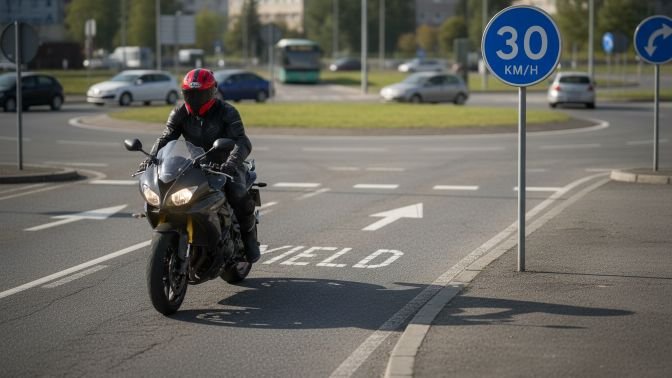
I slow early and keep a steady throttle when approaching. Tight turns and sudden lane changes can unsettle a bike, so I avoid last-second moves. I choose the lane that matches my exit: left lane for left or straight exits where allowed, right lane for right exits. If lane markings are unclear, I treat the roundabout like a single lane and stay centerline to be visible.
I scan for large vehicles that may drift wide. I increase following distance and be ready to brake smoothly. I use my signals when leaving. I also scan for road surface hazards—gravel, oil, and wet patches—because they reduce traction in a lean.
Cyclists’ Guidance
I decide to ride as a vehicle in the lane or use a separate bike ramp if available. If I take the lane, I position myself where drivers can see me, usually near the center of the lane for safety. I signal my intent clearly with hand signals and eye contact when possible.
If I use a shared path or crosswalk, I dismount and walk across at marked crossings to reduce conflict with vehicles. I watch for drivers merging into the roundabout who may not expect a cyclist. I also keep a steady speed to avoid surprise braking and make myself visible with lights and bright clothing.
Advice for Novice Drivers
I plan my exit before I enter. I choose the correct lane early, slow to the advisory speed, and yield to traffic already in the roundabout. I avoid stopping inside the circle unless an emergency forces me to.
I signal right when I intend to leave and avoid changing lanes inside the roundabout. If I miss my exit, I go around again rather than cutting across lanes. I stay aware of bicycles and motorcycles and give extra space to larger vehicles that may need more room.
Common Mistakes to Avoid
I focus on three errors that often cause close calls: not yielding when required, sudden lane changes, and passing other riders or cars inside the circle. Fixing these keeps traffic smooth and lowers crash risk.
Failing to Yield
I always scan for circulating traffic and pedestrians before I enter. Vehicles already in the roundabout have the right of way; I wait for a clear gap and never roll forward hoping to squeeze in. Pedestrians at crosswalks near the entry also get priority, so I stop before the crosswalk if someone is waiting or crossing.
When visibility is limited, I creep forward only enough to see the whole circle, but I keep my foot on the brake and be ready to stop. I avoid assuming another driver will yield; I make eye contact with nearby drivers when possible and use my position to show intent.
Changing Lanes Last Minute
I pick my lane early based on my exit. If I’m taking the first exit, I use the right lane; for exits past halfway around, I use the left lane when available. Changing lanes inside the roundabout or right before entry creates conflict and surprises other riders.
If traffic forces a late lane change, I slow, signal, and wait for a safe gap before moving. I don’t weave across lanes to reach my exit. Staying in my chosen lane until I leave reduces collisions and keeps traffic flowing.
Overtaking in the Roundabout
I never try to pass another vehicle or cyclist while inside the roundabout. The circle’s constant yield-and-merge pattern makes overtaking risky and unpredictable. Passing narrows escape paths and increases the chance of side-swipes or forcing someone off the road.
If a slower road user is ahead, I adjust my speed and follow at a safe distance until an exit lets me leave behind them. For cyclists or motorcyclists, I give extra lateral space and only overtake after everyone’s clear and the exit is near.
Adapting to Traffic and Road Conditions

I focus on three main actions: choose the right lane early, adjust your speed to match the flow, and stay ready to yield. These choices keep you safe and let you move through the roundabout with less stress.
Handling High Traffic Volumes
When traffic is heavy, I slow earlier than normal so I can judge gaps without braking hard. I pick the correct lane well before the entry by using signs and pavement markings; this avoids late merges that cause confusion.
I yield to circulating traffic and only enter when I can merge smoothly. If I can’t enter, I circle again calmly—do not stop in the entry lane.
I use turn signals to show my exit choice. That helps drivers behind me and those already in the roundabout. When queues form, I watch brake lights ahead and keep a safe following distance. For official guidance on lane choice and yielding, I consult the Federal Highway Administration for diagrams and rules.
Dealing with Poor Visibility
In fog, heavy rain, or nighttime, I reduce speed well below the posted approach speed so I have time to react. I use low-beam headlights in rain and fog; high beams can blind others.
I increase my following gap to allow extra stopping room. I look for reflective signs and road markings to confirm lane choice and exits. If visibility drops suddenly, I pull into a safe spot before the roundabout rather than entering blind.
I clean my windshield and use defoggers to maintain a clear view. For detailed vehicle visual cues and safety tips, I reference state DOT materials and safety pages.
Responding to Pedestrians and Emergency Vehicles
I expect pedestrians at marked crosswalks and slow to a crawl when they approach. I always yield to pedestrians who are in the crosswalk and use the splitter island to watch one direction of traffic at a time.
If an emergency vehicle approaches with lights or siren, I avoid entering the roundabout. I either clear the roundabout if I’m inside or stop before entering and allow the vehicle to pass.
I never block crosswalks or the entry lane; blocking them prevents safe pedestrian crossings and hinders emergency response. When pedestrians have special needs, I give extra time and space to avoid startling them.
FAQs
Can I change lanes inside a multi-lane roundabout?
No. I choose the correct lane before entering and stay in that lane while circulating. Changing lanes inside causes confusion and crashes.
What speed should I use when approaching a roundabout?
I slow to the advisory speed, usually 15–25 mph, and prepare to stop if needed. Slower speeds give me time to see cyclists and pedestrians.
How do I handle cyclists and motorcycles?
I look for bikes and give them space. Cyclists may ride like a vehicle or use the crosswalk; I treat both options as possible and yield when needed.
What if a large truck is using more than one lane?
I give trucks extra room and avoid cutting in front of them. Many trucks need the full width to turn and may swing wide.
What about signaling?
I signal right just before my exit so others know my intent. I avoid signaling while I’m still circling until I’m ready to leave.
What do I do if I miss my exit?
I continue around and take the next exit. Do not stop or reverse; that creates a hazard for others.
Conclusion
I focus on clear actions: scan, slow, signal, and position. These steps cut risk and make my movements predictable to others.
I keep speed steady and avoid sudden lane changes. That helps me stay balanced and gives other drivers time to react.
I choose the correct lane early and watch for signs and markings. If I’m unsure, I take the outer lane and exit safely.
I treat pedestrians and cyclists with care and give them space. When visibility is poor, I increase distance and reduce speed.
I practice these habits until they become automatic. Consistent routine is the best way I know to ride through roundabouts safely.
