You need clear rules to stay safe on the road. Follow traffic signals, ride with traffic, obey speed limits, use hand signals or lights, and yield when required. Follow the same traffic laws as cars, keep to the right and ride single-file, signal your moves, and stay alert to avoid crashes.
I’ll walk you through the key rules that protect you and others so you can ride confidently. Expect simple tips on lane position, right-of-way, passing, equipment, and what to do after a crash.
Key Takeaways
- Know and obey traffic signals, signs, and speed limits.
- Use proper lane position and clear signals when turning or passing.
- Keep gear legal, stay sober, and stay alert to prevent accidents.
Understanding Road Signs and Signals
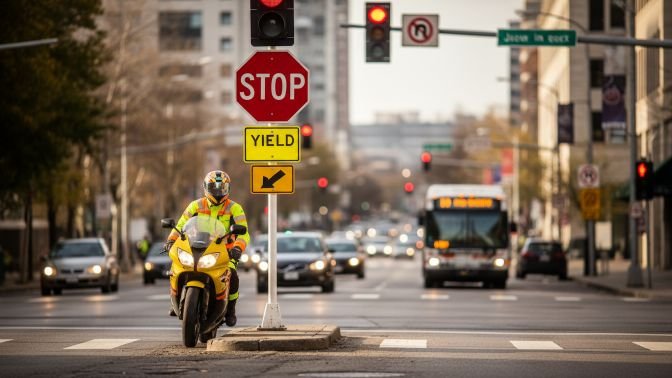
I explain how to read signs that tell you rules, warn you of hazards, and control intersections. Knowing specific shapes, colors, and meanings keeps you safe and helps you make the right move fast.
Recognizing Regulatory Signs
I treat regulatory signs as commands you must follow; they tell you what you can and cannot do. Common shapes include rectangles for speed limits and squares for lane use. A red circle or slash often means “no”—no left turns, no U-turns, or no parking.
Speed limit signs show the maximum legal speed. I watch for changes in posted limits when entering towns, school zones, or work zones. Stop signs and yield signs control who goes first at intersections. A stop sign means a full stop; I check all directions before I go.
I also look for signs that control turns, lanes, and parking. White signs with black text give rules like “Right Lane Must Turn Right.” Ignoring regulatory signs can lead to tickets or crashes, so I follow them precisely.
Interpreting Warning Signs
I use warning signs to spot hazards ahead so I can slow down or change position. Most warning signs are yellow diamonds or fluorescent yellow-green near schools. They warn about curves, merges, pedestrian crossings, and changes in road conditions.
If I see a winding road sign, I reduce speed and prepare for multiple curves. Road narrows, slippery when wet, and deer crossing signs make me extra cautious. Construction signs are orange and tell me to expect workers, reduced lanes, or flaggers.
Warning signs do not order me to stop; they tell me to adjust speed and attention. I always scan the roadway for the cause of the warning and plan a safe response, like braking gently or moving lanes when it is safe.
Obeying Traffic Lights
I treat traffic lights as the highest authority at controlled intersections. Red means stop behind the line. I remain stopped until the light changes and the intersection is clear.
Yellow means the light will turn red soon. I prepare to stop unless I am already too close to stop safely. Green means I may go, but I still check for pedestrians, cyclists, and turning vehicles.
Some signals use arrows; a green arrow allows only the shown movement. Flashing lights mean special rules: a flashing red is like a stop sign, and a flashing yellow means proceed with caution. I follow lane-specific signals and obey any posted signs that modify light rules.
Right-of-Way Rules
I focus on clear steps riders must take when others share the road. Know who must stop, who must yield, and when to proceed with caution.
Yielding at Intersections
I always scan intersections early and slow down when I approach stop signs or uncontrolled crossings. At a four-way stop, the first vehicle to arrive goes first; if two vehicles arrive at the same time, the driver on the left yields to the driver on the right. If I am turning left, I wait for oncoming traffic and for any pedestrians to clear the crosswalk.
I treat traffic lights and marked lanes as binding. A green arrow lets me turn with priority; a steady green requires yielding to oncoming traffic. When in doubt, I yield—it reduces crash risk. For detailed state rules, I check my local DMV guidance at https://www.dmv.org.
Navigating Pedestrian Crosswalks
I always yield to people in crosswalks, marked or unmarked. If a pedestrian steps into a crosswalk while I approach, I stop and remain stopped until they finish crossing. Pedestrians have legal priority in most situations, so I avoid honking or pressuring them to move.
When a crosswalk has a pedestrian signal, I obey its indications. If a crosswalk is unmarked at an intersection, I still slow and prepare to stop. For safety tips and pedestrian laws, I refer to resources from the National Highway Traffic Safety Administration
Handling Roundabouts
I enter a roundabout only when there is a safe gap in circulating traffic. Vehicles already in the roundabout have the right of way, so I yield to traffic from my left. I choose my lane and signal my exit in advance to communicate intentions.
I avoid stopping inside the circle unless required. If I miss my exit, I continue around and return to it; I never reverse or back up. Large trucks and emergency vehicles may need extra room, so I give them space and yield when necessary.
Lane Discipline and Positioning
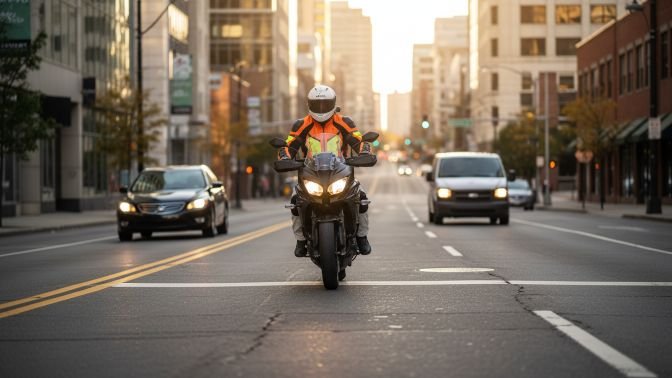
I focus on where to ride, how to stay predictable, and how to use the lanes that apply to my bike or motorcycle. Proper position keeps me visible, reduces surprises, and helps traffic flow.
Maintaining Lane Integrity
I stay centered in my lane when conditions allow, keeping a safe distance from the curb and from other vehicles. On multi-lane roads I hold my lane, not weaving between cars, so drivers can predict my path. I avoid riding too close to parked cars to reduce the risk of dooring.
When the lane is narrow and I cannot share it safely with a car, I take the full lane to prevent unsafe passes. I keep a steady speed that matches traffic flow unless I have reason to slow, and I use my headlight or high-visibility gear to increase visibility. For rules and tips about lane use, I check official guides like state DMV pages or the National Highway Traffic Safety Administration (NHTSA).
Changing Lanes Safely
I signal well before I change lanes — at least three to five seconds or about 100 feet when possible. I check mirrors, shoulder-check my blind spot, and look for gaps in traffic before I move. I avoid sudden swerves; instead I move smoothly and decisively.
If traffic is heavy, I wait for a clear gap rather than forcing my way in. When passing slow vehicles, I accelerate slightly to minimize time in the adjacent lane, then return when I can see the vehicle I passed in my mirror. I also watch for drivers’ turn signals and brake lights so I can anticipate lane changes by others.
Using Designated Bike or Motorcycle Lanes
I use bike lanes and motorcycle lanes where provided and allowed. I stay inside the bike lane except when avoiding hazards, preparing for a turn, or when a lane is too narrow for safe riding. I yield to pedestrians using crosswalks that cross the lane.
I treat designated lanes as part of the road, not a sidewalk. I watch for driveways and intersections where cars may cross the lane, and I ride where drivers can see me. For local rules and maps to find bike lanes, I consult city transportation sites or cycling advocacy groups such as the League of American Bicyclists.
Speed Limits and Safe Speeds
I explain how posted speed limits work and when to slow down for road, weather, and traffic conditions. Follow limits, watch signs, and change speed to match visibility, surface, and nearby people.
Adhering to Posted Speed Limits
I follow the posted speed limit as the baseline for safe riding. Signs show the legal maximum under normal conditions, so I keep my speed at or below that number unless other laws or signs tell me otherwise.
When in work zones, school zones, or residential areas, I reduce speed to the posted lower limit. I also watch for variable speed signs and electronic displays that change with traffic or weather.
I know that exceeding the posted limit raises my crash risk and can increase fines or license penalties. If I’m unsure of the limit, I slow down until I confirm it.
Adjusting Speed for Conditions
I always adjust my speed to match road surface, light, and weather conditions. Rain, ice, fog, and loose gravel reduce traction and visibility, so I slow well below the posted limit when these occur.
I watch traffic flow and the behavior of other road users. Heavy traffic, pedestrians, bicyclists, and large vehicles require me to reduce speed and increase following distance.
I use low speed in sharp curves, near schools, and when road markings are unclear. If visibility drops at night or on winding roads, I drop speed enough to stop within the distance I can see.
Signal Use and Communication
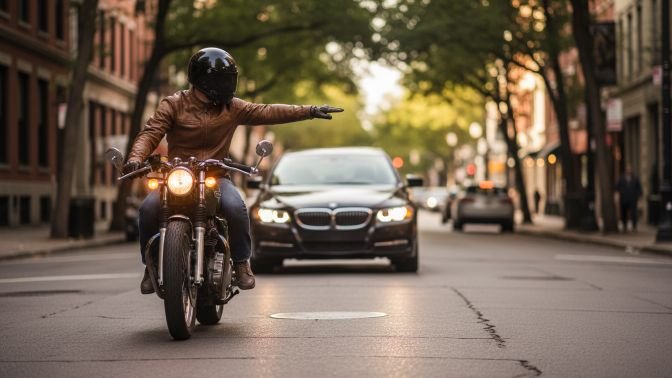
I rely on clear, timely signals and simple communication to keep myself visible and predictable on the road. Signaling early, holding the signal, and confirming others saw me are the most important parts.
Using Hand or Electronic Signals
I use hand signals for most turns and stops because they work without power and are easy to see in daylight. Extend your left arm straight out for a left turn. For a right turn, extend your right arm straight out, or extend your left arm and bend it upward at the elbow. To show slowing or stopping, extend your left arm and point downward with the palm open.
I keep signals held for at least two seconds before the maneuver so drivers and riders can react. At night or in low visibility I add a flashing rear light or a wearable turn signal. If you want details on legal signal rules in your state, check a local DOT page like the National Highway Traffic Safety Administration (https://www.nhtsa.gov) for guidance.
Communicating Intent to Other Road Users
I pair signals with eye contact and lane position to make my intent unambiguous. Before turning I scan traffic, shoulder-check, then signal. When I need to “take the lane” to prevent unsafe passing, I move to the lane center and keep a steady pace so drivers understand I’m claiming space.
In group rides I call out hazards and point to road problems, and I use simple verbal cues like “left,” “right,” “stopping,” or “slow” so riders behind me can react. For interactions with drivers, I avoid sudden swerves and instead make predictable movements backed by clear signals. For more group-ride etiquette tips, the League of American Bicyclists offers useful guidance (https://www.bikeleague.org).
Safe Overtaking and Passing
I focus on clear checks and predictable actions before and during any pass. I make sure the move is legal, safe, and quick to reduce risk to myself and others.
Assessing When to Overtake
I first check mirrors and blind spots to see traffic behind and beside me. I scan far ahead for oncoming vehicles and road hazards like bends, hills, or junctions that could hide traffic.
I judge distance and speed: I calculate whether I can complete the pass and return to my lane without cutting off the other vehicle. If I must accelerate past the speed limit to finish safely, I do not overtake.
I signal early and clearly. I wait for a gap that gives me room to accelerate, pass, and merge back without forcing others to brake or swerve. If visibility or space is limited, I hold my position until conditions improve.
Observing Passing Zones
I only pass where road markings and signs allow it. Solid center lines, “No Passing” signs, or single-lane bridges mean I must stay behind the slower vehicle.
I treat broken center lines and marked passing lanes as permission to pass, not an obligation. I still verify there is no oncoming traffic and that the lane ahead is free for the whole maneuver.
I avoid passing near intersections, pedestrian crossings, and areas with frequent cyclist or horse traffic. When passing vulnerable road users, I slow down, give extra lateral space, and pass only when I can do so safely.
Vehicle Equipment Requirements
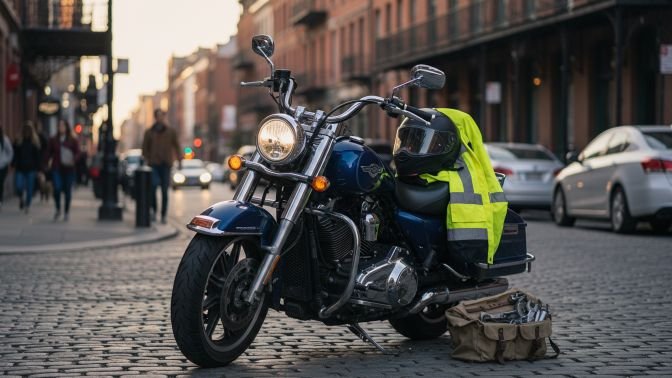
I list the key gear and lights riders need to ride legally and safely. I focus on the specific items that commonly cause citations or unsafe rides.
Mandatory Lighting and Reflectors
I ensure my bike has a white front light and a red rear light when riding at night or in low visibility. Many places require the front light to be visible from at least 200 feet and the rear light to be steady or flashing and visible from a similar distance.
I use reflectors on the front, rear, and each pedal if the law requires them. A red rear reflector and white or amber side reflectors help drivers see me from the side and back. Wheel reflectors or reflective tire sidewalls increase visibility from the side.
I check batteries and mounting before each night ride. Lights must be secure, aimed correctly, and not blocked by racks or bags. I replace bulbs or batteries at the first sign of dimming.
Required Safety Gear
I always wear a properly fitted helmet if local law requires it, and I recommend it even when not legally required. The helmet must sit level on my head, straps snug under my chin, and meet a recognized safety standard (for example, CPSC, EN 1078, or another local standard).
I use a bell or horn to warn pedestrians and other riders. In many jurisdictions, audible signaling devices are legally required on bicycles.
I carry a rearview mirror if I ride in heavy traffic; some places require mirrors on certain classes of bikes. I also keep a spare tube, pump, and basic tools for safe operation, though these are not typically law requirements.
Alcohol, Drugs, and Distractions
I stress that impairment and distraction greatly raise crash risk. Riders must keep their reflexes, vision, and judgment sharp, avoid anything that slows reaction time, and eliminate phone use while controlling a vehicle.
Prohibiting Impaired Riding
I never ride after drinking alcohol or using drugs that affect my senses or coordination. Every state bans driving under the influence; even small amounts of alcohol can slow braking and steering. Prescription medicines can also impair me, especially when mixed with alcohol or other drugs.
If I plan to ride after taking medication, I check the label and talk to my doctor or pharmacist. For legal guidance and limits, I consult the state DMV or the NHTSA’s information on impaired driving (https://www.nhtsa.gov). If I’m impaired, I use a taxi, rideshare, or have a sober rider take the controls.
Avoiding Mobile Device Usage
I keep my phone out of reach while I ride. Texting, calling, or looking at maps diverts my eyes and hands from controls and greatly increases crash risk. Many states have strict laws banning handheld device use; I follow those laws and use hands-free or mounted navigation only when stopped.
I set my phone to Do Not Disturb before I start. If I need navigation, I mount the device securely and program the route before moving. For rules and safe-practice tips, I review guidance from the state DMV or traffic-safety resources like Driving-Tests.org (https://driving-tests.org).
Local and Regional Traffic Regulations
I remind riders that traffic laws can change from state to state and even city to city. What is legal in one place may be illegal a few miles away, so I always check local rules before riding.
I pay attention to helmet laws, lane-use rules, and equipment requirements. Some areas require helmets for all riders, others only for minors, and some have specific rules for lights and mirrors.
I watch for special bike lanes and roadway markings that can alter right-of-way. Cities often create bike-only lanes, shared lanes, or protected lanes, and those affect where I can ride and how I pass pedestrians.
I keep a short checklist when I travel:
- Local helmet and age laws
- Equipment standards (lights, reflectors, bell)
- Allowed sidewalks and bike paths
- Speed or e-bike class limits
I consult official sources like the DMV or city transportation websites for up-to-date rules. Those sources also list fines and point systems that apply to violations, which I avoid by following the rules.
Responsibilities in Case of Accidents
I stop immediately and move to a safe spot if I can do so without causing more harm. Staying visible and out of traffic reduces risk for everyone.
I check for injuries first and call 911 when anyone needs medical help. I give first aid only if I am trained and confident.
I exchange information with the other parties involved. I share my name, phone number, and insurance details if asked, and I collect the same from others.
I report the accident to law enforcement when required by state law or when there is injury, death, or significant damage. An official report helps with insurance and legal matters.
I document the scene with photos and notes. I photograph vehicle positions, damage, road conditions, and any traffic signs or signals.
I speak calmly and avoid admitting fault at the scene. Saying sorry or guessing what happened can be used against me later.
I contact my insurance company as soon as possible. I give factual details and the police report number, and I keep copies of all documents.
I follow legal steps for my state, which may include filing an accident report or cooperating with investigations. I keep records of medical treatment, repair bills, and any lost wages for future claims.
FAQs
What about riding style and position?
I ride in the same lane as traffic and use the slow lane unless preparing for a left turn. I ride single-file where required and take the full lane when needed for safety.
How do I signal turns and stops?
I use clear hand signals: left arm straight for left, right arm straight or left arm up for right, and left arm down for stop. Signaling early helps drivers and other riders know my intentions.
Are there rules for interacting with cars and doors?
I stay alert for opening car doors and give at least three feet when passing parked cars. I yield when entering lanes that others occupy and avoid sudden swerves.
Quick checklist:
Obey lights and signs.
Ride with traffic.
Signal every turn and stop.
Use lights at night.
Wear a helmet when possible.
Conclusion
I urge every rider to treat traffic rules as tools that protect lives and reduce crashes. Follow signs, signals, lane rules, and speed limits. These steps are simple but powerful.
I focus on predictable behavior when I ride. Use signals, stay in the correct lane, and ride with traffic, not against it. Predictability helps drivers and other riders respond safely.
I always wear proper gear and check my bike before heading out. A helmet, lights, and regular maintenance lower risk. Small checks can prevent many problems on the road.
I respect other road users and give space to pedestrians and vehicles. Yield when required and avoid risky moves like sudden lane changes. Courteous riding keeps traffic flowing and reduces conflict.
I keep learning and stay alert to changing conditions. Weather, road work, and new laws can affect safety. Staying informed and attentive makes me a safer rider every time.
