Cleaning a motorcycle engine is essential to keep your bike running smoothly and to prevent long-term damage. The best way to clean a motorcycle engine is to first let it cool down, protect sensitive parts, use a proper degreaser to remove dirt and grime, rinse carefully without flooding electrical components, dry thoroughly, and apply an engine protectant. This approach helps maintain engine performance and extends its life without causing harm.
Many riders overlook engine cleaning or rush through it, which can lead to corrosion and mechanical issues. I’ve found that taking a careful, step-by-step approach not only improves how the engine looks but also helps prevent problems before they start. Proper tools and cleaning products also play a big role in getting the job done safely.
By following these basic but important steps, you can keep your motorcycle engine in top shape. Staying consistent with maintenance will save time and money over the years while making sure your bike performs at its best.
Key Takeaways
- Let the engine cool and protect sensitive parts before cleaning.
- Use the right degreaser and rinse carefully to avoid damage.
- Dry completely and apply protectant for lasting results.
Understanding Motorcycle Engine Cleaning
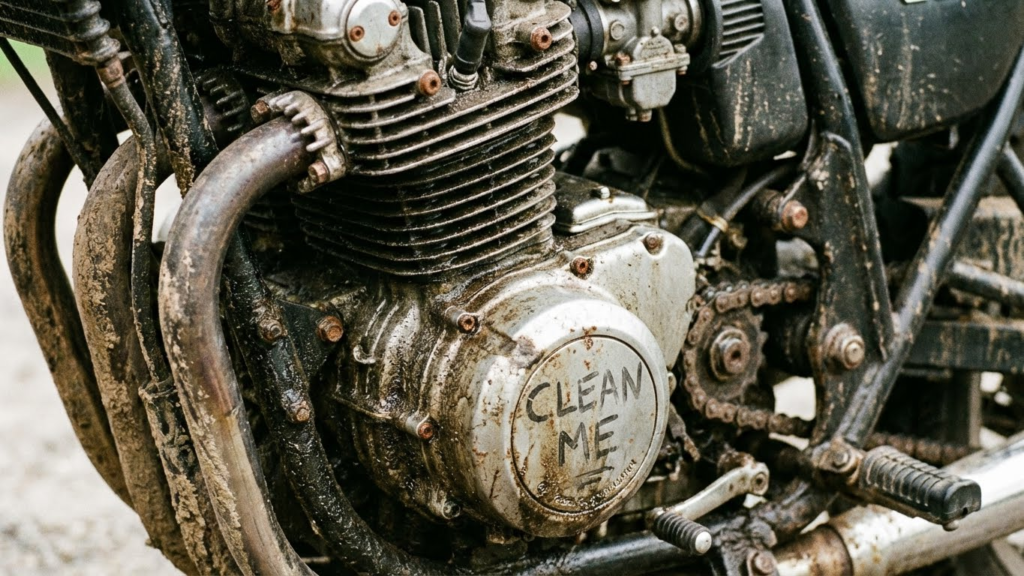
Cleaning a motorcycle engine means more than just making it look good. It helps keep the engine working well and stops dirt from causing damage. But cleaning must be done carefully. The engine is sensitive, and wrong methods or products can cause trouble.
Benefits of Regular Engine Cleaning
Keeping my motorcycle engine clean helps it run better and last longer. Dirt and grime build up over time, blocking important parts like cooling fins and air intakes. This buildup can lead to overheating or poor engine performance. When I clean the engine regularly, I remove these blockages and improve airflow.
Another benefit is spotting leaks or damaged parts early. A clean engine shows oil leaks or cracks clearly. This way, I can fix small problems before they turn into costly repairs. Cleaning also helps prevent rust and corrosion, especially on metal parts exposed to water and road salt.
Risks of Improper Cleaning Methods
Using the wrong cleaning methods can harm my motorcycle engine. For example, high-pressure water can force moisture into seals and electrical parts, causing rust or electrical shorts. Harsh chemicals might damage rubber hoses or paint.
Rushing the drying process can also cause problems. If the engine stays wet, it may develop rust or corrosion inside important parts. I always make sure to dry the engine completely using compressed air or cloths to avoid moisture issues.
Types of Motorcycle Engines
Not all motorcycle engines are the same when it comes to cleaning. Four-stroke engines have many moving parts and more exposed components, so I need to be extra careful around the carburetor, spark plugs, and air filter. Some parts can’t get wet.
Two-stroke engines are simpler but still need gentler cleaning. Electric motorcycles have different engines and electric components that require avoiding water and using specific non-moisture cleaners.
Knowing the engine type helps me choose the right cleaning products and methods to avoid damage.
Preparation Before Cleaning
Before I start cleaning a motorcycle engine, I focus on gathering the right tools, making sure the engine is cool, and protecting sensitive parts. These steps help me avoid damage and make the process smooth and safe.
Gathering Essential Tools and Materials
I first collect everything I need to clean the engine efficiently. This usually includes a degreaser, soft brushes, microfiber cloths, a bucket of warm water, mild dish soap, and a spray nozzle or hose with gentle water flow. I also use gloves and safety glasses to protect myself.
Having the right tools helps prevent damage to the engine surface and makes it easier to remove dirt and grease. For heavier grime, I prefer a strong degreaser designed for motorcycle engines rather than dish soap, which works best for light cleaning only. Gathering all materials ahead saves time and keeps the process organized.
Ensuring Engine Coolness and Safety
I always make sure the engine is completely cool before cleaning. A hot engine can cause burns and lead to damage if water or cleaning chemicals hit it. Waiting for at least 30 minutes after the bike has been running is a good rule.
I also turn off the fuel supply and disconnect the battery if possible to reduce risks of sparks or electrical shorts. Working in a shaded, well-ventilated area is best, preventing chemicals from drying too fast and avoiding inhaling fumes.
Protecting Sensitive Components
Before applying any cleaner or water, I cover parts that can be damaged by moisture, like the air intake, ignition system, and electrical connectors. Using plastic bags and rubber bands works well for this.
I also remove any loose debris with a brush before wet cleaning. This prevents grit from scratching the engine surface. Taking these precautions protects the engine’s key parts and ensures the clean-up does not cause mechanical problems.
For more details on safe motorcycle engine care, I recommend checking Motorcycle Safety Foundation’s guidelines.
Choosing the Best Cleaning Products
To clean a motorcycle engine well, I focus on finding the right degreasers, using brushes that won’t damage the engine, and picking eco-friendly cleaners. Each of these plays an important role in achieving a clean engine without causing harm.
Selecting Suitable Degreasers
I always choose degreasers made specifically for motorcycle engines. These products break down grease, oil, and grime effectively but remain gentle on engine parts. Harsh chemicals can damage seals, gaskets, or painted surfaces, so I avoid anything labeled for heavy industrial use unless it states it’s safe for motorcycles.
Look for a degreaser that is biodegradable and water-based for easier cleanup. Spray it on the engine and let it sit for a few minutes to loosen dirt. Then, rinse with low-pressure water. Stronger degreasers may need wiping with a cloth, but never scrub aggressively, as this can harm delicate parts.
Using Engine-Safe Brushes
Choosing the right brush is just as important as the cleaner. I use soft-bristled brushes or ones made from nylon because they clean tight spots without scratching metal, rubber, or plastic.
A small detailing brush helps access areas around bolts and crevices in the engine. For stubborn grime, I gently scrub but avoid wire brushes. Wire brushes can wear down finishes and damage surfaces, which leads to rust or leaks over time.
I also keep a separate brush just for the engine to prevent dirt transfer from other parts of the bike.
Eco-Friendly Cleaning Agents
I prefer cleaning agents that don’t harm the environment or my health. Many motorcycle-specific cleaners are biodegradable and free from strong solvents and toxins.
Using eco-friendly products means I can rinse the engine without worrying about polluting nearby soil or water. They often work just as well as harsher chemicals while protecting painted, chrome, and plastic parts.
When buying, I check labels for “non-toxic,” “biodegradable,” and “solvent-free” to ensure the product is safe for me and the planet. These options let me clean my engine responsibly without sacrificing effectiveness.
Step-by-Step Engine Cleaning Process
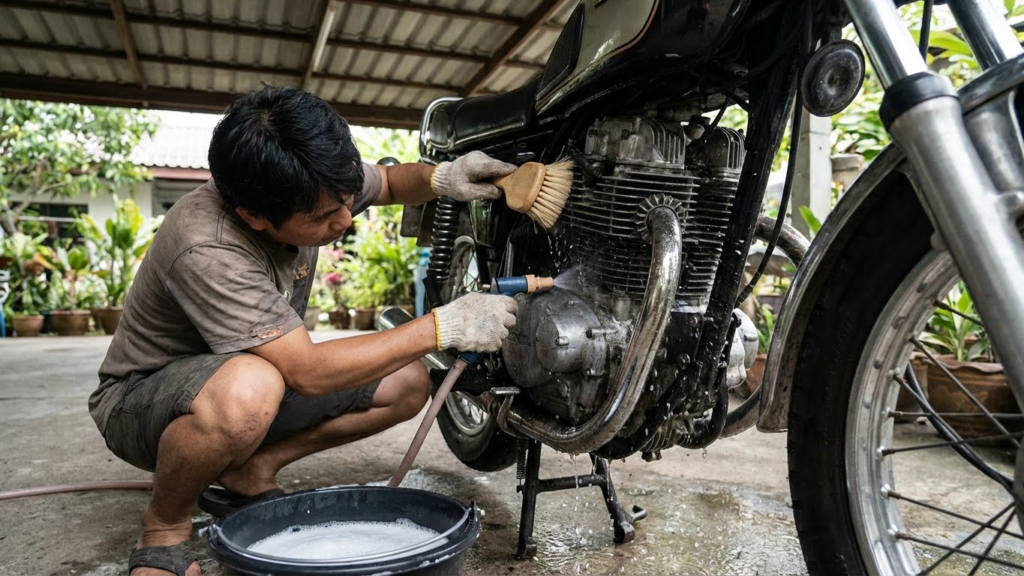
To clean a motorcycle engine well, I follow a set process. It involves rinsing to remove loose dirt, applying degreaser to break down grime, scrubbing carefully to reach tight spots, and finally rinsing and drying the engine properly. Each step needs attention to avoid harm and ensure the engine stays in good shape.
Initial Rinsing and Loose Dirt Removal
I start with a light rinse using a low-pressure hose or spray bottle. This helps to remove loose dust, dirt, and debris from the engine surface without pushing water into sensitive parts. The engine must be cool before rinsing to prevent damage or burns.
While rinsing, I avoid spraying directly at the electrical parts like the ignition coils, air intake, or battery. Covering these with plastic or tape is useful. This first rinse prepares the engine for deeper cleaning by loosening the easy grime.
Applying Degreaser Effectively
Once the engine is damp, I apply a motorcycle-safe degreaser to greasy areas. I use a spray bottle or brush to coat surfaces thoroughly but avoid soaking electrical components. Letting the degreaser sit for about 5 to 10 minutes helps break down oil and built-up dirt.
Choosing a degreaser made for engines is important because harsh chemicals can damage paint or rubber parts. I work in sections so the degreaser does not dry out before scrubbing. This step removes stubborn grime that water alone cannot.
Detailed Scrubbing Techniques
For scrubbing, I use soft brushes and old toothbrushes to reach small spaces and around bolts. Gentle scrubbing prevents scratching while still removing grime. I pay close attention to areas where grease collects, like underside edges and around pipes.
Using too much force can damage components or dislodge wiring, so I keep the pressure moderate. If some spots remain dirty, I reapply degreaser and scrub again. This step cleans the engine thoroughly without risking damage.
Final Rinse and Drying
After scrubbing, I rinse the engine carefully to wash away degreaser and loosened dirt. A gentle stream of water works best. I remove any plastic covers before rinsing to avoid trapping water.
Drying is crucial—I use microfiber towels or compressed air to dry the engine quickly. Leaving water behind can cause rust or electrical problems. Once dry, applying a protective spray can help prevent dirt buildup and keep the engine cleaner longer.
Post-Cleaning Care and Maintenance
After cleaning my motorcycle engine, I take several important steps to keep it in great shape. These include checking for leaks or other problems, protecting metal surfaces, and putting any parts I removed back in place carefully. Taking these actions helps prevent damage and keeps the engine running smoothly.
Inspecting for Leaks or Issues
Once the engine is clean and dry, I inspect it closely for any signs of leaks or damage. Oil leaks might show up as wet spots or residue near seals and gaskets. I also look for cracked hoses, loose bolts, or worn wires that may have been hidden under grime before cleaning.
Finding problems early helps me fix them before they get worse. I use a flashlight to see into tight spots. If I spot leaks, I mark the area and plan repairs or replacements. This check can prevent bigger engine troubles later.
Applying Protective Coatings
Next, I apply a protective coating to help keep the engine in good condition longer. I usually use a spray designed for metal surfaces that repels water and dirt. This coating helps stop rust from forming and keeps the engine looking clean.
I avoid spraying sensitive parts like electrical connections or air intake areas. After applying, I let the coating dry completely. This step adds a thin barrier on the engine that reduces grime buildup and moisture damage.
Reconnecting Removed Parts
If I removed any parts such as covers, hoses, or cables during cleaning, I reconnect them carefully at this stage. I double-check that each part is properly seated and secured with the right fasteners. Loose parts can cause engine problems or even accidents.
I use a torque wrench when needed to tighten bolts to the right specs. Then, I test moving parts like cables or throttle controls to ensure nothing is binding. Proper reassembly helps maintain the engine’s performance and safety.
Common Mistakes to Avoid When Cleaning
Cleaning a motorcycle engine takes careful attention to avoid damage and ensure it runs well. Some mistakes can hurt electrical parts, leave dirt behind, or cause corrosion. Below, I explain key errors I avoid, so you can keep your engine clean and safe.
Overusing Water on Electrical Parts
One big mistake is using too much water near electrical parts. The engine has many sensitive wires, connectors, and sensors that water can harm. If water seeps in, it may cause shorts or corrosion.
I always cover or avoid spraying areas like the ignition coils or wiring harness. Instead of a hose, I prefer using a spray bottle or damp cloth around these parts. If you want to learn the safest techniques, sites like Motorcycle Cruiser offer clear tips on protecting electronics during cleaning.
Too much water pressure can also force grime into connectors, causing future problems. So, use a gentle stream or just wipe carefully to keep moisture out.
Skipping Protective Measures
Failing to take protective steps can cause damage during cleaning. Before starting, the engine must be cold to prevent burns and avoid cracking parts from sudden temperature changes.
I also cover air intakes and exhaust openings with plastic or tape to keep water and cleaner out. Leaving them exposed risks clogging or damage to internal components.
Wearing gloves and goggles is smart too, protecting your skin and eyes from chemicals and dirt. Skipping these measures often leads to costly repairs. You can find a checklist of essential prep steps on RevZilla.
Using Harsh Chemicals
Using strong chemicals or household cleaners is risky and can ruin your engine’s finish. Harsh solvents may strip paint or plastic and damage rubber seals.
I stick to degreasers made for motorcycles or engines. These clean grime without causing harm. Harsh products may also leave residues that attract more dirt later.
Always read labels carefully, and test a small area first. Avoid bleach, ammonia, or abrasive powders, as these are too rough. For guidance on safe products, check sources like Motorcycle.com’s cleaning guides. Choosing the right cleaner preserves your engine’s look and function.
Recommended Cleaning Frequency and Routine
Knowing when and how often to clean a motorcycle engine helps keep it running smoothly and avoids buildup that can cause damage. I focus on factors that affect how often cleaning is needed and share some key maintenance steps to protect the engine over time.
Factors Affecting Cleaning Schedule
How often I clean my motorcycle engine depends mainly on the riding conditions and frequency. If I ride daily or in dusty, muddy, or wet environments, I clean the engine every 1 to 3 months. For casual riders who ride less or mostly on clean roads, every 3 to 6 months is enough.
Weather also plays a role. Riding in cold or rainy conditions can bring more grime and salt that speeds up dirt buildup. After long trips or harsh rides, I always check the engine for grime and clean it to avoid corrosion or performance issues.
Long-Term Engine Maintenance Tips
Regular cleaning is part of protecting the engine, but I also follow steps to keep it in good shape long term. After cleaning and drying the engine, I apply an engine protectant to stop moisture from causing rust.
I make sure sensitive parts like the air intake and electrical components are covered before cleaning to avoid damage. Lubricating moving parts, especially the drive chain, after cleaning keeps everything running smoothly.
Finally, I keep an eye on leaks or damage during cleaning. Catching issues early helps prevent costly repairs and keeps the engine reliable.
Environmental Considerations
When cleaning a motorcycle engine, paying attention to environmental impact is important. Handling wastewater responsibly and lowering pollution risks help protect nature. Being careful with chemicals and where the dirty water goes makes a big difference.
Responsible Disposal of Wastewater
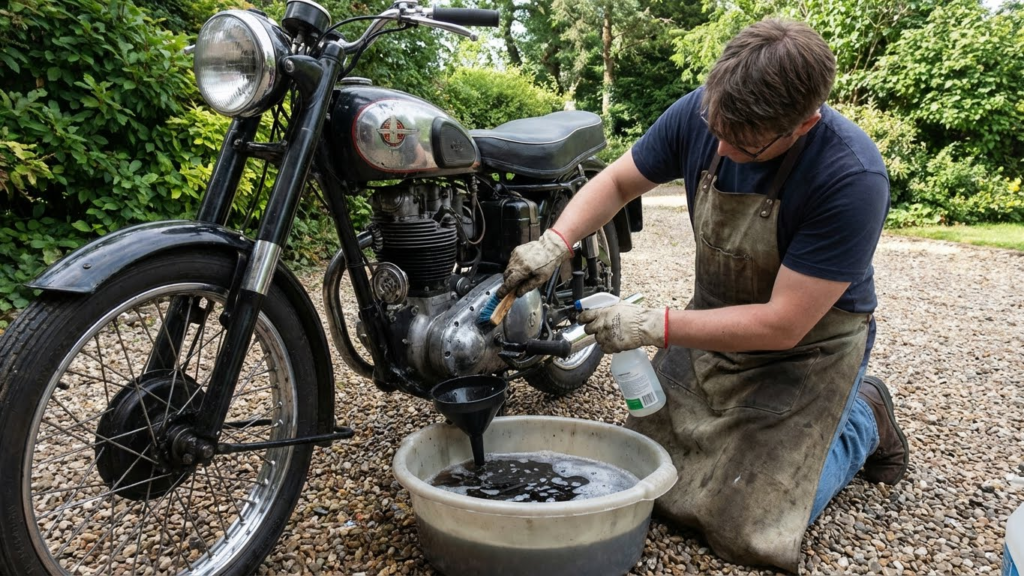
When I clean my motorcycle engine, I make sure the wastewater does not enter storm drains or natural water sources. Engine grime and cleaning chemicals can harm fish and plants if they reach rivers or lakes. I catch runoff water using a basin or absorbent mats and then dispose of it with household hazardous waste if possible.
I avoid letting oil, grease, and soap flow into the soil or gutters. Often, local recycling centers or garages accept contaminated water. This way, I help prevent pollution and keep waterways safer for everyone.
Minimizing Environmental Impact
To reduce harm to the environment, I choose biodegradable or eco-friendly cleaning products. These break down faster and contain fewer harsh chemicals. Using a steam cleaner also limits water use and cuts chemical need by loosening grime without detergents.
I clean my engine in a controlled place, not on the street or dirt, to avoid running off oils and dirt into the ground. Small efforts like rinsing less and choosing safer cleaners make a noticeable difference over time.
FAQs
How often should I clean my motorcycle engine?
I clean my engine regularly, usually after riding in dirty or wet conditions. A good rule is to check it every few rides. Regular cleaning helps prevent buildup that can harm performance over time.
Can I clean the engine while it’s still warm?
No, I always wait for the engine to cool down completely. Cleaning a hot engine can be dangerous and may damage sensitive parts.
What parts should I cover before cleaning?
I make sure to cover electrical components, air intakes, and any exposed sensors with plastic or tape. This protects them from water and cleaning chemicals.
Is it okay to use any cleaner for the engine?
I only use a degreaser made specifically for motorcycle engines or automotive use. Household cleaners can damage engine parts or leave harmful residues.
Should I rinse with water after using degreaser?
Yes, I rinse gently with water to remove the degreaser and dirt. But I avoid using high-pressure water near sensitive areas. A light spray or a damp cloth works best.
How do I dry the engine after cleaning?
I dry the engine thoroughly with a clean cloth and often use compressed air to remove water from hard-to-reach places. Letting it air dry a bit also helps.
Do I need to apply anything after cleaning?
Applying an engine protectant or a light coat of oil on metal parts helps prevent rust. I do this once the engine is fully dry to keep it in good shape.
| Common Tools Needed | Purpose |
|---|---|
| Soft brush | Scrubbing dirt and grime gently |
| Degreaser | Breaking down oil and grease |
| Plastic covers or tape | Protecting sensitive parts |
| Compressed air (optional) | Drying hard-to-reach spots |
Conclusion
Cleaning a motorcycle engine well takes some care and attention. I always make sure the engine is cool before starting. This helps prevent damage and makes the cleaning process safer.
Covering sensitive parts like the air intake and electrical components is important. I use plastic bags or tape to protect them from water and cleaning chemicals. Using a good degreaser and a soft brush helps get rid of tough grime without harming the engine parts.
After cleaning, I rinse the engine gently with water and dry it thoroughly. Leaving moisture on the engine can lead to rust or electrical issues. Finally, applying an engine protectant keeps the surfaces clean longer and adds a layer of protection.
I find that cleaning my motorcycle engine regularly not only improves its performance but also makes maintenance easier. Dirt and grime can affect how the engine runs if left for too long. Keeping the engine clean also helps me spot any leaks or damage early.
Here is a quick checklist I follow for each cleaning:
| Step | Action |
|---|---|
| 1. Engine Cool | Wait until engine is cold |
| 2. Protect parts | Cover sensors and electrical parts |
| 3. Apply degreaser | Spray and scrub with a soft brush |
| 4. Rinse | Use water carefully, avoid soak |
| 5. Dry | Use air compressor or dry cloth |
| 6. Protect | Apply engine protectant |
Sticking to these steps makes the cleaning process safe and effective. It keeps my motorcycle engine running smoothly over time.
