Choosing the lightest full face motorcycle helmet is key for comfort and safety on the road. This guide explains how to find helmets that offer strong protection without the bulk, helping riders enjoy longer rides with less strain.
Key Takeaways
- Helmet Weight Matters: A lighter helmet reduces neck fatigue and improves rider comfort during long rides.
- Material Choice: Carbon fiber and composite shells often provide the best strength-to-weight ratio.
- Proper Fit is Essential: Even the lightest helmet must fit well to ensure safety and comfort.
- Certifications Guarantee Safety: Look for DOT, ECE, or Snell certifications regardless of helmet weight.
- Ventilation and Features: Lightweight helmets often include advanced vent systems for better airflow.
- Top Brands Offer Lightweight Models: Brands like Shoei, Arai, and AGV lead in producing light full face helmets.
- Budget vs. Performance: Investing in a quality lightweight helmet can enhance safety and riding pleasure.
What Is the Lightest Full Face Motorcycle Helmet? A Complete How-To Guide
When it comes to motorcycle helmets, comfort and safety go hand in hand. One of the biggest factors affecting rider comfort is the helmet’s weight. A heavy helmet can cause neck strain, fatigue, and discomfort, especially on long rides. But what exactly is the lightest full face motorcycle helmet? And how can you choose the best one for your needs? In this guide, we’ll walk you through everything you need to know about lightweight full face helmets, from understanding materials and certifications to picking the perfect fit and exploring top models on the market.
Step 1: Understand Why Helmet Weight Matters
Impact on Comfort and Safety
The weight of your helmet directly affects how comfortable it feels during your ride. A lighter helmet puts less pressure on your neck and shoulders, reducing fatigue and allowing for better focus on the road. This is especially important for long-distance riders or those who spend hours in the saddle.
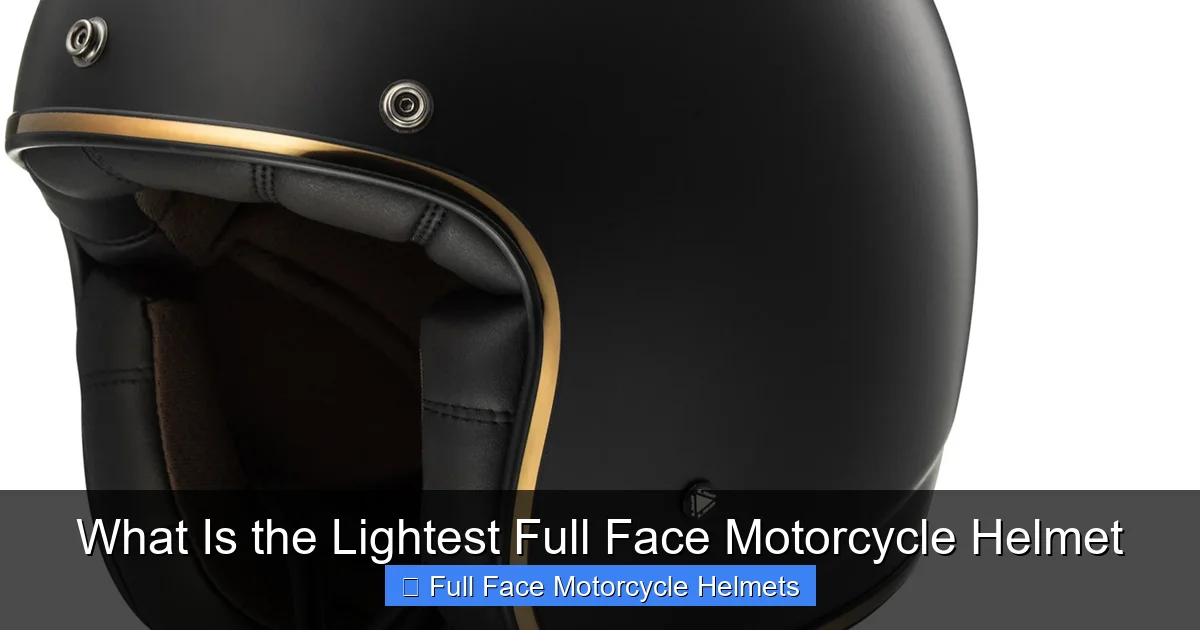
Visual guide about What Is the Lightest Full Face Motorcycle Helmet
Image source: images.esellerpro.com
Balance and Handling
A lightweight helmet improves your bike handling by making quick turns and head movements easier. Heavy helmets can throw off your balance and cause slight delays in reaction time. Choosing a light helmet can contribute to a safer and more enjoyable riding experience.
Step 2: Learn About Helmet Materials
Carbon Fiber
Carbon fiber helmets are usually the lightest. This material is strong and rigid while being extremely light, making it the preferred choice for premium helmets. However, carbon fiber helmets can be pricey.
Fiberglass Composite
Fiberglass helmets combine glass fibers with resin, offering a good balance between weight, strength, and cost. They tend to be lighter than polycarbonate but heavier than carbon fiber.
Polycarbonate
Polycarbonate helmets are the most affordable but generally heavier than carbon fiber or fiberglass. They are durable but may not offer the same weight savings.
Step 3: Check Safety Certifications
Weight alone is not enough. The helmet must meet safety standards to protect you properly.
- DOT (Department of Transportation): Required in the U.S., ensures minimum safety standards.
- ECE 22.05/22.06: European safety standard, often more stringent than DOT.
- Snell: A voluntary certification known for rigorous testing.
Always pick a helmet that has one or more of these certifications, even if you want the lightest option.
Step 4: Find the Right Fit
Measure Your Head
Use a soft tape measure to find your head circumference just above your eyebrows and ears. This measurement will help you select the correct size.
Try It On
Try helmets on in-store if possible. A helmet should feel snug but not painfully tight. It should not move when you shake your head.
Consider Shape
Helmet interiors vary in shape (round, intermediate oval, long oval). Choose one that matches your head shape for the best comfort and safety.
Step 5: Look for Additional Comfort Features
- Ventilation: Lightweight helmets often have advanced vent systems to keep you cool.
- Removable Liners: For easy cleaning and maintenance.
- Noise Reduction: Lightweight helmets with good seals reduce wind noise.
- Visor Quality: Look for anti-fog and scratch-resistant visors.
Step 6: Explore Top Lightest Full Face Helmets on the Market
Below are some popular models known for their lightweight design:
- Shoei X-Fourteen: Made with carbon composite, weighs around 3.3 lbs (1.5 kg).
- Arai Corsair-X: Fiberglass shell, about 3.5 lbs (1.6 kg), known for excellent fit and comfort.
- AGV Pista GP RR: Carbon fiber helmet used in MotoGP, weighs approximately 3.3 lbs (1.5 kg).
- Bell Race Star Flex DLX: Carbon fiber and composite shell, approximately 3.3 lbs (1.5 kg).
- HJC RPHA 11 Pro: Carbon fiber shell, weighs around 3.3 lbs (1.5 kg), budget-friendly.
Troubleshooting Common Helmet Issues
Helmet Feels Too Tight or Loose
If your helmet is uncomfortable, try adjusting the size or shape. Remember, a proper fit should feel snug but not painful. If problems persist, consider trying a different brand or model.
Neck Pain Despite Lightweight Helmet
Neck pain might be due to riding posture or muscle strain, not just helmet weight. Regular breaks, stretching, and proper riding ergonomics can help reduce discomfort.
Fogging Visor
Use helmets with anti-fog coatings or pinlock inserts to prevent fogging. Proper ventilation also helps keep the visor clear.
Conclusion
Choosing the lightest full face motorcycle helmet enhances your riding comfort and safety. By understanding helmet materials, safety standards, and fit, you can find a helmet that protects you well without weighing you down. Consider premium materials like carbon fiber for the best strength-to-weight ratio, and always prioritize a secure, comfortable fit. With the right lightweight helmet, your rides will be safer, more enjoyable, and less tiring.
🎥 Related Video: Full Face or Half Face Helmet? No Problem LS2 Advant Got you covered!🔥 #shorts #short #fyp #helmets
📺 Langga Gail
