When it comes to motorcycle maintenance, many tasks are important, but one stands out as the most crucial. Regular oil changes are the key task that keeps your engine running smoothly, prevents damage, and extends the lifespan of your bike. Without fresh oil, the engine parts can wear out faster due to heat and friction.
Beyond oil changes, other maintenance tasks like checking tire pressure, inspecting brakes, and keeping the chain clean are also essential. However, neglecting oil changes often leads to the most serious problems and costly repairs. Knowing how to prioritize this task can save you time and money while keeping your motorcycle safe and reliable.
I understand that maintaining a motorcycle can seem overwhelming. That’s why I want to focus on what matters most, starting with oil changes and touching briefly on other key checks you should never skip. This basic knowledge helps you enjoy your bike longer and ride with peace of mind.
Key Takeways
- Regular oil changes protect your engine and improve bike performance.
- Tire pressure, brakes, and chain maintenance are also vital for safe riding.
- Prioritizing maintenance tasks prevents costly breakdowns and extends your bike’s life.
Understanding the Importance of Motorcycle Maintenance
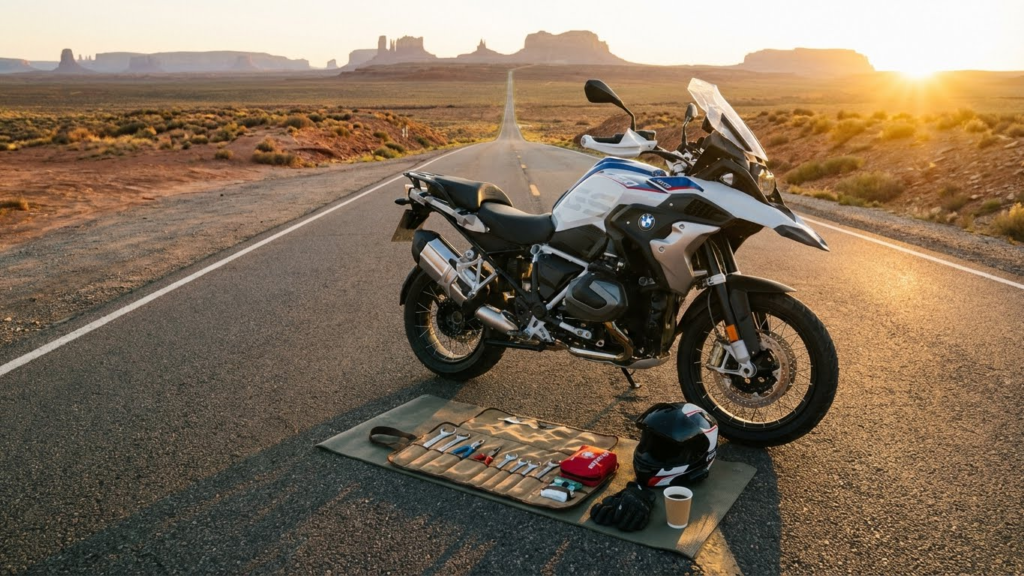
Keeping a motorcycle in good shape affects many parts of the bike. It directly impacts how safe it is to ride, how long the key parts last, and how well the bike performs on the road.
Safety Benefits
The first thing I think about with motorcycle maintenance is safety. Regular checks on brakes, tires, and lights can prevent accidents. For example, worn brake pads or low tire pressure can cause dangerous situations while riding.
Changing the oil on time also keeps the engine running smoothly, avoiding overheating or engine failure. I make sure my chain is well-lubricated and properly adjusted because a loose or rusty chain can break while riding, which can be very risky.
Simple maintenance tasks reduce the chance of sudden breakdowns that leave me stranded or cause crashes.
Longevity of Motorcycle Components
Maintenance helps extend the life of expensive parts. I know that skipping oil changes makes engine parts wear out faster due to dirt and friction. Cleaning and lubricating the chain regularly stops it from wearing down quickly and stops sprockets from getting damaged.
Regular tire care avoids uneven wear, which means I don’t have to replace tires as often. Checking the battery and electrical connections prevents sudden failures and battery damage.
By keeping up with these tasks, I save money in the long run because I don’t have to replace parts as often or fix major problems caused by neglect.
Performance Optimization
A well-maintained motorcycle runs better and more efficiently. When I keep the engine oil fresh and the air filter clean, the engine breathes and moves more smoothly. This improves fuel efficiency and power.
I also check the tire pressure often. Properly inflated tires give better grip and reduce rolling resistance. This helps the bike handle well and stops excess fuel use.
Adjusting the chain correctly ensures smooth power transfer without extra strain. When all parts work together, the bike feels more responsive and is more enjoyable to ride.
Essential Motorcycle Maintenance Task: Regular Oil Changes
Regular oil changes keep the engine running smoothly by reducing friction and removing dirt. They help prevent damage and overheating, which can save you from expensive repairs. Knowing when to change the oil and what type to use ensures your bike performs well and lasts longer.
How Oil Changes Protect the Engine
Oil lubricates the moving parts inside your engine, stopping them from rubbing against each other and wearing out. Over time, oil breaks down and collects dirt, metal particles, and heat, which can build up and cause engine damage. Changing the oil removes these contaminants.
Without clean oil, the engine faces increased friction, leading to overheating and parts wearing out faster. I always think of oil as the engine’s lifeblood. It keeps everything running smoothly and cool. For more details, the Motorcycle Safety Foundation explains the role of oil in engines clearly.
Frequency Recommendations
How often you change your oil depends on your bike and how you use it. Most motorcycles need oil changes every 3,000 to 5,000 miles or every 6 months. However, high-performance bikes or those used in harsh conditions may need changes more often.
It’s smart to check your owner’s manual for exact recommendations. If you ride in dusty or stop-and-go traffic, consider changing oil more frequently. I track my mileage carefully and set reminders so I never miss a change.
Selecting the Right Oil Type
Choosing the right oil is key. Motorcycles typically use mineral, semi-synthetic, or fully synthetic oils. Synthetic oils last longer and handle extreme temperatures better, but they cost more. Mineral oils are cheaper but break down faster.
Make sure to pick oil with the right viscosity and specifications for your motorcycle, as listed in the manual. Using the wrong oil can harm engine parts or reduce performance. For trustworthy buying advice, I often check reputable sources like the American Motorcyclist Association.
| Oil Type | Pros | Cons |
|---|---|---|
| Mineral | Affordable, easy to find | Breaks down faster |
| Semi-synthetic | Balanced, good protection | Mid-range cost |
| Fully synthetic | Long-lasting, high performance | More expensive |
Critical Checks for Tire Condition and Pressure
Keeping my motorcycle’s tires in good shape is a key part of safe riding. I focus on the tread depth, proper air pressure, and spotting any unusual wear patterns. Each of these helps me avoid accidents and keeps my bike handling well.
Inspecting Tire Tread Depth
I regularly check the tire tread to make sure it has enough depth. Tread grips the road, especially when it’s wet, so worn tread can reduce traction. Most motorcycle tires have small wear indicators molded into the grooves. When the tread wears down to these marks, it’s time to replace the tire.
Using a tread depth gauge or even a coin can help me quickly measure depth. If the tread is below 1/32 of an inch, I don’t ride on it. Staying on top of tread condition avoids slipping and improves braking.
Maintaining Proper Inflation
Keeping the tire pressure right is one of the simplest but most important tasks I do. I check the pressure when the tires are cold, using a reliable gauge. Motorcycles usually need about 30-40 PSI in the front tire and 32-42 PSI in the rear, but I always follow the values in my owner’s manual.
Correct inflation helps the bike handle better, saves fuel, and prevents tire damage. Underinflated tires can cause handling problems and increase the risk of blowouts. Overinflated tires can wear unevenly and reduce grip.
Identifying Tire Wear Patterns
Watching how the tire wears can tell me a lot about my bike’s health and riding style. Uneven wear, such as bald spots on one side or excessive center wear, may mean I need to check tire pressure or suspension settings.
For example, more wear in the middle suggests overinflation, while worn edges could mean underinflation or aggressive cornering. Spotting these signs early helps me fix problems before they get worse or cause accidents.
Maintaining the Chain and Drive System
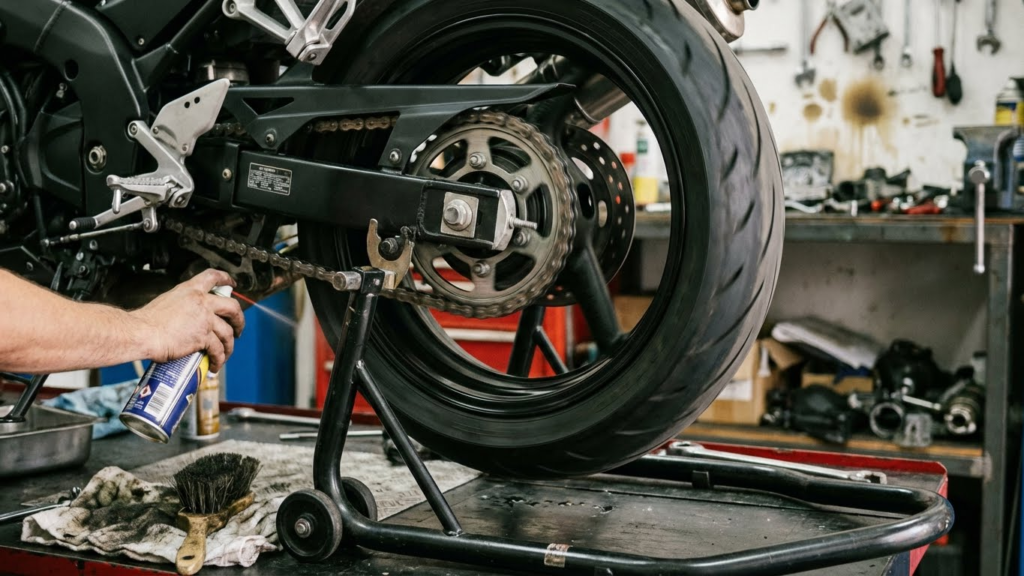
The motorcycle chain and drive system need regular care to work well and last long. This includes keeping the chain properly lubricated and making sure the tension is just right. Neglecting these can cause faster wear or even unsafe riding conditions.
Lubrication Best Practices
I always clean the chain before applying lubricant. Dirt and old grease can trap grime, which wears down the chain faster. Use a brush and a degreaser designed for motorcycle chains. After cleaning, rinse off any residue and let the chain dry.
When I lubricate, I focus on the inside of the chain where it meets the sprockets. This area needs the most attention because that’s where the most movement happens. I use a dripping or spray lubricant made specifically for chains.
It’s best to lubricate every 300-600 miles. Riding in wet or dusty conditions means I need to do it more often. Avoid over-lubricating since excess lube can attract dirt.
Adjusting Chain Tension
Proper chain tension keeps the power flowing smoothly from the engine to the wheel. If the chain is too loose, it can skip or even come off. Too tight, and it puts extra stress on the sprockets and bearings.
I check the tension by measuring the slack in the chain midway between the sprockets. Most motorcycles have a recommended slack range in the owner’s manual, usually between 20-30 mm.
Adjusting means loosening the rear axle, then turning the adjusters on either side evenly to get the right tension. After adjusting, I make sure the rear wheel stays aligned. I finish by tightening everything securely and rechecking the slack.
Brake System Inspections
Brake system inspections are critical to keep my motorcycle safe and responsive. I focus on key areas that directly affect braking power and reliability. These steps help me spot problems early and avoid costly repairs or accidents.
Checking Brake Pads and Discs
I make sure my brake pads have enough material left and wear evenly. Pads thinner than 2mm or with uneven wear must be replaced to avoid brake failure. I use the inspection window on the caliper when possible, or I remove the caliper for a closer look.
The brake discs must be smooth and free of deep grooves or warping. If the discs show signs of damage, I replace or resurface them. Damaged discs reduce stopping power and can cause vibrations.
I check both the front and rear brakes since both contribute to stopping safely. Regular checks every few thousand miles keep the pads and discs in good shape.
Monitoring Brake Fluid Levels
Brake fluid is key to proper brake function. I always check that the fluid reservoir is filled to the right level, usually marked on the container. Low or dirty fluid can cause brakes to feel soft and slow to respond.
I change the brake fluid according to my motorcycle’s manual, usually every 1-2 years. Old fluid absorbs moisture and lowers braking performance. Using the correct type of brake fluid, like DOT 4 or DOT 5.1, is important for system compatibility.
By regularly checking and topping off the fluid, I keep the brake system reliable and prevent corrosion inside the brake lines.
Battery Care and Electrical System Checks
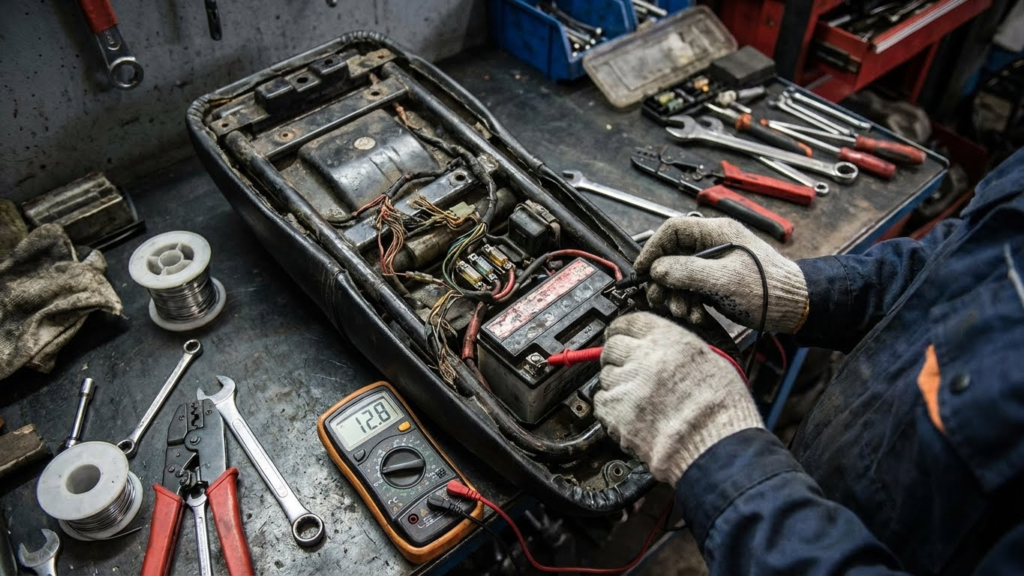
Keeping your motorcycle’s battery and electrical system in good condition is key to avoiding breakdowns and electrical issues. I pay close attention to charging habits and the battery’s health. I also make sure wiring and connections are clean and secure, since damaged or loose parts can cause failures.
Battery Charging and Replacement
I always check the battery voltage before rides. A fully charged motorcycle battery typically reads around 12.6 volts when the engine is off. If the voltage drops below 12.4 volts, I recharge it to avoid starting problems.
Using a battery maintainer when the bike is parked for long periods keeps the battery healthy by preventing over-discharge. I avoid cheap chargers that can overheat or damage the battery.
If the battery can’t hold charge despite proper care, I replace it. I choose the right type for my bike, such as lead-acid or lithium-ion. Replacement usually happens every 2 to 4 years, depending on use and climate.
Inspecting Wiring and Connections
I inspect all electrical wiring for cracks, frays, or corrosion. Any damage can cause shorts or failures. I look closely at the battery terminals and connectors, cleaning them with a wire brush if corrosion appears.
I also test switches, lights, and horn regularly. Proper electrical contact is crucial for safety components like headlights and brake lights.
Loose connections can cause unexpected breakdowns, so I tighten bolts and connectors during routine checks. Keeping wiring secure and protected from heat and vibration helps prevent damage.
Regular Air Filter Maintenance
Keeping your air filter clean or replacing it when needed is key to maintaining your motorcycle’s performance. It helps prevent dirt and debris from entering the engine, which can cause damage over time. Proper care also improves fuel efficiency and makes sure your engine runs smoothly.
Cleaning or Replacing the Air Filter
I check my air filter regularly to see if it needs cleaning or replacement. Foam filters usually need washing with water and a special cleaning solution. After drying, I apply air filter oil to trap dust effectively. Paper filters, on the other hand, generally can’t be cleaned and should be replaced once clogged.
Here’s what I keep in mind:
- Inspect the air filter every 3,000 to 6,000 miles.
- Clean or replace it sooner if riding in dusty or dirty environments.
- Always follow the manufacturer’s guidelines found in the owner’s manual.
Using the wrong cleaning products or failing to oil foam filters properly can reduce their effectiveness. For more detailed steps, I recommend visiting the Motorcycle Safety Foundation website for official advice on air filter care.
Impact on Engine Efficiency
A clean air filter ensures the engine receives enough clean air for fuel combustion. When the filter is clogged, the engine works harder, causing reduced power and poor fuel economy. I noticed that my bike runs smoother and idles better after freshening up the air filter.
Poor air flow can also lead to overheating and increased emissions. Keeping the air filter in good condition protects internal parts from abrasive particles that cause wear. It helps my motorcycle last longer and reduces the chance of costly repairs.
For tips on how a clean air filter affects engine health, I often check resources at the American Motorcyclist Association site. They explain clearly how air filtration supports engine life and performance.
Routine Coolant System Service
Keeping the coolant system in good shape is essential for protecting my engine from damage and maintaining performance. I need to check the coolant level carefully and watch for signs of overheating. Both tasks help my motorcycle run smoothly and last longer.
Coolant Fluid Inspection
I always start by checking the coolant level when the engine is cold to avoid burns from pressure buildup. Most motorcycles have a clear reservoir with marks that show the minimum and maximum levels. I make sure the coolant is between these marks.
If the fluid looks dirty, rusty, or low, it means I need to replace or top it off. Using the right type of coolant is crucial because different bikes require specific mixtures. I also keep an eye out for leaks around hoses, the radiator, and the water pump. Any drop in coolant or wet spots means I should repair the system quickly to prevent engine problems.
Preventing Overheating
Overheating can cause serious engine damage, so I keep the cooling system working properly. The coolant circulates through the engine and radiator to take heat away. When this flow is blocked or the coolant is low, the engine runs too hot.
I make it a habit to inspect hoses and the thermostat for cracks or blockages. Cleaning the radiator fins helps keep airflow steady. If I spot any signs of overheating, like temperature gauges rising or steam, I stop riding immediately and check the system.
Regular attention to these details helps avoid breakdowns and costly repairs.
Conclusion
Maintaining a motorcycle is not about doing one task perfectly but keeping up with several key jobs regularly. I focus on oil changes, tire checks, brake inspections, chain care, and battery upkeep because these have the biggest impact on safety and performance. Ignoring any of these can lead to bigger problems down the road.
I use a simple checklist to keep track of these tasks. For example:
| Task | How Often | Why It Matters |
|---|---|---|
| Oil Change | Every 3,000-5,000 miles | Keeps engine lubricated |
| Tire Checks | Before every ride | Ensures grip and prevents flats |
| Brake Inspections | Monthly | Critical for stopping safely |
| Chain Maintenance | Weekly or after riding in the rain | Maintains smooth power transfer |
| Battery Upkeep | Monthly | Prevents starting problems |
Regular maintenance saves me money by avoiding costly repairs and keeps me safe on the road. I believe spending a little time on these tasks builds confidence and helps me understand my motorcycle better.
If you want your motorcycle to last and perform well, taking care of these important maintenance tasks is essential. It’s not hard, and the rewards are worth the effort.
FAQs
What is the most important motorcycle maintenance task?
I believe regular oil changes are essential. They keep the engine running smoothly and prevent costly damage over time. Alongside oil, checking tire pressure is also key for safety and performance.
How often should I check my motorcycle’s tire pressure?
I check mine before every ride or at least once a week. Proper tire pressure ensures good grip and helps avoid accidents caused by poor handling.
Why is chain maintenance necessary?
A well-lubricated and properly adjusted chain prevents wear on the drivetrain. Neglecting it can cause the chain to break or reduce power to the rear wheel, which is unsafe.
How frequently should I inspect my brakes?
I examine my brakes at least once a month. Checking pads, fluid, and lever feel helps me catch problems early and keeps my stopping power effective.
Can I perform motorcycle maintenance myself?
Yes, many tasks like oil changes, chain cleaning, and tire pressure checks are easy to do at home. Doing these regularly saves money and helps me understand my bike better.
What about battery maintenance?
I make sure the battery terminals are clean and the charge level is good. A healthy battery is important to avoid starting problems, especially after long periods of inactivity.
Conclusion
I believe regular maintenance is key to keeping any motorcycle safe and reliable. Tasks like oil changes, tire checks, brake inspections, chain care, and battery upkeep all work together to protect your bike’s performance.
Ignoring even one of these can cause problems. For example, worn tires or weak brakes can be dangerous. Dirty oil or a weak battery can leave you stranded. So, I always make sure to check these parts often.
Here’s a simple way I keep track:
| Task | Frequency | Why It Matters |
|---|---|---|
| Oil Change | Every 3,000-5,000 miles | Keeps engine running smoothly |
| Tire Check | Weekly | Ensures grip and safety |
| Brake Inspection | Monthly | Critical for stopping power |
| Chain Maintenance | Every 500 miles | Prevents wear and improves power delivery |
| Battery Care | Monthly | Avoids starting issues |
Maintaining a motorcycle takes effort, but it’s worth it. When I stay on top of these tasks, my rides are smoother and safer. Plus, regular care helps prevent costly repairs down the road.
Taking a simple, consistent approach makes all the difference. I encourage every rider to learn these basics and make maintenance a habit. Your bike will thank you with reliability every time you ride.
