Looking for the smallest full face motorcycle helmet? This guide explains what makes a helmet small, how to measure your head properly, and offers top recommendations for compact, safe helmets. Learn tips to find a helmet that fits snugly without sacrificing comfort or protection.
Key Takeaways
- Smallest full face helmets provide compact fit: Designed for riders with smaller head sizes, offering safety without bulk.
- Proper measurement is crucial: Accurate head sizing ensures the helmet fits snugly and protects effectively.
- Material and design affect helmet size: Lightweight materials can make helmets feel smaller and more comfortable.
- Look for certified helmets: Safety certifications like DOT, ECE, or Snell guarantee protection standards.
- Try helmets on before buying: Fit and comfort vary by brand and model, so testing is important.
- Adjust helmet features for best fit: Use adjustable straps, cheek pads, and liners to customize fit.
- Regularly check helmet condition: Helmets wear out over time and should be replaced to maintain safety.
What Is the Smallest Full Face Motorcycle Helmet?
If you have a smaller head or prefer a compact helmet, finding the smallest full face motorcycle helmet can be a challenge. In this guide, you will learn what defines a small helmet, why fit matters, and how to pick the best one for your safety and comfort needs.
Why Size Matters in Full Face Helmets
A helmet that fits correctly is essential. A helmet too big can shift during rides, reducing protection. One too tight can cause discomfort and headaches. Small helmets are designed for riders with smaller head circumferences or those who want a minimal profile without compromising safety.
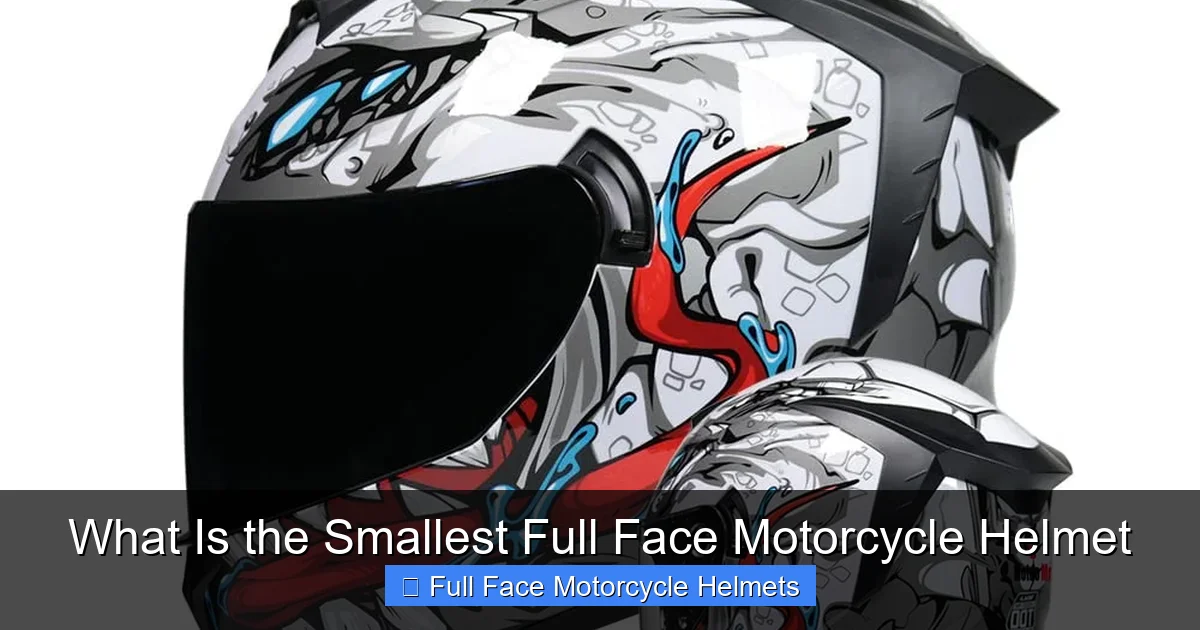
Visual guide about What Is the Smallest Full Face Motorcycle Helmet
Image source: m.media-amazon.com
Step 1: Measure Your Head Correctly
Tools You Need
- Flexible measuring tape
- Mirror or friend to assist
How to Measure
Wrap the tape around your head about 1 inch above your eyebrows and ears, encircling the largest part of your skull. Note the measurement in centimeters or inches. This number corresponds to helmet sizing charts.
Tips for Accurate Measurement
- Measure at least twice for accuracy.
- Do not pull the tape too tight.
- Measure your head in the same spot every time.
Step 2: Understand Helmet Sizing Systems
Helmet sizes vary by manufacturer. Common sizes start from XS (extra small) to XXL. For the smallest full face helmets, look for XS or XXS if available.
Size Charts
Always check the brand’s size chart. For example, an XS helmet might fit heads measuring 53-54 cm, while XXS could be 51-52 cm.
Step 3: Choose the Right Helmet Type
While focusing on full face helmets, consider the helmet’s shape and construction:
Helmet Shape
- Round Oval: Fits most riders with round heads.
- Intermediate Oval: Slightly longer front to back, for medium head shapes.
- Long Oval: For longer head shapes.
Knowing your head shape helps in finding a smaller helmet that fits snugly.
Helmet Materials
Materials like fiberglass, carbon fiber, and polycarbonate affect helmet weight and fit. Lightweight materials often allow for a smaller, more compact helmet without sacrificing protection.
Step 4: Look for Certified Small Full Face Helmets
Safety is non-negotiable. Look for helmets certified by organizations such as:
- DOT (Department of Transportation) — US standard
- ECE (Economic Commission for Europe) — European standard
- Snell Memorial Foundation — Voluntary but strict certification
These certifications ensure the helmet meets safety requirements regardless of size.
Step 5: Test and Fit Your Helmet
Trying On Helmets
Visit a store to try on the smallest full face helmets. The helmet should:
- Fit snugly without pressure points
- Not move excessively when you shake your head
- Allow you to blink and breathe comfortably
- Let you close your mouth and speak easily
Adjusting Fit
Many helmets include removable cheek pads and liners. Adjust these to improve fit. Use chin straps to secure the helmet firmly but comfortably.
Step 6: Consider Ventilation and Visibility
Small helmets can sometimes restrict airflow or field of vision. Look for models with good vent systems and wide visors to maintain comfort and safety while riding.
Step 7: Maintenance and Replacement
Even the smallest full face helmet needs proper care. Clean liners regularly and inspect for damage. Helmets generally should be replaced every 5-7 years or after a crash.
Troubleshooting Common Fit Issues
Helmet Feels Too Tight
- Try removing or replacing cheek pads with thinner options.
- Consider a different helmet shape that matches your head better.
Helmet Moves or Slides
- Check if the helmet size is too large.
- Use additional padding or a snugger chin strap.
- Try a different brand or model with a different shell shape.
Discomfort After Riding
- Ensure even pressure distribution; adjust pads or liners.
- Take breaks during long rides.
- Check helmet weight; lighter helmets reduce neck strain.
Top Recommendations for Smallest Full Face Motorcycle Helmets
Here are some popular helmets known for small sizes and good fit:
- AGV K1: Available in XXS, lightweight, great ventilation.
- Bell Qualifier DLX MIPS: XS size with great safety features.
- HJC CL-17: Known for smaller fits and comfort.
- Scorpion EXO-R420: Compact design, available in smaller sizes.
- Shoei RF-SR: Premium fit, available in smaller sizes with excellent quality.
Always check the latest models as sizes and features may be updated.
Conclusion
Finding the smallest full face motorcycle helmet that fits well is key to safe and comfortable riding. Measure your head carefully, understand sizing charts, and try helmets on before buying. Prioritize safety certifications and comfort features like ventilation and padding. With the right helmet, you’ll enjoy protection without compromising on a compact fit.
🎥 Related Video: Full Face or Half Face Helmet? No Problem LS2 Advant Got you covered!🔥 #shorts #short #fyp #helmets
📺 Langga Gail
