You want to ride well and stay safe. I’ll show the biggest mistakes new riders make and how to avoid them so you spend more time enjoying the road and less time fixing problems. Wear the right gear, learn basic bike control, and practice defensive riding to cut real risk from your first rides.
Ignore the urge to rush into traffic or skip training. I’ll walk you through simple, proven habits—pre-ride checks, traffic awareness, gradual skill-building, and how to handle surprises—that keep you in control and confident.
Key Takeaways
- Start with proper gear, training, and slow practice before riding in traffic.
- Keep your bike checked and use defensive, attentive riding every trip.
- Build experience gradually and prepare for changing road and weather conditions.
Understanding Basic Riding Skills
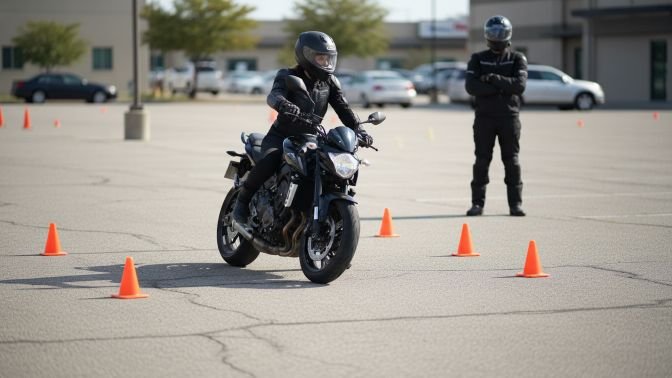
I focus on small, clear skills that make riding safer and more fun. You will learn how to stay balanced, control speed, and pick safe practice spots that match your skill level.
Neglecting Balance and Control
I always start by checking my posture before I mount. Sit tall with your shoulders back, eyes forward, and heels down. This keeps your weight centered and helps the horse move smoothly under you.
I use my core, not my hands, to stay steady. Tight reins or leaning forward shifts weight and confuses the horse. A loose, steady contact with the bit and soft elbows let the horse respond to leg and seat aids.
I practice basic exercises at a walk and trot to build balance. Posting trot, two-point position, and transitions help me stay in rhythm. Short, focused sessions work better than long, tiring rides.
Improper Use of Throttle and Brakes
I treat throttle and brakes like communication tools, not weapons. Smooth, gradual throttle changes prevent sudden lunges. For bikes or ATVs, feather the throttle; for horses, use light leg pressure and release quickly when the horse responds.
I apply brakes in stages. Squeeze gently, then increase pressure if needed. On a horse, I use voice and seat to slow before using stronger rein aids. This prevents abrupt stops that can unseat me or frighten the animal.
I practice emergency stops in safe areas. Repeating controlled slowdowns builds muscle memory. That practice helps me stay calm and react correctly when real situations happen.
Failing to Practice in Safe Environments
I always choose a space that matches my skill level. For horses, that can be a quiet arena or round pen away from traffic. For vehicles, use a designated training area with clear sightlines and no obstacles.
I check surfaces and surroundings before I start. Wet, uneven, or hard terrain increases risk. Remove distractions like loose animals or loud machines to keep focus on the skill I want to practice.
I bring basic safety gear and a partner when possible. Helmets, boots, and a spotter cut risk and help if something goes wrong. Practicing skills step-by-step in safe spots builds confidence without unnecessary danger.
Wearing Appropriate Gear
I focus on gear that protects my head, body, and limbs while keeping me comfortable in different weather. Good choices include a certified helmet, abrasion-resistant clothing, and extra protective accessories that fit well.
Ignoring Helmet Safety
I always use a helmet that meets DOT, ECE, or Snell standards. A certified full-face helmet gives the best coverage for face and jaw, while modular or three-quarter helmets offer trade-offs in comfort and protection. I check the certification label inside the helmet and replace any helmet after a crash or after 5–7 years of use.
Fit matters as much as certification. The helmet should sit snugly without pressure points and not move when I shake my head. I secure the chin strap and perform the roll test: the helmet should stay on when I try to roll it off. For more on standards and fit, I consult NHTSA guidance and helmet manufacturer fit charts.
Choosing Unsuitable Clothing
I avoid regular jeans and T-shirts; they shred easily in a slide. I wear a textile or leather riding jacket with CE-rated armor at the shoulders and elbows. Pants should be reinforced—either armored riding pants or jeans with Kevlar panels.
Weather affects fabric choice. In hot weather I pick ventilated gear or mesh jackets. In cold or wet conditions I use insulated, waterproof layers. Visibility matters too: I add high-visibility vests or jackets with reflective panels to improve my chance of being seen by drivers.
Overlooking Protective Accessories
I add gloves, boots, and back protection to complete my kit. Gloves need full fingers, good palm abrasion protection, and reinforced knuckles. Boots should cover my ankles, have a non-slip sole, and offer toe and ankle support.
I consider a CE-rated back protector or a jacket with integrated spine armor. Accessories like earplugs reduce wind noise and help me stay focused. For buying and fit tips I check resources like the Motorcycle Safety Foundation and reputable gear brands to compare protection levels and sizing.
Mastering Traffic Awareness
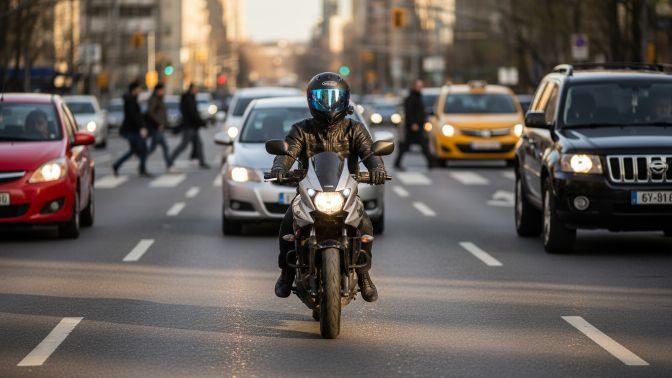
I focus on clear sightlines, mirror checks, and predicting other drivers’ moves. These skills help me spot hazards early, avoid surprises, and ride with more control and confidence.
Underestimating Other Drivers
I never assume other drivers see me. Many drivers miss motorcycles in mirrors or blind spots, or they signal late. I keep a safe following distance—at least two seconds in good weather—and increase it in rain or heavy traffic.
I watch for brake lights, turn signals, and steering cues from vehicles ahead. If a car drifts within its lane or slows suddenly, I prepare to brake or change lanes. I also avoid lingering in drivers’ blind spots, especially next to large trucks.
I expect sudden exits, lane changes, and door openings from parked cars. That mindset makes me ride defensively and gives me more time to react.
Not Scanning for Hazards
I scan at least 12–15 seconds ahead in city traffic and farther on fast roads. This helps me spot slower traffic, stopped cars, pedestrians, and road debris before I reach them. I use both near and far scanning: quick checks close by, then longer glances ahead.
I look for visual clues like brake lights, tire smoke, and turning wheels. I also watch intersections, driveway entrances, and crosswalks where people or cars can appear suddenly. When visibility is poor, I slow down and widen my following distance.
Regularly shifting my eyes keeps me aware of changing conditions and reduces surprise hazards.
Failing to Use Mirrors Effectively
I check my mirrors often—every 5–10 seconds in traffic—and before any lane change or speed change. Mirrors tell me where other vehicles are and whether someone is closing fast. I train myself to glance, not stare, so I don’t lose situational awareness ahead.
I use a quick head check for blind spots even when mirrors show the lane clear. Mirrors can’t catch everything, especially at night or in heavy blur from raindrops. I adjust mirror angles so I see a sliver of my own shoulder; that gives a consistent reference point for head checks.
I combine mirror info with brake light and turn signal cues to make safer moves. For more on mirror use and riding scans, I recommend industry guides like the Motorcycle Safety Foundation and government road safety pages such as NHTSA .
Preparing Your Motorcycle
I check the bike before every ride so I catch small problems before they become big ones. I focus on lights, brakes, fluids, chain or belt, and tire condition.
Skipping Pre-Ride Inspections
I never skip a pre-ride inspection. A quick walkaround takes five minutes and finds most issues. I look for fluid leaks under the bike, then test the horn, turn signals, high and low beams. I squeeze the front and rear brake levers to confirm pressure feels normal.
I also check the oil level and coolant (if liquid-cooled). Low or dirty oil shortens engine life and can cause failures on the road. If anything feels off—unusual sounds, loose parts, or warning lights—I fix it or don’t ride.
Use a simple checklist and keep basic tools and a flashlight in a bag. That habit saves me time and prevents avoidable breakdowns.
Incorrect Tire Maintenance
Tires are the only contact patch between me and the road, so I keep them correctly inflated and in good shape. I check pressure cold, using the pressure spec from my owner’s manual or the sticker on the bike. Riding on underinflated or overinflated tires changes handling and increases risk of a crash.
I inspect tread depth and look for cuts, bulges, or embedded nails. Worn or weather‑cracked tires need replacement, even if the pressure is fine. I replace tires in pairs when one is near the end of life to keep balance and traction predictable.
If I carry a spare pressure gauge and a small inflator, I can correct pressure issues on the go. For long trips, I recheck tire pressure after the first 20–30 minutes of riding and again at stops.
Managing Riding Attitude
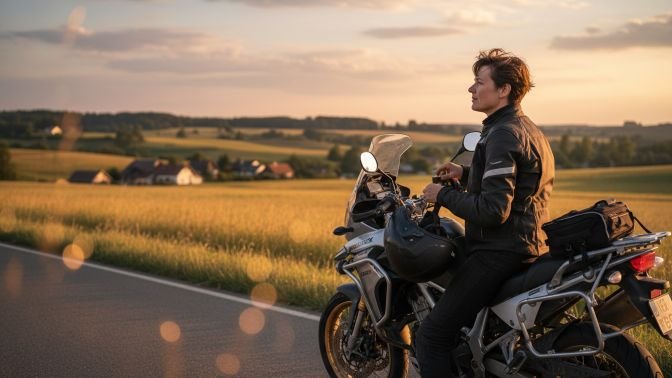
I keep my head clear and check my ego before I ride. Staying aware of how I feel, how tired I am, and how confident I am helps me make safer choices on the road.
Overconfidence on the Road
I avoid assuming skill equals safety. Riding faster than my experience allows, weaving through traffic, or testing lean limits on public roads puts me at real risk. I set specific limits: I ride below the speed limit in heavy traffic, I avoid lane splitting unless it’s legal and I’m experienced, and I never try showy maneuvers near other vehicles.
I use small habits to keep confidence in check. I ask myself quick questions before changing speed or lane: “Can I stop if needed?” and “Do I have an escape route?” If the answer is no, I wait. I also ride with more experienced riders and copy their cautious decisions until I earn the same judgment.
Ignoring Personal Limits
I track my own fatigue, skill level, and comfort with conditions. If I’m tired, foggy, or new to a route, I shorten the ride or choose safer roads. I log hours and conditions that challenged me so I know what to avoid next time.
I set clear, personal rules and write them down. Examples: no night rides until I’ve logged 200 miles, no highway lane changes during rain, and mandatory 15‑minute breaks every 90 minutes. These rules reduce risky improvisation and help me grow skills steadily without pushing beyond what I can handle.
Understanding Road Conditions
I focus on spotting hazards early and choosing safe speeds and lines. Paying attention to traction, visibility, and how the bike will react helps me avoid crashes and keep control.
Riding in Adverse Weather Without Experience
I avoid riding in heavy rain, strong wind, or icy conditions until I have more experience and confidence. Wet roads cut tire grip by a lot; I reduce speed, smooth out throttle and braking inputs, and increase following distance to give myself more time to react. Puddles hide potholes and oil patches, so I steer around standing water when I can.
Wind gusts can push the bike suddenly. I brace lightly on the bars, keep a steady throttle, and look where I want to go. Cold air reduces tire pressure and responsiveness, so I check tire pressure and warm the tires on a short, slow ride before riding hard.
I use extra lighting and reflective gear in low visibility. If visibility or traction is very poor, I stop and wait for conditions to improve.
Misjudging Curves and Surfaces
I slow before curves, not in them. Entering a corner too fast forces late braking, which can lead to loss of traction. I pick a safe entry speed, look through the curve to my exit, and roll on throttle smoothly to stabilize the bike.
Surface changes—gravel, sand, leaves, paint, or manhole covers—need immediate attention. I scan ahead for changes and adjust line and speed early. If I hit loose material, I keep the bike upright, avoid sudden steering, and gently roll off the throttle until traction returns.
I check road signs and local conditions when planning routes. When I’m unsure about surface quality, I choose wider lines or lower speeds to give myself room to correct.
Learning Legal and Safety Requirements
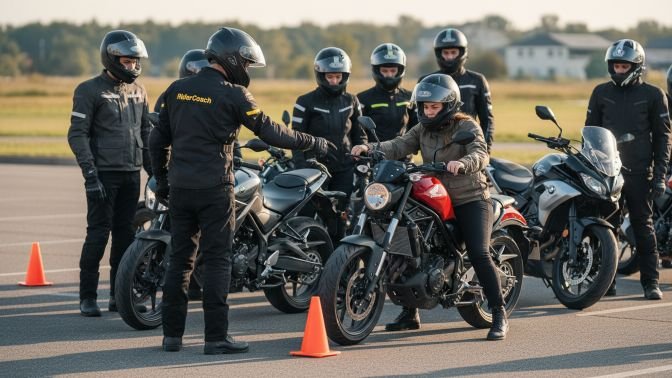
I outline the rules and training that keep me and other riders legal and safer on the road. Follow licensing, equipment, and training steps to avoid fines, crashes, and bad habits.
Disregarding Local Laws
I check my state or local motorcycle laws before every ride and when I move to a new area. That means knowing helmet laws, lane-splitting rules, insurance minimums, and any age or endorsement requirements for my license.
I carry proof of insurance and my license on every ride. If my state requires registration stickers or inspection, I keep those current to avoid tickets. Traffic rules matter too: speed limits, turn signal use, and where motorcycles may or may not use certain lanes affect safety and legal risk.
Local helmet and eye-protection rules vary. If a law requires a certified DOT, ECE, or Snell helmet, I buy one that meets that standard and replace it after a crash or when it’s worn.
Not Taking Rider Safety Courses
I take a certified rider safety course before I ride on public roads. Basic courses teach mounting, braking, turning, and emergency maneuvers in real conditions with an instructor watching.
Advanced or refresher courses help me learn low-speed control, hazard avoidance, and group-ride rules. Many courses offer licensing waivers or insurance discounts, so they save money and lower risk.
When choosing a course, I look for recognized providers (state motorcycle programs or MSF-type schools), a good student-to-instructor ratio, and on-bike practice. I practice what I learn regularly to turn skills into habits, not one-time actions.
Responding to Emergencies
I focus on simple, repeatable actions that work in quick, high-pressure moments. I emphasize steady braking, controlled steering, and choosing space over speed.
Panic Braking
I avoid grabbing the front brake or stomping the rear in a sudden stop. Grabbing the front lever can lock the wheel and throw me over the bars. Instead, I apply progressive pressure: squeeze the front brake smoothly while holding steady pressure on the rear. That balances weight transfer and shortens stopping distance without skidding.
I practice this until it becomes instinct. I do controlled emergency stops at low speed in a safe area and on different surfaces. For technique drills and official guidance, I use resources like the Motorcycle Safety Foundation for step-by-step practice tips.
When road grip is low—wet, gravel, or cold pavement—I back off brake force and give myself more distance. I also check my tires and brake system regularly so my emergency braking works when I need it.
Improper Evasive Maneuvers
I do not swerve sharply or make wide, panicked turns to avoid obstacles. Sudden, large steering inputs can destabilize the bike and cause a low-side or high-side crash. Instead, I steer smoothly and countersteer when at speed: push the handlebar on the side I want to go toward to initiate a controlled lean and avoid the hazard.
I scan for escape lines before I need them—left, center, and right—and choose the clearest one quickly. If braking and steering both are required, I prioritize smooth braking first, then make a small, deliberate steering correction. For further reading on defensive maneuvers and rider training, I consult authoritative sources like state riding courses or the MSF to build muscle memory.
Building Riding Experience Gradually
I start new riders with short, focused lessons so they build skills without getting overwhelmed. Small steps help me see what each rider needs next and keep progress steady.
I focus on basics first: balance, seat, and relaxed hands. These are the foundation for steering, posting, and controlling pace later on.
I mix drills and short rides to reinforce learning. Repetition helps, but I vary exercises so riders stay engaged and learn to apply skills in different situations.
I encourage regular, spaced practice rather than long, rare sessions. Riding a little more often speeds learning and keeps confidence up.
I track progress with simple goals and notes after each ride. That makes it easy to plan the next lesson and avoid repeating the same mistakes.
I emphasize safe challenges — gentle trail rides, controlled canters, or new tasks only when the rider and horse are ready. This builds real experience without undue risk.
- Wear proper gear every time: helmet, boots, and gloves.
- Warm up the horse and rider before pushing skills.
- Ask questions and get feedback from an instructor.
I keep patience as a key rule. Progress takes time, and steady, mindful practice produces safer, more confident riders.
Maintaining Mental and Physical Readiness
I check my fitness before every ride. Simple stretches, a short walk, or a few minutes of neck and shoulder mobility keeps my reactions sharp and reduces fatigue.
I manage my sleep and stress. Riding tired or distracted cuts my focus and slows my decisions. If I feel worn out, I delay the trip or choose a shorter route.
I practice mental warm-ups. I run through potential hazards and plan escape paths in my head. This quick rehearsal helps me react faster when something unexpected happens.
I keep my gear comfortable and properly fitted. A helmet that sits right and gloves that let me feel controls reduce strain and improve control. Uncomfortable gear becomes a distraction.
I hydrate and eat light before riding. Low blood sugar or dehydration makes me shaky and less alert. Small, regular snacks on long rides help maintain energy without making me drowsy.
I use a simple checklist before I leave:
- Helmet, gloves, jacket
- Tire pressure and lights
- Fuel level and mirrors
I review my limits honestly. I avoid pushing speed or skills beyond what I’ve trained for. Riding within my abilities keeps me safer and builds confidence over time.
FAQs
How soon should I take a riding course?
I recommend taking a basic rider course before you ride on public roads. A course builds skills fast and teaches safe habits I might not pick up alone.
What gear do I need right away?
I always wear a DOT-approved helmet, gloves, jacket, long pants, and sturdy boots. Good gear lowers injury risk even in minor crashes.
How do I avoid overconfidence?
I ride within my limits and practice often. I remind myself that experience and judgment grow slowly, not after one or two rides.
Should I avoid certain roads or conditions at first?
Yes. I avoid heavy traffic, wet roads, and night riding until I gain skill and confidence. These conditions add risk and make learning harder.
How can I improve braking and cornering?
I practice smooth, progressive braking and slow-speed turns in a parking lot. Repetition builds muscle memory and reduces panic in real situations.
What common maintenance should I learn?
I check tire pressure, chain or belt tension, lights, and fluid levels regularly. Basic checks prevent breakdowns and improve safety.
Conclusion
I learned that most riding mistakes come from skipping basics or rushing progress. I focus on training, gear, and gradual practice to cut risk and build skill.
I keep checks simple and regular. A quick bike inspection, proper helmet fit, and the right tires make a big difference.
I practice defensive riding and scan for hazards. I assume others may not see me and I plan escape routes.
I set realistic limits for speed and weather. I avoid risky moves and grow confidence through steady practice.
I use a short checklist to stay consistent:
- Training: take courses and refresh skills.
- Gear: helmet, jacket, gloves, boots.
- Maintenance: tires, brakes, lights.
- Attitude: patience, scanning, defensive riding.
I commit to learning from small errors before they turn into big ones. I ride smarter, not harder, and keep safety my top priority.
