Knowing when to wear a full face helmet mountain biking is crucial for your safety and performance. This guide covers the best situations to choose a full face helmet, practical advice for different trail types, and how to stay protected without sacrificing comfort.
Key Takeaways
- Full face helmets offer maximum protection: Ideal for high-risk trails and aggressive riding styles.
- Wear a full face helmet on technical descents: Steep, rocky, or root-filled trails increase the risk of head injuries.
- Use full face helmets in downhill and enduro racing: These disciplines demand extra safety gear due to speed and impact risks.
- Consider trail difficulty and your skill level: Beginners may benefit from full face helmets in challenging conditions.
- Full face helmets can reduce facial injuries: Protect your jaw, chin, and face during crashes.
- Warm weather and ventilation are key factors: Choose helmets with good airflow to stay comfortable on long rides.
- Always pair your helmet with other safety gear: Gloves, pads, and proper footwear complement full face helmet use.
Introduction
Mountain biking is an exciting sport that brings you closer to nature and tests your skills. But it also comes with risks, especially on challenging trails. One of the most important safety decisions you’ll make is choosing the right helmet. In this guide, you’ll learn when you should wear a full face helmet mountain biking. We’ll cover different trail types, riding styles, and conditions where full face helmets are the best choice. By the end, you’ll know how to balance safety, comfort, and performance on your rides.
Step 1: Understand What a Full Face Helmet Is
A full face helmet covers your entire head, including your chin and jaw. Unlike open-face helmets, it adds an extra layer of protection around your face. This is especially helpful when riding fast or on difficult terrain where falls might be severe.
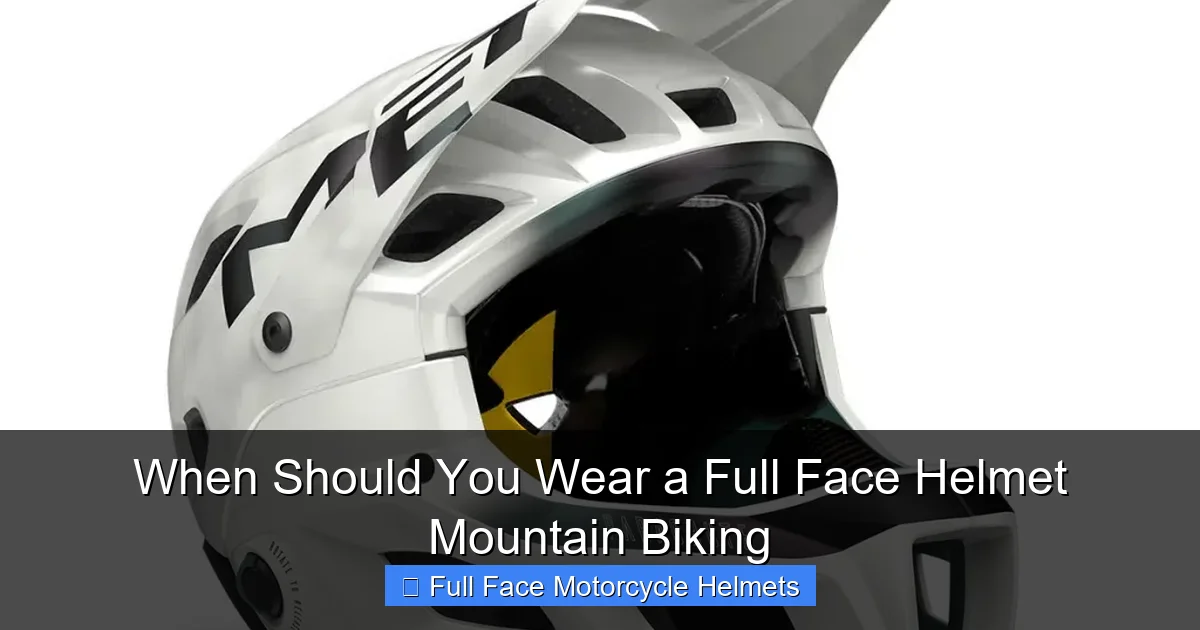
Visual guide about When Should You Wear a Full Face Helmet Mountain Biking
Image source: promountainbike.com
Benefits of Full Face Helmets
- Complete head protection: Protects your skull, jaw, and face.
- Better impact resistance: Built to absorb higher forces in crashes.
- Additional features: Some helmets come with visors, removable liners, and ventilation systems.
Considerations
- Full face helmets are heavier than open-face helmets.
- Ventilation might be less efficient, so heat can build up.
- Some riders find them less comfortable for casual rides.
Step 2: Identify Trail Types and Their Risks
Knowing the type of trails you ride helps you decide if a full face helmet is necessary.
Cross-Country (XC) Trails
Usually smoother and less technical. Falls are less severe here, so many riders prefer lighter, open-face helmets.
Trail Riding
More varied terrain with some technical sections. You might want extra protection on tougher trails.
Enduro and Downhill Trails
These are fast, steep, and involve jumps and drops. The risk of crashes is higher, making a full face helmet essential.
Freeride and Bike Parks
These areas often have big jumps and obstacles. Full face helmets protect riders from serious injuries.
Step 3: Match Your Skill Level to Helmet Choice
Your experience affects your risk of falling and the severity of crashes.
Beginners
New riders often fall more frequently. Wearing a full face helmet can reduce injury risk while learning technical skills.
Intermediate Riders
As skills improve, riders face more challenging terrain. Consider a full face helmet for tougher trails.
Advanced Riders
Experienced riders pushing limits in downhill or enduro disciplines should use full face helmets for maximum safety.
Step 4: Consider Riding Conditions and Duration
Heat and comfort matter when choosing a full face helmet.
Hot Weather
Full face helmets can feel hot. Look for models with good ventilation and moisture-wicking liners.
Long Rides
Heavier helmets can cause fatigue. Try different helmets to find one that fits well and feels comfortable.
Night Riding
If you ride after dark, a full face helmet can protect better against branches and debris.
Step 5: Make Safety Your Priority
Always prioritize protection over style or convenience.
Protect Your Face and Jaw
Full face helmets shield your jaw and chin, which are vulnerable in crashes.
Use with Additional Safety Gear
Combine your helmet with gloves, knee and elbow pads, and proper shoes to reduce injury risk.
Step 6: Try On and Choose the Right Helmet
Fit is everything when it comes to helmets.
Proper Fit
- Helmet should fit snugly without pressure points.
- It shouldn’t move when you shake your head.
- Check for comfort around the chin and jaw area.
Test Ventilation and Weight
- Wear the helmet on a short ride to test airflow.
- Choose a helmet light enough for your preferences.
Troubleshooting Common Concerns
Helmet Feels Too Hot
Try helmets with more vents or removable liners. You can also ride slower or take breaks in shaded areas.
Helmet Is Too Heavy
Look for lighter materials like carbon fiber or advanced polycarbonate shells.
Discomfort Around Chin Strap
Adjust the strap properly and use padded covers if needed.
Fogging Visors or Goggles
Use anti-fog sprays or helmets with better air circulation to reduce fogging.
Conclusion
Knowing when you should wear a full face helmet mountain biking is key to safe and enjoyable rides. Use full face helmets on technical, fast, or risky trails like downhill, enduro, and bike parks. Beginners and intermediate riders can also benefit on challenging terrain. Always consider your comfort, trail difficulty, and weather conditions. Remember, a full face helmet protects not just your head but your face and jaw, reducing injury risks. Invest in a well-fitting helmet and pair it with other safety gear. Stay safe and enjoy your mountain biking adventures!
🎥 Related Video: Do You Need A Full Face Helmet For Mountain Biking? | Full Face Vs Half Shell MTB Helmets
📺 Global Mountain Bike Network
Do you need a full face helmet? In this video we’ll talk you through the advantages and disadvantages of the two different types of …
