Wearing a full face helmet mountain biking is essential for riders tackling technical and high-risk trails. This guide helps you understand when to choose full face helmets to protect yourself from serious injuries, ensuring a safer and more confident ride.
Key Takeaways
- Full face helmets provide maximum protection: Ideal for high-speed, technical, or downhill mountain biking.
- Know the trail difficulty: Use a full face helmet on challenging terrain with obstacles and steep descents.
- Consider your skill level: Beginners on aggressive trails benefit from full face helmets for extra safety.
- Weather matters: Full face helmets offer better protection against mud, rain, and debris.
- Comfort and ventilation: Choose helmets with good airflow for long rides to avoid overheating.
- Legal requirements and race rules: Some events require full face helmets for participation.
- Regular helmet checks: Replace helmets after crashes or heavy impacts to maintain safety.
When to Wear a Full Face Helmet Mountain Biking
Mountain biking is an exciting sport with varying levels of intensity and risk. One crucial safety decision is selecting the right helmet. In this guide, you will learn exactly when to wear a full face helmet mountain biking, how to choose the best helmet for your ride, and practical tips to keep you safe and comfortable on the trails. Whether you’re a beginner or a seasoned rider, understanding the right circumstances for full face helmets can protect you from serious injuries.
What Is a Full Face Helmet and Why Use One?
A full face helmet covers your entire head, including the chin and jaw, offering more coverage than a traditional open-face helmet. It features a robust chin guard and a strong outer shell designed to absorb impacts. This design makes it ideal for high-risk mountain biking disciplines like downhill, freeride, and enduro. Full face helmets reduce the risk of facial injuries and provide better protection against branches, rocks, and debris.
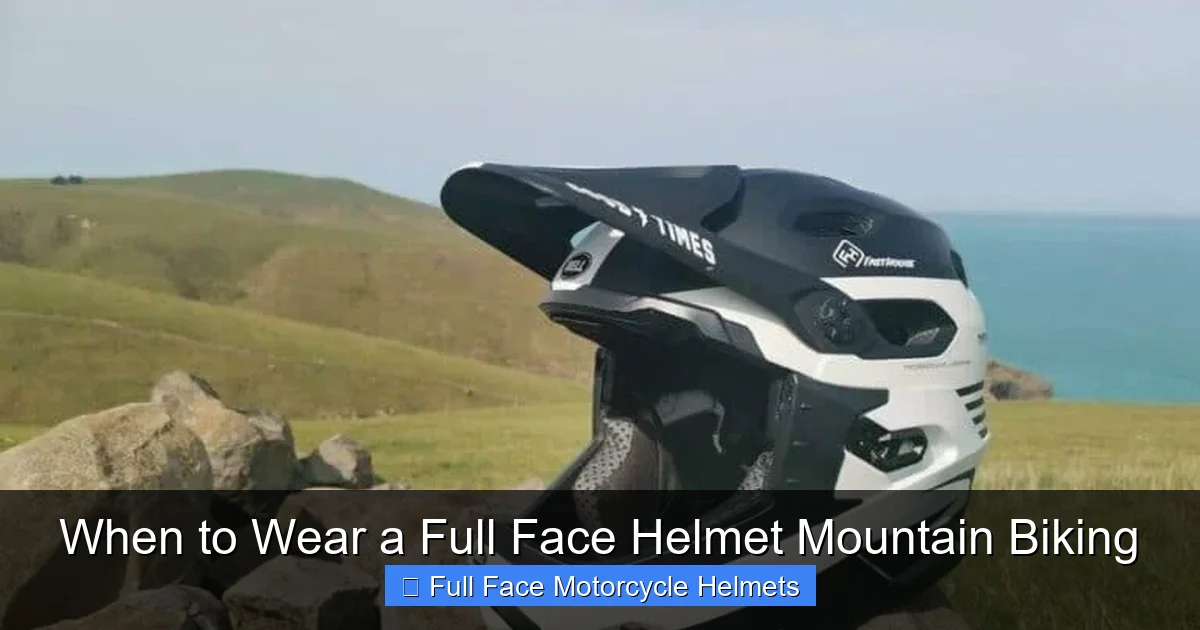
Visual guide about When to Wear a Full Face Helmet Mountain Biking
Image source: mtbgearbox.com
Step 1: Assess the Trail Type and Difficulty
The first step to deciding when to wear a full face helmet mountain biking is understanding the trail you’ll ride.
Identify Trail Characteristics
- Steep descents and high speeds
- Technical sections with roots, rocks, and drops
- Jumps and drops requiring strong impact protection
- Narrow, wooded paths with potential for collisions
If your trail includes one or more of these features, a full face helmet is strongly recommended.
Trail Rating Systems
Most mountain biking areas use trail rating systems (green, blue, black diamond, double black diamond). For black diamond and above, full face helmets offer the best safety.
Step 2: Evaluate Your Riding Style and Skill Level
Your riding style and experience also influence when to wear a full face helmet mountain biking.
Beginners and Intermediate Riders
If you’re still developing skills or trying new tricks, full face helmets provide peace of mind and added safety as you learn.
Advanced and Expert Riders
Experts often push limits on challenging terrain, making full face helmets essential for protection during high-speed runs or risky maneuvers.
Step 3: Consider Environmental and Weather Conditions
Full face helmets can shield your face from weather elements and trail debris.
Rain and Mud
When riding in wet conditions, a full face helmet helps keep rain and mud off your face and eyes, improving visibility and comfort.
Dust and Loose Debris
On dry, loose trails, a full face helmet protects your mouth and jaw from dust and flying stones.
Step 4: Review Safety Standards and Race Requirements
Some competitive events require full face helmets to participate. Check race rules ahead of time.
Helmet Certifications
Ensure your full face helmet meets safety standards like CPSC, ASTM, or EN 1078 for mountain biking.
Event Rules
Downhill races and some enduro events may mandate full face helmets for rider safety.
Step 5: Choose the Right Full Face Helmet for Comfort and Fit
Wearing a helmet that fits well and feels comfortable is key to consistent use.
Fit and Sizing
- Measure your head circumference.
- Try helmets to find snug but comfortable fit.
- Check for movement when shaking your head.
Ventilation and Weight
Look for helmets with ample airflow to prevent overheating on long rides.
Additional Features
- Removable liners for washing
- Visors to shield from sun and branches
- Compatibility with goggles or cameras
Step 6: Maintain and Inspect Your Helmet Regularly
Protecting yourself means keeping your helmet in good shape.
Inspection Tips
- Check for cracks or dents after impacts.
- Replace helmets after significant crashes.
- Follow manufacturer’s replacement guidelines, usually every 3-5 years.
Cleaning
Clean your helmet regularly with mild soap and water. Avoid harsh chemicals.
Troubleshooting Common Issues
Helmet Feels Too Hot
Try helmets with better ventilation or remove liners if possible. Take breaks in shaded areas.
Helmet Fogging Goggles
Use anti-fog sprays on goggles and ensure proper airflow between helmet and goggles.
Helmet Slides or Moves During Riding
Adjust straps and fit pads. Consider a smaller size or a different helmet shape.
Conclusion
Knowing when to wear a full face helmet mountain biking is essential for safety and confidence on the trails. Use full face helmets on technical, high-speed, or downhill rides, especially if you’re a beginner or riding challenging terrain. Choose a helmet that fits well, meets safety standards, and suits your environmental conditions. Regularly inspect and maintain your helmet to ensure it provides the protection you need. With the right helmet, you can enjoy mountain biking with less worry and more fun.
🎥 Related Video: Do You Need A Full Face Helmet For Mountain Biking? | Full Face Vs Half Shell MTB Helmets
📺 Global Mountain Bike Network
Do you need a full face helmet? In this video we’ll talk you through the advantages and disadvantages of the two different types of …
