
You know how a few seconds of speed can change an entire ride. Following the speed limit keeps you safer, helps you avoid fines or license trouble, and makes sharing the road with pedestrians, cyclists, and drivers much more predictable. When you stick to the posted speed, you lower crash risk, protect vulnerable road users, and save money on tickets and insurance.
I want you to feel confident on every trip. Riding at a safe speed gives you more time to react, reduces the severity of any crash, and makes traffic flow smoother for everyone around you. That simple choice also supports healthier streets and shows respect for other people who use the road.
Key Takeaways
- Riding at the speed limit reduces crash risk and injury severity.
- Obeying speed rules helps you avoid legal and financial penalties.
- Safe speeds improve traffic flow and protect vulnerable people.
Foundational Reasons Bikers Should Follow the Speed Limit
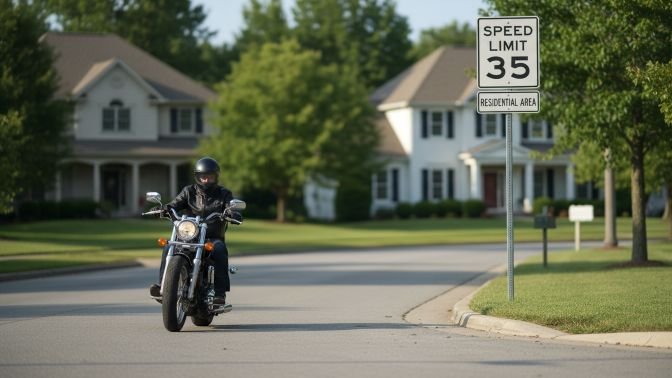
I ride with rules that protect me, other riders, and people on foot. Riding at a safe speed helps me control the bike, avoid crashes, and give others time to see and react.
Enhancing Personal Safety
I control my bike better when I match the posted speed. Lower speeds cut the force in a crash, which lowers the chance of serious injury to my head, chest, and legs. Slower riding also helps me stay balanced during turns and over uneven pavement.
Wearing proper gear matters more at any speed, but it becomes crucial when I ride faster. Helmets, jackets, and gloves reduce harm when impact happens. I also check tire pressure, brakes, and lights before every ride because equipment works best at the speeds I plan to keep.
Reducing the Likelihood of Collisions
I reduce crash risk when I obey speed limits because I can stop or change direction quicker. On city streets or near intersections, following limits helps me predict other drivers’ actions and avoid sudden moves that lead to side or rear collisions.
I avoid weaving through traffic or passing in tight gaps when I respect the speed limit. That lowers my chance of hitting a car that turns, stops, or drifts into my lane. I also slow down in bad weather and at night, because low traction and poor sight increase collision risk even at legal speeds.
Visibility and Reaction Times
I become more visible to drivers when I ride at a predictable speed. Staying within the limit keeps my position and approach consistent, so drivers can judge distance and timing more accurately. Bright clothing and reflective gear amplify that visibility.
I gain extra reaction time at lower speeds. That gives me time to spot hazards like opening car doors, pedestrians stepping into the road, or debris. Slower speeds let me apply controlled braking and directional input, which reduces the chance my corrective actions cause a crash.
Legal and Regulatory Implications
I focus on how obeying speed limits affects my legal safety, my record, and my interactions with police and courts. Following limits ties directly to avoiding tickets, knowing local rules, and facing real penalties if I speed.
Avoiding Traffic Violations
I reduce my chance of getting stopped when I stick to posted speeds. Police can cite cyclists in many places because bicycles are treated as vehicles under the law. Riding at or below the speed limit makes it easier to show an officer I acted reasonably and within traffic rules.
If a police officer does stop me, being calm and able to explain my speed helps. I keep identification and any required local permits ready. For U.S. riders, state DMV sites often list bicycle rules; I check them so I know what officers expect. For more on how bicycles are treated legally, I refer to resources like LegalClarity to compare local standards.
Understanding Local Traffic Laws
Laws about bike speed vary by state and city. Some jurisdictions explicitly apply speed limits to bicycles; others expect cyclists to follow general traffic laws like lane usage and right-of-way. I look up municipal codes or my state’s transportation department pages to confirm specifics before I ride in a new area.
Local laws can also include bike-specific rules, such as where I must yield, helmet requirements for minors, and whether e-bikes have different speed classes. Knowing these details prevents misunderstandings and helps me plan safer routes. Official city or state sites, such as the National Highway Traffic Safety Administration (NHTSA) or state DOT pages, give accurate local rule summaries.
Consequences of Speeding Tickets
Getting a speeding ticket as a cyclist can mean fines, court dates, and a mark on my driving record in some places. Fines vary widely; small city fines may be under $100, while others can be larger if safety was at risk. Repeated violations can lead to higher penalties or required traffic school.
Beyond money, a ticket can affect insurance if it ties to a motor vehicle license, and it can create legal obligations like appearing in court. I keep copies of any citation and consider consulting a traffic attorney if the ticket could carry significant penalties. Knowing potential outcomes helps me weigh risks before riding faster than posted limits.
Protecting Vulnerable Road Users
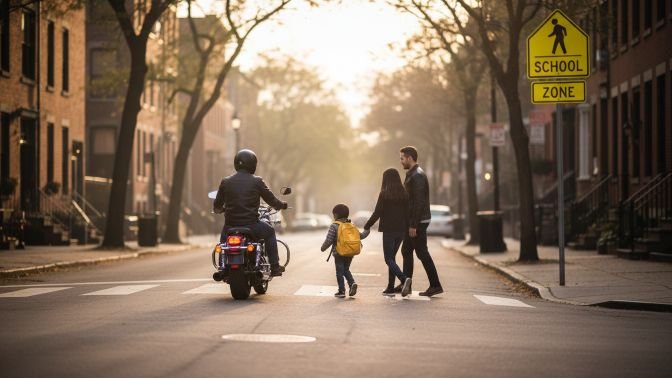
I focus on how obeying speed limits helps people who are most at risk on the road. Slower vehicle speeds give everyone more time to react and lower the chance and severity of a crash.
Increasing Safety for Pedestrians
When drivers reduce speed, I see clearer gaps for people walking to cross streets safely. A 1 mph drop in average speed can cut crash risk, so even small speed changes matter for kids and seniors near schools and parks.
Lower speeds increase driver reaction time and reduce stopping distance. That means drivers are more likely to stop for someone stepping into a crosswalk or a child chasing a ball.
I also note that slower traffic lowers injury severity. If a vehicle hits a pedestrian at 20 mph, the chance of fatal injury falls sharply compared with higher speeds. Slower limits on streets with heavy foot traffic, plus visible crosswalks and good lighting, make a real difference.
Coexisting Safely With Motorists
I watch for how speed affects bicyclists sharing the road with cars. Faster motor traffic narrows the margin for safe passing and closes reaction windows during turns or lane changes.
Keeping to posted limits helps drivers pass bikes with more space and time. It also makes lane changes and merging safer near bike lanes and parked cars.
I recommend habits that reduce conflicts: maintain a steady, predictable line; use clear hand signals; and avoid sudden moves near parked cars. When both drivers and cyclists follow speed rules, I find fewer close passes and a lower risk of collisions.
Positive Impact on Community and Public Perception
I focus on how my riding choices affect people around me and how those choices shape others’ views of cyclists. Riding at safe speeds makes streets calmer, reduces conflict, and shows respect for laws and neighbors.
Setting a Good Example for Other Riders
When I stick to the speed limit, I show less experienced riders how to behave near cars and pedestrians. Other cyclists learn from what they see; consistent, predictable speeds make group rides safer and reduce sudden lane changes that startle drivers.
I also help normalize lawful riding in places where risky behavior gets attention. If I signal, obey traffic lights, and avoid weaving, riders behind me are more likely to copy those habits. That lowers the chance of crashes and reduces confrontations with drivers.
Finally, I make safety visible. Helmets, lights, and steady speeds signal responsibility. That can encourage local clubs and youth programs to teach the same standards.
Building Trust With Non-Bikers
When I follow speed limits, drivers feel less threatened and open their lanes or give more space. That small cooperation cuts down on honking, close passes, and anger that harms street safety.
Neighbors notice too. Quiet, controlled riding reduces noise and shows I respect residential areas. People who walk or run feel safer crossing streets when they see cyclists obeying limits.
This trust leads to practical gains: fewer complaints to city officials, more support for bike lanes, and better relationships with local businesses. Those results make streets safer for everyone.
Improved Riding Experience
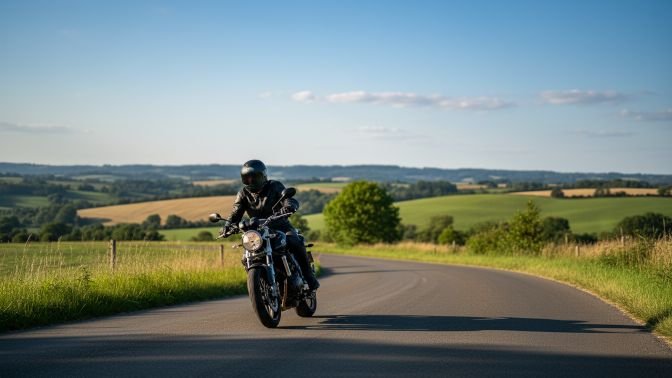
I find that riding at the posted speed limit makes trips calmer and lets me notice more of my surroundings. Slower, steady speeds reduce physical strain and give me time to see things I would miss at higher speeds.
Reducing Stress and Fatigue
When I keep to the speed limit, I use less aggressive braking and fewer sudden lane changes. That lowers my muscle tension in the neck, shoulders, and hands. Over a long ride, this small change cuts how tired I feel.
Following the limit also reduces mental load. I spend less time scanning for high-speed hazards and more time monitoring a smaller, manageable risk set. My reaction times improve because I’m not constantly correcting speed or position.
I also see fuel and tire wear stay steadier, which means fewer anxiety moments about mechanical issues. Knowing I’m riding within limits helps me relax and make clearer decisions when traffic or road conditions change.
Enjoying the Scenery and Environment
Riding at safe speeds gives me a better chance to notice landmarks, wildlife, and roadside details. I can pick better lines through corners and appreciate views without losing control.
Lower speeds help me hear environmental cues, like other vehicles, cyclists, or animals. That sensory information often warns me of upcoming hazards before displays or mirrors do.
I find urban and rural rides more rewarding when I can stop or slow smoothly to take photos or rest. The ride feels more like an experience and less like a race, and that increases my satisfaction on every trip.
Financial Benefits of Obeying Speed Limits
I save money on tickets, repairs, and insurance by riding within speed limits. Staying legal also reduces the chance my premiums go up and keeps my bike running longer.
Lower Risk of Fines and Increased Insurance Costs
Riding at or below posted limits cuts the chance I get a speeding ticket. One ticket for going 15–20 mph over can cost hundreds in fines and court fees, depending on the state. Multiple tickets in a short time often trigger higher insurance rates or a surcharge from my insurer.
I also avoid points on my license. Accumulated points can lead to license suspension and mandatory insurance increases. For specific rules and fine ranges, I check state DMV pages and the Insurance Information Institute for how violations affect premiums and records.
Minimizing Wear and Tear on the Bike
Cruising at steady, legal speeds reduces engine strain and brake use. High-speed riding makes the engine run hotter and causes faster tire, chain, and brake wear. That means I change oil, replace tires, and repair brakes less often.
Moderate speeds also use less fuel per mile, saving me money over time. Regular, gentle riding helps me keep scheduled maintenance costs lower and preserves resale value by keeping mileage and repairs minimal.
Supporting Sustainable and Responsible Transportation
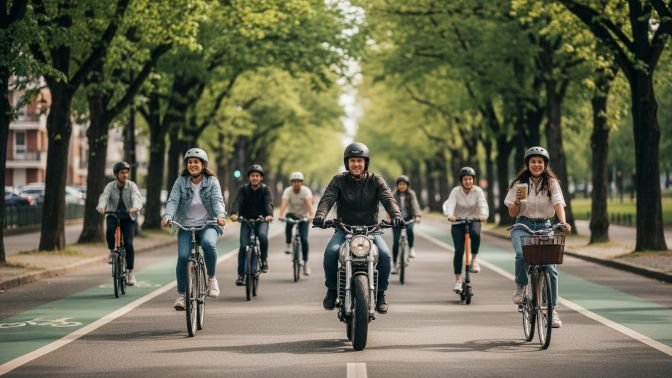
I ride with the speed limit because it supports cleaner, healthier streets. Lower speeds make biking safer and encourage more people to choose bikes over cars. That reduces emissions and cuts traffic congestion.
I follow limits to protect pedestrians and other riders. When everyone keeps to safe speeds, crashes are less likely and injuries are smaller. That helps communities feel safer and more walkable.
I use sensible speeds to set a good example for others. Drivers often match the pace they see; steady, law‑abiding cyclists help normalize safe behavior. This can lead to wider acceptance of biking as a regular mode of travel.
I value how speed affects energy use. Slower, steady riding boosts efficiency and lowers fuel or battery use for electric-assist bikes and nearby cars. Small speed reductions across a street add up to real environmental benefits.
I support policies that combine lower limits with design changes and enforcement. Signs alone help, but traffic calming, protected lanes, and fair enforcement improve compliance. Together, these measures create reliable, sustainable transport networks.
Key benefits I see:
- Safer streets for everyone
- Fewer emissions and less noise
- More people choosing active travel
- Better community health and air quality
I stick to speed limits because they make biking a responsible choice for me and for my city.
FAQs
How does speeding change crash risk for a rider?
Riding faster raises the force in a crash and cuts my time to react. Even small speed increases make a crash more likely and injuries more severe.
Will obeying limits help me avoid tickets and insurance issues?
Yes. Staying within the limit lowers the chance I get a citation, fines, or higher insurance rates. It also gives me clearer evidence if I need to explain my actions after an incident.
Does riding at the speed limit always mean I’m safe?
No. The posted limit is not always safe for every condition. I reduce speed for wet roads, fog, heavy traffic, and poor road surfaces. I use good judgment and ride below the limit when needed.
Can lower speed limits help people who walk or bike?
Lower limits make streets safer for everyone. Slower speeds give drivers and riders more time to see and avoid pedestrians and cyclists, and they lower injury severity in a collision.
What practical tips do I use to keep within limits?
I watch my speedometer, plan extra time for trips, and set a comfortable cruise speed on long rides. I also scan the road ahead to anticipate hazards and avoid sudden speed changes.
Quick list:
Follow posted limits.
Slow down in bad conditions.
Use planning and steady throttle control.
Remember limits protect me and others.
Conclusion
I believe riding at the posted speed makes the road safer for everyone. It gives me more time to spot hazards and react, which lowers the chance of a crash.
Following limits helps protect pedestrians and cyclists too. Slower impacts cause fewer injuries, and that matters in busy areas and near crossings.
I also see practical benefits: better fuel use and fewer fines. Riding within limits keeps my ride more predictable for other drivers and reduces stress.
I plan my trips to match safe speeds and pick routes that fit my comfort and skill. That simple choice improves my control and helps me enjoy riding more.
I recommend treating speed limits as a basic safety tool, not just a rule. They work with good gear, training, and awareness to keep me and others safer on the road.
