
You rely on your bike to get places, exercise, and enjoy fresh air — and those rides stay safe only when your bike works right. Regular maintenance prevents sudden failures like brake loss, flat tires, and chain breaks that can cause crashes, so a few simple checks before each ride cut your risk and keep you in control.
Spend a little time learning basic checks and you will spot worn parts, loose bolts, and low tire pressure before they turn into danger. I will show you the key checks that make the biggest safety difference, how poor upkeep leads to common hazards, and simple habits that save money and build riding confidence.
Key Takeaways
- Small, regular checks stop many sudden failures that cause crashes.
- Fixing worn parts early saves money and extends your bike’s life.
- Simple routines boost your confidence and keep riding enjoyable.
The Link Between Bike Maintenance and Rider Safety
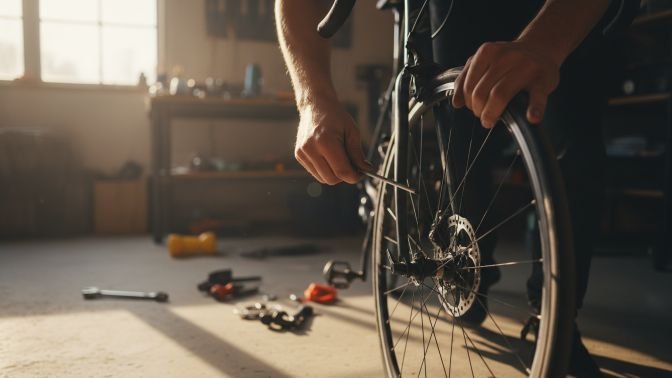
I focus on parts you can check and fix so your rides stay predictable and safe. Small jobs like inflating tires, tightening bolts, and lubing the chain make a big difference in how the bike behaves.
Reducing the Risk of Mechanical Failures
I inspect tires, brakes, and the drivetrain before rides to catch wear that leads to failures. For example, I look for cuts or bulges in tires and keep them at the pressure marked on the sidewall. Proper tire pressure reduces pinch flats and improves handling.
I regularly check brake pads for thickness and rotor alignment. Thin or glazed pads lengthen stopping distance and can fail in wet conditions. I also test quick releases and thru-axles so wheels stay seated under hard braking.
I keep the chain clean and lubricated and monitor for stretch with a chain checker. A worn chain can skip or break, which can jam the drivetrain and throw me off balance. Small, frequent checks prevent sudden failures.
Preventing Accidents Caused by Faulty Components
I treat loose bolts, worn cables, and misaligned components as immediate hazards. A loose stem or handlebar clamp can rotate under load and cause loss of control. I torque bolts to the manufacturer’s spec and recheck them after a few rides.
I replace frayed brake or shifter cables before they break. A snapped cable can leave me without braking or shifting, creating dangerous situations in traffic or on descents. I also inspect suspension seals and pivots for play that affects steering precision.
I pay attention to noises and vibration. Unusual creaks, rubbing, or wobble often point to failing bearings, spokes, or headset issues. Addressing these early prevents component failure that could cause a crash.
Ensuring Reliable Performance During Rides
I perform a quick pre-ride check: tires, brakes, drivetrain, and bolts. This routine saves time and avoids roadside repairs. Reliable brakes and properly inflated tires give predictable braking distance and cornering.
I keep a small tool kit and spare tube on every ride so I can fix flats and adjust minor issues quickly. Being prepared reduces the need to ride a compromised bike home. For longer or remote rides, I do a more thorough tune—wheel truing, full brake adjustment, and drivetrain service—so components perform consistently over many miles.
Essential Maintenance Checks to Enhance Safety
I focus on a few hands-on checks that prevent crashes and roadside breakdowns. These checks target the most common failure points: brakes, tires, and the drivetrain. Do them before every ride and more thoroughly once a month.
Inspecting Brakes for Proper Function
I start by squeezing the brake levers while the bike is still. The lever should feel firm and stop the wheel quickly. If the lever reaches the handlebar or feels spongy, I adjust cable tension or top up hydraulic fluid.
I inspect brake pads for wear. For rim brakes, I look for grooves worn down to the indicator line. For disc brakes, I replace pads when thickness is under 1.5 mm. Worn pads reduce stopping power and increase stopping distance.
I check rotor and rim alignment next. Rotors should spin true without rubbing. Rims must be free of dents and brake track contamination. If I hear squeal, I clean rotors with isopropyl alcohol and check pad bedding. For clear guidance, I use Shimano’s brake service pages and Park Tool’s brake adjustment guide.
Assessing Tire Condition and Pressure
I visually inspect tires for cuts, bulges, or embedded glass. Any large cuts or sidewall damage means I replace the tire immediately. Small embedded debris I remove with pliers to prevent flats.
I measure tire pressure with a gauge and inflate to the range printed on the sidewall. Riding underinflated increases pinch flats and handling issues. Overinflation reduces traction and comfort. For road and gravel specifics, I consult the tire manufacturer’s pressure charts or the Bicycle Association resources.
I also check tread wear and bead seating. Replace tires that show heavy tread loss or repeated flats. A quick spin of the wheel helps reveal bulges or wobbles that mean replacement or rim inspection.
Monitoring Chain and Drivetrain Wear
I check chain stretch with a simple ruler or a chain-wear tool. A chain worn beyond 0.5% on 11-speed (or 0.75% on older systems) will wear cassettes faster and cause poor shifting. Replacing the chain on schedule saves the cassette and chainrings from early failure.
I clean and lubricate the chain after dirty rides. I apply a drop of lube to each roller, wipe off excess, and shift through all gears to spread it. A dry or rusty chain can skip under load and cause loss of control.
I inspect chainrings and cassette teeth for shark-tooth shaping or missing teeth. I also check derailleur limit screws and cable condition to keep shifting precise. Park Tool and manufacturers’ maintenance pages offer step-by-step checks I follow when parts need adjustment.
How Poor Maintenance Leads to Common Hazards
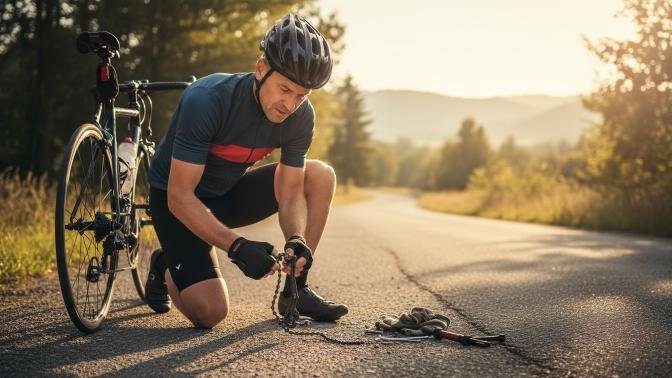
I see how small problems grow into real risks fast. Worn parts, loose bolts, and dirty drivetrains create hazards that affect brakes, steering, and the bike’s overall reliability.
Increased Likelihood of Accidents
When brake pads are worn or cables are frayed, stopping distance grows. I check pad thickness and cable housing regularly because a few millimeters lost can mean missing a safe stop. Hydraulic systems need fresh fluid and no air; otherwise braking feels spongey and inconsistent.
Tires with low pressure or cut sidewalls increase the chance of a blowout. I inspect tread and sidewalls before rides and keep pressure within the range stamped on the tire. A sudden flat at speed can throw me off balance and into traffic.
Loose bolts on stems, wheels, or saddles let components shift under load. I torque fasteners to the manufacturer’s specs. Riding with loose parts invites failures that often lead directly to crashes.
Unpredictable Handling or Control
Worn headset bearings or a misaligned fork make steering twitchy. I listen for knocking and test for play by applying the front brake and rocking the bike. If the steering pulls or sticks, I service the bearings or adjust the headset.
A greasy, stretched chain and poorly adjusted derailleurs cause skips and chain drops. I clean and lubricate the drivetrain weekly and set limit screws precisely. Skipping under load can yank the cranks and throw me off balance.
Suspension that is under-serviced feels dead or bottoms out on rough ground. I follow service intervals for seals and damping. Properly serviced suspension keeps the bike predictable and stable over obstacles.
Unexpected Breakdowns Mid-Ride
A broken spoke or loose axle nut can wreck a wheel while I’m on the road. I inspect spokes for tension and check quick releases and thru-axles before every ride. Small problems avoided early stop bigger failures later.
Battery-powered lights and electronic shifting need secure mounts and charged batteries. I test lights and charge batteries before dusk rides. Losing lights or shift function at night or on a long climb creates danger and can strand me.
Neglected chains and cassettes wear together, increasing the risk of sudden chain failure. I replace chain and cassette as a matched set when wear signs appear. Regular swaps prevent the jam or snap that ends a ride abruptly.
Longevity of Bike Components and Cost Savings
I focus on the parts you use most and the repairs that cost the most. Small checks and timely part swaps keep components working longer and cut the chance of a big, expensive fix.
Extending the Life of Critical Parts
I check and clean the chain every 200–300 miles or after wet rides. A well-lubricated chain shifts better and reduces wear on the cassette and chainrings. Replacing a worn chain before it stretches saves you the cost of a worn cassette, which can be three to five times the price of a chain.
I inspect brake pads and cables monthly. Worn pads mean longer stopping distance and can score rims or rotors, driving up replacement costs. I also monitor tire tread and sidewalls; one timely tire replacement prevents rim damage and improves handling. Small, regular tasks — cleaning, lubing, tightening bolts — add up to big savings over time.
Avoiding Costly Emergency Repairs
I compare routine maintenance costs to emergency repair bills and I find a big gap. Fixing a bent derailleur or replacing a cracked frame after a failure can cost as much as, or more than, a new bike. Regularly adjusting derailleurs and checking bolts lowers the risk of sudden failures while riding.
I keep basic spares and tools with me: a spare tube, multi-tool, and quick link. These let me fix most problems roadside and avoid towing or shop rush fees. Scheduling an annual full service also catches hidden issues early, often preventing the expensive cascade of part failures that follow one small broken piece.
Building Good Habits for Ongoing Safety
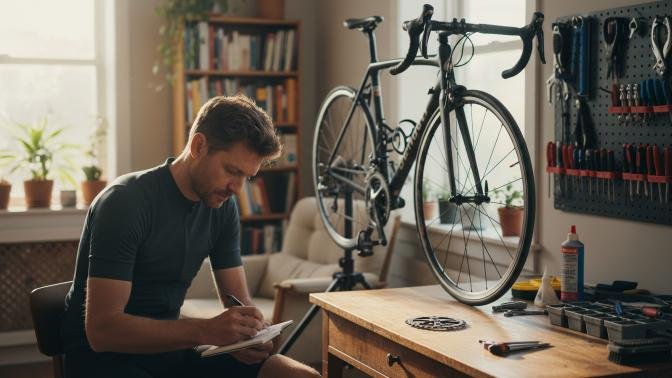
I keep a simple set of routines and checks that protect me on every ride. Small, regular actions—like quick tire checks and chain care—prevent most problems and save time later.
Establishing a Maintenance Routine
I schedule three basic checks: pre-ride, weekly, and monthly. Before every ride I glance at tire pressure, brake function, and quick-release skewers. That takes two minutes and stops many common failures.
Weekly I clean the chain, lubricate moving parts, and inspect brake pads for wear. I use a floor pump with a gauge to reach recommended tire pressure printed on the tire sidewall. Monthly I tighten bolts with a torque-specified wrench, true wheels if needed, and check cable housings for frays.
I keep a small tool kit at home and a compact multi-tool in my saddle bag. For more complex work, I follow guidance from Park Tool and check safety advice on the NHS cycling pages to learn correct techniques and safe torque values.
Recognizing Early Warning Signs
I watch and listen for specific signs that something needs fixing. Squeaks or grinding noises often mean the chain or bearings need cleaning and lubrication. A soft or squishy brake lever indicates pad wear or air in hydraulic lines.
I scan tires for cuts, embedded glass, or bulges before and after rides. Uneven tire wear or wobbling wheels can signal misalignment or worn spokes. If shifting becomes slow or slips under load, I adjust cable tension or check the derailleur hanger for alignment.
I log problems and fixes in a simple notebook or note app. This helps me spot repeating issues and decide when to visit a professional mechanic, such as for headset service or wheel truing.
Promoting Confidence and Enjoyment Through Maintenance
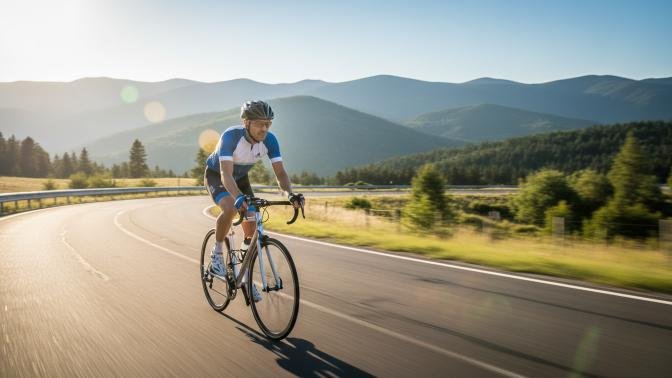
Regular checks and simple care build trust in my bike and make rides more fun. Small tasks—brake tests, tire pressure, chain lube—cut the chance of trouble and let me focus on riding.
Riding With Peace of Mind
I test my brakes and shift before every ride to feel safe on busy roads and steep descents. A firm lever pull, quick pad response, and no grinding sound tell me brakes are reliable. I check tire pressure with a gauge so I avoid flats and maintain good traction.
I inspect quick-releases, axle nuts, and headset tightness to prevent parts loosening on the road. If I spot a crack or heavy wear, I replace the part before riding. These steps reduce the risk of sudden failures and give me confidence on longer rides.
Improving Overall Cycling Experience
A clean, lubricated chain shifts smoothly and saves my energy on climbs. I clean the drivetrain and apply the right lube so gears change quietly and predictably. That makes pedaling feel easier and keeps my cadence steady.
Properly adjusted saddle height and well-inflated tires improve comfort and speed. I also tune derailleurs and true wheels to remove rubbing and wobble. Small adjustments like these make each ride smoother and let me enjoy riding without worrying about mechanical issues.
FAQs
How often should I check my bike for safety issues?
I inspect key items before every ride: brakes, tires, and quick releases. I do a fuller check—chain, gears, and bolts—every few weeks or after heavy use.
What simple checks keep me safe on every ride?
I look at tire pressure, brake function, and wheel tightness. A quick squeeze of the brakes and a short spin of each wheel usually reveals obvious problems.
Can I maintain safety with basic tools at home?
Yes. A pump, tire levers, a multi-tool, and chain lube handle most routine tasks. I save shop visits for complex repairs or if I’m unsure.
How does chain and drivetrain care affect safety?
A clean, lubricated chain shifts smoothly and reduces sudden slips. I clean and lube the drivetrain regularly to avoid gear failures that could cause crashes.
What if I find a problem I can’t fix?
I stop riding if brakes or steering feel unsafe. Then I get help from a bike shop or an experienced rider. Riding with a known defect raises crash risk.
Are regular services expensive?
Routine maintenance is usually low cost and prevents pricier repairs later. I schedule basic tune-ups yearly or based on mileage to keep costs down.
Conclusion
I keep bike safety simple: inspect, fix, ride. Small checks before each ride cut risk and build confidence.
Routine care prevents sudden failures like brake fade or chain breaks. That reduces crashes and keeps repair costs down.
I recommend a short pre-ride checklist: tires, brakes, chain, and quick releases. It takes minutes and gives big safety gains.
Learning basic repairs makes me self-reliant on the road. I can handle flats and minor adjustments without waiting for help.
I also schedule deeper maintenance at regular intervals. Professional tune-ups catch issues I might miss and extend the bike’s life.
Bold habits protect me and others. Safe bikes help make every ride smoother and more predictable.
