
You spot hazards before they become problems, make faster safe choices, and stay in control when traffic turns messy. Situational awareness keeps you alive and confident on two wheels by helping you predict what others might do and giving you time to act. You gain space, time, and better decisions when you constantly scan, think ahead, and stay tuned to your surroundings.
I’ll show simple ways to build that awareness so you react sooner, avoid common crash scenarios, and enjoy riding more. Start now and you’ll feel the difference in your confidence and safety on every ride.
Key Takeaways
- Build a habit of scanning and predicting to catch hazards early.
- Practice small skills to improve reaction time and decision-making.
- Strong situational awareness increases control and riding confidence.
Understanding Situational Awareness
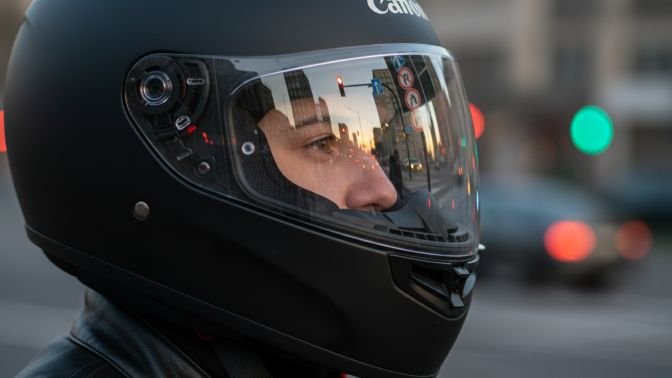
I focus on what I can see, what it likely means, and what I should do next. That approach helps me spot hazards, pick safe lines, and make better riding decisions.
Definition of Situational Awareness
I define situational awareness as three linked skills: noticing what’s around me, understanding what those cues mean, and predicting what will happen next. Noticing includes looking ahead, checking mirrors, and scanning roadside activity.
Understanding ties cues together. For example, brake lights plus a drifting lane position often means a driver is distracted or slowing suddenly. Predicting means forming a short plan — slow, change lane, or prepare to stop.
I keep these skills active rather than passive. I treat awareness as an ongoing task, not a single action.
Key Components of Situational Awareness
Perception: I gather data through vision and hearing. I scan 8–12 seconds ahead, check mirrors every 5–10 seconds, and monitor blind spots before lane changes.
Comprehension: I interpret that data. Is the car ahead slowing, or is the lane edge crumbling? I link signs like brake lights, wheel angle, and eye contact to judge intent.
Projection: I forecast outcomes and choose actions. I plan escape routes, set safe following gaps, and decide when to reduce speed.
Decision and action: I act on the plan quickly. I prioritize simple, clear moves: brake smoothly, move over, or signal. I repeat the cycle constantly.
How Situational Awareness Applies to Riders
I use these skills to manage motorcycle-specific risks: reduced stability, smaller size, and vulnerability in traffic. For example, I allow larger gaps when following trucks and avoid hard braking over gravel.
I adjust body position and lane placement for visibility and traction. When I see brake lights two cars ahead, I ease off throttle early and scan for open lanes.
I also account for weather, road surface, and other road users like cyclists and pedestrians. Awareness helps me choose speed, line, and timing to avoid surprises and react safely.
Enhancing Rider Safety
I focus on clear, practical steps that help riders spot danger, reduce crashes, and fix common mistakes. The next parts show how awareness cuts risks, helps you read the road, and stops predictable errors.
Reducing Accident Risks
I scan intersections, blind spots, and lane merges well before I reach them. That means checking mirrors every 5–8 seconds, glancing to each side, and noting vehicles’ brake lights and turn signals. I keep a defensive following gap—at least 2 seconds in town, 3–4 seconds on faster roads—to give myself room to stop or evade.
I wear high-visibility gear and use daytime running lights to make myself easier to see. I also plan escape paths: I pick lanes that give me a clear view and multiple options to move left or right. For more guidance on spacing and collision avoidance, I consult the Motorcycle Safety Foundation
Recognizing Potential Hazards
I break hazards into categories: moving (cars, bikes, pedestrians), static (parked cars, potholes), and environmental (wet roads, glare). I look for cues like tire movement at intersections, drivers’ head turns, or someone standing near a curb. These small signals often predict sudden moves.
When I approach complex scenes—construction zones, crowded intersections, or roundabouts—I slow and shift to a lane with better sightlines. I scan the road surface for oil, gravel, or lane paint that can reduce traction. If visibility is poor, I reduce speed and increase distance. For technical tips on hazard scanning, I reference trusted safety resources like NHTSA
Preventing Common Riding Mistakes
I avoid common errors like tailgating, riding in blind spots, and overbraking. I practice smooth throttle control and progressive braking to keep the bike stable. In turns, I check speed early and set my line before entering so I don’t need sudden corrections mid-corner.
I also manage fatigue and distractions: if I feel tired or my attention slips, I stop for a short break. I limit phone use and Bluetooth chimes while riding, and I preset navigation before I go. Routine maintenance—tires, brakes, and lights—prevents mechanical surprises that often lead to emergencies.
Improving Reaction Time
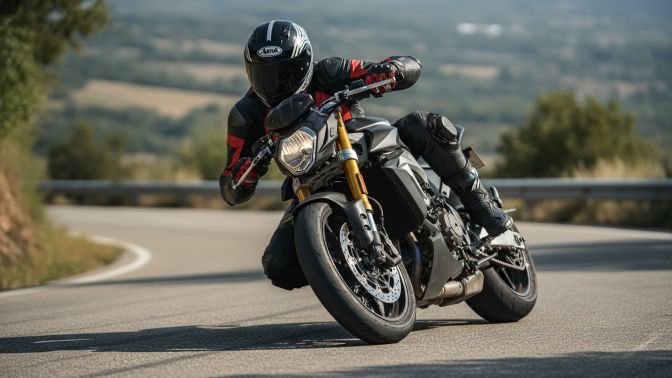
I focus on clear steps you can use to see hazards sooner and act faster. The two parts below cover spotting changes in the environment and handling sudden surprises.
Anticipating Environmental Changes
I scan the road ahead and look for early cues that a situation will change. I watch vehicle wheel positions, brake lights, and driver head movement for signs a car might turn or drift. I also check lane edges, sidewalk activity, and shadows that hide potholes or debris.
I use a scanning rhythm: near–mid–far, left–center–right, repeated every few seconds. This helps me notice speed changes and obstacles early. I position my bike to give space and an escape path when I spot risk, and I reduce speed smoothly to widen my reaction window.
Practical habits I follow:
- Keep a two-second following gap in town, three-plus at higher speeds.
- Scan mirrors every 5–8 seconds.
- Reduce pace before intersections, driveways, and parked cars.
Responding to Unexpected Events
When something happens suddenly, I act in a set order: assess, commit, and execute. I check my escape options quickly — left lane space, shoulder, or straight through — then choose the one with the least risk and act decisively. Hesitation wastes time.
I use small, controlled inputs: light braking, firm countersteer, and throttle modulation as needed. If braking, I favor progressive pressure and, on a bike with ABS, firm steady force. If swerving, I look through the turn to the gap I want and keep my body relaxed to let the bike respond.
Practice drills improve my reflexes:
- Emergency stop from typical riding speed.
- Low-speed obstacle avoidance in a safe area.
- Scanning and abrupt-avoidance scenarios with a coach or friend.
Decision-Making in Critical Moments
I pinpoint hazards fast, judge how urgent they are, and pick the safest action without wasting time. I rely on clear cues, simple rules, and practiced responses to act under pressure.
Assessing Surroundings Quickly
I scan the road in a pattern: mirrors, lane ahead, roadside, and blind spots. I note speed and direction of nearby vehicles, gaps in traffic, and surface changes like gravel or wet patches.
I use a three-second look ahead for immediate threats and a wider scan for potential problems up to 12 seconds away. I watch brake lights, tire movements, and riders’ head position to read intent.
I prioritize threats by immediacy and likely outcome. A car drifting lanes gets top priority; a distant merging vehicle gets lower priority. I keep a mental list: space, speed, escape path.
Choosing Safe Maneuvers
I pick the simplest maneuver that creates space and reduces collision risk. That usually means slowing smoothly, moving laterally, or accelerating briefly to clear a gap.
I follow a quick checklist: control throttle and brake, steer to the safest lane or shoulder, signal if time allows, and avoid sudden hard inputs that unsettle the bike. I favor small, controlled inputs over large, risky moves.
If braking is needed, I use progressive pressure and downshift as required. If steering out of danger, I check mirrors and blind spots, then commit to a steady arc to the chosen escape path.
Boosting Confidence and Control
I use clear steps and habits that sharpen what I notice and how I react so I ride with steady control and less doubt.
Increasing Rider Focus
I scan the road in a regular pattern: mirrors, gauges, near lane, far lane. This habit cuts down surprises and keeps me ready to act.
I limit distractions. I mute my phone, set GPS before I start, and keep music low so I hear engine and traffic cues.
I break long rides into focused chunks. Every 20–30 minutes I check posture, tire feel, and mirror sweep to reset my attention.
I use visual checkpoints to predict traffic: brake lights two cars ahead, a pedestrian’s head turn, or a gap in parked cars. These small signals tell me when to slow, change lane position, or prepare an escape path.
I practice breathing for short calmness checks. A few steady breaths reduce tunnel vision and help me spot hazards earlier.
Maintaining Composure Under Pressure
When something unexpected happens, I slow my inputs: smooth throttle, gentle brake, and calm steering. Sudden moves often make situations worse.
I rehearse emergency responses in low-risk places. Practicing hard stops and quick lane changes builds muscle memory so my hands and feet act without panicking.
I keep a mental checklist: assess speed, plan escape route, and control balance. I say those steps silently when a hazard appears to stay organized.
I trust my gear and training. Properly set suspension, tire pressure, and layered clothing reduce surprises and let me focus on control rather than fear.
After a tense moment, I pull over if needed. A short break lets me recover heart rate and thinking before I continue.
Practical Strategies to Develop Situational Awareness
I focus on clear, repeatable actions you can use while riding: where to look, how to judge risks fast, and which training or tech tools help most. These steps aim to make quick decisions safer and routine.
Effective Visual Scanning Techniques
I scan in layered steps: near, mid, and far. Near checks include lane markings, potholes, and bike lane users within 5–10 feet. Mid-range looks for cars, pedestrians, and intersections 10–50 feet ahead. Far scanning watches traffic flow and signal timing beyond 50 feet to spot hazards early.
I use short, steady glances rather than long stares. Quick head checks over my shoulder before lane changes catch blind spots. I also pick fixed reference points — signs or tree lines — to track relative speed and closing distance.
Use a scanning rhythm every 5–10 seconds and vary it by speed and traffic. Good visual scanning pairs with eye movement training exercises you can find at the National Highway Traffic Safety Administration (NHTSA) for drivers, which adapt well for riders:
Practicing Real-Time Assessment
I name and rank risks fast: identify the hazard, judge how likely it is to affect me, and pick one clear action. For example: “Car turning left (hazard), likely (probability), slow and shift right (action).” This keeps choices simple under pressure.
I practice this assessment on short rides. I call out hazards aloud or in my head: “Stopped van, door risk, slow.” Repeating this in low-risk settings builds reflexes for busier roads. I also use scenario drills like imagining sudden stops or merging traffic to test my chosen actions.
When possible, I ride with a coach or experienced rider who points out missed cues. This feedback speeds learning and helps me apply assessment rules under real conditions.
Utilizing Training and Technology
I take formal courses that teach scanning, braking, and positioning. A basic motorcycle safety course or advanced rider training gives structured practice and instant feedback. Many courses follow standards from organizations like the Motorcycle Safety Foundation (MSF)
I use simple tech to boost awareness. A tail-mounted camera or helmet mirror expands my view behind me. Tire pressure monitors and ABS systems reduce mechanical risk, while smartphone apps can log routes and note trouble spots for review.
I balance tech with skill. Devices inform me, but I still practice visual and assessment drills. I schedule regular skill refreshers and update gear to keep both my abilities and tools effective.
Long-Term Benefits for Riders
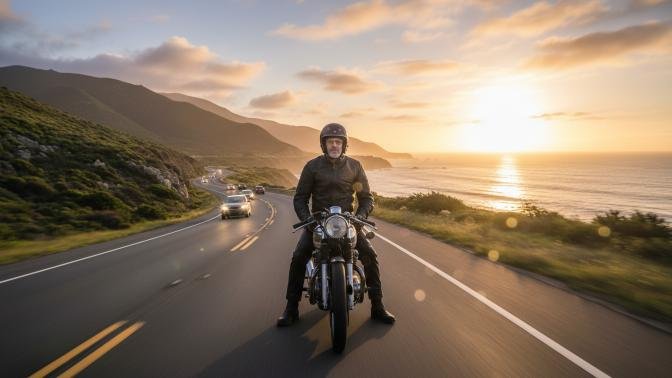
I expect situational awareness to improve measurable riding skills and change how I plan and react on the road. These changes lower my risk, make trips smoother, and build habits that last across different riding conditions.
Supporting Skill Development
I build better visual scanning by practicing where and how I look: mirror checks every 5–8 seconds, quick glances at roadside hazards, and scanning intersections before I enter them. This habit helps me spot braking cars, opening doors, and sudden lane changes earlier.
I strengthen decision-making through repetition. I rehearse choosing escape paths, adjusting speed for curves, and picking following distances. Over time those choices become automatic and faster.
I improve bike control with drills that match real hazards. Low-speed balance, emergency braking, and swerve practice reduce panic when I must act. Tracking these skills—distance kept, braking stops, reaction time—shows clear progress.
Encouraging a Proactive Mindset
I adopt a planning approach before every ride. I check traffic patterns, weather, and route hazards so I can avoid high-risk moves like lane-splitting in heavy traffic or tight turns on wet pavement.
I prioritize risk reduction in everyday choices. That means leaving earlier to avoid rushing, choosing routes with better visibility, and using visible gear to help other drivers see me. Small repeated choices lower cumulative exposure to danger.
I also share what I learn. Teaching riders or mentoring newcomers reinforces my habits and spreads safer practices, which helps reduce crash likelihood for the whole riding community.
FAQs
What is situational awareness for riders?
I see it as paying attention to the road, traffic, weather, and people around me. It means predicting what might happen next and planning my response.
How does it keep me safer?
Situational awareness gives me extra time to react. That time helps me avoid collisions, choose safer lanes, and slow down for hazards.
Can I improve it with practice?
Yes. I practice scanning far ahead, checking mirrors often, and scanning intersections before entering them. Repetition makes those habits automatic.
What should I look for on every ride?
I look for vehicles changing lanes, brake lights, pedestrians, road debris, and changing weather. I also watch for unusual behavior from other road users.
How do I stay mentally alert on long rides?
I take breaks, stay hydrated, and avoid riding tired. Short stops refresh my focus and keep my awareness sharp.
Are there tools that help?
Yes. Good mirrors, a clear helmet visor, and well-maintained lights help me see more. Training courses also teach scanning and hazard recognition.
What if someone else causes a hazard?
I assume others may make mistakes and give them space. I position my bike where I can see and be seen, and I prepare escape routes when possible.
Conclusion
I believe situational awareness is a rider’s most reliable tool for staying safe and making better decisions on the road. It helps me spot hazards early, judge risks, and adjust my speed and position before problems start.
Practicing awareness is simple and repeatable. I check my mirrors, scan the road ahead, and read other road users’ cues every time I ride. Small habits add up and reduce the chances of surprises.
Awareness also keeps riding more enjoyable. When I feel prepared and alert, I ride with more confidence and less stress. That makes it easier to focus on technique and the ride itself.
I recommend treating situational awareness like a muscle you can train. Build it with drills, reflective practice, and honest review of close calls. Over time, it becomes automatic and makes every ride safer.
