You feel the bike under you and know how fast things can change when attention slips. Avoiding distractions keeps you alive, protects others, and prevents costly legal and medical headaches. Stay focused and you keep control, react faster, and cut the chance of a crash.
I’ll show common distractions, how they harm your riding, and simple steps you can use right now to stay sharp on every ride. That way you ride smarter, ride safer, and spend more time enjoying the road.
Key Takeaways
- Keep full attention on riding to reduce crash risk.
- Remove or plan for distractions before you start your ride.
- Staying focused saves money, time, and long-term health.
Understanding Riding Distractions
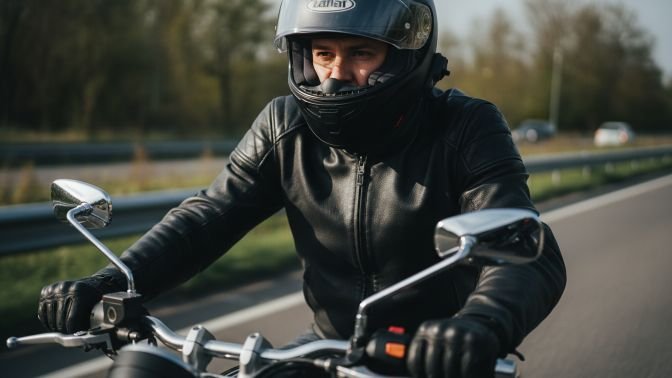
I explain what counts as a distraction on a bike, show common types you’ll face, and note how often riders get distracted and why that matters for safety.
Definition of Distractions While Riding
A distraction is anything that pulls my attention away from controlling the motorcycle or watching the road. That includes taking my eyes off the lane, lifting a hand from the controls, or letting my mind wander.
Distractions affect three things: visual (not looking at hazards), manual (not keeping hands on bars), and cognitive (not thinking about riding). All three can happen at once. Even a two-second glance at a phone can hide hazards I would otherwise see.
I treat distractions as immediate risks because they reduce reaction time and increase the chance of a crash. Small tasks like adjusting a mirror or checking a map count, especially in traffic or at higher speeds.
Types of Riding Distractions
I group distractions into five clear types:
- Visual: looking at a phone, scenery, or other riders instead of the road.
- Manual: reaching for a drink, radio knob, or GPS and taking hands off controls.
- Cognitive: daydreaming, deep conversation with a passenger, or stress that divides attention.
- Auditory: loud music or headset chatter that masks important sounds like horns or sirens.
- Environmental: roadside events, billboards, or animals that draw my focus.
Each type can combine. For example, texting is visual + manual + cognitive. That combination multiplies risk more than any single distraction. I prioritize eliminating multi-modal tasks first because they cause the biggest drop in performance.
Prevalence Among Riders
Distractions are common across rider skill levels. Experienced riders often underestimate them; I’ve seen seasoned riders glance at views or talk while riding and lose focus. Novice riders get distracted by gear checks or route finding more often.
Studies and safety reports show rider distraction contributes to many crash types, especially in urban settings where hazards appear quickly. Group rides add social distractions—talking or lane-sharing increases cognitive load.
I notice distracted riding spikes during long trips, poor weather, and when riders use phones for navigation. Recognizing these high-risk times helps me plan breaks and set rules like “no phone while riding” to reduce exposure.
Impact of Distractions on Rider Safety
I focus on how distractions slow my responses, raise crash chances, and shrink my scan of the road. These three effects hit the most critical skills a rider needs: control, timing, and awareness.
Reduced Reaction Time
When I take my eyes or hands off the controls, my ability to react drops immediately. A glance at a phone or a quick reach for a drink can add seconds to my brake or steering response. At 50 mph, a one-second delay means my bike travels about 73 feet before I even begin to brake.
Reduced reaction time affects braking, swerving, and throttle control. My hands need to be ready to pull the brake or close the throttle; any task that removes a hand slows those actions. Studies show riders who handle devices or other objects make more late or missed responses in traffic.
I keep critical controls in easy reach and use helmet- or handlebar-mounted systems set up before I ride. If I need directions, I stop or use voice navigation only; resources like the NHTSA provide guidance on safe use of in-vehicle tech and rider distractions . This lowers the chance that a split-second delay becomes a crash.
Increased Risk of Accidents
Distractions directly increase the likelihood of collisions with other vehicles, fixed objects, and road hazards. When I look away to read a message or adjust gear, I miss speed changes, brake lights, and lane shifts from cars nearby. That missed information often leads to rear-ends, side swipes, or running off the road.
Physical distractions like eating or holding objects reduce my balance and grip. Visual distractions make me miss potholes, debris, or animals crossing. Even brief distractions correlate with a higher rate of single-vehicle crashes among motorcyclists, according to road safety reports.
I reduce accident risk by stowing loose items, silencing notifications, and planning stops. For safety rules and statistics, I refer to motorcycle safety programs such as those from the Motorcycle Safety Foundation for practical steps and training.
Diminished Situational Awareness
Situational awareness means knowing what’s happening ahead, behind, and to the sides. When I become distracted, my mental model of traffic breaks down. I lose track of vehicle positions, road signs, and changing weather or light conditions.
This loss affects decision-making. I may change lanes without seeing a car in my blind spot or fail to slow for merging traffic. Auditory distractions, like loud music or phone calls, reduce my ability to hear horns and engine sounds that signal danger.
To keep my situational awareness sharp, I scan frequently, check mirrors every few seconds, and minimize cockpit clutter. Training and practice improve my scanning rhythm so I catch hazards earlier and make safer choices.
Common Causes of Rider Distraction
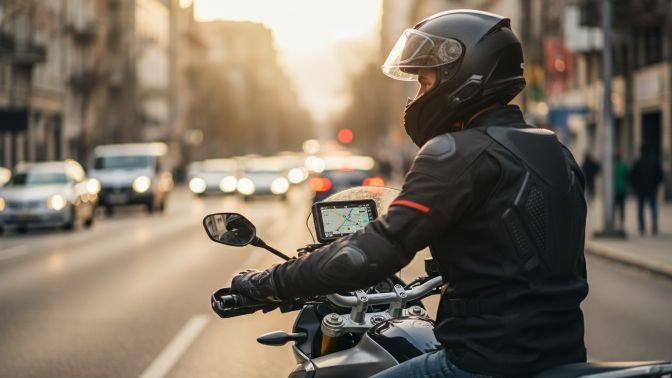
I see the main causes of distraction coming from devices, people on the bike, and things in the environment. Each source pulls attention away from riding and raises the chance of mistakes.
Mobile Devices and Electronic Gadgets
I treat phones and GPS as the biggest preventable risk. Texts, calls, and app notifications demand visual and cognitive attention. Even a quick glance to read a message shifts my eyes and mind off the road for several seconds, which at speed covers a long distance.
Hands-free systems reduce manual distraction but do not remove cognitive load. Touching a mounted screen, changing a route, or scrolling music still breaks my focus. I keep phones stowed and set navigation before I ride. If I need to change settings, I stop in a safe place rather than multitask on the move.
Wearables and helmet electronics can distract too. Voice prompts and incoming alerts can interrupt my concentration. I disable nonessential alerts and use simple, short audio instructions when I must use tech while riding.
Passenger Interactions
Passengers can be a helpful extra set of eyes — or a major distraction. Conversations that become heated or involve planning stops will draw my attention away from traffic. Even friendly chatter can lead to missed signals or delayed reactions.
Passengers who move suddenly or grab at the rider change the bike’s balance. I ask passengers to sit still, hold on properly, and avoid sudden shifts. I also brief them before we ride about how to behave and when to point out hazards.
When passengers use devices, drop items, or need help adjusting gear, those moments demand immediate attention. I pull over to address passenger needs rather than multitasking while riding.
Environmental Distractions
Roadside billboards, construction, and scenic views all compete for my attention. Bright signs or unexpected events like a crash scene can trigger a reflexive stare and slow my reaction to traffic changes.
Weather changes and wildlife crossing require quick focus shifts. Puddles, wind gusts, and glare force me to adjust posture and speed. I scan farther ahead and reduce speed in visually complex areas to give myself more time to respond.
Other road users create unpredictable distractions. Drivers on phones, cyclists weaving, or pedestrians stepping out make it essential I keep my focus on spacing and escape routes instead of lingering on any single stimulus.
Effects on Riding Performance
I focus on how distractions change the way a rider thinks and handles a motorcycle. Small lapses in attention can lead to big errors in judgement and loss of control.
Impaired Judgement
I notice my decision-making slows when something pulls my attention away from the road. When I glance at a phone or get lost in thought, I take longer to judge gaps in traffic, judge other vehicles’ speed, or choose when to change lanes. Those delays raise the chance I’ll misread a situation and make a risky move.
Distractions also narrow my mental focus. I miss peripheral cues like brake lights or a cyclist approaching from the side. That tunnel vision makes me rely on assumptions instead of real-time data, which increases collision risk.
Decreased Control of the Vehicle
Physical control drops quickly when I remove a hand, shift my posture, or turn my head to look at something else. Even brief hands-off time reduces my ability to steer, brake, or correct balance on uneven pavement.
Fine control suffers too. I sway more, brake harder than needed, and take wider turns when distracted. Those small control errors add up, especially at higher speeds or in traffic. I keep both hands on the bars and eyes on the roadway to maintain precise control.
Legal and Financial Consequences
I face real legal risks if I ride distracted. I can get traffic fines, points on my license, or even criminal charges if my distraction causes a serious crash. Laws vary by state, and novice riders often face stricter rules.
A distracted crash can lead to civil lawsuits. I might be sued for medical bills, lost wages, and pain and suffering if I injure someone or damage property. Insurance companies may fight claims or reduce payouts when distraction is proven.
My insurance costs can rise sharply after a distracted-driving incident. Multiple offenses can lead to higher premiums or policy cancellation. Insurers view distraction as a sign of higher risk.
I also risk out-of-pocket expenses. Deductibles, legal fees, and settlements can quickly add up. Vulnerable road users, like pedestrians and cyclists, increase the likelihood of larger claims and harsher penalties.
Key points to remember:
- Fines & points: Common immediate penalties.
- Criminal charges: Possible for severe or reckless cases.
- Civil liability: Victims can sue for damages.
- Insurance consequences: Higher premiums or cancellation.
I keep my focus because the legal and financial stakes are high. Avoiding distractions helps protect my wallet and my freedom.
Preventive Measures for Riders
I focus on clear, practical steps you can use to lower risk and keep control while riding. The advice covers how to keep your mind on the road and how to cut down on common in-helmet and on-bike distractions.
Maintaining Focus and Attention
I keep my attention sharp by planning rides and managing fatigue before I leave. I check weather, route, and rest stops, and I plan breaks every 60–90 minutes so my reaction time stays fast. If I feel tired, upset, or too excited, I stop and reset; emotional states reduce hazard detection.
I use visual scanning and mirror checks every 5–8 seconds to spot hazards early. I avoid multitasking—no texting, dialing, or fiddling with navigation while moving. When I need directions, I pull over or use a handlebar-mounted GPS set before I ride. For training, I recommend refresher courses from the Motorcycle Safety Foundation (MSF) to practice emergency braking and hazard avoidance.
Minimizing In-Cabin Distractions
I make my helmet and bike setup distraction-free. I choose a helmet with clear sound dampening and a visor that fits my sightline to reduce the urge to adjust it on the move. I pair a Bluetooth communicator only for essential calls and set it to voice-activated, with volume low enough to hear traffic.
I secure loose gear and stow snacks and cameras before starting. I set music playlists and phone to Do Not Disturb so no alerts interrupt me. Small habits matter: gloves on, visor down, mirrors adjusted at a stop. For maintenance and safety gear guidance, I refer to authoritative resources like NHTSA to ensure my equipment supports focus and control.
Long-Term Benefits of Focused Riding
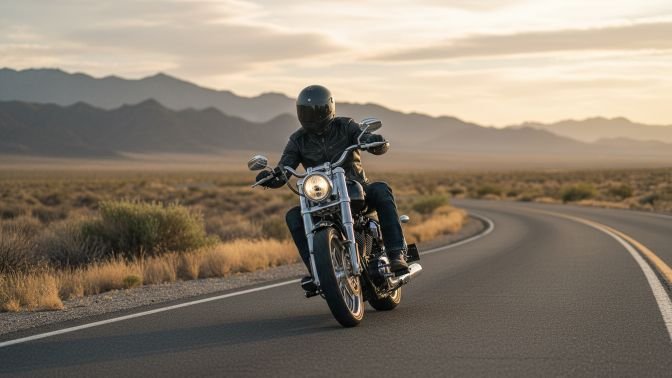
Focused riding reduces crash risk, saves money on repairs and insurance, and shortens reaction times in complex traffic. It also builds habits that make safe choices automatic and boosts my confidence when I face new roads or heavy traffic.
Building Safe Riding Habits
I train myself to do a pre-ride checklist every time: tire pressure, lights, mirrors, and helmet strap. Doing these tasks before I mount removes small distractions that often lead to stops or risky adjustments while moving.
I keep my phone out of reach and turn off nonessential notifications. That simple step prevents the urge to glance at messages and keeps my eyes on lane changes, potholes, and brake lights ahead.
I practice scanning patterns on familiar routes until they feel automatic. This habit shortens my visual sweep to a few seconds, so I spot hazards early and avoid last-second maneuvers that wear out tires and brakes.
Enhancing Rider Confidence
When I ride without distractions, my decision-making becomes faster and clearer. I react more decisively at intersections and during lane merges, which reduces near-misses and stress on busy roads.
I track small wins, like safely navigating heavy traffic or handling sudden stops. Those moments reinforce my skills and make me less likely to second-guess choices on future rides.
As my skills improve, maintenance costs drop because I avoid hard braking and collisions. That financial benefit, combined with the calm I feel on longer rides, makes focused riding a practical habit I want to keep.
FAQs
What counts as a distraction?
Anything that takes your eyes, hands, or mind off riding. That includes phones, eating, looking at scenery, or deep conversations with a passenger. I treat any non-riding activity as a risk.
Can I use a phone in a mount?
I avoid complex interaction while moving. A mounted device that shows simple navigation can help, but I only glance at it briefly and pull over for tasks like calling or typing. Both hands should stay on the bars whenever possible..
How do I reduce distractions before riding?
I set up my route, adjust gear, and handle calls before I start. I also use Do Not Disturb and tell passengers to limit chit-chat. Small steps cut the chance of an incident.
What if something distracts me unexpectedly?
I slow down and create space around me. I focus on steady throttle and smooth braking. If needed, I stop in a safe place to regain full attention.
Conclusion
I urge every rider to treat focus as a key safety tool. Distractions slow reaction time and reduce the chance to spot hazards. That raises the real risk of crashes and injury.
I rely on simple habits to stay focused: keep both hands on the bars, stop to use a phone, and plan rest breaks. These steps cut mental load and help me respond faster in traffic.
I value training and practice. Refreshing skills and rehearsing emergency stops improves control when something unexpected happens. Even small improvements in attention make rides safer.
I commit to being predictable for other road users. Clear signals, steady lane position, and steady speed reduce confusion. That protects me and the people around me.
Key actions I follow:
- Turn devices off or stow them before moving.
- Use rides that prioritize attention, such as quiet routes for learning.
- Take breaks to reset focus when tired.
I accept that no ride is worth an avoidable risk. By minimizing distractions, I ride with clearer judgment and safer habits.
