
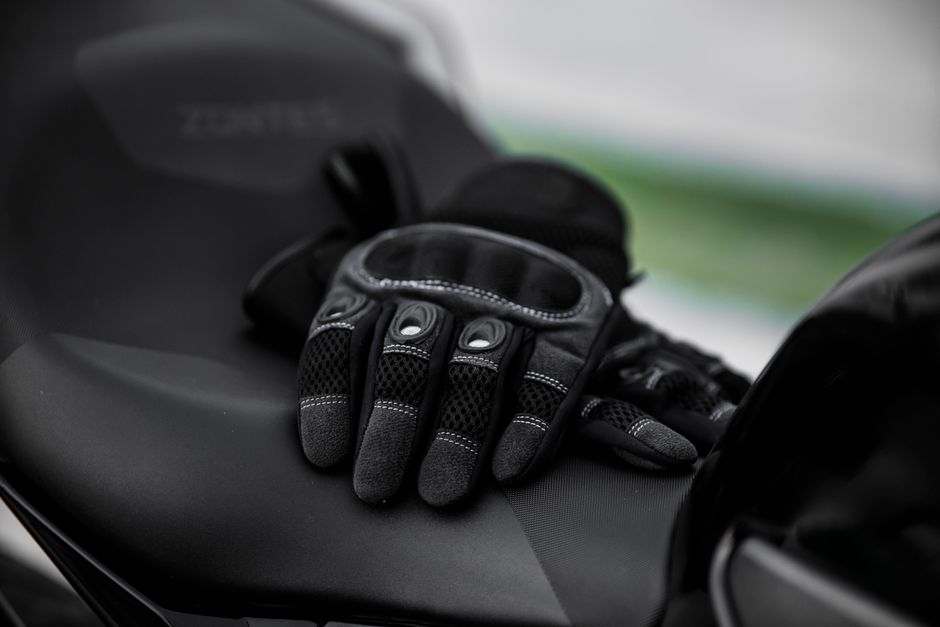
When preparing for a ride, safety gear is often prioritized for the operator, yet the passenger is equally susceptible to road hazards. Many riders frequently ask: should motorcycle passengers wear full fingered gloves? The answer is a resounding yes. In the event of an accident, the natural human instinct is to extend the hands to break a fall, making them one of the most vulnerable parts of the body. According to research from the National Highway Traffic Safety Administration, wearing proper protective equipment is the most effective way to minimize the severity of injuries during a crash.
The Role of Comprehensive Protection
Choosing to wear full-fingered gear is about more than just comfort; it is about mitigating the risk of motorcycle accident injuries. By covering the entire hand, passengers gain several immediate benefits:
- Abrasion Resistance: High-quality gloves act as a shield against road rash, which can cause permanent damage to skin and nerves.
- Impact Protection: Many modern gloves feature reinforced palm sliders and knuckle guards to absorb energy upon contact with the pavement.
- Environmental Shielding: Full coverage prevents small stones, debris, or insects from striking the fingers at high speeds, which can be distracting and painful.
For those looking to balance safety with ergonomics, exploring the best motorcycle gloves for comfort and protection can help passengers find a pair that ensures their hands stay secure without sacrificing mobility.
Why Coverage Matters
Beyond collision safety, full-fingered gloves offer significant advantages for long-term health and ride quality. As outlined by the Motorcycle Safety Foundation, riders and passengers alike face constant exposure to environmental stressors. Full-fingered gloves provide:
- Temperature Regulation: Protection against wind chill during early morning rides or cold-weather touring.
- Sun Protection: Prevention of long-term UV damage to the hands, which are often the most exposed skin surfaces on a bike.
- Enhanced Grip: Improved traction on grab rails or passenger handles, ensuring the passenger stays stable even when the bike accelerates or hits bumps.
Ultimately, deciding whether one should motorcycle passengers wear full fingered gloves comes down to recognizing that the road is an unforgiving environment. Providing full coverage for the hands is a fundamental step in ensuring a safer, more enjoyable journey for every passenger.
Key Takeaways
When considering motorcycle safety gear, the question of whether or not one should motorcycle passengers wear full fingered gloves is settled by prioritizing physical protection and long-term comfort. Passengers are just as susceptible to road hazards as riders, and having the right equipment is essential for every journey. According to the National Highway Traffic Safety Administration (NHTSA), utilizing proper protective gear significantly mitigates the severity of injuries during an accident.
Here are the essential points to keep in mind regarding passenger hand protection:
- Injury Prevention: In the event of a fall, the natural instinct is to put one’s hands out to break the impact. Full-fingered gloves act as a critical barrier against road rash and bone fractures.
- Environmental Shielding: They provide necessary defense against stinging insects, kicked-up gravel, and extreme weather conditions that can cause motorcycle passenger fatigue on longer rides.
- Enhanced Control and Grip: Wearing proper gear ensures the passenger maintains a firm, non-slip hold on grab handles or the rider, which is vital for stability. Explore top-rated gloves for biker comfort and protection to find options that balance dexterity with safety.
- Material Reliability: Leather remains the gold standard for abrasion resistance. Research from the Motorcycle Safety Foundation (MSF) emphasizes that high-quality materials are a key component in reducing the risk of traumatic injuries.
By understanding that one should motorcycle passengers wear full fingered gloves to ensure a safer ride, both the operator and the passenger can focus on the road ahead with greater peace of mind. Keeping these safety standards in mind helps manage motorcycle riding hazards and ensures that every trip remains an enjoyable experience.
The Anatomy of Hand Protection
When considering passenger safety, the question of should motorcycle passengers wear full fingered gloves is not just about preference; it is a fundamental aspect of risk mitigation. Hands are often the first point of impact during a fall, as the natural human instinct is to extend them to break a potential tumble. Providing a protective barrier between the skin and the asphalt is critical to preventing permanent damage. For riders looking for guidance on gear, exploring quality protective options for riders can provide a baseline for what effective safety equipment looks like.
Understanding Common Injury Risks
The primary danger when riding without adequate protection is the potential for severe friction burns and lacerations. According to research on motorcycle safety statistics, extremity injuries are among the most common results of low-to-mid-speed accidents.
- Soft Tissue Damage: Without gloves, pavement acts like a belt sander, stripping away layers of skin in milliseconds.
- Fractures and Dislocations: Full-fingered gloves often incorporate padded knuckles or rigid sliders that help dissipate kinetic energy away from fragile finger bones.
- Contamination Risks: Road grit and debris forced into open wounds significantly increase the risk of infection.
Why Exposed Fingers are Vulnerable
Exposed skin has no defense against high-speed impacts or friction. When asking should motorcycle passengers wear full fingered gloves, one must consider the delicate structural anatomy of the hand.
- Vulnerability of Distal Phalanges: The tips of the fingers are rich in nerve endings and lack the protective muscle padding found elsewhere in the body.
- Joint Exposure: Fingerless designs leave the joints fully exposed to impact, which can lead to life-altering ligament damage that affects hand dexterity for years after an accident.
- Environmental Trauma: Even at moderate speeds, a passenger’s hands are exposed to hazards that can cause flinching or loss of focus, which indirectly increases the risk of an incident.
For further reading on the physics of impact, the National Safety Council provides comprehensive reports on how protective equipment—from helmets to gloves—reduces the severity of traumatic injuries. By prioritizing full coverage, passengers effectively insulate their most valuable tools from the harsh realities of the open road.

Road Debris and Environmental Factors
When considering if someone should motorcycle passengers wear full fingered gloves, it is vital to look beyond just crash protection. The environment poses constant, smaller threats that can distract a rider or cause unnecessary physical discomfort during long hauls. Whether navigating dense urban traffic or cruising on an open highway, passengers are exposed to the elements and road hazards just as much as the operator. Equipping proper motorcycle hand protection is a simple step to ensure safety and comfort for every mile traveled.
Defending Against Flying Rocks and Insects
The open road is unpredictable, and passengers often bear the brunt of what gets kicked up by other vehicles. Full-fingered gloves act as a primary shield against:
- Road Debris: Small rocks, gravel, and tire chunks propelled at high speeds can strike the hands with enough force to cause bruising or lacerations.
- Pest Hazards: At highway speeds, an insect impact on an exposed knuckle is not merely a nuisance; it can cause a flinch reflex that disrupts the passenger’s stability on the bike.
- Skin Integrity: Protecting the skin from these minor high-velocity strikes prevents unnecessary injuries. According to the National Highway Traffic Safety Administration (NHTSA), maintaining focus and physical comfort is a critical component of overall rider and passenger safety.
Managing Cold Weather and Wind Fatigue
Environmental stressors like wind chill and low temperatures are significant factors for anyone riding on the back of a motorcycle. Even on a mild day, sustained wind exposure can sap warmth from the extremities, leading to decreased dexterity and reduced reaction times.
- Wind Chill Factor: Constant airflow against bare skin causes rapid heat loss. Full-fingered gloves provide essential thermal insulation.
- Preventing Fatigue: Cold, stiff hands struggle to maintain a secure grip on passenger grab handles or the rider’s waist. By keeping the hands warm, passengers can maintain a better, more relaxed grip for longer periods.
- Research Insights: Studies regarding hand-arm vibration and environmental exposure indicate that maintaining consistent blood flow and temperature in the hands is vital for avoiding numbness and long-term joint stiffness.
By mitigating these environmental factors, passengers can stay alert and comfortable, which is why experts agree that they should motorcycle passengers wear full fingered gloves regardless of the weather forecast.
Material Science: Leather vs. Synthetic
When considering whether should motorcycle passengers wear full fingered gloves, the choice of material is as critical as the coverage itself. Both leather and synthetic materials offer unique advantages, but they serve different priorities regarding safety and comfort. Understanding the engineering behind these fabrics helps riders make informed decisions about their gear for passenger comfort and protection.
Abrasion Resistance Capabilities
The primary function of any motorcycle glove is to protect the skin during a slide. According to research on motorcycle safety gear, the integrity of the material upon impact is the most significant factor in preventing road rash.
- Leather: Often considered the gold standard, high-quality cowhide or goatskin offers superior abrasion resistance. It naturally resists tearing and remains intact under the high-friction heat generated by asphalt contact.
- Synthetics: Modern materials, such as Cordura or proprietary aramid fibers, are engineered to mimic or exceed the strength of leather. They are highly effective for riders who prefer lightweight protection that doesn’t compromise on durability.
Breathability and Comfort Features
Comfort is essential for passengers, as a comfortable passenger is less likely to fidget and shift their weight unexpectedly. The National Highway Traffic Safety Administration (NHTSA) emphasizes that rider awareness can be impacted by physical discomfort, which is why choosing the right material is vital.
- Leather’s Natural Performance: Premium leather provides excellent tactile feedback and naturally conforms to the hand over time. However, it can become warm in summer unless it features perforated panels for airflow.
- Synthetic Innovation: Synthetic gloves often excel in breathability. Many are constructed with mesh inserts or moisture-wicking liners, making them ideal for long-distance touring in hot climates.
- The Hybrid Approach: Many top-tier manufacturers now combine leather palms (for abrasion protection) with synthetic mesh backs (for cooling), providing the best of both worlds for those questioning if should motorcycle passengers wear full fingered gloves that remain breathable.

Comfort and Grip for the Passenger
When considering rider safety and comfort, many enthusiasts ask, should motorcycle passengers wear full fingered gloves? Beyond basic impact protection, the right pair of gloves significantly enhances the overall riding experience. A secure, comfortable passenger is less likely to fidget, which helps maintain the bike’s center of gravity during corners and sudden stops. Properly fitted biker gloves for enhanced comfort and protection act as a vital interface between the passenger and the motorcycle’s hardware.
Maintaining a Secure Hold
The passenger’s ability to maintain a firm grip on grab rails or the rider’s waist is essential for stability. Full-fingered gloves offer several advantages for this purpose:
- Traction Control: High-quality gloves often feature silicone palm prints or textured leather that provide superior motorcycle grip compared to bare skin, which can become slick with sweat.
- Tactile Feedback: A well-fitted glove allows the passenger to maintain a secure hold without needing to squeeze excessively, reducing hand strain over long distances.
- Confidence Boost: When a passenger feels physically connected to the bike through high-friction materials, they are less prone to sudden shifts in weight, which improves the overall handling for the operator.
According to guidelines from the National Highway Traffic Safety Administration (NHTSA), passengers should remain alert and follow the movements of the motorcycle, a task made significantly easier when they have the right equipment to maintain a stable position.
Reducing Vibration-Induced Fatigue
Motorcycles naturally produce high-frequency vibrations that can travel through the frame to the passenger’s contact points. Prolonged exposure to this vibration can lead to discomfort or even temporary numbness.
- Shock Absorption: Many full-fingered gloves include gel or foam padding in the palm area. This acts as a barrier, dampening the vibration before it reaches the nerves in the hand.
- Extended Endurance: By mitigating the effects of road buzz, these gloves allow passengers to enjoy longer trips without the fatigue commonly associated with motorcycle ride comfort.
- Weather Protection: Cold air and wind-chill often accelerate muscle fatigue; full-fingered coverage keeps the hands warm, ensuring that the passenger maintains the dexterity required to react quickly if the bike’s stability shifts.
Choosing gloves that provide adequate padding is a proactive step in ensuring that the passenger remains comfortable, focused, and stable throughout the entire duration of the ride.
Choosing the Right Fit and Style
When determining if one should motorcycle passengers wear full fingered gloves, the priority must always be a balance between safety and comfort. Gear that does not fit correctly can become a distraction, hindering the passenger’s ability to hold on securely or signaling to the rider. A well-fitted glove should feel like a second skin, providing maximum tactile feedback without restricting movement. Riders looking for the best gloves for men for biker comfort and protection should prioritize options that offer reinforced palm sliders and double stitching to ensure longevity.
Measuring for Proper Dexterity
To achieve the perfect fit, passengers should follow standard sizing guides provided by reputable manufacturers. According to guidelines from the Motorcycle Safety Foundation, properly fitted equipment is essential for maintaining control and focus.
- Circumference Measurement: Measure the hand around the fullest part of the palm, excluding the thumb.
- Length Measurement: Measure from the tip of the middle finger to the base of the palm.
- The “Clench” Test: After putting on the gloves, the passenger should make a fist. If the material feels tight across the knuckles or restricts blood flow, the size is likely too small.
- Finger Tip Clearance: There should be approximately 1/8th of an inch of space at the end of the fingers to prevent nail pressure during long rides.
Ensuring the proper dexterity level allows the passenger to operate helmet straps or manage their gear effectively without needing to remove their protection at every stop.
Seasonal Considerations for Gear
The climate dictates which style of glove is most appropriate for the passenger. For those wondering if they should motorcycle passengers wear full fingered gloves during peak summer, the answer remains a firm “yes,” though the material choice should shift toward breathability.
- Summer/Hot Weather: Look for gloves with perforated leather or textile mesh panels. These allow for airflow while maintaining abrasion resistance.
- Spring/Fall: Mid-weight leather gloves provide a barrier against the chill and wind-induced fatigue that often affects the hands during highway speeds.
- Winter: Insulated, waterproof, and windproof gloves are mandatory to prevent numbness, which is a major safety concern according to studies on thermal comfort in motorcycling.
By adjusting the seasonal gear selection, passengers ensure their comfort level remains high regardless of the environmental conditions, further proving that full-fingered protection is a non-negotiable aspect of responsible riding.

Frequently Asked Questions
Safety on the open road is the primary concern for any rider and their companion. When considering the necessity of high-quality gear, many ask if should motorcycle passengers wear full fingered gloves to ensure maximum protection. Below are answers to common inquiries regarding passenger safety and the essential role of hand protection in motorcycling.
Are fingerless gloves ever appropriate for passengers?
In short, no. While some riders prefer the aesthetic of fingerless gloves, they offer almost zero protection to the digits in the event of an accident.
- Skin Protection: According to the National Highway Traffic Safety Administration (NHTSA), road rash is one of the most common injuries, and exposed fingers are highly susceptible to friction damage during a slide.
- Safety Priority: Passengers are just as vulnerable as operators; therefore, they should always opt for full coverage.
- Resource: For those looking for the best gloves for men’s biker comfort and protection, opting for full-fingered options is the standard for safety-conscious individuals.
Do gloves help with bike vibration?
Yes, they serve as a critical barrier between the passenger’s hands and the machine.
- Reducing Fatigue: Constant micro-vibrations from the frame or passenger grab handles can lead to nerve numbness and hand fatigue over long distances.
- Padded Palms: Many modern gloves feature gel or memory foam inserts in the palm, which are designed to dampen these high-frequency vibrations.
- Control: By minimizing discomfort, the passenger can maintain a more stable and secure hold on the bike, which is essential for proper motorcycle safety gear integration. Research into human vibration exposure highlights the importance of damping materials to protect long-term joint health.
How often should motorcycle gloves be replaced?
Gloves are not meant to last forever, and their effectiveness degrades over time. Industry experts generally recommend replacing them under the following circumstances:
- After an Incident: If the gloves have been involved in a slide or impact, the structural integrity of the stitching and material is compromised. Even if they look intact, internal fibers may be weakened.
- Visible Wear: Look for thinning material in high-friction areas (palms and fingertips) or failing seams.
- Loss of Fit: If the leather has stretched significantly or the synthetic materials have hardened, they no longer provide the secure fit required for protection.
- Environmental Degradation: Constant exposure to UV light and rain can break down high-quality leathers, making regular inspections vital.
When you wonder if should motorcycle passengers wear full fingered gloves, consider that worn-out gear provides a false sense of security; replacing them ensures that the passenger remains protected by reliable protective riding equipment.
Conclusion: Why should motorcycle passengers wear full fingered gloves
When evaluating the safety protocols for two-up riding, the answer to whether one should motorcycle passengers wear full fingered gloves is an emphatic yes. Equipping oneself with proper hand protection is not merely a suggestion for comfort; it is a critical component of defensive riding. Because hands are the first point of contact during an unexpected incident, providing them with full coverage is the most effective way to mitigate the risk of road rash and severe abrasions.
The Bottom Line on Passenger Safety
The evidence supporting the use of protective gear is clear. According to the National Highway Traffic Safety Administration (NHTSA), utilizing appropriate personal protective equipment significantly improves outcomes in the event of a crash. When considering should motorcycle passengers wear full fingered gloves, riders should keep the following benefits in mind:
- Impact Protection: Full-fingered gear often includes reinforced palm sliders and knuckle armor that fingerless options lack.
- Environmental Defense: They provide a barrier against debris, extreme temperatures, and stinging insects that could cause a passenger to flinch, potentially affecting the rider’s balance.
- Consistent Grip: High-quality gloves provide superior tactile feedback, which is essential for holding on securely during acceleration or maneuvers.
Prioritizing Protection on Every Ride
Ultimately, the decision to prioritize safety gear impacts the overall enjoyment of the journey. For those looking to invest in quality equipment, researching the best motorcycle gloves for comfort and protection ensures that the passenger remains secure without sacrificing control.
For further reading on how gear affects rider and passenger well-being, the Motorcycle Safety Foundation (MSF) provides extensive resources on why full coverage is considered the industry standard. By choosing to wear full-fingered gloves, passengers take a proactive step in ensuring they return from every trip as safely as they started.
Summary Checklist for Passengers:
- Check Fitment: Ensure the gloves are snug but allow for full hand movement.
- Verify Material: Look for leather or abrasion-resistant synthetics for maximum durability.
- Consistency: Make wearing gloves a non-negotiable habit for every ride, regardless of distance.