
When preparing for a ride, selecting the right gear is as critical as checking the bike’s tire pressure. Determining which gloves are best for riding a motorcycle involves balancing high-impact protection with the tactile sensitivity required to operate a clutch and throttle effectively. Because hands are often the first point of contact during an unplanned descent, riders must prioritize safety standards established by organizations like the National Highway Traffic Safety Administration.
Choosing the right pair requires evaluating three core pillars:
- Material Integrity: The difference between abrasion-resistant leathers and specialized synthetic textiles.
- Environmental Adaptation: Ensuring the gear provides adequate motorcycle hand protection regardless of whether a rider is navigating a humid heatwave or a cold mountain pass.
- Ergonomic Functionality: How well the glove maintains dexterity over long distances.
Riders seeking a balance of form and function can explore various top-rated gear recommendations to see how different designs address specific road hazards. According to research on impact injury prevention, proper glove coverage significantly reduces the severity of abrasions and fractures.
To find which gloves are best for riding a motorcycle, users should consider these vital factors:
- Usage Context: Daily commuters require different features than track-day enthusiasts.
- Weather Tolerance: Breathability versus thermal insulation.
- Armor Placement: The importance of reinforced sliders on the palms and knuckles.
Ultimately, the goal is to secure a pair that fits like a second skin, offering peace of mind through certified protection without compromising the rider’s ability to communicate with their machine.
Key Takeaways
When determining which gloves are best for riding a motorcycle, riders must prioritize the balance between mechanical protection, climate adaptability, and ergonomic comfort. Choosing the right pair is not merely about aesthetic preference but is a critical component of personal safety, as emphasized by research on motorcycle safety equipment provided by the National Highway Traffic Safety Administration. Selecting gear that meets specific safety certifications ensures that riders are prepared for diverse road conditions.
- Prioritize Safety Standards: Always check for CE-certified ratings to ensure the gloves have undergone rigorous impact and abrasion testing.
- Material Selection Matters: Full-grain leather offers superior slide protection, while advanced synthetic textiles provide breathability for daily commuting.
- Fit is Non-Negotiable: A glove must feel like a second skin; if it is too loose, the armor will shift during an accident, rendering it ineffective.
- Climate Optimization: Riders should maintain a seasonal rotation, utilizing perforated leather or mesh for summer heat and waterproof, insulated gear for winter.
- Dexterity and Control: The best gloves allow for full range of motion, ensuring that brake and throttle inputs remain intuitive and responsive.
For those looking to evaluate specific models, reviewing a curated list of the best biker gloves for comfort and protection can help narrow down the vast market options. Furthermore, understanding the importance of protective clothing in reducing injury severity is vital for every operator.
By focusing on these core elements, riders can make an informed decision on which gloves are best for riding a motorcycle that aligns with their specific riding style and local environmental needs.
Understanding Material Durability
When evaluating which gloves are best for riding a motorcycle, durability serves as the primary indicator of how well gear will perform during an unexpected slide. Riders must prioritize materials capable of resisting abrasion and heat, as these factors determine the difference between minor scrapes and severe injuries. According to the National Highway Traffic Safety Administration, choosing appropriate protective equipment is vital for minimizing road rash, which is why understanding the structural integrity of glove materials is essential for every motorcyclist. Selecting the right pair involves balancing high-impact resilience with long-term wearability. For those currently exploring the market, reviewing a guide on the best gloves for men’s biker comfort and protection can provide further clarity.
The Benefits of Full-Grain Leather
Full-grain leather remains the gold standard in motorcycling due to its exceptional abrasion resistance and natural ability to conform to the rider’s hand over time.
- Longevity: It is incredibly tough and resists tearing significantly better than split-grain or faux alternatives.
- Safety Profile: During a slide, full-grain leather generates less friction-induced heat, protecting the skin beneath.
- Aging: Unlike synthetic materials, high-quality leather develops a patina and fits more comfortably as the fibers adapt to the rider’s grip.
Industry experts often refer to the ASTM International standards for testing leather performance, noting that its fibrous structure allows it to withstand high-speed contact with asphalt better than almost any other common material.
Synthetic Fabrics and Textile Options
While leather is traditional, modern advancements have made synthetic fabrics a top-tier choice for riders seeking versatility. These materials often incorporate advanced textile technology to provide high-performance protection without the weight of heavy hides.
- Cordura and Kevlar: Many premium gloves utilize these high-denier fabrics in high-impact zones to prevent shredding upon contact with the road.
- Climate Adaptation: Synthetics are often more effective at integrating waterproof membranes (like GORE-TEX) or moisture-wicking liners.
- Flexibility: Textiles allow for a higher range of motion, which is ideal for riders who prioritize dexterity when manipulating controls in diverse weather conditions.
Choosing between leather and advanced textiles often depends on the specific riding environment, but both options provide robust protection if they meet recognized safety certifications.
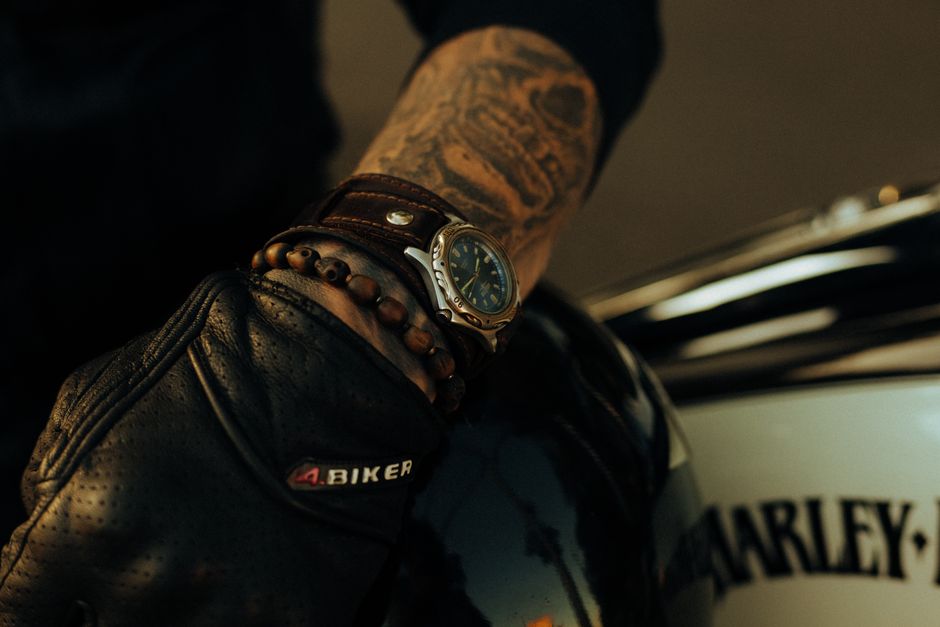
Safety Features and Armor
When determining which gloves are best for riding a motorcycle, safety must remain the absolute priority. Because the hands are the first point of impact in almost every accident, high-quality gear incorporates specialized armor designed to mitigate abrasion and fracture risks. Riders should look for gear that balances heavy-duty construction with enough flexibility to maintain total control of the bike. For those looking for top-tier protective standards, researching high-quality motorcycle glove features is essential before making a purchase.
Knuckle Protection and Palm Sliders
Modern protective gear utilizes advanced materials to guard against high-speed impacts. When analyzing which gloves are best for riding a motorcycle, consider these critical components:
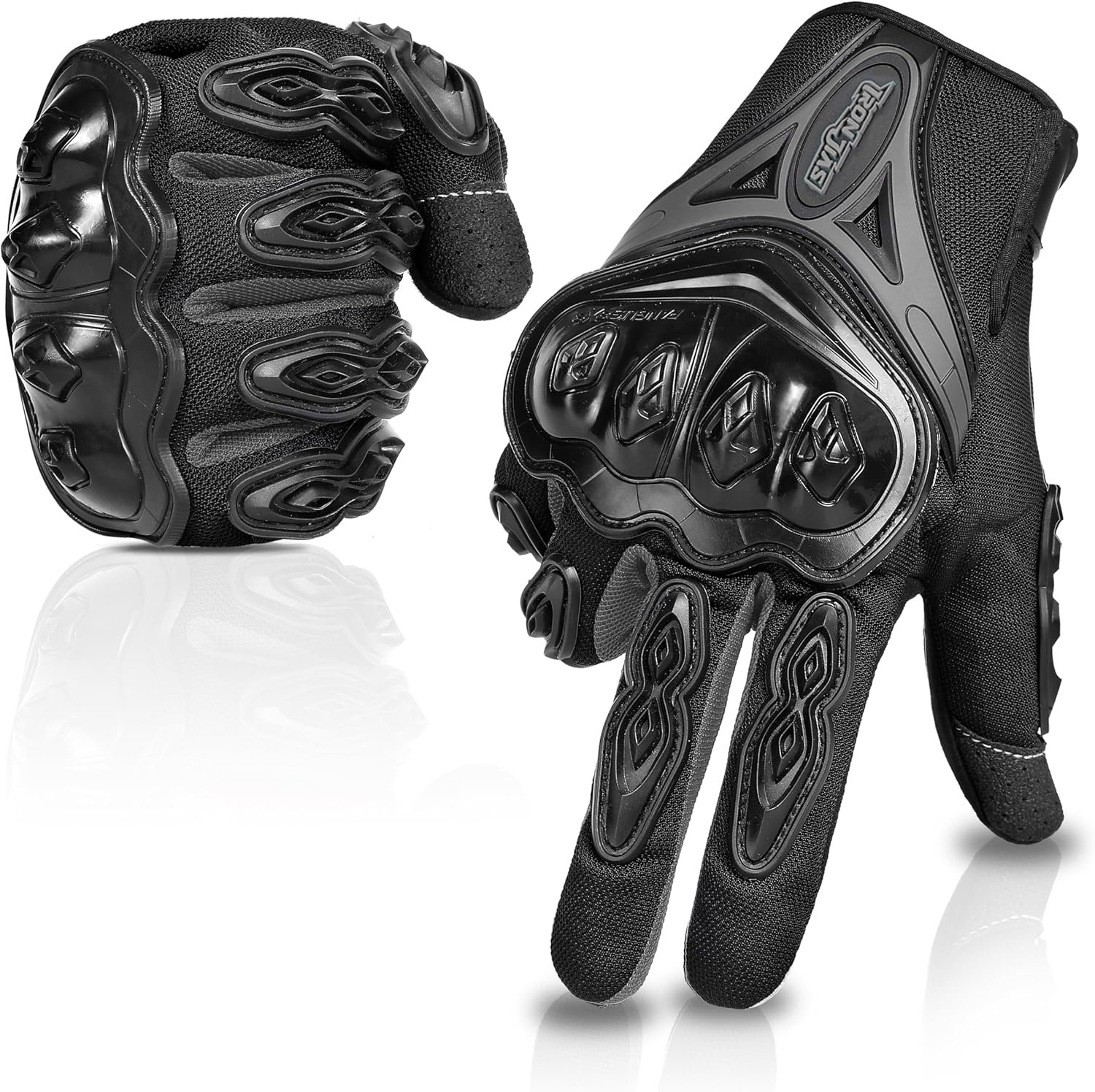
- Knuckle Guards: These are typically constructed from carbon fiber, TPU, or hard-shell polymers. They shield the delicate metacarpal bones from blunt force trauma.
- Palm Sliders: Often found on the heel of the hand, these hard inserts allow the glove to slide across the pavement during a crash rather than gripping it. This prevents the “grab” effect that can lead to wrist and arm fractures.
- Reinforced Seams: Exposed stitching is a weak point. High-end gloves use internal, double-stitched, or reinforced seams to ensure the material does not burst open upon sliding.
According to data on road safety and injury prevention, impact-absorbing materials like D3O or SAS-TEC are highly recommended because they remain soft during normal use but harden instantly upon impact.
CE-Certified Ratings Explained
To remove the guesswork from safety, the European Union has established the CE-certification standard, which has become the global benchmark for motorcycle protective equipment. If you are wondering which gloves are best for riding a motorcycle, checking the internal label for this rating is the most reliable way to verify quality.
The two main standards applied to gloves are:
- EN 13594:2015 (Level 1): Provides basic protection suitable for urban commuting. It balances ergonomics with moderate impact and abrasion resistance.
- EN 13594:2015 (Level 2): Offers a higher tier of protection, featuring more stringent testing for impact energy absorption and material abrasion. This level is highly recommended for highway touring and performance track riding.
By adhering to these international safety standards, manufacturers ensure that their gear provides a measurable level of security for the rider, confirming that their equipment can withstand the rigors of the road.
Seasonal Suitability for US Riders
When determining which gloves are best for riding a motorcycle, climate plays a defining role in gear selection. Because weather conditions vary significantly across the United States—from the arid heat of the Southwest to the biting winters of the Northeast—riders must adapt their equipment to maintain both safety and comfort. Selecting gear that provides proper thermal regulation is essential to keeping hands focused on the controls rather than the elements. For a detailed breakdown of top-tier options, check out this guide on the best gloves for biker comfort and protection.
Breathable Mesh for Summer Riding
During the height of a US summer, airflow is the priority. Mesh gloves are engineered to prevent heat exhaustion while offering necessary abrasion resistance.
- High-Flow Construction: These gloves utilize high-tensile mesh panels that allow constant air circulation.
- Safety Standards: Look for options that integrate hard knuckle guards, as the National Highway Traffic Safety Administration emphasizes the importance of protective gear even in warm weather.
- Palm Reinforcement: While the back of the hand is breathable, the palm area should still feature leather or synthetic suede to ensure grip stability.
Insulated and Waterproof Winter Gear
Winter riding requires a transition to materials that provide moisture management and heat retention. Riders must balance bulk with the tactile sensitivity required for clutch and brake control.
- Insulation Types: Primaloft or Thinsulate liners are common, providing warmth without excessive volume.
- Weatherproofing: A dedicated waterproof membrane, such as Gore-Tex, is vital to prevent rain and wind chill from penetrating the glove.
- Extended Cuffs: Winter gloves should feature gauntlet-style, extended cuffs that seal tightly over the jacket sleeve. This prevents cold air from “tunneling” up the arm, a crucial factor for cold-weather safety as discussed in motorcycle safety research studies.
Pro-Tip: Always ensure winter gloves allow for adequate movement; if the insulation is too thick, it may interfere with the rider’s ability to operate the throttle safely.

Proper Fit and Comfort Considerations
When determining which gloves are best for riding a motorcycle, fit is arguably the most critical factor for both safety and performance. A glove that is too loose can bunch up and interfere with throttle control, while a glove that is too tight can restrict blood flow and lead to hand fatigue on long journeys. Riders should prioritize gear that offers a snug, “second-skin” feel without creating pressure points. For those seeking top-rated gear for comfort and protection, understanding how to properly size these accessories is essential for maintaining control on the road.
Measuring for the Perfect Fit
Achieving the right fit begins with accurate measurements. Most manufacturers provide specific size charts that require two primary measurements:
- Circumference: Measure the widest part of the dominant hand, just below the knuckles, excluding the thumb.
- Length: Measure from the tip of the middle finger down to the base of the palm where it meets the wrist.
It is highly recommended to consult resources like the Motorcycle Safety Foundation to understand how protective gear should integrate with other safety equipment.
Pro-tips for fitting:
- Check for finger room: Ensure there is about 1/4 inch of space at the fingertips to prevent cramping.
- Test the wrist closure: The strap should secure the glove firmly to the hand so it cannot be pulled off during a slide.
- Account for break-in: Leather will stretch slightly over time, so a new pair should feel snug but not restrictive.
The Importance of Dexterity and Grip
Superior dexterity and grip are non-negotiable for safe operation. A rider must be able to manipulate clutch and brake levers with precision and operate handlebar switches without hesitation. Gloves that lack ergonomic design or proper palm reinforcement can hinder these micro-movements, increasing the risk of accidents.
According to research found on PubMed, proper ergonomic equipment design is vital in reducing repetitive stress and maintaining reaction times. When evaluating which gloves are best for riding a motorcycle, consider the following indicators of high-quality construction:
- Pre-curved fingers: This design mimics the natural resting position of the hand on the grips, reducing the amount of effort required to hold the handlebars.
- Accordion panels: Stretch zones located at the knuckles and fingers allow for maximum flexion without the material pulling tight against the skin.
- Palm construction: Look for reinforced palm patches that provide a tactile feel of the grips while offering high abrasion resistance.
Prioritizing these comfort features ensures that the rider remains focused on the road rather than distracted by ill-fitting or cumbersome gear.
Choosing Based on Riding Style
Determining which gloves are best for riding a motorcycle depends heavily on how the rider spends their time on the road. Different environments demand specific levels of protection, weather resistance, and ergonomic features. Because safety is paramount, riders should consult resources like the National Highway Traffic Safety Administration for guidelines on protective equipment standards to ensure their gear meets necessary requirements.
Street and Commuter Gloves
For the urban commuter or the weekend rider navigating city streets, convenience and comfort are prioritized alongside safety. These gloves are designed to handle stop-and-go traffic while providing enough protection for potential low-speed slides.
- Design Focus: Often features a shorter cuff that slides easily under a jacket sleeve.
- Materials: A blend of leather palms for abrasion resistance and textile backs for breathability.
- Convenience: Many modern options include biker comfort features and protective elements such as conductive fingertips for GPS use.
- Versatility: These are ideal for riders who need a balance between tactile feedback and protection during daily travel.
Performance Track and Touring Styles
Riders who frequent high-speed environments or long-distance touring require more specialized gear. When deciding which gloves are best for riding a motorcycle in these contexts, professionals often look for maximum coverage and high-impact mitigation.
- Gauntlet Cuffs: These extend well past the wrist to ensure a secure overlap with the motorcycle jacket, preventing skin exposure during an accident.
- Advanced Armor: High-performance gloves utilize materials like titanium or carbon fiber inserts to minimize kinetic energy transfer during a crash, which is a critical aspect of motorcycle safety gear engineering.
- Ergonomics: Touring gloves are crafted with pre-curved fingers to reduce hand fatigue during long hours in the saddle.
- Rigid Construction: Performance track gloves often feature “bridge” structures that connect the pinky and ring finger to prevent digit rotation during high-speed slides, a feature supported by biomechanical research into motorcycle injury prevention.
By selecting gloves that align with specific riding habits, enthusiasts ensure they have the optimal equipment for their unique needs, keeping both control and safety in perfect harmony.

Essential Maintenance for Longevity
Investing in high-quality gear is only the first step toward rider safety. To ensure your investment lasts through many seasons of riding, proper care is non-negotiable. Whether you are wondering which gloves are best for riding a motorcycle for long-distance touring or daily city commuting, maintaining the integrity of the materials is vital for both comfort and protection. Following established motorcycle safety gear maintenance protocols will ensure your equipment remains in top condition for the long haul. For those still exploring their options, checking out the best gloves for men regarding comfort and protection can provide a benchmark for quality expectations.
Cleaning Leather vs. Textile Gloves
Different materials require specific cleaning methods to prevent degradation. Neglecting maintenance can cause leather to crack or textiles to lose their water-repellency.
- Leather Care:
- Wipe away surface dirt with a soft, damp cloth after every ride.
- Use a dedicated leather cleaner; avoid harsh soaps that strip natural oils.
- Apply a leather conditioner periodically to keep the material supple and prevent it from becoming brittle.
- Allow them to air dry naturally away from direct heat sources like radiators, which can cause the hide to shrink or harden.
- Textile and Synthetic Care:
- Most modern textiles can be hand-washed with mild detergent and lukewarm water.
- Rinse thoroughly to remove soap residue, which can inhibit airflow.
- Ensure all CE-certified armor is removed before washing if the manufacturer allows it.
- Consult official gear manufacturer guides or standards from agencies like the National Highway Traffic Safety Administration regarding specific material interactions.
Storing Gear to Prevent Wear
How a rider stores their gloves during the off-season or between rides is just as important as how they are cleaned. Improper storage can lead to mold, mildew, and loss of shape.
- Avoid Damp Environments: Never store gloves in a sealed plastic bag or a damp garage. Moisture leads to mold, which degrades both stitching and liner fabrics.
- Use Proper Shape Retention: Store gloves in a cool, dry place. If they become wet from rain, stuff them lightly with newspaper or paper towels to maintain their shape while they dry.
- Prevent UV Damage: Do not leave gloves sitting on the dashboard or in direct sunlight for extended periods. Prolonged exposure to UV radiation causes materials to fade and compromises the tensile strength of the protective fabrics.
- Hang Them Up: Use a gear hanger to keep gloves open, allowing air to circulate through the interior of the glove. This prevents the accumulation of sweat and bacteria, which can cause odors and break down interior linings over time.
By dedicating a small amount of time to these habits, riders ensure their gear remains as reliable as the day they bought it. Remember, consistent care is the hallmark of a seasoned rider who understands exactly which gloves are best for riding a motorcycle and how to make them endure the rigors of the road.
Top Rated Brands to Consider
When evaluating which gloves are best for riding a motorcycle, riders often find that brand reputation serves as a reliable proxy for safety and durability. Selecting a manufacturer with a proven track record ensures that the protective gear has undergone rigorous motorcycle safety standards testing, providing peace of mind during long commutes or spirited canyon rides. Whether a rider prioritizes track-ready armor or all-day comfort, these industry-leading brands represent the pinnacle of rider protection. For those looking for a detailed breakdown of top-tier choices, experts suggest checking out these best gloves for men, biker comfort, and protection to refine their search.
Premium Industry Standards
Premium brands invest heavily in research and development, often incorporating materials derived from aerospace and medical applications to enhance impact absorption. These manufacturers typically adhere to strict international safety benchmarks, such as those discussed in research on protective clothing for motorcyclists.
- Alpinestars: Renowned for their MotoGP-derived technology, their high-end gloves feature advanced TPU sliders and Kevlar lining.
- Dainese: A staple in the industry, their products are synonymous with Italian design, premium leather quality, and ergonomic tailoring.
- Held: Often considered the gold standard for touring, Held utilizes kangaroo leather, which provides superior tactile feedback compared to standard cowhide.
- Klim: Specializing in adventure and dual-sport riding, they utilize GORE-TEX membranes to ensure their gear is fully waterproof and breathable.
Budget-Friendly Yet Safe Options
Finding affordable gear does not mean a rider must sacrifice essential protection. Several brands have mastered the art of creating high-value equipment that offers solid abrasion resistance at a more accessible price point. According to guidelines from the National Highway Traffic Safety Administration, wearing proper protective gear is the most effective way to reduce injury severity.
- Sedici: A popular choice for US riders, Sedici offers excellent value through retailers like Cycle Gear, focusing on features like reinforced palms and adjustable wrist closures.
- Bilt: This brand excels at providing entry-level gear that meets basic safety requirements for new riders who are just beginning to learn which gloves are best for riding a motorcycle.
- Joe Rocket: A classic American brand, they provide a vast selection of styles ranging from perforated summer gloves to winter gauntlets, often at a significant discount compared to European counterparts.
- Cortech: Known for their functional design and focus on the commuter market, Cortech gloves offer a reliable balance between dexterity and impact protection for everyday city riding.
Frequently Asked Questions
When riders start researching which gloves are best for riding a motorcycle, they often encounter a variety of technical specifications. Navigating safety standards and material nuances is essential for making an informed purchase, especially when browsing highly-rated motorcycle gear guides that focus on balancing comfort with protection.
Do motorcycle gloves need to be touchscreen compatible?
While not a safety requirement, touchscreen compatibility has become a highly desired feature for modern riders.
- Convenience: It allows for quick GPS adjustments or taking calls without removing gear.
- Safety: It prevents the rider from having to take off their gloves in unpredictable weather or while stopped at a busy intersection.
- Material: Most manufacturers now integrate conductive threads into the index finger or thumb tips to ensure seamless interaction with smartphone screens.
How often should I replace my riding gloves?
Determining when to replace gear is a matter of safety and structural integrity. According to guidance from the National Highway Traffic Safety Administration (NHTSA), safety equipment should always be inspected for wear.
- Post-Impact: If a rider has been involved in a crash, gloves must be replaced immediately, as the internal fibers may be compromised even if the exterior looks intact.
- Visible Wear: Look for thinning leather, broken stitching, or detached armor.
- Chemical Degradation: Oils from human skin and UV exposure can cause materials to become brittle over time. A good rule of thumb is to inspect them every season and replace them every 2–3 years if used regularly.
Can I use winter gloves for summer riding?
Using winter gloves for summer riding is generally discouraged due to significant design differences.
- Heat Management: Winter gloves are designed with thick insulation and waterproof membranes that trap heat. Riding with these in high temperatures can lead to heat exhaustion symptoms, which can distract a rider.
- Dexterity: Winter gear is often bulkier, which reduces the tactile feedback and fine motor control needed for precise clutch and brake modulation.
- Airflow: Proper summer gear is designed for maximum ventilation, a critical aspect of safety discussed in research on protective clothing efficacy. Always choose gear appropriate for the climate to avoid dehydration and maintain optimal control of the motorcycle.
The Role of Ventilation in Glove Design
When considering which gloves are best for riding a motorcycle, ventilation is a critical factor for both safety and rider endurance. Excessive sweat can lead to slippage on controls and premature fatigue, making airflow management essential for long-distance comfort. Proper ventilation systems ensure that riders remain focused on the road rather than the discomfort of overheating hands. For those evaluating options, these highly-rated motorcycle gloves demonstrate how integrated cooling features balance protection with climate control. According to studies on thermal comfort in protective clothing, maintaining a stable microclimate inside gear is vital for reaction times and overall cognitive performance.
Perforated Leather Advantages
Perforated leather is the industry gold standard for riders who refuse to sacrifice the abrasion resistance of cowhide or goat leather for cooling. By using precision-cut holes in non-impact zones, manufacturers allow air to pass directly onto the skin.
- Strategic Placement: Perforations are typically found on the fingers and the back of the hand to maintain airflow while keeping impact-heavy areas, like the palm and knuckles, reinforced.
- Durability Retention: Quality brands ensure that the perforation patterns do not compromise the structural integrity of the leather seams.
- Aesthetic Appeal: These designs offer a streamlined, aggressive look favored by sportbike enthusiasts.
Optimizing Airflow for Hot Climates
For riders navigating sweltering U.S. summers, standard ventilation may not suffice. Advanced design strategies are employed to maximize convective cooling during movement.
- Air-Channeling Fabrics: Utilizing high-tenacity mesh panels in conjunction with leather increases the breathability of the glove significantly.
- Forced Air Intake: Some high-end gauntlets feature TPU-molded air scoops that physically channel air into the glove interior while the rider is at speed.
- Moisture-Wicking Liners: Modern gear often incorporates liners made of specialized moisture-wicking materials, which pull sweat away from the skin and accelerate evaporation, providing a cooling sensation.
- Regulatory Compliance: To ensure your gear meets safety standards, always check the Department of Transportation resources regarding motorcycle safety equipment and apparel requirements.
By prioritizing these ventilation technologies, riders can identify which gloves are best for riding a motorcycle in diverse climates, ensuring they stay cool, dry, and in full control of their machine.
Conclusion: Knowing which gloves are best for riding a motorcycle
Determining which gloves are best for riding a motorcycle ultimately comes down to balancing individual riding style, climate conditions, and the non-negotiable need for impact protection. Because your hands are often the first point of contact during an unexpected incident, selecting gear that adheres to rigorous safety standards is the single most important decision a rider can make.
Why Prioritizing Quality Matters
Investing in high-quality gear is not just about aesthetics; it is about survivability and long-term comfort. Whether you are navigating heavy urban traffic or embarking on a cross-country tour, the right equipment minimizes fatigue and maximizes control. To explore the industry leaders in this space, you can review this guide on the best biker gloves for comfort and protection.
Final Checklist for Selecting Your Pair
When evaluating your options, ensure you consider the following criteria:
- Safety Standards: Always look for CE-certified motorcycle gloves, as these have undergone standardized testing to ensure they provide adequate abrasion and impact resistance. According to the National Highway Traffic Safety Administration, rider awareness and proper gear usage remain cornerstones of motorcycle safety.
- Material Integrity: Full-grain leather remains the gold standard for road rash prevention, while high-denier textiles offer superior breathability for summer commuting.
- Ergonomics: A glove must provide excellent tactile feedback to ensure the rider can operate the clutch, brake, and throttle with precision.
- Seasonal Versatility: Match your gear to your local environment; a pair suitable for Arizona heat will not suffice in the Pacific Northwest winters.
The Path Forward
Choosing which gloves are best for riding a motorcycle is a personal journey that evolves as one gains more time in the saddle. By understanding the science behind armor placement, material longevity, and the importance of a proper fit, riders can make informed purchases that last for seasons to come.
For those interested in the technical specifications behind protective equipment, the Motorcycle Safety Foundation offers extensive resources on how proper apparel contributes to an overall safer riding experience. Remember, the best glove is the one you actually wear every time you start your engine. Stay protected, stay comfortable, and enjoy the ride.