
When it comes to gear, many riders focus heavily on helmets and jackets, often overlooking the critical importance of footwear. Understanding what are the best boots for motorcycle riding is a vital step in ensuring both comfort and survival on the open road. Unlike standard footwear, dedicated motorcycle boots are engineered to handle the specific mechanical demands of shifting and braking, as well as the catastrophic forces involved in a potential road slide.
Why Standard Footwear Falls Short
Many beginners ask, “can I wear normal sneakers while riding a motorcycle?” The reality is that regular shoes lack the structural integrity to protect the foot during a collision. According to the National Highway Traffic Safety Administration (NHTSA), lower extremity injuries are among the most common non-fatal injuries in motorcycle crashes. Proper riding gear mitigates these risks by providing:
- Torsional Rigidity: Prevents the foot from twisting unnaturally during an impact.
- Crush Resistance: Protects the delicate metatarsals from heavy bike weight.
- Grip: Specialized rubber compounds ensure a firm plant on slick pavement.
Key Factors in Selecting Gear
For those searching for the right match—such as exploring the best Harley motorcycle riding boots—it is essential to prioritize motorcycle safety gear standards. Research published on ScienceDirect emphasizes that footwear with high-quality abrasion resistance significantly reduces the severity of soft-tissue damage.
What are the best boots for motorcycle riding for your specific lifestyle? Consider these primary objectives:
- Protection: Does the boot offer CE-rated armor?
- Functionality: Is the boot suited for long-distance touring or quick urban commutes?
- Climate Control: Will the boots keep feet dry during unexpected downpours?
By balancing these criteria, a rider ensures their equipment is not just an accessory, but a functional extension of their safety system. Whether they are tearing up the track or cruising cross-country, riders who invest in purpose-built footwear are better prepared for the unexpected realities of the road.
Key Takeaways
Determining what are the best boots for motorcycle riding requires a balance between rigorous safety standards and personal comfort. Riders must prioritize specialized gear over casual alternatives to ensure adequate protection during unforeseen incidents. According to safety data provided by the National Highway Traffic Safety Administration (NHTSA), utilizing appropriate protective equipment is critical for mitigating injury severity on the road.
To identify the right footwear for specific riding styles, consider these primary factors:
- Prioritize Safety Certifications: Always look for gear that meets CE safety standards, as these ratings guarantee the footwear has undergone impact and abrasion testing.
- Match Gear to Riding Style: Whether a rider is looking for Harley motorcycle riding boots or high-performance track footwear, the boot category must align with the bike type and intended usage.
- Focus on Material Integrity: High-quality leather and reinforced synthetic materials offer the best defense against road rash.
- Ensure Proper Fit: Boots should feel snug but not restrictive, allowing for blood circulation and necessary ankle mobility while operating foot controls.
When researching what are the best boots for motorcycle riding, riders should also keep these operational tips in mind:
- Waterproofing Matters: Integrating a high-quality waterproof membrane is essential for maintaining comfort during long-distance touring in unpredictable weather.
- Stability is Non-Negotiable: A non-slip sole is vital for maintaining a solid footing when coming to a stop on slick or debris-covered pavement.
- Invest in Longevity: Higher upfront costs for professional-grade gear often translate to better durability and superior protective features compared to entry-level options.
Essential Safety Features for Motorcyclists
When determining what are the best boots for motorcycle riding, safety must remain the primary priority. Motorcycle-specific footwear is engineered far beyond the capabilities of standard fashion boots, incorporating structural reinforcements designed to survive high-speed impacts and asphalt slides. According to data from the National Highway Traffic Safety Administration (NHTSA), proper protective gear significantly reduces the risk of injury during motorcycle accidents. Riders should look for gear that meets rigorous CE safety standards to ensure their equipment provides maximum protection.
Ankle Protection and Reinforcement
The ankle is one of the most vulnerable points in a motorcycle crash, making structural support a non-negotiable feature.
- Malleolus Coverage: High-quality boots feature reinforced cups or TPU (thermoplastic polyurethane) inserts over the ankle bones.
- Rigidity: Unlike casual footwear, riding boots provide lateral stiffness, which prevents the foot from twisting unnaturally during a fall.
- Protection Levels: Many riders consult guides on top-rated Harley riding boots to see how manufacturers integrate armored inserts without compromising comfort.
Abrasion-Resistant Materials
The road acts like a giant belt sander during a slide. Consequently, the outer construction of the boot must be capable of resisting friction.
- Heavy-Duty Leather: Premium full-grain leather is the gold standard, providing excellent natural abrasion resistance.
- Textile Reinforcements: Modern boots often utilize Cordura or ballistic nylon in high-wear areas to bolster durability.
- Double Stitching: Look for reinforced seams; double or triple stitching ensures the boot stays intact even when subjected to intense frictional heat.
Non-Slip Soles for Stability
A rider’s ability to maintain control at stops is critical, especially on slick or oil-stained pavement.
- Oil-Resistant Compounds: Soles should be made from specialized rubber compounds that resist degradation from fuel and oil spills.
- Tread Patterns: Deep, aggressive lug patterns or specialized siping are essential for shedding water and preventing the foot from slipping off the footpegs.
- Steel Shank: Many professional-grade boots include an internal steel or composite shank, which provides a solid platform for the rider, reducing foot fatigue and preventing the sole from bending during an impact.

Understanding Riding Styles and Boot Categories
Choosing the right gear depends entirely on how and where a rider operates their machine. Determining what are the best boots for motorcycle riding requires an analysis of specific riding disciplines, as the demands on a track bike differ drastically from those of a transcontinental touring rig. By matching footwear to the riding style, riders ensure maximum protection, comfort, and control.
Sport and Track Performance Boots
Designed for speed and aggressive leaning angles, sport boots prioritize maximum impact protection and rigid ankle support.
- Key Features: They often include external TPU sliders, reinforced heel cups, and torsional ankle braces to prevent hyper-extension during a crash.
- Performance: These boots are built to be slim enough for precise gear shifting and rear brake feel.
- Safety Standards: Most track-focused footwear is tested against CE safety standards, which measure impact, abrasion, and transverse rigidity.
- Constraint: They are rarely comfortable for walking off the bike, as they are engineered specifically for the tucked-in riding position.
Cruiser and Heritage Style Leather Boots
For riders who prefer a classic aesthetic without compromising on safety, cruiser and heritage boots offer a blend of traditional style and modern defensive technology.
- Versatility: These boots look right at home at a diner or the office. Many enthusiasts searching for reliable Harley-Davidson footwear lean toward these styles for their timeless look.
- Construction: Typically crafted from thick, high-quality leather, they provide excellent abrasion resistance.
- Protection: While they lack the plastic armor of track boots, modern versions often integrate hidden CE-rated ankle pucks and reinforced toe boxes.
- Comfort: These are designed for all-day wear, making them ideal for the casual rider.
Touring and Adventure Dual-Sport Boots
Touring and adventure (ADV) boots are the “Swiss Army knives” of the industry. They are designed to handle long hours on the asphalt and the rigors of light off-road exploration.
- Weather Protection: These boots frequently feature sophisticated waterproof membranes that allow feet to breathe while keeping moisture out.
- Terrain Adaptability: They utilize aggressive, lugged outsoles that provide superior traction when planting a foot in mud, sand, or gravel.
- Ergonomics: Adventure boots are generally taller, providing increased shin protection and support for standing on the pegs while riding off-road.
- Research Insight: According to studies published by the National Institute for Occupational Safety and Health, proper ankle and foot support significantly reduces the severity of lower extremity injuries in high-impact environments.
When shopping, riders should keep in mind that what are the best boots for motorcycle riding for a weekend canyon carver will rarely be the same as those for a cross-country explorer. Always prioritize fitment and the specific protective features required for your unique riding environment.
The Importance of Proper Fit and Comfort
When determining what are the best boots for motorcycle riding, riders often prioritize aesthetics over ergonomics, yet comfort is the single most critical factor for maintaining focus on the road. A poorly fitting boot can lead to fatigue, foot numbness, and restricted blood flow, all of which compromise a rider’s ability to operate the clutch and rear brake effectively. Understanding motorcycle boot sizing is essential to ensure that protective gear supports the foot during long treks while remaining comfortable enough to wear off the bike.
Sizing Tips for Riding Footwear
Achieving the perfect fit requires more than just checking a standard shoe size. Because riding boots are designed with rigid armor, they do not break in or stretch like casual sneakers.
- Measure Both Feet: Feet often differ in size. Always fit for the larger foot.
- Use Riding Socks: Try on potential boots while wearing the specific moisture-wicking socks intended for riding, as these add thickness that standard socks do not.
- The “One-Finger” Rule: A rider should be able to fit one finger behind the heel when the foot is pushed forward. If the gap is wider, the boot is too large.
- Check Toe Box Clearance: Ensure the toes have enough room to wiggle without hitting the front of the boot, which prevents discomfort during long periods of standing on the pegs.
For those looking for specific options that blend comfort with durability, reviews for top-tier cruiser-style gear provide a great starting point for finding a personalized fit. Proper foot care while riding is also supported by guidelines from the Motorcycle Safety Foundation, which emphasizes that gear must not impede the rider’s ability to manipulate controls.
Breathability and Weatherproofing
A common mistake is assuming that waterproof gear is always hot. The best boots balance high-performance membranes with smart ventilation.
- Moisture Management: High-quality boots utilize liners that pull sweat away from the skin. This prevents the “swamp foot” feeling that often occurs during summer touring.
- Strategic Ventilation: Look for boots featuring intake/exhaust ports or perforated panels in non-impact zones. These allow for airflow without compromising the boot’s structural integrity.
- Thermal Regulation: For cold-weather riding, internal insulation is vital. According to research on thermal protection standards, keeping the extremities warm is necessary to maintain dexterity and reaction times.
- Integrated Membranes: Advanced liners allow vapor to escape while blocking liquid water from entering. This is a non-negotiable feature for riders in unpredictable climates.
By focusing on these ergonomic requirements, riders can narrow down what are the best boots for motorcycle riding that offer the perfect balance of long-distance comfort and tactical readiness.
Material Science: Leather vs. Synthetic
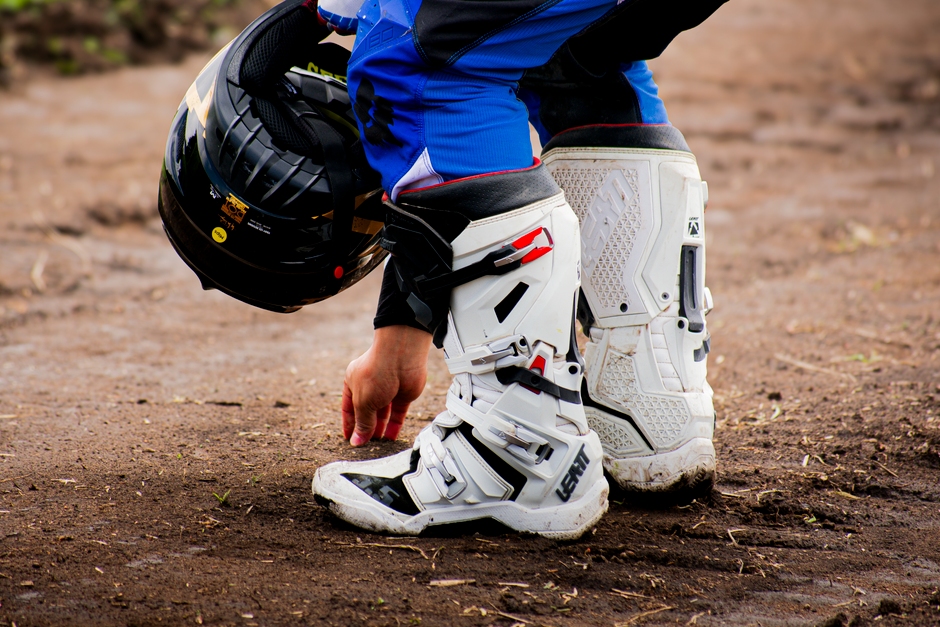
Choosing the right material is a pivotal step in determining what are the best boots for motorcycle riding. The choice between leather and synthetic materials often dictates the balance between abrasion resistance, comfort, and weather protection. While both offer distinct advantages, understanding the unique properties of each ensures that riders make informed decisions based on their specific environment and riding discipline. For those looking for specific examples of premium gear, exploring the best motorcycle riding boots can provide excellent insights into how these materials are utilized in top-tier designs.
The Durability of Full-Grain Leather
For decades, full-grain leather has been the gold standard for motorcycle safety. Its structural integrity is unmatched when it comes to sliding across asphalt, as explained in studies regarding motorcycle protective clothing.
- Superior Abrasion Resistance: Leather fibers are naturally dense, providing a sacrificial layer that resists friction heat during a slide.
- Natural Adaptability: Over time, leather breaks in and conforms to the rider’s foot shape, offering a custom fit that synthetic materials struggle to replicate.
- Maintenance Requirements: Because it is an organic material, it requires regular conditioning to prevent drying or cracking, especially when exposed to varying climatic conditions.
Modern Synthetic and Tech Materials
As technology advances, synthetic materials have become increasingly popular for riders who prioritize lightweight performance and advanced weatherproofing. These materials often incorporate high-tech textiles like Cordura or proprietary microfiber blends.
- Climate Control: Unlike leather, synthetics are often designed with advanced ventilation systems, making them ideal for high-heat environments.
- Waterproof Integration: Synthetic shells are often lighter and better suited for bonding with waterproof membranes, ensuring the boot remains breathable while keeping moisture out.
- Ease of Care: These boots are generally “wash and wear,” requiring far less maintenance than their leather counterparts.
When evaluating what are the best boots for motorcycle riding, riders should also consider the impact protection capabilities provided by the combination of these materials with internal reinforcements. While leather remains the king of slide protection, many modern riders now prefer high-denier synthetics for their comfort and superior moisture management in long-distance touring. Ultimately, whether a rider selects natural hide or advanced textiles depends on whether they prioritize traditional durability or modern convenience. According to safety guidelines from the AMA, selecting gear that balances these material benefits is essential for maintaining both protection and rider fatigue reduction.
Waterproofing Technologies Explained
For riders navigating unpredictable climates, weatherproofing is a critical factor when determining what are the best boots for motorcycle riding. Dry feet are not just a matter of comfort; they are essential for maintaining focus and safety while operating a motorcycle. Modern advancements in material science have transformed how footwear manages moisture, ensuring that gear remains functional during torrential rain or deep water crossings. For those looking for durable options, checking out top-rated Harley-style riding boots can offer great insight into how manufacturers balance weather protection with classic aesthetics.
Gore-Tex and Proprietary Membranes
High-performance motorcycle boots often utilize advanced barrier technologies to keep water out while allowing internal moisture to escape. Understanding these layers is key to identifying what are the best boots for motorcycle riding in varied environments.
- Gore-Tex: Regarded as the industry gold standard, this microporous membrane allows water vapor to pass through while preventing liquid water from entering.
- Breathability: Because the membrane is designed to “breathe,” it prevents the accumulation of sweat, which is a common cause of internal moisture buildup.
- Proprietary Membranes: Many brands develop their own waterproof barriers, such as Drystar or Hipora, which offer similar performance levels at different price points.
For more information on how protective equipment is tested for environmental resistance, one can consult resources from the National Institute for Occupational Safety and Health (NIOSH) regarding standards for protective footwear.
Waterproof vs. Water-Resistant
Distinguishing between “waterproof” and “water-resistant” is vital for any rider’s gear selection. Not all boots are built to handle sustained exposure to heavy rain.
- Water-Resistant Boots: These are typically treated with a DWR (Durable Water Repellent) coating. They are suitable for light mist or brief splashes but will eventually soak through during long highway commutes in a downpour.
- Waterproof Boots: These feature a sealed, integrated membrane—often incorporating a breathable waterproof lining—that provides a complete barrier against water.
- Construction Matters: A truly waterproof boot must also feature a gusseted tongue (where the tongue is attached to the sides of the boot) to prevent water from entering through the lace area.
According to studies on thermal regulation and moisture management, materials that provide a high degree of moisture vapor transmission are superior for long-distance riding, as they help maintain a stable microclimate inside the boot. Always verify the construction quality before assuming a boot can handle extreme wet-weather conditions.

Armor and Impact Protection Standards
When determining what are the best boots for motorcycle riding, understanding the safety standards behind the footwear is paramount. Unlike standard footwear, motorcycle-specific boots are engineered to mitigate the specific kinetic forces experienced during a crash. To ensure a high level of safety, riders should prioritize gear that complies with international safety protocols, ensuring that their feet are protected from crushing, torsion, and abrasion. If you are browsing for options, you can check out top-rated Harley motorcycle riding boots to see how these safety standards are applied in real-world designs.
CE Rating Explained for Riders
The most reliable indicator of protective quality is the CE certification. In Europe, and increasingly in the United States, motorcycle gear must meet rigorous testing criteria to earn a CE rating.
- EN 13634 Standard: This is the primary European standard for protective footwear. Boots are tested for height, impact resistance, and abrasion.
- Performance Levels:
- Level 1: Offers basic protection suitable for daily commuters or urban riders.
- Level 2: Provides higher impact energy absorption and superior structural integrity, recommended for sport and track riding.
- Testing Parameters: According to the European Committee for Standardization, test protocols include blade cut resistance and lateral transverse rigidity to prevent the boot from collapsing under the weight of a motorcycle.
Internal vs. External Protective Plating
Modern riding boots utilize a combination of internal and external armor to safeguard the foot’s complex structure. Recognizing the difference between these types is vital when evaluating what are the best boots for motorcycle riding.
- Internal Protection:
- Shin and Ankle Cups: Often made from memory foam or advanced polymer inserts like D3O, these provide high-impact protection while remaining flexible during normal operation.
- Reinforced Heel and Toe Caps: These prevent crushing injuries, which are common in low-side accidents.
- External Protective Plating:
- Exoskeletal Frames: High-end racing boots often feature external “hinges” or TPU shields that prevent the ankle from rotating beyond its natural range.
- Sliders: Typically found on the toe and heel, these replaceable components allow the boot to slide across the asphalt rather than gripping it, which helps prevent rotational fractures.
For those researching the physics behind protective gear, the National Highway Traffic Safety Administration (NHTSA) provides comprehensive data on the importance of wearing proper personal protective equipment (PPE) to reduce the severity of lower-extremity injuries. Always prioritize gear that offers a combination of both internal impact absorption and external abrasion-resistant materials to ensure comprehensive protection on the road.
Maintenance and Care for Long-Lasting Boots
Proper maintenance is the secret to extending the lifespan of premium protective gear. Even if you have already determined what are the best boots for motorcycle riding for your specific style, they will only provide long-term safety if they are cleaned, conditioned, and stored correctly. Neglecting gear leads to stiff leather, degraded membranes, and compromised structural integrity. By following a consistent care routine, riders ensure their investment remains functional and road-ready for years to come. For those seeking durable options that withstand the elements, reviewing resources like these top-rated Harley motorcycle riding boots can provide insight into gear longevity.
Cleaning Techniques for Leather Gear
Leather requires specific care to prevent it from drying out or cracking, which can reduce its ability to protect during an incident. Establishing a regular cleaning habit is essential for anyone researching what are the best boots for motorcycle riding.
- Remove Surface Debris: After a ride, use a soft-bristled brush or a damp cloth to remove road grime, dirt, and salt. Avoid using harsh chemical cleaners, as they can strip the leather of its natural oils.
- Deep Cleaning: If the leather becomes heavily soiled, use a pH-balanced leather cleaner. According to the Leather Industries of America, maintaining the moisture balance of leather fibers is critical for durability.
- Conditioning: After cleaning, always apply a high-quality leather conditioner. This keeps the material supple and maintains its water-repellent properties.
- Drying: Always allow boots to air dry naturally. Never place them near a heater or in direct sunlight, as excessive heat can cause the leather to warp or shrink.
Storing Boots During the Off-Season
How gear is stored between rides significantly impacts its longevity and protective capabilities. Proper storage prevents mold, mildew, and material degradation.
- Clean Before Storing: Never put away dirty boots. Storing gear with road salt or organic debris can cause permanent staining or material rot.
- Use Cedar Shoe Trees: Inserting cedar shoe trees helps maintain the shape of the boot and absorbs residual moisture and odors.
- Climate Control: Store boots in a cool, dry, and well-ventilated area. High humidity levels can promote the growth of mold, which may compromise the stitching and internal liners.
- Avoid Compression: Ensure the boots are standing upright or lying flat without anything heavy resting on them. Compression can damage the reinforced ankle cups or the structural integrity of the shin plates.
- Consult Safety Standards: For those interested in technical specifications, the National Highway Traffic Safety Administration (NHTSA) provides comprehensive guidelines on general motorcycle safety and gear preparedness that riders should periodically review to understand why material maintenance is a safety priority.
By treating these boots as vital safety equipment rather than simple apparel, riders protect their feet and their wallets simultaneously. Consistent care is just as important as the initial selection when determining what are the best boots for motorcycle riding.

Budgeting for High-Quality Riding Footwear
When determining what are the best boots for motorcycle riding for their specific needs, riders often find themselves navigating a wide spectrum of pricing. Establishing a realistic budget is crucial, as motorcycle footwear is a primary safety investment. According to the National Highway Traffic Safety Administration, appropriate protective gear significantly mitigates the severity of injuries during incidents. Riders should weigh the costs against the longevity and protective performance of the gear, ensuring they secure high-quality equipment that aligns with their frequency of travel and preferred riding environment.
Entry-Level vs. Professional Gear
The market for riding boots spans from accessible entry-level options to high-end professional equipment. Deciding between the two depends heavily on the rider’s budget and specific discipline:
- Entry-Level Gear: Typically priced between $100 and $200. These boots offer basic ankle reinforcement and abrasion resistance. They are ideal for casual riders or commuters who need fundamental protection without the high cost of specialized racing tech.
- Professional Gear: Often exceeding $400, these boots utilize advanced materials like carbon fiber or reinforced titanium plates. They are designed for high-performance track use or extreme adventure touring, offering superior impact energy management.
To see how these tiers perform in real-world scenarios, riders often check reviews on the best Harley motorcycle riding boots to gauge features against price points.
Investing in Long-Term Value
Purchasing riding boots should be viewed as a long-term investment in safety rather than a recurring cost. High-quality boots often feature replaceable parts, such as soles and sliders, which can extend the life of the product by several years.
- Durability Factors: Premium full-grain leather and advanced synthetic laminates resist degradation from engine heat, oil, and road debris better than cheaper, entry-level materials.
- Cost-Per-Wear: A $300 pair of boots that lasts five years is ultimately more economical than replacing $100 boots every season due to material failure.
- Safety Standards: Research on motorcycle safety equipment standards suggests that investing in gear that meets rigorous testing certifications provides a better return on investment through enhanced injury prevention.
By prioritizing construction quality, riders ensure they are not just buying footwear, but a reliable piece of safety equipment that protects them throughout their riding journey.
Frequently Asked Questions
When researching what are the best boots for motorcycle riding, many riders find themselves with questions regarding safety standards, longevity, and practical usage. Making an informed decision ensures that riders prioritize both comfort and protection during every journey.
Can I wear normal sneakers while riding a motorcycle?
It is strongly advised against wearing standard sneakers. Casual footwear lacks the structural integrity required to protect the feet during a slide or impact.
- Lack of Ankle Support: Sneakers do not offer the rigid ankle protection necessary to prevent crush injuries.
- Poor Sole Grip: Rubber soles on standard shoes are not designed for the specific oil-slicked surfaces often encountered on roads.
- Material Failure: Canvas and thin synthetic materials provide zero abrasion resistance against asphalt.
For those looking for something stylish yet functional, checking out top-rated motorcycle riding boots is a smarter choice than relying on casual footwear.
How often should I replace my motorcycle boots?
The lifespan of riding footwear depends on the frequency of use and the quality of construction. According to the National Highway Traffic Safety Administration (NHTSA), gear integrity is paramount for rider safety.
- General Rule: Replace boots every 3 to 5 years, or sooner if the tread is worn down.
- Visible Damage: If there are cracks in the leather, deep gouges, or if the stitching is coming undone, the boot’s protective shell is compromised.
- After an Accident: Any gear involved in a significant impact should be retired immediately, as the internal armor may have suffered micro-fractures that are not visible to the naked eye.
Are steel-toed work boots safe for riding?
While steel-toed boots seem rugged, they are often a poor choice for serious riders.
- Cold Conduction: In colder temperatures, the steel toe cap acts as a heat sink, rapidly pulling warmth away from the toes.
- Impact Risks: In a severe crash, the rigid edge of a steel toe box can potentially compress or cut into the foot if the boot is deformed by extreme pressure.
- Better Alternatives: It is safer to choose boots with motorcycle-specific armor, which is designed to dissipate impact energy across a wider area.
Should my motorcycle boots be tight or loose?
Finding the “Goldilocks” fit is essential for safety and control.
- Snugness: Boots should feel snug across the instep and heel without causing numbness.
- Movement: The rider should be able to wiggle their toes freely. If they cannot, the circulation will be restricted.
- Heel Lock: There should be minimal heel lift when walking or operating the foot controls.
- Break-in Period: Many high-quality full-grain leather boots feel stiff initially but will mold to the rider’s foot over time, a process supported by various safety gear studies found on sites like NCBI.
Ultimately, determining what are the best boots for motorcycle riding involves balancing personal comfort with the necessity of certified protective features. Riders should always prioritize gear that meets established safety certifications over purely aesthetic choices.
Conclusion: Choosing what are the best boots for motorcycle riding for your needs
Selecting the right footwear is a critical decision that balances personal style, terrain requirements, and essential safety protocols. Determining what are the best boots for motorcycle riding requires a thorough assessment of how the rider interacts with their machine and the environment in which they travel. By prioritizing structural integrity, impact protection, and specific weather-rated features, riders can significantly mitigate the risks associated with road accidents, as noted in comprehensive studies on motorcycle safety equipment.
Final Considerations for Selection
When narrowing down the choices, riders should focus on these non-negotiable criteria:
- Impact Protection: Always verify the gear meets current CE safety ratings to ensure it provides adequate reinforcement during an incident.
- Intended Usage: Whether navigating urban streets or long-distance trails, the boot must match the riding category. For those seeking specific styles, browsing resources like these Harley motorcycle riding boots can help categorize options effectively.
- Environmental Needs: A rider facing frequent rain should prioritize integrated membranes over standard leather to ensure waterproof protection remains effective over time.
- Fit and Ergonomics: Boots should feel secure without restricting circulation, allowing for fluid gear shifting and stable braking.
The Investment in Long-Term Safety
Riders should view their footwear as a vital component of their protective gear ecosystem, similar to a helmet or jacket. High-quality construction—often characterized by full-grain leather or high-tech synthetic composites—offers longevity and superior abrasion resistance. For those concerned with injury statistics, the Centers for Disease Control and Prevention emphasizes that wearing proper protective apparel significantly reduces the severity of injuries during a crash.
Ultimately, what are the best boots for motorcycle riding for one individual may differ from another based on their specific bike and climate. To make an informed decision, a rider should:
- Assess their primary riding style (Sport, Cruiser, or Adventure).
- Confirm the presence of internal armor at the ankles and shins.
- Ensure a non-slip sole is present to maintain a firm plant at stoplights.
- Prioritize durability over aesthetic trends to ensure their gear stands the test of time and potential road hazards.
By investing in high-quality, purpose-built gear, a rider ensures that every journey is supported by the best defense available, keeping them comfortable and secure on the open road.