

Choosing the right protective footwear is a critical decision for any rider, regardless of experience level. Determining what are the best motorcycle boots requires a careful balance between high-level impact protection and functional comfort. Because the feet and ankles are among the most vulnerable areas during a slide or collision, selecting gear that meets rigorous safety standards is essential for long-term road safety.
Whether an individual is navigating daily commutes or embarking on cross-country touring, the right pair of boots acts as a vital buffer between the rider and the harsh pavement.
Factors Influencing the Selection Process
When evaluating what are the best motorcycle boots, riders should consider several key performance indicators:
- Safety Certifications: Look for boots that provide documented motorcycle safety gear protection, often verified by international testing bodies.
- Structural Integrity: A proper boot must offer sufficient rigidity to prevent crushing injuries while maintaining enough flexibility for operating foot controls.
- Fit and Ergonomics: A boot that does not fit correctly can become a distraction. For those seeking specialized sizing, exploring the ultimate guide to choosing women’s motorcycle boots can provide additional clarity on finding the perfect anatomical match.
- Durability Standards: High-quality gear should withstand environmental stressors; academic research on material science in protective apparel suggests that abrasion resistance is paramount in high-speed impact scenarios.
Why Quality Matters
Many novice riders wonder if standard fashion boots provide enough security. In reality, purpose-built footwear features specific engineering designed to mitigate the risks unique to motorcycling. By prioritizing specialized features over aesthetic appeal, riders ensure their gear is ready to perform under pressure. Understanding what are the best motorcycle boots is the first step toward building a comprehensive personal protective equipment (PPE) kit that keeps the rider secure without compromising the joy of the ride.
Key Takeaways
Identifying what are the best motorcycle boots requires a balance between rigorous safety standards, riding environment, and personal comfort. Because the lower extremities are highly vulnerable during a collision, riders should prioritize gear that offers comprehensive protection without sacrificing the ability to operate motorcycle controls effectively. For those navigating the specific needs of diverse riders, it is helpful to consult resources like this comprehensive guide to choosing women’s motorcycle boots to understand how fit varies across different anatomy.
When evaluating your next purchase, consider these essential factors:
- Prioritize CE Certification: Always look for boots that meet official safety standards. The European Union’s PPE regulation serves as the global benchmark for protective motorcycle footwear, ensuring the gear undergoes rigorous testing for abrasion resistance and impact absorption.
- Match Gear to Riding Style: A track racer needs rigid, high-calf boots for ankle stability, while a commuter may prefer “stealth” options that look like everyday sneakers but feature reinforced internal structures.
- Material Matters: Full-grain leather remains the gold standard for long-term durability and abrasion resistance, though advanced synthetic materials are rapidly catching up by offering superior breathability and waterproofing.
- Sole Traction and Feel: The best boots provide a grip pattern that prevents slipping on wet pavement, yet remains thin enough at the forefoot to provide tactile feedback from the shifter and rear brake pedal.
- Climate Adaptation: Riders should account for their local weather; those in the Pacific Northwest might prioritize waterproof riding gear, while riders in the Southwest need perforated materials to prevent overheating.
Maintaining your equipment is just as critical as the initial selection. According to National Highway Traffic Safety Administration (NHTSA) safety research, proper gear maintenance ensures that protective components remain functional over time.
- Inspect Regularly: Check soles for uneven wear and stitching for fraying.
- Condition Often: Leather requires regular conditioning to prevent cracking, which could compromise its structural integrity in a slide.
- Replace When Necessary: If a boot has been involved in a crash, it has already performed its “sacrificial” duty and should be replaced immediately, regardless of its appearance.
Safety First: Understanding Protective Features
When determining what are the best motorcycle boots, safety is the primary metric for success. While style is often the secondary consideration for many riders, motorcycle-specific footwear is engineered to mitigate injury risks that standard footwear simply cannot handle. According to the National Highway Traffic Safety Administration (NHTSA), utilizing proper protective gear is essential for minimizing the severity of lower extremity injuries during a slide or collision. Identifying motorcycle protective gear that prioritizes structural integrity will ensure the rider remains safe during unforeseen incidents.
Ankle Support and Impact Protection
The ankle is one of the most vulnerable points during a crash. A high-quality boot must provide stability to prevent rolling or crushing injuries.
- Torsional Rigidity: Boots should resist twisting to prevent ankle fractures.
- Impact Armor: Look for boots featuring internal padding or thermoplastic polyurethane (TPU) inserts. These materials dissipate energy upon impact.
- Height: Full-coverage boots that extend above the ankle bone provide the most comprehensive protection.
- For those seeking specialized fits, it is helpful to review the ultimate guide to choosing women’s motorcycle boots to ensure proper anatomical support.
Reinforced Toes and Heel Cups
The toes and heels are frequent points of contact during both low-side and high-side accidents. To determine what are the best motorcycle boots, one must examine the reinforcement in these specific zones.
- Toe Box: A reinforced toe box—often made of rigid plastic or steel—protects against crushing forces and prevents the leather from wearing through during a slide.
- Heel Cups: Deep, rigid heel cups prevent the heel from shifting within the boot, ensuring that protective armor stays in place when it is needed most.
- Abrasion Resistance: Research from ASTM International highlights the importance of material durability; therefore, boots with reinforced high-density zones are superior at resisting the intense friction generated by asphalt.
By focusing on these specific technical features, riders can confidently select footwear that offers a crucial barrier between them and the road.

Choosing Based on Your Riding Style
Determining what are the best motorcycle boots requires a careful assessment of how a rider spends their time on the bike. Because the biomechanical stresses of track racing differ significantly from long-distance highway cruising, gear must be purpose-built to handle specific hazards. By matching footwear to the intended application, riders ensure maximum protection without sacrificing necessary range of motion. For those seeking specialized fits, referencing the ultimate guide to choosing women’s motorcycle boots can provide additional clarity on finding the right ergonomic balance.
Sport and Track Riding Requirements
When speed and lean angles are the priority, protection takes center stage. Sport-specific boots are engineered to prevent hyper-extension and crushing injuries common in high-speed maneuvers.
- Rigid Chassis: Most track boots feature an internal or external exoskeleton to prevent ankle twisting.
- Replaceable Sliders: High-quality boots include replaceable toe sliders, often made from TPU or magnesium, to protect the boot during extreme cornering.
- Shin Guard Integration: Extended protection reaching up the shin is standard, as recommended by safety organizations like the National Highway Traffic Safety Administration (NHTSA).
- Close-Fit Profile: The design is typically slim to allow for precise tactile feedback from the rear brake and shift levers.
Touring and Long-Distance Comfort
Touring riders require gear that can transition from the saddle to the sidewalk without discomfort. While protection remains critical, the focus shifts toward ergonomics and climate management.
- Flexible Sole Construction: Unlike stiff track boots, touring options use materials that allow for natural walking, reducing fatigue during stops at roadside attractions.
- Weatherproofing: Top-tier touring boots often utilize membranes like Gore-Tex to ensure feet remain dry during unexpected rain, a key factor when considering motorcycle gear standards.
- Ergonomic Footbeds: Advanced cushioning systems are incorporated to reduce vibration fatigue through the footpegs.
- Simplified Closure: Most touring riders prefer a combination of zippers and wide hook-and-loop straps, allowing for a secure fit that is easy to adjust even with gloved hands.
According to research regarding impact performance of protective gear, proper gear selection is the single most effective way to mitigate lower-extremity trauma in the event of a collision. Selecting footwear that aligns with these specific riding styles ensures the rider remains both comfortable and safe on any journey.
Adventure and Dual-Sport Footwear
When riders contemplate what are the best motorcycle boots for mixed-terrain exploration, they must look for gear that bridges the gap between motocross armor and touring comfort. Adventure (ADV) and dual-sport boots are engineered to withstand the rigors of gravel paths while remaining comfortable enough for long-distance highway travel. According to the National Highway Traffic Safety Administration (NHTSA), appropriate protective equipment significantly reduces the risk of lower extremity injuries during incidents. For those specifically seeking specialized fits, this guide on choosing the right women’s motorcycle boots provides essential insights into finding the perfect balance for off-road performance.
Off-Road Durability and Sole Grip
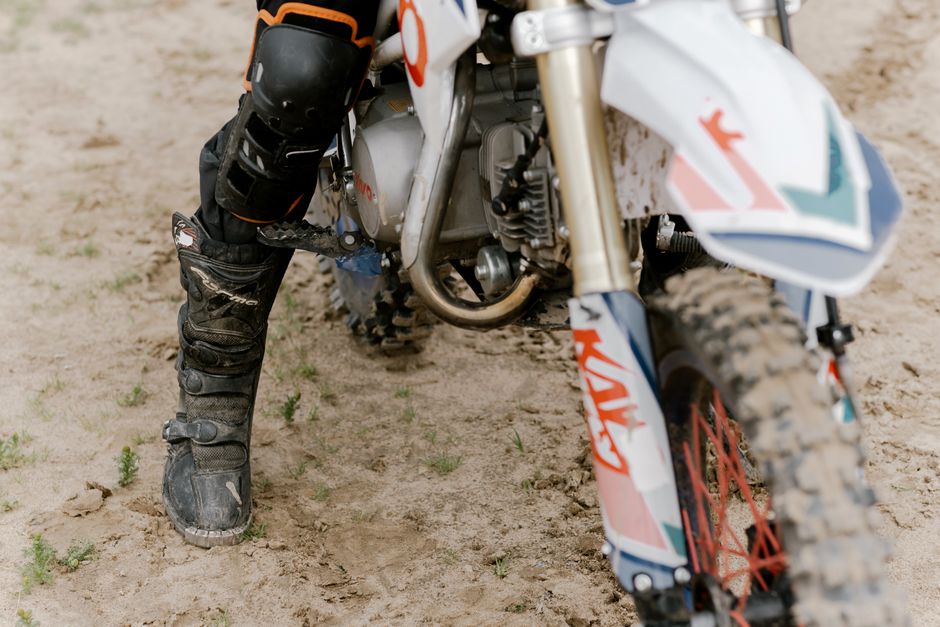
Off-road riding demands hardware that protects against flying debris, engine heat, and impact forces. ADV boots prioritize off-road durability to ensure that a rider’s feet remain shielded during technical maneuvers.
- Materials: High-grade synthetic materials or treated leather are standard to prevent abrasion from jagged rocks.
- Structural Integrity: Rigid plastic shin plates and TPU ankle inserts are critical for preventing hyper-extension and crush injuries.
- Traction Patterns: The soles feature aggressive, deep-lug patterns similar to off-road tires. These provide necessary mechanical interlock when planting a foot in loose dirt, mud, or silt.
- Energy Absorption: Many high-end models utilize dual-density rubber compounds to minimize vibration transfer from the pegs to the rider’s feet.
Waterproofing Technologies for All-Weather
Since adventure riders frequently encounter unpredictable elements, reliable waterproofing technologies are non-negotiable. Keeping the feet dry is not just a comfort preference; it is a safety imperative to prevent numbness and maintain focus during long, wet treks.
- Breathable Membranes: Leading manufacturers often integrate proprietary liners (like Gore-Tex) that block external moisture while allowing heat and sweat vapor to escape.
- Gusseted Tongues: Boots designed for deep-water crossings feature bellows-style tongues to prevent water ingress at the closure point.
- Hydrophobic Treatments: Beyond internal membranes, the outer materials are often treated with specialized finishes that cause water to bead and roll off, preventing the boot from becoming saturated and heavy.
For further reading on the mechanics of safety standards, the Journal of Forensic and Legal Medicine provides research papers that often analyze the efficacy of protective footwear in preventing fractures and soft-tissue trauma during motorcycle impacts. Always verify that the pair chosen meets current CE safety ratings for high-impact performance.
Casual Motorcycle Boots for City Riding
For riders who spend their time navigating urban jungles rather than racetracks, finding the right footwear requires a focus on versatility. Many riders wonder what are the best motorcycle boots that offer enough protection for a commute without looking out of place at the office or a coffee shop. These boots are engineered to bridge the gap between high-performance gear and everyday streetwear, ensuring that a rider remains protected without sacrificing their professional appearance. For those interested in specialized fits, this ultimate guide to choosing motorcycle boots provides excellent insights on how to balance aesthetics with safety.
Stealth Safety Features
Manufacturers have mastered the art of integrating protective elements into footwear that resembles traditional high-top sneakers or urban leather boots. Even if they don’t look like bulky race gear, they still meet essential motorcycle safety standards to ensure the rider is covered in the event of an accident.
- Internal Armor: They often feature discreet impact-absorbing material, such as D3O or similar viscoelastic polymers, placed over the malleolus (ankle bone).
- Reinforced Structures: A rigid heel cup and a reinforced toe box are concealed within the silhouette to prevent crushing injuries.
- Shank Integration: A semi-rigid steel or composite shank is built into the midsole, which provides necessary structural integrity and prevents the foot from hyper-flexing during an impact.
- Abrasion Resistance: Unlike fashion footwear, these boots utilize high-denier Cordura or thick, full-grain leather to ensure they do not disintegrate during a slide on asphalt.
According to research from the National Highway Traffic Safety Administration (NHTSA), properly secured and protective footwear significantly reduces the severity of lower extremity injuries in motorcycle accidents.
Style vs. Function Balance
The challenge of determining what are the best motorcycle boots for the city often comes down to the trade-off between style and total mechanical protection. While a full-length race boot offers the highest level of shielding, it is rarely practical for walking around an office or campus.
- The “Off-Bike” Factor: These boots are designed with comfortable footbeds and flexible materials that allow for a natural gait, making them suitable for long periods of standing or walking.
- Aesthetic Versatility: Many urban boots mimic the look of classic work boots or retro sneakers, allowing them to pair seamlessly with riding jeans or casual chinos.
- Material Selection: Designers often choose breathable leathers or waxed canvases that develop a unique patina over time, prioritizing both durability and the “heritage” aesthetic.
- Closure Systems: To maintain a clean look, manufacturers often opt for traditional lace-up designs, though they frequently add hidden zippers or elastic gussets to make putting them on and taking them off much faster.
It is worth noting that for those prioritizing protective riding gear, one should ensure their chosen footwear provides adequate coverage of the ankle joint, as this is the most common area of injury during city-speed impacts. Organizations like the Motorcycle Safety Foundation consistently advocate for gear that remains functional throughout the entire ride, from the start of the commute to the final destination.
The Importance of Proper Fit and Sizing
Finding what are the best motorcycle boots is a pursuit that extends beyond aesthetic appeal; it is fundamentally about safety and control. A boot that is too loose can shift during an emergency, while one that is too tight restricts circulation and distracts the rider. When researching how to choose the right gear, riders must prioritize a snug, supportive fit to ensure the protective elements remain in their intended positions. For those navigating specific sizing challenges, checking resources like The Ultimate Guide to Choosing Women’s Motorcycle Boots can provide additional clarity.
Measuring Your Feet Correctly
Achieving a perfect fit starts with an accurate measurement, as standard street shoe sizing is often inconsistent across manufacturers. Riders should follow these steps to ensure their gear provides the necessary motorcycle boot sizing precision:
- Measure at the end of the day: Feet naturally swell throughout the day; measuring in the evening ensures the boots won’t become uncomfortable after a long ride.
- Wear riding socks: Always measure while wearing the specific socks intended for riding, as thickness significantly impacts internal volume.
- Trace and measure: Place the foot on a piece of paper, trace the outline, and measure the distance from the heel to the longest toe.
- Consult the manufacturer’s chart: Never assume a standard size across brands. Always compare measurements against the brand’s specific size guide, as noted in various safety gear studies.
Break-in Periods for Leather Gear
High-quality leather boots are designed to mold to the rider’s anatomy over time, but they rarely feel like “slippers” out of the box. Understanding the break-in process is essential for long-term comfort:
- Start slow: Wear the boots around the house for several hours before taking them on a long ride to allow the stiff materials to soften.
- Use natural heat: The warmth of the feet will gradually make the leather more pliable.
- Avoid extreme measures: Riders should never soak leather in water or use harsh chemical softeners, as these can damage the integrity of the material and compromise the safety features that define what are the best motorcycle boots.
- Consistency is key: Regular use is the most effective way to achieve a custom fit, eventually creating a boot that offers both maximum protection and ergonomic comfort.

Material Breakdown: Leather vs. Synthetic
When deciding what are the best motorcycle boots, the construction material is arguably the most critical factor for both safety and longevity. Riders often find themselves debating between the classic durability of natural hides and the technical advantages of modern textiles. Making an informed choice requires understanding how these materials handle abrasion, weather, and daily wear, as outlined in detailed guides on choosing protective footwear.
Benefits of Full-Grain Leather
Full-grain leather remains the gold standard for riders prioritizing abrasion resistance and long-term value. According to safety research regarding protective clothing, leather provides superior resistance to tearing during high-speed slides.
- Natural Durability: Full-grain leather is highly resistant to punctures and tears, often outlasting synthetic counterparts by several seasons.
- Customized Fit: Leather fibers naturally stretch and mold to the rider’s foot shape over time, creating a bespoke fit that synthetic materials rarely replicate.
- Thermal Regulation: It offers excellent natural insulation, keeping feet warm in cooler climates while remaining breathable enough for moderate temperatures.
- Repairability: Unlike synthetic shoes, high-quality leather boots can often be resoled or repaired by a cobbler, extending their lifespan significantly.
Modern Synthetic Alternatives
As technology advances, synthetic materials like microfiber, Cordura, and high-tech polymers are becoming increasingly popular. These materials are essential when evaluating what are the best motorcycle boots for specific niche applications like track racing or adventure touring.
- Lightweight Performance: Synthetic boots are generally lighter than leather, which reduces rider fatigue during long days in the saddle.
- Superior Waterproofing: Many synthetic boots utilize advanced waterproof membranes—such as Gore-Tex—that provide total water resistance without sacrificing breathability.
- Lower Maintenance: Synthetics do not require the same oiling and conditioning rituals as leather; they are typically easier to clean after a muddy ride.
- Integrated Tech: Engineers can more easily mold protective armor, sliders, and structural bracing directly into synthetic chassis, providing advanced impact protection without adding unnecessary bulk.
For those looking to understand the mechanics of impact energy, the National Highway Traffic Safety Administration (NHTSA) emphasizes the importance of gear that remains intact during a crash, reinforcing why the material selection is a vital component of rider safety.
Evaluating Sole Construction and Traction
When deciding what are the best motorcycle boots for a specific riding environment, the sole construction is arguably the most critical factor for both safety and control. A boot’s ability to provide stable contact with the motorcycle footpegs and the pavement when stopped is essential. According to motorcycle safety research from the National Highway Traffic Safety Administration, maintaining proper footing is vital for rider stability and accident prevention. Riders should prioritize soles that offer a balance of stiffness for protection and flexibility for walkability. For those interested in specialized fits, referencing an ultimate guide to choosing motorcycle boots can provide additional clarity on how design impacts performance.
Oil-Resistant Rubbers for Street Use
Street riding requires a different approach to sole design compared to off-road variants. The primary goal here is consistent grip on varied urban surfaces like asphalt, concrete, and painted road markings.
- Compound Chemistry: Most high-quality street boots utilize oil-resistant rubber compounds. This specific formulation ensures the sole does not degrade or become slippery when exposed to common road contaminants like motor oil, gasoline, or coolant.
- Tread Pattern: For street use, a shallower, multi-directional tread pattern is preferred. It maximizes surface area contact with the ground for maximum friction during emergency stops.
- Stability: These soles are often reinforced with a steel or composite shank, which provides the necessary rigidity to prevent the boot from folding during a crash, protecting the foot from crushing injuries. For further information on gear safety standards, one can consult the International Organization for Standardization regarding personal protective equipment.
Aggressive Lugs for Dirt Traction
When a rider moves from the pavement to loose terrain, the requirements for traction change significantly. The sole must act like a mechanical claw to provide stability on mud, gravel, and loose dirt.
- Deep Lugs: Adventure and dual-sport footwear feature deep, aggressive lugs that dig into soft earth. These deep channels are designed to clear away mud as the rider walks, preventing the sole from becoming a “slick” that would be dangerous on uneven ground.
- High-Abrasion Materials: Because dirt riding involves constant contact with sharp rocks and debris, the rubber compounds used here are typically harder and more durable than those found on street boots.
- Flex Points: Unlike street boots that prioritize rigidity for impact protection, off-road soles often incorporate strategic flex zones. These zones allow the rider to maintain better control of the rear brake and shift lever while standing on the pegs, which is a common requirement for technical trail riding.

Seasonal Considerations for Your Boots
Determining what are the best motorcycle boots requires riders to account for the drastic climate shifts experienced across the United States. A boot that performs perfectly on a scorching desert highway in Arizona may offer zero comfort during a freezing winter commute in the Pacific Northwest. Selecting the right gear involves balancing thermal regulation with the non-negotiable need for impact protection, as outlined by safety standards that emphasize the importance of riding with proper equipment.
Ventilation for Hot Summer Days
When temperatures climb, airflow becomes the primary priority to prevent fatigue caused by overheating. Riders looking for the best gear for summer should prioritize specific design elements:
- Perforated Leather: Strategic perforation allows for maximum air intake while maintaining the abrasion resistance of cowhide.
- Mesh Panels: Many performance boots incorporate high-tensile mesh in non-impact zones to encourage significant airflow.
- Moisture-Wicking Liners: These liners are essential for moving sweat away from the skin, preventing discomfort during long rides.
- Lightweight Chassis: Less material bulk helps lower the overall body temperature of the rider.
For those navigating diverse climate requirements, it is worth reviewing this ultimate guide to choosing motorcycle boots to ensure the fit remains comfortable regardless of the season.
Thermal Insulation for Winter Riding
Winter riding poses unique risks, primarily regarding dexterity and circulation. If a rider’s feet go numb, their ability to operate the rear brake and gear shifter is significantly compromised. To combat extreme cold, high-quality winter gear often utilizes:
- Waterproof Membranes: Materials like GORE-TEX provide a crucial barrier against snow and freezing rain, which is vital for maintaining foot warmth according to thermal comfort research.
- Thinsulate or Synthetic Insulation: These layers trap body heat without adding excessive weight or bulk that could interfere with shifting.
- Tall Cuff Heights: A higher boot shaft seals the gap between the pant leg and the boot, preventing cold air from drafting upward.
- Enclosed Seams: Winter-specific boots minimize stitching and external vents, creating a sealed environment that retains warmth effectively.
Ultimately, when riders evaluate what are the best motorcycle boots, they must recognize that seasonal versatility—or having a dedicated pair for each season—is the key to a safer, more enjoyable riding experience.
Frequently Asked Questions
Navigating the market to find what are the best motorcycle boots can be overwhelming due to the sheer variety of technical specs and safety standards. Riders often have specific concerns regarding durability, protection, and the necessity of specialized gear versus everyday footwear. Understanding these nuances is essential for making an informed investment in personal safety equipment.
Can I wear regular work boots for riding?
While standard work boots might look sturdy, they often lack the technical features required for motorcycle safety.
- Impact Protection: Unlike dedicated riding gear, work boots rarely feature reinforced ankle cups or crush-resistant soles.
- Safety Standards: Proper motorcycle footwear is designed to prevent foot rotation and bone fractures during a slide.
- Material: Regular boots may melt during a high-speed slide, whereas motorcycle-specific boots utilize abrasion-resistant materials like high-grade leather or advanced synthetic composites.
If you are looking for specific considerations regarding fit and specialized designs, this ultimate guide to choosing women’s motorcycle boots provides excellent insight into design differences.
How often should I replace my motorcycle boots?
The lifespan of riding boots depends heavily on usage, material quality, and environmental exposure.
- Mileage: Most manufacturers suggest inspecting boots every 5,000 to 10,000 miles of active riding.
- Visible Damage: If the stitching is fraying, the sole is delaminating, or the internal structural integrity (heel/toe cups) feels soft, they should be replaced immediately.
- Post-Accident: Any pair involved in a crash must be retired, as the internal foam and support structures are likely compromised, even if they appear undamaged on the surface.
Do motorcycle boots need to be CE certified?
While not legally mandated in all jurisdictions, CE certification is the gold standard for verifying that your gear offers genuine protection.
- Testing Standards: Products with a CE certification label have undergone rigorous testing for impact, abrasion resistance, and transverse rigidity.
- Peace of Mind: When researching what are the best motorcycle boots, prioritizing those with recognized safety certifications ensures they meet international performance requirements as outlined by official safety research organizations.
How do I maintain my leather riding boots?
Proper maintenance extends the life of premium leather gear and keeps the materials supple enough to provide comfort.
- Clean: Remove surface dirt after every ride using a soft brush or damp cloth.
- Condition: Use a high-quality leather conditioner every few months to prevent the hide from drying out and cracking.
- Waterproofing: Apply a silicone-free water-repellent spray periodically to ensure the boots remain breathable yet resistant to moisture.
- Air Out: Always store boots in a well-ventilated area away from direct sunlight, which can prematurely age the leather and degrade adhesives.
Maintenance Tips to Extend Boot Lifespan
Investing in high-quality gear is the first step toward long-term protection, but understanding how to care for your footwear is essential to maintaining the integrity of your purchase. Even when you know what are the best motorcycle boots for your specific riding style, they will only provide maximum safety if the materials remain supple and the structure remains intact. Establishing a routine helps preserve the protective features of your women’s or men’s riding footwear for thousands of miles to come.
Cleaning and Conditioning Rituals
Regular maintenance prevents the degradation of materials caused by road grime, salt, and moisture. Following a consistent protocol ensures that leather stays hydrated and synthetic fabrics maintain their durability.
- Remove Dirt and Debris: After a ride, use a soft-bristled brush to remove dried mud and dust. Avoid harsh chemicals that can strip away water-resistant coatings.
- Leather Conditioning: Full-grain leather requires periodic conditioning to prevent cracking. According to the Leather Industries of America, proper conditioning keeps the fibers flexible, which is vital for maintaining the protective properties of motorcycle gear.
- Deep Cleaning: If the boots are soaked, stuff them with newspaper to absorb moisture from the inside. Never place them directly against a heater, as intense heat can warp the structural reinforcements and damage glues.
- Hardware Check: Periodically inspect buckles, zippers, and laces. Applying a light, dry lubricant to zippers ensures they continue to operate smoothly without trapping grit.
Storage Best Practices
Proper storage is often overlooked, yet it plays a critical role in the longevity of your gear. Improper storage can lead to mold growth or permanent deformation of the ankle support structures.
- Keep Them Cool and Dry: Store boots in a climate-controlled environment. Avoid damp basements or garages where temperature fluctuations are extreme.
- Avoid Direct Sunlight: Prolonged UV exposure can cause leather to fade and synthetic materials to become brittle. Always store them away from windows.
- Use Boot Trees: If you want to maintain the shape of the boots over the off-season, insert wooden boot trees. This helps the material retain its form and prevents deep creases from becoming permanent weaknesses.
- Air Circulation: Never store damp boots inside a plastic bag or a sealed container. Allow them to air out completely to prevent odors and bacterial buildup, as recommended by guidance on personal protective equipment hygiene.
By integrating these simple habits, riders ensure that their investment continues to perform under pressure. Maintaining your gear is the smartest way to guarantee that you are always ready to ride with the confidence that you own what are the best motorcycle boots for the road ahead.
Conclusion: Final thoughts on what are the best motorcycle boots
Determining what are the best motorcycle boots is a subjective process that ultimately hinges on the rider’s specific environment, riding style, and safety priorities. While there is no single “perfect” boot for every motorcyclist, the highest quality gear consistently prioritizes structural integrity and rider comfort. Whether one is navigating dense urban traffic or traversing backcountry trails, the investment in purpose-built protective footwear is non-negotiable for anyone serious about motorcycle safety.
Final Checklist for Selecting Your Gear
When evaluating potential purchases, riders should keep these critical factors in mind to ensure they make an informed decision:
- Safety Standards: Always look for gear that meets CE certification standards, which provide objective benchmarks for impact resistance and abrasion performance.
- Application-Specific Design: A track-day boot offers zero comfort on a cross-country tour. Match the boot’s technical features to the intended use case.
- Fitment Matters: Even the most expensive boots fail if they cause fatigue or discomfort. For specific fitment advice, riders should consult resources like this comprehensive guide to choosing women’s motorcycle boots to understand how different anatomical designs impact long-term wearability.
- Material Longevity: High-quality full-grain leather or advanced synthetic textiles are essential for long-term durability. Researching protective material properties can provide deeper insight into how different materials handle friction during a slide.
Why Quality Overcomes Cost
Riders often ask what are the best motorcycle boots while trying to minimize their budget. However, the true value of premium footwear is realized through:
- Enhanced Longevity: Superior craftsmanship means fewer replacements over the life of the rider.
- Increased Comfort: Reduced vibration and better thermal regulation allow for longer, safer ride times.
- Reliable Protection: When an accident occurs, the difference between a minor bruise and a severe injury often comes down to the quality of the armor integrated into the ankle, heel, and toe box.
Ultimately, the best choice is the boot that a rider is willing to wear every single time they mount their motorcycle. Consistent use of protective equipment is the most effective way to mitigate risk on the road. By balancing individual style with rigorous safety requirements, riders can confidently select footwear that supports their lifestyle while providing the necessary defense against the unpredictable nature of street and off-road riding.